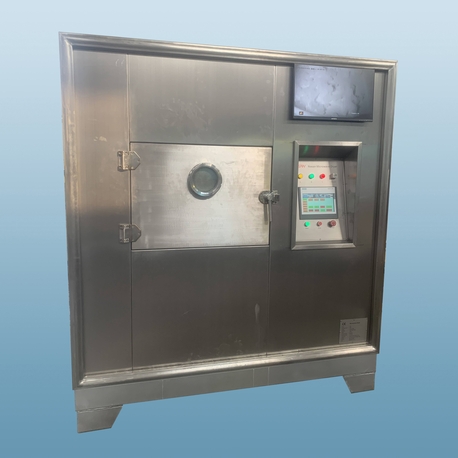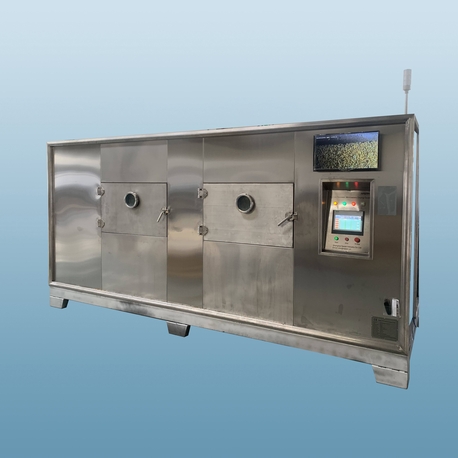


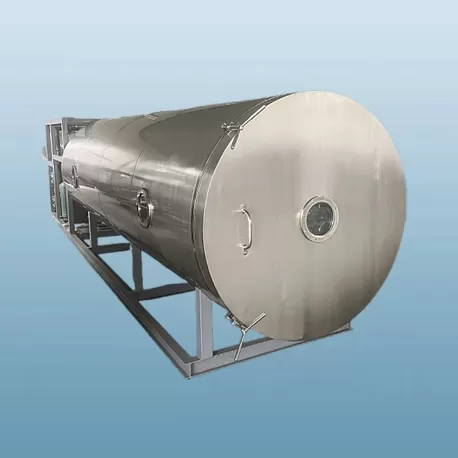
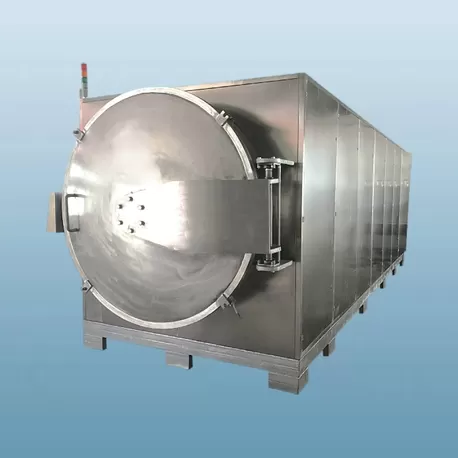
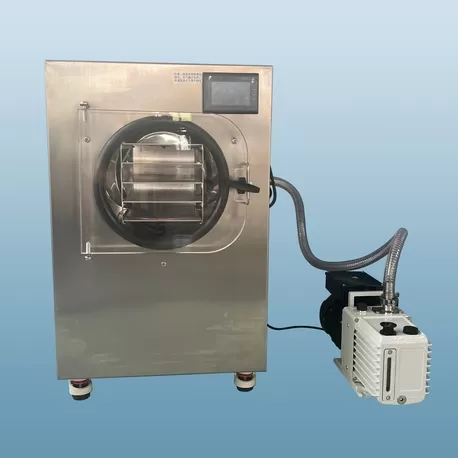
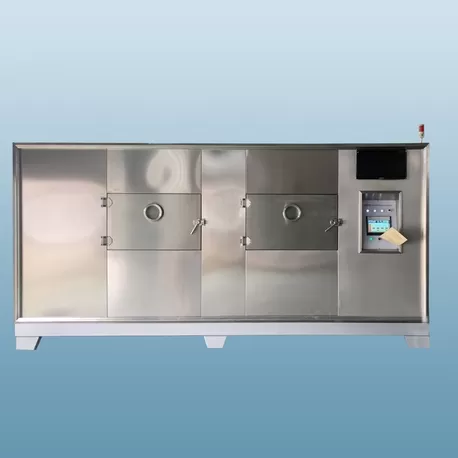
In industries where heat-sensitive materials require gentle yet thorough drying, a vacuum drying oven is the equipment of choice. By reducing pressure, these ovens lower the boiling point of water and solvents, allowing moisture removal without damaging delicate products. From pharmaceuticals to advanced electronics, manufacturers rely on consistent vacuum technology to achieve superior results. Nasan has engineered a range of vacuum drying ovens that combine robust construction with precise control, making them a trusted solution in labs and production lines worldwide.

What Is a Vacuum Drying Oven and How Does It Work?
A vacuum drying oven creates a low‑pressure environment inside a sealed chamber. This vacuum lowers the boiling point of liquids, so moisture evaporates at much lower temperatures than in conventional ovens. The process protects heat‑sensitive materials from degradation while speeding up drying times.
The Principle of Vacuum Drying
When air is removed from the chamber, the partial pressure of water vapor drops. Water molecules gain enough energy to transition to vapor even at ambient or slightly elevated temperatures. This gentle drying prevents oxidation, case hardening, and structural damage.
Vacuum levels typically range from 0.1 to 100 mbar, depending on the application.
Heated shelves or jacketed walls provide uniform thermal energy.
Solvent recovery systems can be integrated to capture volatile compounds.
Key Components
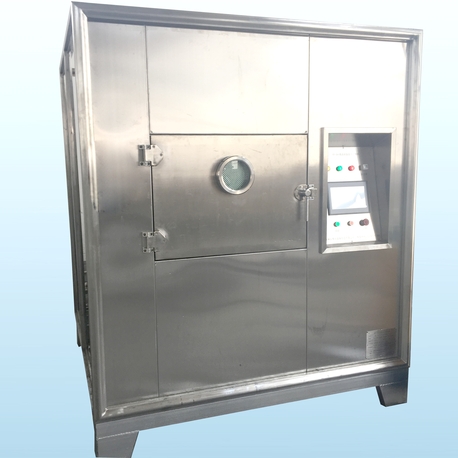
A standard industrial vacuum drying oven consists of a stainless‑steel chamber, vacuum pump, heating system, and control panel. High‑end models include programmable logic controllers (PLCs) for automated cycles and data logging. Nasan units feature reinforced doors with silicone gaskets to maintain vacuum integrity over years of use.
Main Applications of Vacuum Drying Ovens in Industry
The versatility of a vacuum drying oven makes it indispensable across multiple sectors. Below are the most common uses where this technology excels.
Pharmaceuticals and Biotechnology
Drying active pharmaceutical ingredients (APIs), vaccines, and herbal extracts requires strict temperature control. A vacuum drying oven removes residual solvents without breaking down sensitive molecules. It is also used for sterile drying of medical devices and labware.
Electronics and Semiconductor Manufacturing
Moisture can destroy microchips and printed circuit boards. Vacuum ovens bake out water vapor from components before encapsulation or soldering. They also cure adhesives and coatings in an oxygen‑free environment.
Food and Chemical Processing
From fruit powders to specialty chemicals, vacuum drying preserves color, flavor, and reactivity. It is ideal for materials that oxidize easily or contain volatile aromatics. Many food processors use vacuum drying ovens to produce high‑quality instant ingredients.
Advantages of Using a Vacuum Drying Oven Over Conventional Dryers
Switching to a vacuum drying oven offers measurable benefits that impact product quality and operational efficiency.
Lower drying temperatures: Protect heat‑sensitive materials from thermal degradation.
Faster drying times: Reduced pressure accelerates moisture evaporation.
No oxidation: Absence of air prevents discoloration and chemical changes.
Solvent recovery: Capture and reuse expensive solvents, cutting costs and emissions.
Uniform results: Consistent vacuum and heating eliminate wet spots.
These advantages translate into higher yields and better compliance with strict industry standards. For regulated sectors like pharmaceuticals, a vacuum drying oven helps meet FDA requirements for residual solvents.
How to Choose the Right Vacuum Drying Oven for Your Facility
Selecting the optimal vacuum drying oven depends on your production volume, material properties, and available space. Here are the critical factors to evaluate.
Size and Capacity
Bench‑top units suit R&D labs, while large floor‑standing models handle batch production. Consider tray loading systems for easy access. Nasan offers modular designs that allow you to expand capacity as your needs grow.
Temperature and Vacuum Range
Different materials require different settings. For example, drying biological samples may need a maximum of 40°C, while ceramics might tolerate 200°C. Ensure the oven can achieve the vacuum depth you need—some applications require deep vacuum down to 1 mbar or lower.
Construction Materials and Safety Features
Stainless steel chambers resist corrosion and are easy to clean. Look for overtemperature protection, burst‑proof doors, and certified electrical components. Nasan vacuum drying ovens include multi‑layer safety glass and automatic pressure release valves.
Maintenance Tips for Long‑Lasting Vacuum Drying Ovens
Regular upkeep ensures your vacuum drying oven operates at peak performance for years. Start with daily checks: inspect door seals for cracks and clean the chamber interior after each use. Vacuum pump oil should be changed according to the manufacturer’s schedule—contaminated oil reduces pump efficiency.
Every month, test the vacuum level with a calibrated gauge. If the chamber fails to reach set pressure, check for leaks at fittings and gaskets. Calibrate temperature sensors annually to maintain accuracy. Many Nasan models feature self‑diagnostic routines that alert operators to potential issues before they cause downtime.
Why Nasan Vacuum Drying Ovens Stand Out
With decades of experience in thermal processing, Nasan designs vacuum drying ovens that balance innovation with reliability. Our chambers use electropolished stainless steel for easy decontamination. The control systems offer programmable recipes, data logging, and remote monitoring via Ethernet. Nasan ovens are built to withstand continuous industrial use, backed by global service networks.
Clients in pharmaceuticals, electronics, and advanced materials trust Nasan for consistent vacuum performance and energy efficiency. We also provide customizations—such as explosion‑proof configurations or cleanroom compatibility—to meet specific regulatory requirements.
Frequently Asked Questions About Vacuum Drying Ovens
Q1: What is the difference between a vacuum drying oven and a regular oven?
A1: A regular oven uses hot air at atmospheric pressure, which can oxidize or overheat sensitive materials. A vacuum drying oven removes air, lowering the boiling point of moisture and enabling gentle, fast drying without degradation.
Q2: Can I use a vacuum drying oven for solvents other than water?
A2: Yes, these ovens are designed to handle organic solvents. However, you must ensure the oven is rated for flammable vapors and equipped with proper venting or solvent recovery systems. Nasan offers explosion‑proof models for such applications.
Q3: How do I determine the right vacuum level for my product?
A3: It depends on the solvent’s boiling point and your material’s heat tolerance. Generally, deeper vacuum (lower pressure) allows drying at lower temperatures. Consult material safety data sheets and run small‑scale tests. Your Nasan representative can help you select appropriate pump capacity.
Q4: What maintenance does a vacuum pump require?
A4: Oil‑sealed pumps need regular oil changes (every 500‑1000 hours). Check oil levels weekly and look for emulsification (milky appearance) which indicates moisture contamination. Dry pumps require less maintenance but periodic inspection of seals is still necessary.
Q5: How accurate is temperature control in a vacuum drying oven?
A5: Modern industrial ovens maintain temperature within ±1°C or better across the chamber. Nasan models use PID controllers with multiple sensors to ensure uniformity even under deep vacuum.
Q6: Can I retrofit an existing oven with vacuum capability?
A6: Retrofitting is rarely practical because the chamber must withstand external pressure. It is safer and more economical to purchase a purpose‑built vacuum drying oven designed for vacuum operation from the start.
Selecting the right vacuum drying oven is a critical decision that impacts product quality, safety, and operational costs. From lab‑scale research to full‑scale production, the right equipment streamlines processes and ensures repeatable results. Nasan provides robust, energy‑efficient vacuum drying ovens backed by decades of drying expertise. Explore our range to find a model that fits your application—and experience the precision of Nasan engineering.