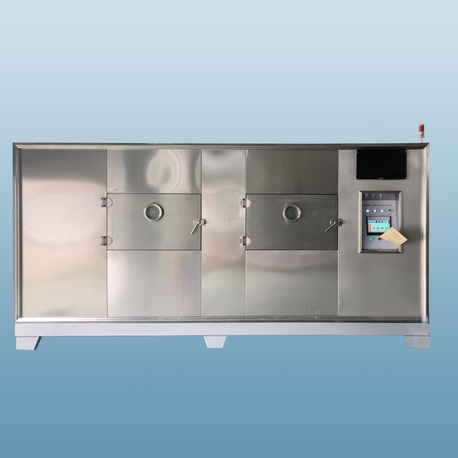


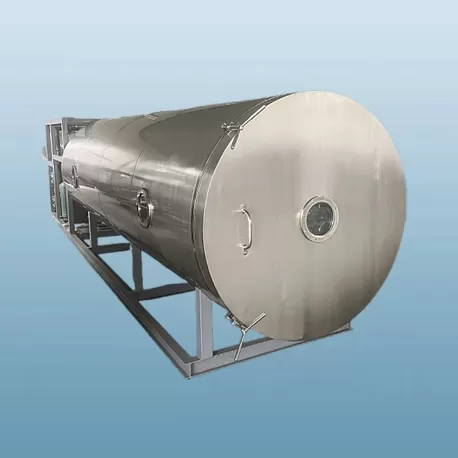
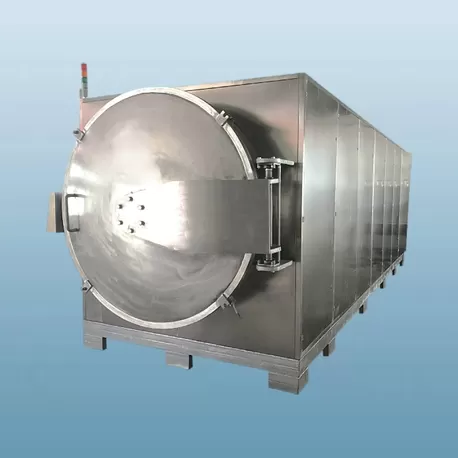
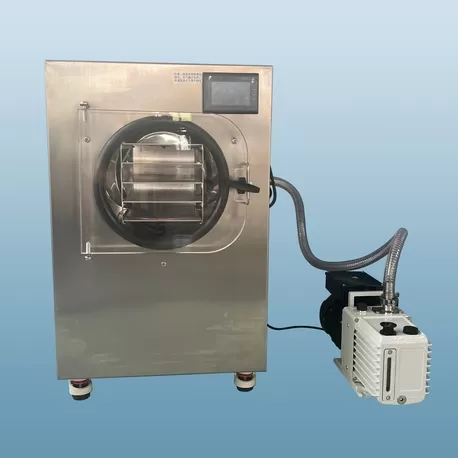
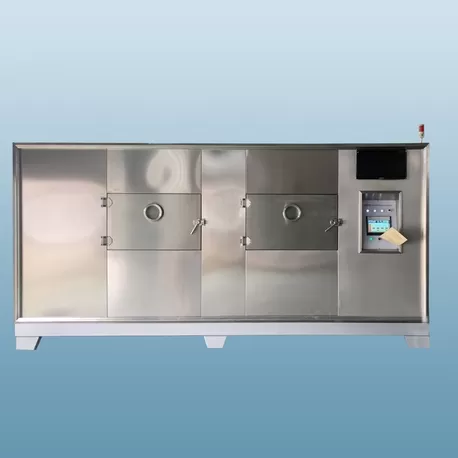
In the competitive world of meat processing, a reliable beef dehydrator can transform raw product into premium shelf-stable goods. Whether you produce jerky, dried meat snacks, or ingredients for ready meals, industrial dehydration locks in flavor while ensuring safety. Nasan has engineered drying systems that meat plants trust for consistent output and low operating costs. This article explores how modern beef dehydrators work, what features matter most, and why leading processors choose Nasan equipment.
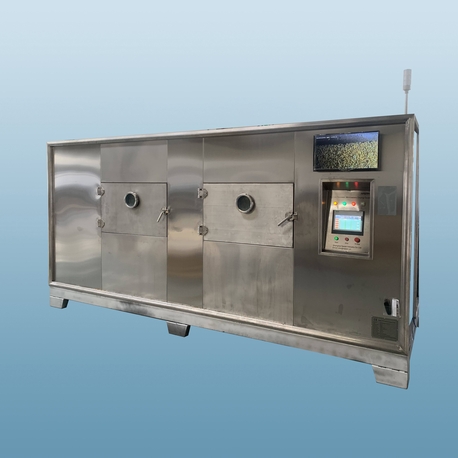
What Is a Commercial Beef Dehydrator and How Does It Work?
A beef dehydrator is a specialized machine that removes moisture from meat through controlled heat and airflow. Unlike home-scale units, commercial models handle hundreds of pounds per cycle. They rely on three core elements: heating elements, fans, and ventilation systems.
The Dehydration Process
Warm air circulates evenly across meat strips, drawing out water without cooking the protein. This process inhibits bacterial growth and concentrates natural flavors. Modern units allow operators to adjust temperature and humidity, ensuring repeatable results for different beef cuts.
Heating system: Electric or gas-powered elements maintain precise temperatures between 130°F and 180°F.
Airflow design: Horizontal or vertical fans prevent moisture pockets and ensure uniform drying.
Controls: Digital timers and thermostats let you program cycles for specific products.
Because dehydration times vary by thickness and fat content, a flexible beef dehydrator gives you complete control over texture and shelf life. Many processors pair these machines with smokers or marination lines for value-added products.
Essential Features to Look for in a Beef Dehydrator
Selecting the right beef dehydrator means evaluating your production volume, available floor space, and energy efficiency goals. Here are the key considerations:
Capacity and Expandability
Commercial dehydrators range from 10 to 50 trays per unit. Stackable designs let you scale up without buying an entirely new machine. Nasan offers modular systems that grow with your business, so you can start small and add tiers later.
Temperature Uniformity
Hot spots can ruin a batch. Look for a beef dehydrator with balanced airflow and insulated cabinets. Independent sensors in multiple zones help maintain consistent drying from top to bottom.
Stainless steel interiors for easy sanitation.
Adjustable vents to release moist air.
Low-noise operation for worker comfort.
Energy Efficiency
Industrial dehydrators run for hours, so energy consumption affects your bottom line. High-efficiency motors and heat-recovery systems cut electricity use by up to 30%. Some Nasan models meet ENERGY STAR standards, reducing both carbon footprint and utility bills.
Top Benefits of Using a Beef Dehydrator in Your Facility
Investing in a dedicated beef dehydrator brings multiple advantages beyond simple preservation. Processors who switch from sun-drying or smoking alone often see immediate gains.
Extended shelf life: Dried beef can last months without refrigeration when properly dehydrated and packaged.
Reduced weight and volume: Lower shipping costs because moisture accounts for up to 60% of fresh meat weight.
Consistent quality: Programmable cycles eliminate guesswork, so every batch matches your specs.
New product lines: Offer beef sticks, jerky, and dried cubes for soups or camping meals.
A modern beef dehydrator also helps meet food safety standards. By controlling drying parameters precisely, you reduce the risk of pathogen survival. This is especially critical for small and medium processors aiming to scale up.
How to Maintain Your Beef Dehydrator for Long Life
Routine care keeps your beef dehydrator performing at peak. Start with daily cleaning: remove trays and wash them with food-safe detergent. Wipe down interior walls to prevent grease buildup, which can affect airflow.
Check door seals monthly. Worn gaskets let heat escape, increasing drying times and energy costs. Lubricate fan bearings according to the manufacturer’s schedule, and inspect heating elements for corrosion. Many Nasan dehydrators include self-diagnostic alerts that notify you before a part fails.
Deep cleaning every quarter—including the exhaust duct—prevents mold and maintains hygiene. Keep a log of maintenance tasks; this documentation is often required for audits in the meat industry.
Why Nasan Leads in Industrial Beef Dehydrator Design
With decades of experience in drying technology, Nasan builds beef dehydrators that handle continuous operation. Our machines feature heavy-duty components, from reinforced hinges to corrosion-resistant fans. We work directly with meat processors to customize tray sizes and loading systems, ensuring seamless integration with your existing workflow.
Nasan’s commitment to innovation means you get smart controls, remote monitoring, and energy-saving modes. Whether you run a small butcher shop or a large processing plant, our team provides installation support and training. That’s why so many food safety consultants recommend Nasan for commercial meat drying.
Applications of Beef Dehydrators Beyond Jerky
While jerky is the most famous product, a versatile beef dehydrator can handle many applications. Restaurants use dried beef in pasta sauces and salads. Pet food manufacturers dehydrate beef for natural treats. Even pharmaceutical companies use these machines to dry beef extracts for supplements.
In the growing market of ready-to-eat meals, dehydrated beef provides a lightweight, shelf-stable protein source. Reconstituted with hot water, it retains much of the original texture. With the right beef dehydrator, you can supply ingredients to foodservice companies that demand consistency.

Frequently Asked Questions About Beef Dehydrators
Q1: What is the ideal temperature for dehydrating beef?
A1: Most commercial operations set their beef dehydrator between 155°F and 165°F. This range kills bacteria while drying the meat efficiently. Lower temperatures may not ensure safety, while higher temperatures can cook the meat rather than dry it.
Q2: How long does it take to dry beef in a commercial dehydrator?
A2: Drying time depends on thickness and fat content. Typically, ¼-inch strips take 4 to 6 hours. Thicker cuts or those with more fat may require 8 hours or more. A quality beef dehydrator with uniform airflow shortens the process.
Q3: Can I use a beef dehydrator for other meats?
A3: Yes, these machines work well for poultry, pork, and fish. However, you must clean the unit thoroughly between different proteins to avoid cross-contamination. Some processors dedicate separate dehydrators for red meat and poultry.
Q4: How do I calculate the capacity I need?
A4: Estimate your weekly production in pounds of fresh meat. Most beef dehydrators list capacity based on raw product weight. For example, a 20-tray unit might hold 100 pounds of fresh meat, yielding about 30 pounds of dried beef. Nasan offers sizing calculators to match your goals.
Q5: What safety certifications should a commercial dehydrator have?
A5: Look for NSF or USDA approval for food-contact surfaces. Electrical components should meet UL or CE standards. Nasan units carry these certifications, ensuring they comply with international food equipment regulations.
Choosing the right beef dehydrator is a strategic decision that affects product quality, operating costs, and food safety. From small craft producers to large-scale facilities, the right equipment streamlines production and opens new market opportunities. Nasan provides robust, energy-efficient dehydrators backed by industry expertise. Explore our range to find a beef dehydrator that fits your space and budget—and start delivering premium dried meat products your customers will trust.