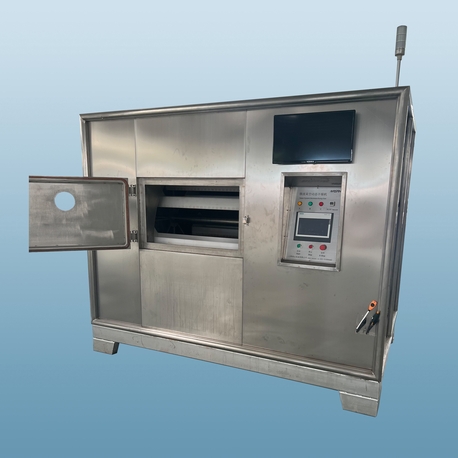


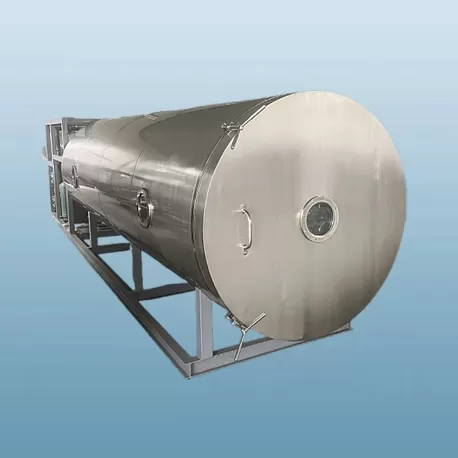
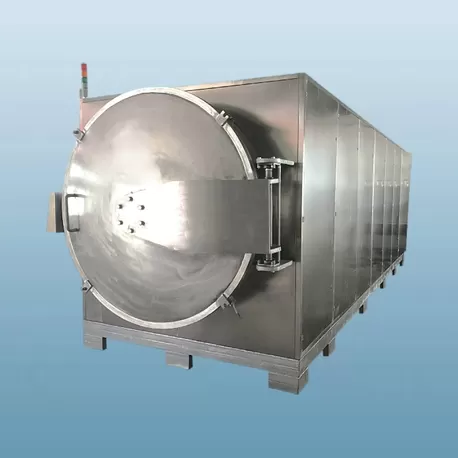
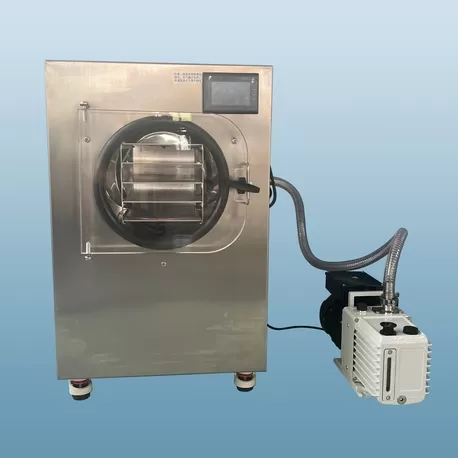
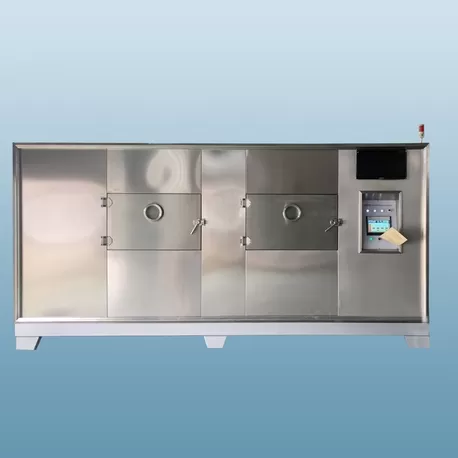
In bulk herb processing, maintaining phytochemical integrity and uniform dryness determines product value. A professional herb dehydrator must balance throughput, energy efficiency, and preservation of volatile oils. For operations handling medicinal roots, culinary leaves, or floral botanicals, equipment design directly impacts final grade and shelf stability. This guide examines engineering parameters, application-specific configurations, and selection criteria from a manufacturing perspective.

1. Why Generic Drying Equipment Fails for Herbal Materials
Herbs present distinct challenges compared to fruits or vegetables. Their cellular structures are delicate, and essential oils degrade above certain temperature thresholds. Standard hot-air dryers often cause case hardening—a dry outer layer trapping internal moisture—leading to mold growth during storage. Additionally, cross-contamination risks arise when multiple herb varieties share the same drying chamber without proper airflow segregation. A dedicated industrial herb dehydrator addresses these issues through stratified airflow, adjustable temperature zones, and hygienic construction.
Primary Pain Points in Herb Drying Operations
Non-uniform moisture extraction: Uneven drying forces reprocessing or downgrading, increasing labor costs.
Loss of active compounds: Excessive heat destroys alkaloids, flavonoids, and terpenes.
Microbiological proliferation: Insufficient initial heat or slow drying rates allow bacteria and yeast growth.
Energy waste: Poorly insulated dehydrators require longer runtimes, raising operational expenses.
Compliance risks: Pharmaceutical-grade herb drying demands validated processes and cleanable surfaces.
For manufacturers seeking batch consistency, these pain points translate directly into rejected shipments and brand damage. Transitioning to a purpose-built herb dehydrator eliminates most variability, especially when designed with real-time humidity sensors and programmable logic control (PLC).
2. Core Engineering Features of a Modern Herb Dehydrator
Advanced drying systems integrate several sub-systems that work in harmony. Below are the non-negotiable components for high-volume botanical dehydration.
2.1 Airflow Management and Filtration
Horizontal or vertical airflow patterns must be adjustable. For leafy herbs (mint, basil, oregano), low-velocity horizontal airflow prevents leaf dislodging. For dense roots (ginseng, licorice), vertical impingement improves heat penetration. Incoming air should pass through HEPA or pre-filters when drying pharmaceutical-grade materials. Recirculation rates of 60–75% reduce energy consumption without sacrificing moisture pickup capacity.
2.2 Multi-Zone Temperature Control
Different herb families require specific drying curves. A quality herb dehydrator offers at least three independently controlled zones: initial surface drying (30–40°C), bulk moisture removal (45–55°C), and final equalization (35–40°C). This profile minimizes thermal shock and preserves color. Sensors placed at product level, not just return air ducts, provide real feedback for PID controllers.
2.3 Hygienic Construction and Drainage
Stainless steel 304 or 316L interiors are mandatory for food/pharma applications. Welds must be ground and polished to prevent bacterial harborage. Sloped floors with central drains allow wash-down sanitation between batches. Gasketed access doors maintain positive pressure and prevent cross-contamination when drying multiple herb types sequentially.
3. Technical Parameters That Define Drying Performance
Selecting equipment based on generic “capacity” figures can be misleading. Instead, evaluate these data-driven metrics:
Moisture extraction rate (MER): Measured in kg of water removed per hour per square meter of tray area. Premium designs achieve 3.5–5.5 kg/m²/h for herbs.
Air turnover frequency: Recommended 20–30 air changes per minute for chamber dryers; continuous belt systems require 15–25 m³/s per meter width.
Temperature gradient: Difference between setpoint and actual load temperatures. ±2°C indicates good distribution; wider gradients cause spotting.
Residence time flexibility: For tunnel or belt dehydrators, variable belt speed (0.1–1.5 m/min) allows adjusting drying time from 2 to 12 hours without hardware changes.
Specific energy consumption: Optimal values range 1.2–1.8 kWh per kg of water evaporated when using heat recovery.
When evaluating a herb dehydrator for your facility, request performance validation reports using your actual herb matrices. A reputable manufacturer will provide drying curves and moisture analysis.
4. Application-Specific Drying Strategies
Different botanical categories demand modified approaches. The table below outlines recommended settings for common industrial herbs.
| Herb Type | Initial Moisture (%) | Final Moisture (%) | Drying Temp (°C) | Typical Time (h) |
|---|---|---|---|---|
| Leafy (peppermint, sage) | 75–85 | 8–12 | 35–45 | 4–6 |
| Flowers (chamomile, lavender) | 80–90 | 7–10 | 30–40 | 6–8 |
| Roots (turmeric, angelica) | 65–75 | 10–14 | 50–60 | 8–12 |
| Seeds (fennel, coriander) | 40–50 | 6–9 | 40–45 | 3–5 |
| Barks (cinnamon, slippery elm) | 50–60 | 10–12 | 55–65 | 10–14 |
Beyond temperature, controlling drying rate via humidity setpoints prevents case hardening. For example, chamomile flowers require 60% RH in the first hour, gradually reduced to 20% RH to preserve shape and aroma. Advanced PLC systems store these recipes for automated execution.
5. Continuous vs. Batch Herb Dehydrator Configurations
Production volume and operational style dictate the optimal system layout.
Batch Chamber Dryers
Suitable for small-to-medium capacities (100–1000 kg per cycle) and multiple herb varieties. Rack-loaded carts roll into insulated chambers. Benefits include simplified cleaning and flexible scheduling. However, loading/unloading labor is higher, and heat loss occurs during door openings.
Continuous Belt Dryers
For 2000+ kg daily throughput, a continuous herb dehydrator with multi-stage belts is more efficient. Herbs spread on mesh belts pass through zones of increasing temperature and decreasing humidity. Output is uniform and requires minimal handling. Modern designs incorporate belt scrapers to reduce product adhesion and automatic tensioning to prevent sagging.
Nasan engineers modular belt dryers where each zone has independent airflow and heating, allowing seamless scale-up by adding modules. This modularity is particularly valuable for contract drying operations handling seasonal herbs.
6. Energy Efficiency and Heat Recovery in Herb Dehydration
Drying is energy-intensive. Optimizing a herb dehydrator for minimal consumption without sacrificing speed requires integrated heat recovery.
Exhaust air heat exchangers: Capture waste heat from moist exhaust to preheat incoming fresh air. Saves 15–25% energy.
Vapor compression heat pumps: For low-temperature drying (30–45°C), heat pumps offer COP (coefficient of performance) of 3–5, drastically reducing operational costs.
Insulation thickness: 100mm mineral wool on walls and ceilings prevents thermal bridges, reducing heat loss by up to 40% compared to 50mm insulation.
Variable frequency drives (VFDs): Adjust fan speeds based on moisture load rather than fixed operation, cutting electricity use by 30%.
When sourcing equipment, request an energy audit simulation. Reputable suppliers like Nasan provide calculated payback periods based on your local utility rates and herb throughput.
7. Post-Drying Handling and Quality Assurance
The drying process doesn't end when herbs exit the dehydrator. Immediate cooling, tempering, and packaging protocols are equally important to prevent reabsorption of moisture.
Tempering bins: Allow moisture gradients within thick pieces to equalize for 2–4 hours after drying before final moisture testing.
Inline moisture analyzers: Near-infrared (NIR) sensors at the discharge provide real-time readings, triggering automatic adjustments to belt speed or temperature.
Metal detection and screening: Vibratory screens remove fines and foreign matter; magnetic separators capture ferrous particles from upstream handling.
Hygienic packaging zones: Dried herbs should be packed in low-humidity environments (≤40% RH) immediately after cooling to maintain <12% moisture.
Facilities adhering to GMP or HACCP standards should validate that the dehydrator’s interior surfaces withstand daily sanitation without corrosion. Nasan constructs drying chambers with fully rounded corners and sanitary welds, meeting EHEDG guidelines.

8. Common Mistakes When Procuring an Herb Dehydrator
Based on field observations across 40+ herb processing plants, these errors lead to underperformance:
Overlooking air distribution uniformity: Only checking average temperature, not mapping gradients at tray level.
Ignoring volatile organic compound (VOC) condensation: Herb-laden exhaust air can condense oils on fans and ducts, creating fire hazards and rancid smells. Proper exhaust duct insulation and sloping eliminate this.
Choosing undersized heating capacity: Selecting a heater based on steady-state needs rather than cold-start recovery increases cycle times.
Skipping validation runs with target herbs: Generic test loads (wet cardboard) do not simulate herb shrinkage or dust generation.
Forgetting about winter performance: Low ambient temperatures reduce heat pump efficiency; specify low-temperature capability if operating in cold climates.
Experienced manufacturers offer on-site commissioning and training to avoid these pitfalls. Request a drying trial using your actual harvest before committing to a full-scale herb dehydrator purchase.
9. Frequently Asked Questions About Industrial Herb Dehydrators
Q1: What is the ideal drying temperature to preserve essential oils in herbs?
A1: For most aromatic herbs (mint, oregano, thyme), temperatures should stay between 35°C and 45°C. Above 50°C, monoterpenes begin to evaporate, reducing aroma and therapeutic value. Thermo-sensitive herbs like chamomile require even lower ranges (30–38°C). A quality herb dehydrator with precise zone control allows maintaining these low thresholds while still achieving commercial throughput.
Q2: How do I calculate the required dehydrator capacity for my herb farm?
A2: Determine your peak weekly harvest (wet weight). For example, 5000 kg of fresh herbs with 80% moisture = 4000 kg water to remove. If your target dried moisture is 10%, final dry weight is 1000 kg. A dehydrator removing 400 kg water per hour needs 10 hours of operation. Always add 25% buffer for variability. Provide these numbers to your supplier for exact model sizing.
Q3: Can the same dehydrator handle both leafy herbs and dense roots?
A3: Yes, if the system offers interchangeable belt/tray configurations and adjustable air velocities. However, cross-contamination risks require thorough cleaning between types. Many processors opt for dedicated chambers or schedule root drying after leaf batches with a sanitation cycle in between. Continuous dehydrators with modular zones can run roots on slower belts and leaves on faster belts simultaneously if equipped with split plenums.
Q4: What certifications should a commercial herb dehydrator possess?
A4: For food/pharmaceutical applications, look for CE, UL/CSA (electrical safety), and compliance with FDA's CGMP (21 CFR Part 110). For European markets, EC No 1935/2004 for food contact materials. Additionally, hygienic design certificates like EHEDG or 3-A Sanitary Standards indicate cleanability. Always verify materials certificates for stainless steel grade (EN 1.4301 / AISI 304 or higher).
Q5: How often should drying belts or trays be replaced?
A5: Stainless steel mesh belts typically last 5–8 years with proper cleaning. Plastic modular belts may need replacement every 3–4 years due to wear and thermal stress. Perforated trays (aluminum or SS) last longer but require inspection for warping. Preventative maintenance—weekly cleaning of debris, monthly tension checks, and annual alignment—extends lifespan significantly.
Q6: Is it possible to automate loading and unloading for a batch herb dehydrator?
A6: Yes. Automated cart handling systems use transfer cars and chain conveyors to move drying carts from loading stations to chambers. After drying, carts exit to an unloading buffer. This reduces labor by 70% and eliminates human error in cycle timing. Nasan offers semi- to fully automated solutions integrated with PLC and remote monitoring.
Ready to Optimize Your Herb Drying Line?
Selecting the right herb dehydrator is a strategic decision affecting product quality, energy costs, and compliance. Whether you require a batch chamber for seasonal diversity or a continuous belt system for high throughput, engineering expertise matters. Nasan delivers custom-configured dehydrators with validated performance reports, worldwide installation support, and operator training programs.
Send your herb type, moisture targets, and desired daily throughput to receive a preliminary equipment layout and process simulation. Our application engineers will recommend a solution that maximizes yield while preserving botanical value.
Contact Nasan now to discuss your herb dehydration project – request a quote or a free drying trial using your own harvest.