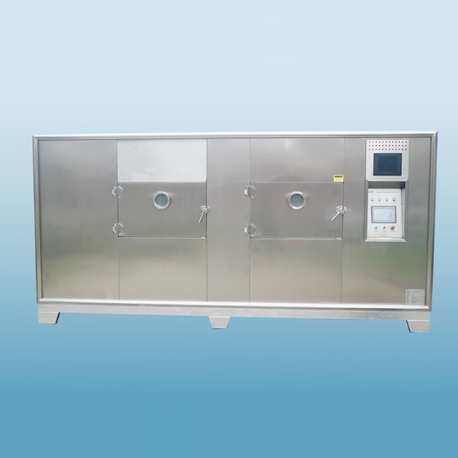
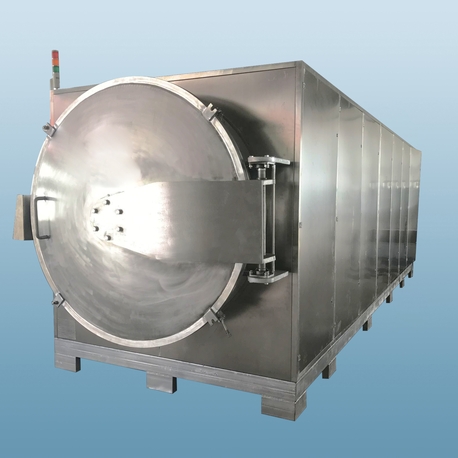
5 Innovative Ways Microwave Pyrolysis is Redefining Industrial Waste ProcessingAs global industries face mounting pressure to transition toward circular economies, advanced thermal conversion technologies are moving from laboratory curiosities to cornerstone industrial processes. Among these, microwave pyrolysis stands out as a transformative approach that addresses the limitations of conventional pyrolysis. By leveraging volumetric dielectric heating, this technology offers unprecedented control, efficiency, and feedstock flexibility. In this comprehensive analysis, we explore the technical intricacies, key applications, and economic drivers behind microwave-assisted pyrolysis, and how Nasan's industrial drying systems are essential in optimizing the entire process chain.

1. Understanding Microwave Pyrolysis: The Science Behind the Process
1.1 How Microwave Heating Differs from Conventional Pyrolysis
Traditional pyrolysis relies on conduction, convection, and radiation to transfer heat from the surface to the core of the feedstock. This indirect heating method often results in temperature gradients, longer residence times, and energy losses. In contrast, microwave pyrolysis utilizes an electromagnetic field (typically 915 MHz or 2.45 GHz) to interact directly with polar molecules and ionic compounds within the material. This interaction generates heat volumetrically—meaning the entire particle heats simultaneously. The result is rapid heating rates (up to 200°C/min) and a more uniform temperature distribution, which significantly reduces the formation of unwanted by-products such as polycyclic aromatic hydrocarbons (PAHs).
1.2 The Role of Dielectric Properties and Susceptors
Not all materials couple efficiently with microwaves. The dielectric loss factor determines how well a substance absorbs microwave energy. Feedstocks with high moisture content or certain minerals (e.g., metal oxides) exhibit strong coupling. For materials with poor dielectric properties, engineers add susceptors—such as carbon char, silicon carbide, or graphite—which absorb microwaves and transfer heat to the surrounding feedstock. This flexibility allows microwave pyrolysis to handle a wide range of inputs, from wet biomass to mixed plastics.
2. Critical Advantages of Microwave-Assisted Pyrolysis Over Traditional Methods
Selective and Targeted Heating: Energy is directed primarily at the receptive components, minimizing heat losses and reducing overall energy consumption by up to 30% compared to conventional systems.
Instantaneous Start-up and Shut-down: Electromagnetic heating eliminates the need for massive thermal inertia, enabling intermittent operation and faster response to feedstock variations.
Enhanced Product Quality: Uniform heating and precise temperature control lead to higher yields of bio-oil with lower oxygen content, and carbonaceous residues with well-developed porosity—ideal for activated carbon production.
Reduced Hazardous Emissions: The rapid heating and uniform temperature profile minimize the formation of dioxins, furans, and tar, simplifying downstream gas cleaning.
3. Key Industrial Applications and Feedstock Types
3.1 Waste Tire Recycling
End-of-life tires represent a significant environmental burden. Microwave pyrolysis can efficiently break down the vulcanized rubber into three valuable streams: recovered carbon black (rCB), tire pyrolysis oil (TPO), and steel cord. The process preserves the structure of carbon black better than conventional methods, making it suitable for reuse in new tires or as a reinforcing agent in plastics.
3.2 Plastic Waste to Fuel and Chemicals
Mixed plastic waste, especially polyolefins (PE, PP), can be converted into a waxy oil that is rich in olefins and paraffins. Microwave-assisted pyrolysis achieves higher liquid yields (up to 85%) with lower gas fractions, and the presence of susceptors helps maintain stable temperatures even with fluctuating feed composition.
3.3 Biomass to Biochar and Syngas
Agricultural residues, forestry waste, and energy crops benefit from microwave pyrolysis by producing a consistent biochar with high fixed carbon content. The biochar acts as both a soil amendment and a carbon sequestration tool, while the syngas can be combusted for process heat or electricity generation. The ability to process high-moisture biomass (up to 30%) without extensive pre-drying is a distinctive advantage.
3.4 Electronic Waste (E-Waste) and Metal Recovery
Printed circuit boards contain valuable metals (Cu, Au, Ag) embedded in epoxy resins. Microwave heating rapidly decomposes the polymer matrix, liberating metals with minimal oxidation. The process also captures brominated flame retardants, preventing the release of toxic brominated dioxins.
4. Addressing Industry Pain Points: Challenges and Engineering Solutions
Despite its promise, scaling microwave pyrolysis from laboratory to industrial production involves overcoming several technical hurdles:
4.1 Thermal Runaway and Hot Spots
As the dielectric properties of materials change with temperature, certain zones can overheat, leading to thermal runaway. Advanced reactor designs now incorporate mode stirrers, variable-frequency microwave sources, and real-time fiber-optic temperature sensors to maintain uniformity. Coupled with continuous mixing mechanisms, these innovations ensure stable operation over extended periods.
4.2 Continuous vs. Batch Processing
Early systems were predominantly batch-operated, limiting throughput. Modern continuous microwave pyrolyzers utilize screw conveyors or fluidized beds combined with microwave-transparent windows and waveguides. This enables feed rates of several tons per day while maintaining the advantages of volumetric heating.
4.3 Feedstock Variability and Moisture Content
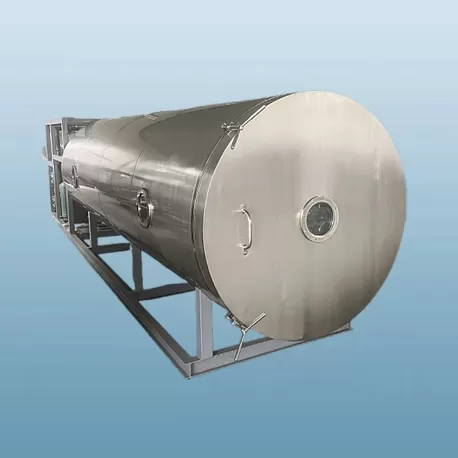
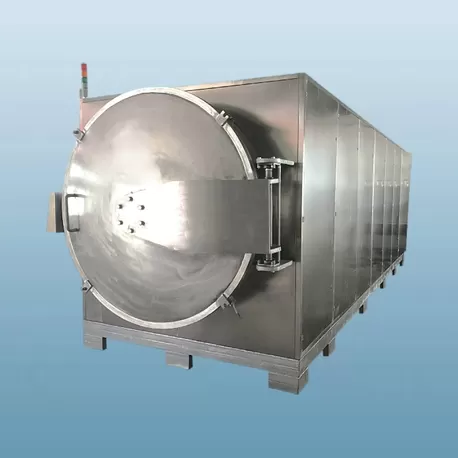
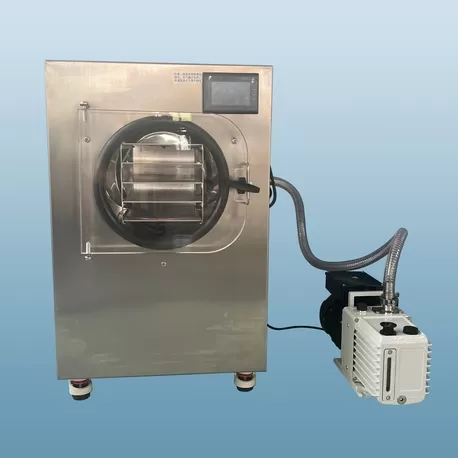
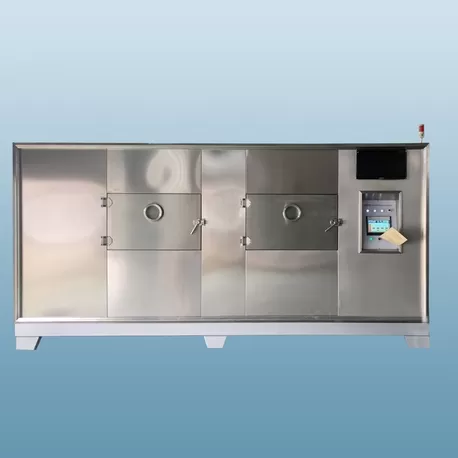
Excessive moisture (>15%) can cause steam formation, which consumes energy and dilutes product gases. Here, Nasan's industrial drying expertise becomes crucial. By integrating a Nasan pre-drying stage—such as a rotary or belt dryer—feedstock moisture can be precisely reduced to the optimal range (5–10%). This not only stabilizes the microwave absorption but also increases the heating value of the syngas and improves bio-oil quality. Nasan dryers are designed to handle abrasive and sticky materials, ensuring consistent feed density and flowability.
5. Economic and Environmental Impact: Data-Driven Insights
Recent life-cycle assessments (LCA) and techno-economic analyses (TEA) highlight the competitiveness of microwave pyrolysis:
Energy Efficiency: Microwave systems typically achieve 70–85% thermal efficiency, compared to 50–60% for conventional retorts, due to direct coupling and reduced heat losses.
Carbon Footprint: For waste plastics, microwave pyrolysis can yield a carbon footprint reduction of 1.2–1.8 tonnes CO₂-equivalent per tonne of plastic processed, when the oil replaces fossil naphtha.
Capital and Operating Costs: While microwave generators add upfront cost, the faster processing times (30–60 minutes vs. several hours) and modular design lower overall CAPEX for small-to-medium scale installations, making distributed processing economically viable.
Moreover, the high-quality carbon black from tire pyrolysis commands a market price 20–30% higher than that from conventional pyrolysis, creating a stronger business case.

6. How Nasan's Drying Expertise Complements Microwave Pyrolysis Systems
As a leading provider of industrial drying solutions, Nasan understands that the success of any thermal conversion process begins with feedstock preparation. Microwave pyrolysis systems are sensitive to moisture fluctuations, and inconsistent feed can lead to process instability and reduced product value. By partnering with Nasan, pyrolysis plant operators gain access to:
Precisely controlled drying to achieve target moisture levels (±1%).
Energy-integrated designs that utilize waste heat from the pyrolysis process for drying, maximizing overall efficiency.
Dust-tight and inert-gas blanketing options to prevent oxidation of sensitive materials.
Customizable solutions for diverse feedstocks—from shredded tires to wet organic sludge.
This synergy between drying and conversion ensures that microwave pyrolysis plants achieve nameplate capacity with minimal downtime, reinforcing the reliability of the technology for investors and regulators alike.
Frequently Asked Questions (FAQ)
Q1: What exactly is microwave pyrolysis and how does it differ from gasification?
A1: Microwave pyrolysis is the thermal decomposition of organic materials in an oxygen-free environment, using microwave energy as the heat source. Unlike gasification, which typically uses a controlled amount of oxygen to produce syngas, pyrolysis aims to maximize liquid and solid products. The microwave variant provides volumetric heating, leading to faster reactions and different product distributions compared to conventional pyrolysis.
Q2: Which types of waste are best suited for microwave pyrolysis?
A2: Feedstocks with moderate to high dielectric loss factors perform best. These include waste tires, plastics (especially PVC, which contains polar chlorine), biomass with inherent moisture or mineral content, and electronic waste. Materials with very low dielectric loss (e.g., dry paper) can still be processed by blending with susceptors like char or graphite.
Q3: How does feedstock moisture affect the microwave pyrolysis process?
A3: Moisture is a strong microwave absorber; its presence can help initiate heating. However, excessive water (>15%) leads to steam generation, which consumes energy and may condense in product lines, complicating oil recovery. Optimal moisture content is typically 5–10%, which is why a Nasan pre-dryer is often recommended to stabilize the process.
Q4: Is microwave pyrolysis commercially viable today?
A4: Yes, several commercial plants are operating worldwide, particularly for tire recycling and plastic-to-fuel. The technology is economically attractive at scales from 5,000 to 50,000 tonnes per year, especially when product quality (e.g., high-grade carbon black) commands a premium. Ongoing equipment cost reductions and carbon credit incentives continue to improve ROI.
Q5: Can existing pyrolysis facilities retrofit microwave technology?
A5: Retrofitting is possible but requires careful engineering. The reactor vessel must be microwave-transparent or modified to include waveguides, and the feed system must ensure consistent material flow. Many operators choose to integrate microwave-assisted pyrolysis in new builds, but hybrid systems that use conventional heating for bulk material and microwaves for fine control are emerging.
The Future of Sustainable Waste Conversion
Microwave pyrolysis is no longer a niche laboratory technique; it is a proven industrial solution capable of addressing the twin challenges of waste management and resource recovery. With advantages in energy efficiency, product quality, and operational flexibility, it is poised to replace many conventional thermal processes. To fully realize its potential, attention to upstream processing—particularly moisture control—is essential. Nasan's advanced drying systems provide the critical link between variable waste streams and stable, high-performance microwave pyrolysis units. As industries worldwide seek to decarbonize and close material loops, the combination of expert drying and innovative microwave technology will play a pivotal role in building the circular economy.
For more information on how Nasan drying solutions can enhance your microwave pyrolysis project, contact our engineering team today.