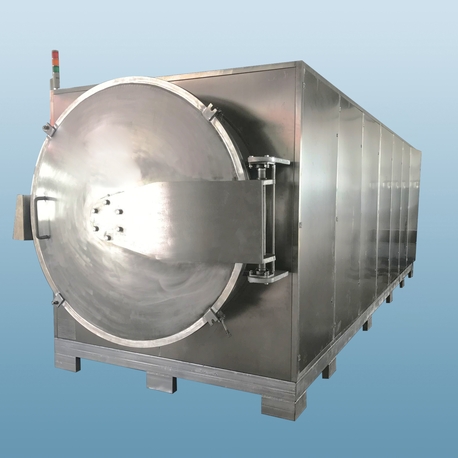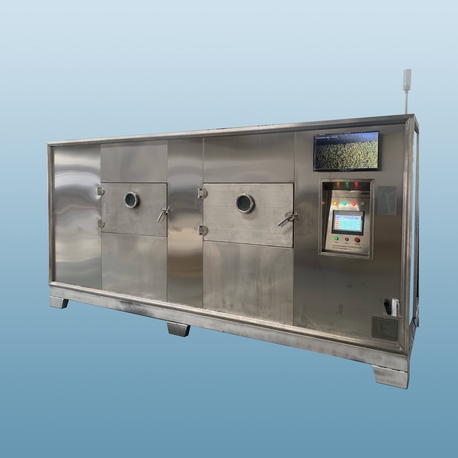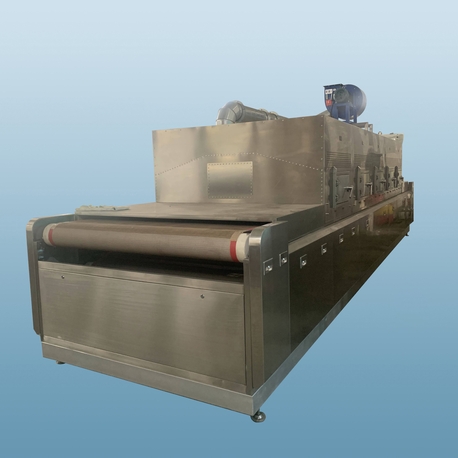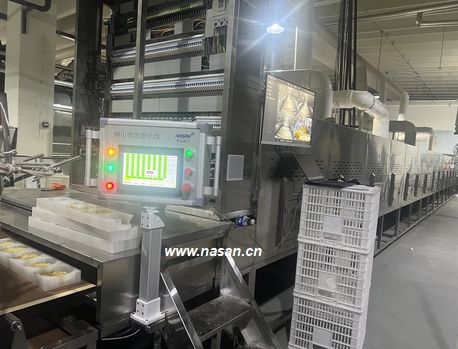
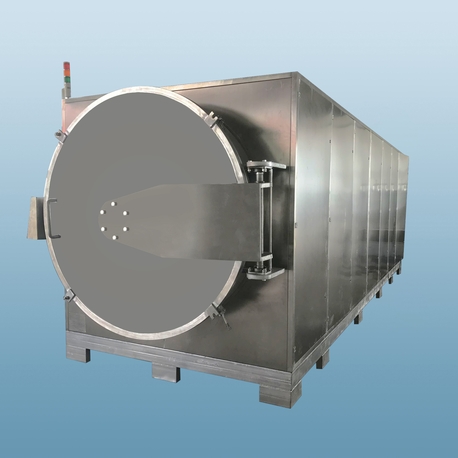
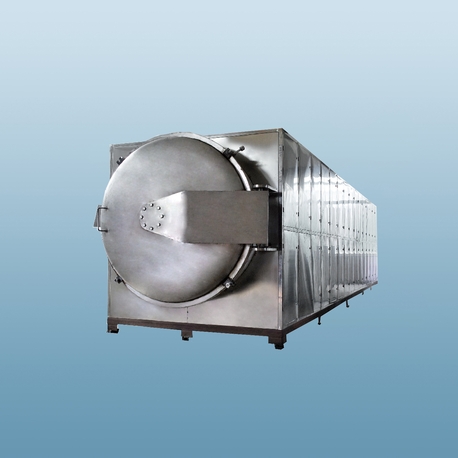
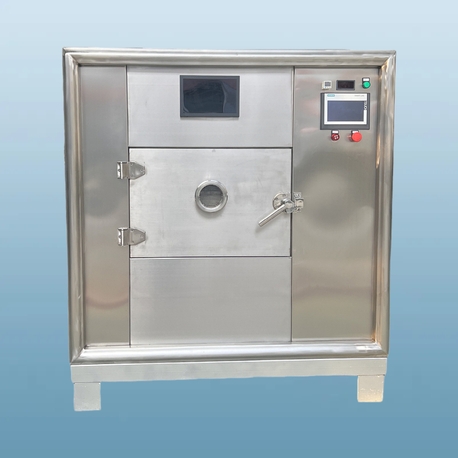
In the competitive world of pasta manufacturing, the drying stage is arguably the most critical and complex step. It transforms extruded dough into a stable, shelf-ready product while preserving texture, color, and nutritional value. Selecting the right pasta dryer is not merely a purchasing decision; it is a strategic investment that impacts energy consumption, production capacity, and final product quality. With decades of experience in industrial drying solutions, Nasan has engineered systems that address the multifaceted challenges of pasta drying. This article explores the essential technical parameters every production manager and plant owner must consider.
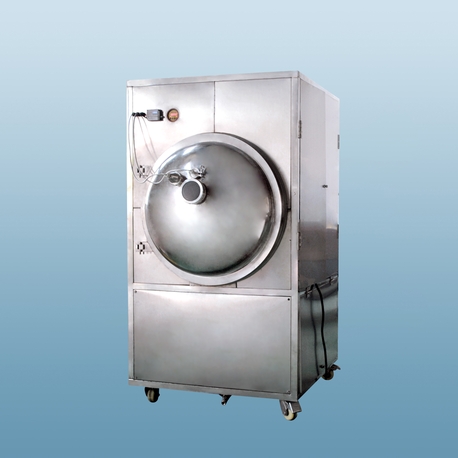
Pasta drying is a delicate balance of heat and mass transfer. The goal is to reduce moisture content from approximately 30–32% (after extrusion) down to 12–12.5% for long shelf life. However, if drying occurs too rapidly, case hardening forms a impermeable surface, trapping moisture inside and leading to microbiological spoilage. Conversely, overly slow drying increases energy costs and reduces throughput. Modern industrial pasta dryers utilize precisely controlled temperature and humidity profiles to guide water migration without stressing the product.
Pre-drying (Surface moisture removal): High humidity air prevents crust formation while evaporating free water from the surface.
Main drying (Falling rate period): Temperature gradually increases while humidity decreases, allowing internal moisture to migrate outward.
Stabilization/cooling: Equilibrates residual moisture and reduces product temperature to avoid condensation in packaging.
Each phase demands specific air conditions, and advanced pasta dryer designs incorporate multiple zones with independent control loops to execute these profiles with precision.
For long goods (spaghetti, linguine) and short goods (penne, fusilli), continuous belt dryers are the industry standard. Product travels on perforated stainless steel belts through stacked tiers, allowing vertical airflow through the bed. Nasan belt dryers feature modular construction, enabling easy capacity scaling and integration with existing production lines.
Primarily used for parboiled or specialty pasta, rotary drums provide gentle tumbling action that prevents sticking. They are less common for standard pasta but excel in applications requiring uniform coating or when drying fragile filled pasta.
High-capacity plants often combine a pre-dryer (which removes the bulk of moisture at high humidity) with a final dryer (which finishes drying at lower humidity). This decoupling optimizes energy use and allows independent maintenance without shutting down the entire line. Nasan offers integrated multi-stage solutions with heat recovery between sections.
Dry bulb temperature typically ranges from 50°C to 90°C depending on pasta type. Relative humidity (RH) is even more critical: during initial stages, RH may be as high as 80–85% to prevent case hardening. As drying progresses, RH is gradually lowered to 50–60%. Modern pasta dryers use PID controllers and inline sensors to maintain setpoints within ±1°C and ±2% RH.
Uniform airflow prevents channeling, where some pasta dries faster than others. Computational fluid dynamics (CFD) is now used to design plenums and nozzle arrangements that ensure even velocity across the belt width. Typical face velocities range from 0.5 to 1.5 m/s.
Total drying time varies from 4 to 12 hours depending on product shape and desired final moisture. Long goods require slower belt speeds and longer paths, while short goods can be dried faster. Variable frequency drives (VFDs) on fans and belts allow fine-tuning of residence time without mechanical changes.
Drying is energy-intensive, often accounting for 60–70% of total plant energy consumption. Therefore, selecting an efficient pasta dryer directly impacts profitability. Key efficiency features include:
Heat recovery wheels that transfer heat from exhaust air to incoming fresh air.
Variable speed drives on fans to match airflow to actual load.
Insulated panels with low thermal conductivity to minimize losses.
Condensate recovery in steam-heated systems.
Nasan dryers incorporate all these elements, achieving specific energy consumption as low as 0.8–1.2 kWh per kg of water evaporated—significantly lower than older designs.
Pasta is a low-moisture food, but it is not sterile. Dryers must be designed to prevent microbial growth and facilitate cleaning. Features to look for:
Fully welded frames with no crevices where dough can accumulate.
Self-draining interior surfaces.
Access doors with positive seals and quick-release latches.
CIP (clean-in-place) nozzles or wand cleaning ports.
European Hygienic Engineering & Design Group (EHEDG) certification is a strong indicator of sanitary compliance. Pasta dryers from leading manufacturers like Nasan are designed with food safety as a priority.
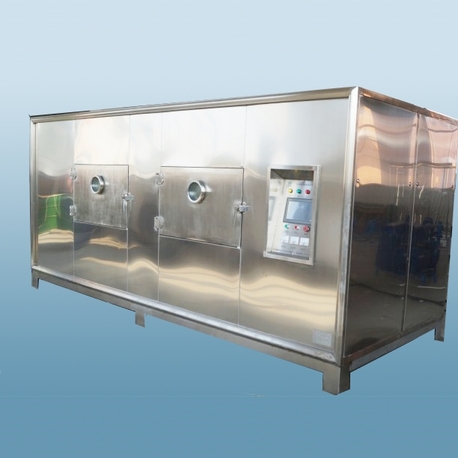
Modern pasta plants demand connectivity. A smart pasta dryer should offer:
PLC with touchscreen HMI for recipe management and data logging.
Remote monitoring via OPC UA or MQTT protocols.
Predictive maintenance alerts based on vibration and temperature trends.
Integration with upstream extruders and downstream packaging lines for seamless operation.
These capabilities not only improve quality consistency but also reduce unplanned downtime—a key metric in continuous production.
Different pasta shapes impose distinct drying challenges:
Long goods: Require gentle handling to prevent breakage; belt dryers with hanging or horizontal supports are used.
Short goods: Can be dried in deep beds with through-air circulation.
Fresh filled pasta (ravioli, tortellini): Requires low-temperature, high-humidity drying to avoid cracking the dough around the filling.
Gluten-free or whole-grain pasta: These formulations are more fragile and need specially adjusted drying curves.
Customizing the dryer to the product portfolio is essential, and Nasan engineers work closely with customers to tailor airflow, temperature, and humidity profiles for each recipe.
In a recent installation at a mid-sized Italian pasta facility, replacing an aging dryer with a Nasan pasta dryer resulted in:
15% reduction in energy consumption per ton of pasta.
20% increase in throughput due to optimized air distribution.
Improved color uniformity (measured by HunterLab colorimeter) from ΔE 2.5 to ΔE 1.2.
Zero non-conformance due to moisture variation over six months of operation.
These figures demonstrate that the right drying technology pays for itself within two to three years.
Q1: What is the ideal final moisture content for dried pasta?
A1: According to international standards (Codex Alimentarius), dried pasta should have a moisture content not exceeding 12.5% (typically 12–12.5%). This level ensures microbiological stability while maintaining the desired cooking properties.
Q2: How long does it take to dry pasta in an industrial dryer?
A2: Drying times vary widely: short goods (e.g., penne) may take 4–6 hours, while long goods (e.g., spaghetti) often require 8–12 hours. Specialty pasta or very thick shapes can take up to 20 hours. The exact time depends on dryer design, airflow, temperature, and humidity settings.
Q3: Can the same pasta dryer handle both long and short pasta?
A3: While some multi-purpose dryers exist, dedicated lines are generally recommended for optimal quality. However, modular belt dryers with adjustable belt configurations can be adapted for both types with changeover time. For high-volume production, separate dryers are more efficient.
Q4: What maintenance does an industrial pasta dryer require?
A4: Routine maintenance includes cleaning of air filters, inspection of belt tracking, lubrication of bearings, and calibration of sensors (temperature, humidity). Heat exchangers should be checked for fouling, and fans/motors should be monitored for vibration. Nasan offers preventive maintenance contracts to maximize uptime.
Q5: How does pasta dryer design affect energy efficiency?
A5: Key factors include insulation quality, heat recovery systems, variable speed drives, and recirculation of exhaust air. Modern dryers recycle up to 80% of the drying air, dramatically reducing heating energy. Additionally, using waste heat from other processes (e.g., extrusion) can further improve overall plant efficiency.
Selecting a pasta dryer is a multifaceted engineering decision that goes beyond simple capacity ratings. It involves understanding the physics of moisture migration, the chemistry of the dough, and the economics of energy use. By partnering with an experienced manufacturer like Nasan, pasta producers gain access to cutting-edge technology, custom engineering, and ongoing support. Whether you produce traditional semolina pasta or innovative gluten-free formulations, the right dryer will ensure consistent quality, lower operating costs, and a stronger competitive position in the global market.
For a detailed assessment of your pasta drying needs, contact Nasan today to schedule a consultation with our drying specialists.