The global demand for shelf-stable, high-protein seafood products continues
to rise, placing significant pressure on processors to deliver consistent
quality. Unlike traditional sun-drying, which is weather-dependent and poses
contamination risks, modern fish dryer systems utilize controlled atmosphere technology to remove moisture efficiently.
This article provides a technical deep dive into the mechanics, economic
benefits, and operational considerations of deploying industrial drying
solutions for fish and marine byproducts.
The Science of Moisture Extraction in Seafood
Fish muscle tissue presents a unique challenge in dehydration due to its
delicate protein structure and lipid content. Effective drying must balance
moisture removal with the prevention of case hardening—a phenomenon where the
exterior dries too quickly, trapping moisture inside and leading to
spoilage.
Key Physical and Chemical Reactions
Water Activity (Aw) Reduction: The primary goal of any
commercial fish dryer is to reduce Aw to below 0.85, the
threshold where bacteria, yeast, and mold cease to proliferate.
Lipid Oxidation Prevention: Fatty fish species like
mackerel or salmon require precise temperature control to prevent rancidity.
Heat pump technology, often utilized by manufacturers like Nasan, allows for
low-temperature drying that protects polyunsaturated fats.
Protein Denaturation: Excessive heat can denature proteins,
reducing rehydration capacity and altering texture. Controlled drying preserves
the myofibrillar structure.
Comparative Analysis: Conveyor vs. Heat Pump Fish Dryers
Selecting the correct configuration depends on throughput volume, available
space, and the specific product form (whole fish, fillets, or minced
scraps).
Continuous Conveyor Systems for High Throughput
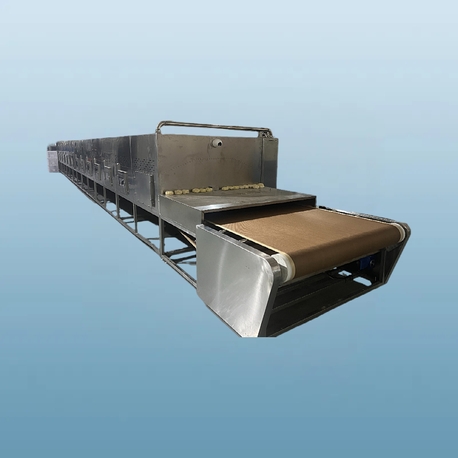
For large-scale processors handling 5 to 10 tons daily, mult-layer conveyor
dryers offer labor efficiency. These systems utilize multi-stage airflow, where
the fish dryer progressively shifts air direction to ensure uniform moisture distribution. Air
velocity is typically maintained at 1.5 to 2.5 m/s to carry away saturated
humidity without physically displacing the product.
Heat Pump Dehumidification Technology
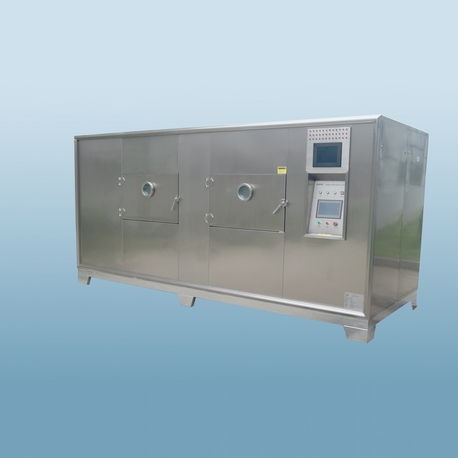
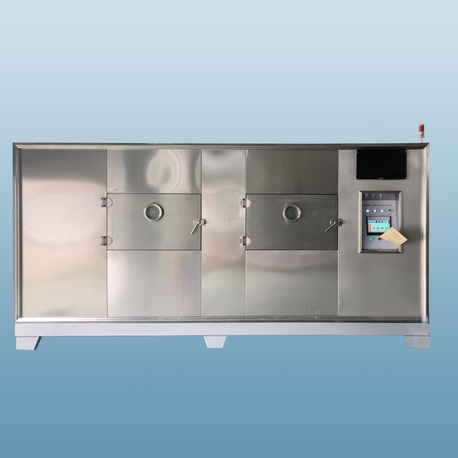
Nasan has engineered heat
pump dryers specifically for seafood, which recycle thermal energy. These
closed-loop systems offer a Coefficient of Performance (COP) of 3.5 or higher,
meaning they are 350% more energy-efficient than conventional electric heating.
By dehumidifying the air rather than venting it, the system retains heat, making
it ideal for cold climates where ambient air is damp.
Addressing Critical Pain Points in Seafood Drying
Processors often face bottlenecks that reduce yield. Below are specific
technical solutions integrated into modern machinery.
Hygienic Design and Sanitation
Fish processing generates high levels of biological residue. Equipment must
comply with food safety standards. Industrial dryers should feature:
IP69K-rated electrical components for high-pressure washdown.
Fully welded stainless steel (SS304 or SS316) frames to prevent bacterial
harborage.
Tilting or lift-up conveyor belts for easy access to the drying chamber
floor.
Drying Kinetics for Different Fish Types
Drying is not a one-size-fits-all process. The drying curve for lean fish
like cod differs significantly from oily fish. A programmable logic controller
(PLC) must manage the falling rate period effectively. Advanced systems allow
for:
Intermittent Drying: Cycles of drying and tempering allow
internal moisture to migrate to the surface before the next heating phase.
Specific Humidity Setpoints: Maintaining 15-20% relative
humidity in the chamber ensures a constant vapor pressure gradient.
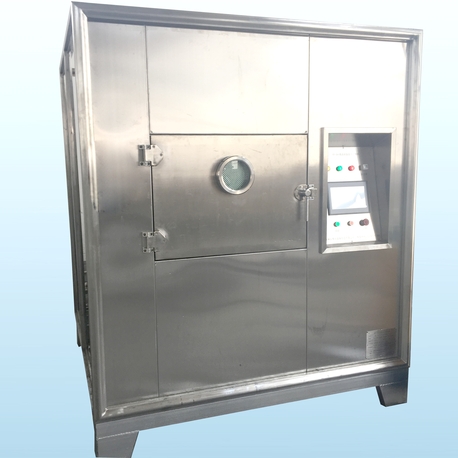
Economic and Sustainability Advantages
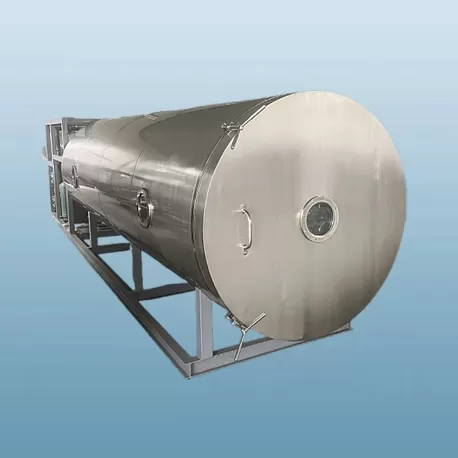
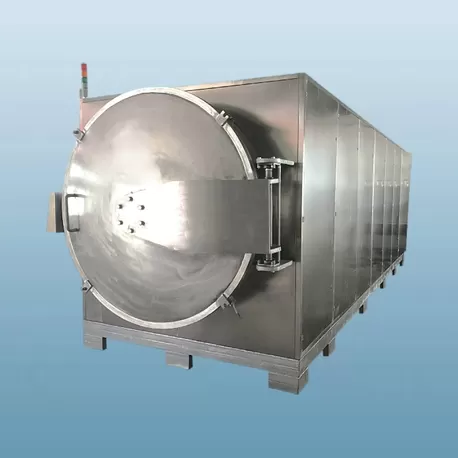
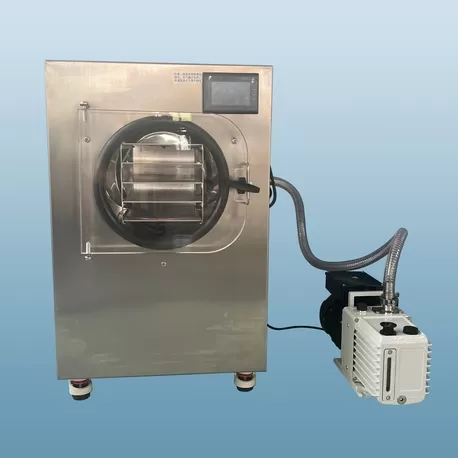
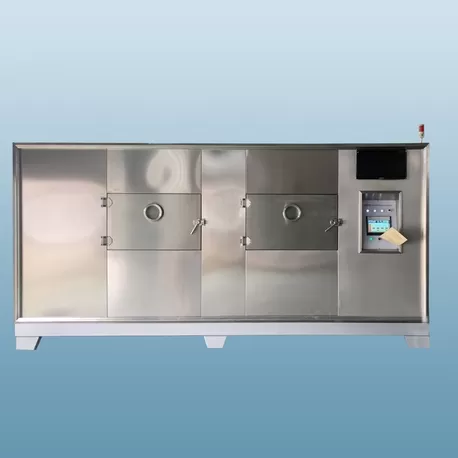
Investing in a high-capacity fish dryer transitions seafood waste into profit centers. Fish frames, skins, and trimmings
can be dried and ground into high-protein fish meal for aquaculture feed or
organic fertilizer. This circular economy approach reduces waste disposal costs
by up to 60%.
Furthermore, the predictability of mechanical drying allows for just-in-time
processing. Unlike sun drying, which can take 3-5 days depending on weather, a
controlled environment Nasan unit can reduce
moisture content from 80% to 15% in under 10 hours, drastically reducing
work-in-progress inventory.
Installation and Operational Parameters
To maximize the return on investment, facility managers must consider
auxiliary systems. Adequate ventilation is required to remove the latent heat
released by the dryer's condenser unit. If utilizing a steam system for
pre-cooking (common for canning lines), ensure the dryer's heat exchanger
material is compatible with thermal expansion to prevent stress cracking.
Operators should also monitor drying kinetics through data
logging. Consistent recording of core temperature and exhaust humidity helps in
predictive maintenance, ensuring belts remain aligned and fans operate at
optimal static pressure.
Frequently Asked Questions (FAQ)
Q1: What is the typical energy consumption of an industrial fish
dryer per ton of fresh product?
A1: Energy consumption varies based
on initial moisture content and target final moisture. For a heat pump dryer
processing whole fish from 75% to 15% moisture, expect approximately 250 to 350
kWh per metric ton of water removed. Conveyor systems with heat recovery are the
most efficient.
Q2: Can a fish dryer handle both oily fish like salmon and lean fish
like tilapia without flavor cross-contamination?
A2: Yes, but it
requires strict scheduling and cleaning protocols. High-grade dryers feature CIP
(Clean-in-Place) systems. For facilities processing both types, it is advisable
to run fatty fish last, followed immediately by a sanitation cycle to remove
lipid residues from the belts and chamber.
Q3: What is the maximum capacity available for a single fish dryer
unit?
A3: Modular conveyor systems can be configured for capacities
exceeding 20 tons per day. For example, Nasan offers industrial
lines with drying areas from 50 m² to over 200 m², allowing processors to scale
production without requiring multiple small units.
Q4: How does the dryer prevent the fish from sticking to the conveyor
belts?
A4: Industrial dryers utilize food-grade PTFE-coated belts or
stainless steel wire mesh with vibration mechanisms. Additionally, a short
pre-drying surface treatment or light dusting with starch (for certain products)
can be applied to create a non-stick barrier before the product enters the main
heating zone.
Q5: What is the expected lifespan of a commercial seafood
dryer?
A5: With proper maintenance, particularly of the conveyor
bearings and fan motors, a stainless steel fish dryer should operate efficiently
for 15 to 20 years. Regular checks of the dehumidifier's compressor oil and
refrigerant levels are essential to maintain thermal efficiency over the long
term.
Q6: Is it necessary to pre-treat the fish before loading it into the
dryer?
A6: While not always mandatory, pre-treatments are
recommended for quality optimization. Brining (salt solution) can enhance flavor
and draw out initial moisture. For products intended for long-term storage
without refrigeration, a brief steam blanching deactivates enzymes that cause
autolysis during the drying process.