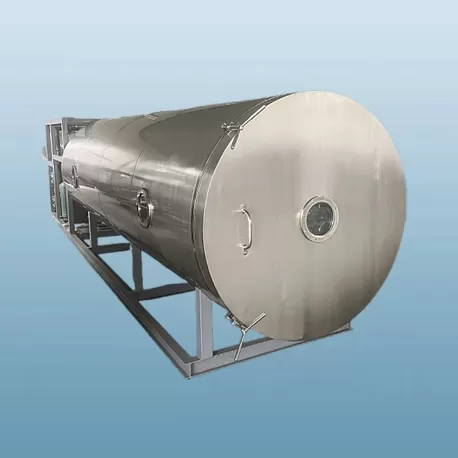
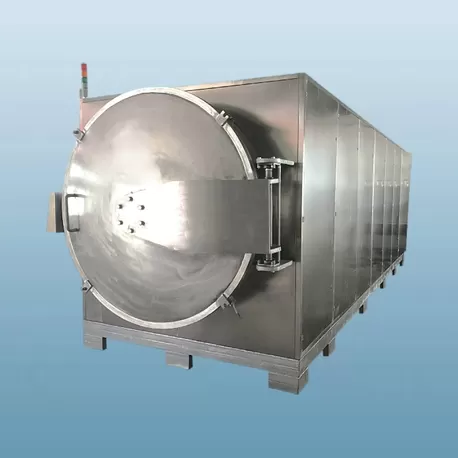
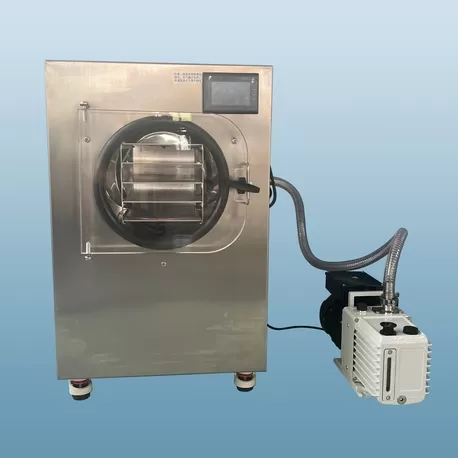
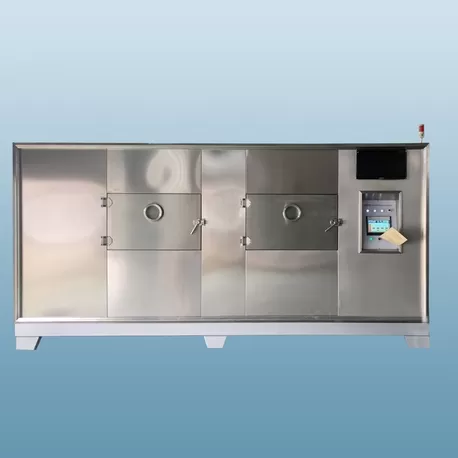
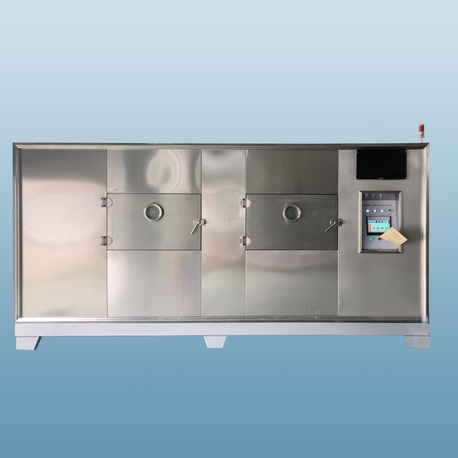
In commercial meat processing, the selection and operation of a beef
dehydrator determines final product shelf stability, texture, and
microbiological safety. Unlike small batch appliances, industrial dehydration
demands precise control over drying rate, relative humidity staging, and
end-point water activity (aw ≤ 0.85 for shelf-stable jerky). This guide examines
the mechanical design, sensor integration, and process validation methods for
high-capacity beef dehydrator systems used
by meat processing facilities, protein snack manufacturers, and pet treat
producers.
Dehydration is a simultaneous heat and mass transfer operation. Effective
moisture removal from lean meat strips requires balancing air velocity,
temperature (typically 50°C to 75°C), and humidity extraction. A poorly designed
unit leads to case hardening – a dry outer layer that blocks internal moisture
migration, resulting in spoilage during storage. Nasan engineers industrial dryers with
computational fluid dynamics (CFD) simulation to eliminate dead zones and ensure
uniform drying across all trays. Below, we analyze the key subsystems and
operational protocols for a professional beef dehydrator.

Drying Principles for Lean and Fatty Beef Cuts
Raw beef composition (approximately 65-75% water, 15-20% protein, 5-20% fat)
dictates the drying curve. Fat acts as a barrier to moisture diffusion,
requiring longer dehydration cycles or pre-treatment steps. Industrial processes
use either hot air convective drying or hybrid systems with infrared
pre-heating. The key parameters to monitor include:
Drying rate period – constant rate period (surface moisture
evaporation) followed by falling rate period (internal diffusion limited). A
beef dehydrator must transition between these phases by
adjusting air recirculation and venting.
Shrinkage and rehydration ratio – final product should have
a water activity low enough to inhibit Staphylococcus aureus and Salmonella.
Typical ratio: 3.5 to 4.5 kg raw beef yields 1 kg dried product (75-78% moisture
removal).
Color and texture targets – mahogany brown surface with a
flexible, chewy interior. Over-drying produces brittle texture; under-drying
leaves a raw interior.
To achieve these consistently, the industrial dryer employs multi-zone
temperature control and reversible airflow. Each zone can be independently set;
for example, first zone at 70°C for initial surface drying, second zone at 60°C
for moisture equalization.
Critical Subsystems in a Commercial Beef Dehydrator
Air Handling and Distribution
Uniform airflow across each tray is the most challenging design aspect.
Horizontal air flow (cross-flow) dryers suffer from temperature gradients from
inlet to exhaust. Vertical down-flow or up-flow designs with perforated trays
and adjustable baffles provide better uniformity. Industrial beef
dehydrator units from Nasan incorporate centrifugal fans with
variable frequency drives and air turning vanes. Air velocity is maintained
between 1.5 to 3.0 m/s through the product bed – high enough to break the
boundary layer but low enough to prevent meat particles from lifting.
Heating Source and Energy Efficiency
Options include electric resistance heaters, steam coils, gas-fired heat
exchangers, or heat pumps. For continuous operation, gas-fired systems offer
lower operating costs but require combustion air management and exhaust gas
venting. Heat pump beef dehydrator models dehumidify
closed-loop air, recovering latent heat; they operate at lower temperatures
(35-50°C), suitable for “raw” dried beef products (bresaola style). Many
facilities integrate waste heat recovery from refrigeration compressors to
preheat incoming fresh air.
Control and Monitoring Systems
Modern dryers include PLC-based controls with sensors for:
Dry-bulb and wet-bulb temperature (to compute relative humidity)
In-line moisture measurement (near-infrared or loss-on-weight system)
Data logging for each batch to comply with HACCP and FSMA
regulations
Automated drying programs can store ten or more product recipes, adjusting
setpoints based on real-time feedback. For example, when the exhaust humidity
drops below 20% during the falling rate period, the controller reduces
temperature to avoid scorching.
Industrial Application Scenarios for Beef Dehydrator Systems
Different market segments impose distinct requirements on dryer
configuration:
Snack jerky production – high throughput (500–2000 kg per
batch). Requires stainless steel construction, easy wash-down, and belt or
truck/tray systems with automated loading/unloading. Belt dryers with multi-pass
conveyors maximize floor space utilization.
Pet treat manufacturing – beef lung, trachea, or strips
dried to very low moisture (aw < 0.70) for extended shelf life. These
products have irregular shapes, so beef dehydrator design must
accommodate dense loading without air channeling. Rotary drum dryers are
sometimes used for small particle sizes.
Specialty cured products – biltong or chipped beef.
Low-temperature drying (30–40°C) combined with high air exchange to mimic
air-drying in controlled environment rooms. These units often include humidity
control between 45% and 65% to prevent case hardening.
Each scenario requires a different material handling method: stationary
carts, continuous band, or rotary. Nasan offers modular configurations where
the same basic dryer frame can be fitted with different tray systems.
Addressing Industry Pain Points in Beef Dehydration
Through analyzing dozens of meat dehydration facilities, five persistent
issues emerge. Each is solved by specific engineering features in a commercial
beef dehydrator.
Pain Point 1: Non-Uniform Moisture Across Trays
Operators often find that top trays over-dry while bottom trays remain wet.
Solution: Incorporate air flow reversal every 30 minutes or
install adjustable nozzles directed at each tray layer. Also, use perforated
trays with 40–50% open area and ensure tray spacing is at least 50 mm to allow
air circulation between layers.
Pain Point 2: Microbial Safety During Long Drying Cycles
Drying at low temperatures for 8–12 hours creates a risk of pathogen growth
if the wet product stays in the danger zone (10–50°C) for too long.
Solution: Stage the drying profile – begin with a rapid
temperature ramp to 60°C within the first 60 minutes to pasteurize the surface,
then lower temperature for the remainder of the cycle. The dryer’s control
system should log time-temperature history and issue an alert if the required
lethality (e.g., 5-log reduction of Salmonella) is not achieved.
Pain Point 3: Fat Oxidation and Off-Flavors
High-temperature drying accelerates lipid oxidation, resulting in rancid
taste. Solution: Use vacuum-assisted dehydration or inert gas
(nitrogen) flushing in a modified atmosphere dryer. For standard hot air dryers,
keep temperature below 70°C for fatty beef cuts and incorporate antioxidants
(rosemary extract, vitamin E) into the marinade.
Pain Point 4: Fouling of Heating Coils and Filters
Meat fat volatiles condense on cooling coils and recirculation filters,
creating fire hazards and reducing efficiency. Solution: Install stainless steel demisters or coalescing filters in the return air path.
Design the dryer with easy-access cleaning ports and removable coil assemblies.
A self-cleaning cycle that periodically raises air temperature to 120°C for 20
minutes can vaporize light oil residues.
Pain Point 5: High Energy Consumption per Kilogram of Finished Product
Conventional dryers exhaust hot, humid air directly to atmosphere, wasting
energy. Solution: Implement a heat recovery wheel or run-around
coil system that transfers heat from exhaust air to incoming fresh air. For heat
pump dryers, the coefficient of performance (COP) reaches 3–5, meaning 75-80%
energy saving compared to electric resistance heating.
Integrating these solutions requires detailed consultation. Nasan provides
process audit services to calculate optimal retrofit or new-build
specifications.
Validation and Quality Assurance Protocols
After installing a beef dehydrator, the
processor must validate performance through:
Air velocity mapping – measure at 9 to 15 points across
each tray plane using a vane anemometer. Coefficient of variation (CV) should be
less than 15%.
Temperature uniformity test – place data loggers
(thermocouples) in loaded trays; all points must stay within ±3°C of
setpoint.
Moisture removal rate curves – weigh trays at 30-minute
intervals to plot drying curve. Confirm that the falling rate period starts
after removing 60-70% of initial moisture.
End product water activity measurement – using a
chilled-mirror dew point hygrometer. For jerky, aw ≤ 0.85; for long-life pet
treats, aw ≤ 0.75.
Regular verification (weekly) of in-line sensors prevents drift. All records
are stored for regulatory audits.
Sanitation and Hygienic Design Considerations
Food contact surfaces in a beef dehydrator must meet
NSF/ANSI/3-A sanitary standards. Key design features include:
Fully welded seams (no crevices or sharp corners) – all interior angles
radius ≥ 6 mm.
Drainage slopes (1-2%) toward removable drip trays, preventing standing
liquid.
Access doors with interlocking safety switches and hygienic hinges (no
threaded fasteners inside the drying chamber).
CIP (clean-in-place) nozzles installed in the air plenum to allow foaming or
rinsing without disassembly.
Daily cleaning involves scraping protein residues followed by hot water wash
(70°C) and sanitizer fogging. Some dryers feature a “bake-out” cycle that raises
temperature to 110°C for 45 minutes, thermal sanitizing the interior.

Selecting Capacity and Loading Density
Batch beef dehydrator capacities range from 100 kg to 5000
kg. Loading density (kg of raw meat per square meter of tray area) typically is
8–12 kg/m². Overloading reduces air flow and extends drying time, increasing
risk of spoilage. For continuous belt dryers, the line speed and belt width
determine output. A typical 3-meter wide, 15-meter long belt dryer with 6 passes
can process 800 kg/h of fresh beef strips to 200 kg/h final product (75%
moisture removed).
Facilities with multiple SKUs benefit from modular cart dryers: each cart
holds 24 trays, and carts are moved into a multi-chamber dryer individually.
This allows staggered batch starts and flexible changeovers between marinades or
thickness cuts.
Maintenance and Spare Parts Strategy
To minimize unplanned downtime, the operator should keep spare items for:
Air circulation fans (bearing sets and motor overload protectors)
Humidity sensors and thermocouples
Door gaskets and quick-release fasteners
Heating elements (for electric models) or ignitors (for gas-fired
units)
Nasan provides a preventive maintenance schedule with 500-hour, 2000-hour, and annual
inspection checklists. All electrical components are IP65 rated to withstand
wash-down environments.
Engineers planning a new beef dehydrator installation
must consider building ventilation, condensate drainage, and electrical supply
(three-phase 380V–480V typical). A preliminary site survey ensures no hidden
constraints.
Frequently Asked Questions – Industrial Beef Dehydrator Systems
Q1: What is the recommended temperature profile for a beef
dehydrator processing jerky?
A1: A common profile for safety and
quality: 70°C for the first 2 hours (surface pasteurization), then 60°C for 3–5
hours until moisture content drops below 25% (wet basis). Finally, 50°C for 1–2
hours to equalize internal moisture. Always verify using a validated process
schedule that achieves a 5-log reduction of pathogens.
Q2: Can I use the same beef dehydrator for both spiced jerky
and plain dried beef?
A2: Yes, but cleaning between batches is
mandatory because spice residues can absorb moisture and cross-flavor. Choose a
dryer with smooth stainless steel surfaces and a clean-in-place (CIP) option to
remove volatile oils. For high-volume mixed production, consider dedicating
separate carts or trays for each product type.
Q3: How do I prevent case hardening in a beef dehydrator
when drying thick cuts (15 mm+)?
A3: Case hardening occurs when initial
drying temperature is too high or air velocity is excessive. Reduce air
temperature to 55°C and increase relative humidity in the chamber (up to 40-50%
RH) during the first 2 hours by reducing exhaust vent opening. A two-stage
drying schedule (low temperature first, then higher) allows moisture to diffuse
before a dry skin forms.
Q4: What is the typical power consumption of an industrial
beef dehydrator (per kg of finished product)?
A4: For hot air electric dryers,
approximately 1.2–1.8 kWh per kilogram of moisture removed. Heat pump dryers
reduce this to 0.4–0.6 kWh/kg. Gas-fired systems use about 3,500–4,500 BTU per
pound of water evaporated (8.1–10.5 MJ/kg). Exact values depend on ambient
conditions and insulation quality.
Q5: How often should I calibrate sensors on a beef
dehydrator?
A5: Temperature sensors (RTDs or
thermocouples) – every 6 months using a certified reference probe. Humidity
sensors – every 3 months, using a saturated salt calibration (e.g., LiCl for 11%
RH, NaCl for 75% RH). Many operators keep a portable chilled-mirror hygrometer
for field checks weekly.
Q6: Can a beef dehydrator be used for other meat types
(chicken, pork, or exotic meats)?
A6: Yes, with appropriate cleaning and
validated time-temperature tables. Poultry requires higher end-point lethality
(e.g., 7-log reduction of Campylobacter). Pork fat oxidizes faster, so lower
temperatures (<65°C) are recommended. Always consult a food process authority
for cross-contamination prevention between species.
Specification and Integration Support for Commercial
Meat Dehydration
For processor-specific sizing, control system integration, or a custom
configuration of a beef dehydrator line, submit your project
parameters to the engineering desk at Nasan. Include your target throughput (kg
raw/batch), available utilities, and desired end product water activity. The
technical team provides a compliance-focused proposal with drying curve
simulation and ventilation layout.
Inquiry channel: https://www.nasandry.com/contact.html – Reference “beef dehydrator inquiry” for priority handling.