The global trade in processed botanicals—ranging from herbal teas and dietary
supplements to decorative floristry and medicinal extractions—demands
dehydration methods that maintain product quality. Traditional drying methods,
such as air drying, solar drying, and conventional convective heat, often fail
to protect the delicate properties of flowers. These older methods expose
sensitive biological materials to prolonged thermal stress, which can lead to
color loss, structural degradation, and the destruction of volatile oils.
To address these challenges, industrial processors are increasingly turning
to advanced electromagnetic heating systems. Implementing a high-efficiency
microwave flower
dryer offers a rapid, volumetric heating solution that preserves
both the visual appeal and chemical integrity of the plant material. Industrial
manufacturing specialists, such as Nasan, design and build
high-precision drying systems that allow operators to tightly manage dehydration
cycles, ensuring compliance with strict global quality standards for botanical
products.
The Science of Dielectric Heating in Botanical Dehydration
Unlike conventional drying methods that rely on heat transfer via conduction
or convection from the external surface inward, microwave dehydration operates
through dielectric heating. This mechanism directly targets the polar molecules
within the plant tissue, primarily water.
When botanical specimens are placed inside a microwave flower
dryer, they are exposed to high-frequency electromagnetic
radiation, typically at the standard industrial frequency of 2450 MHz. This
alternating electromagnetic field causes the polar water molecules within the
flower tissues to rotate rapidly as they continuously realign with the changing
field. This molecular friction generates heat volumetrically throughout the
entire volume of the flower simultaneously.
This rapid internal heating creates a vapor pressure gradient that drives
moisture from the inner core of the plant tissue to the surface, where it is
quickly evaporated and exhausted. This process prevents "case hardening"—a
common defect in hot-air drying where the exterior surface dries too quickly,
forming an impermeable crust that traps moisture inside the product, leading to
subsequent microbial decay or uneven moisture distribution.
Structural and Quality Retention: Challenges in Flower Preservation
Dehydrating flowers involves managing several delicate variables. Because
biological materials are highly sensitive to heat, processing them requires a
balance between speed and thermal control.
Preservation of Thermolabile Active Compounds
Many flowers processed for teas or medicinal purposes, such as chamomile,
chrysanthemum, and rose, contain volatile organic compounds, essential oils, and
polyphenols. These compounds are highly thermolabile, meaning they degrade when
exposed to heat for extended periods. Conventional convective drying, which can
take anywhere from several hours to days, often causes significant loss of these
active ingredients. By accelerating the drying cycle to mere minutes, microwave
systems minimize the thermal exposure window, preserving a higher concentration
of beneficial compounds.
Color Retention and Inhibition of Polyphenol Oxidase (PPO)
Visual appeal is paramount for both decorative flowers and herbal teas. The
primary cause of browning in freshly harvested flowers is enzymatic activity,
specifically driven by the enzyme polyphenol oxidase (PPO). Standard air drying
processes do not deactivate this enzyme quickly enough, resulting in dull,
browned petals. The rapid volumetric heating of a microwave flower
dryer rapidly raises the internal temperature of the flower to the
point where PPO is denatured and permanently deactivated, locking in the natural
pigmentation of the petals.
Shape and Structural Integrity
As water leaves plant cells during slow convective drying, the cellular walls
collapse under capillary pressure, causing severe shrinkage, deformation, and
brittleness. Volumetric microwave heating vaporizes internal water quickly
enough to create a slight internal pressure, supporting the cellular structure
as it dries. This result is often referred to as a "puffing effect," which helps
the flower retain its original shape and volume, improving its aesthetic value
and making it easier to rehydrate if used in tea applications.
Comparison: Conventional Thermal Methods vs. Microwave Technology
To understand the industrial utility of electromagnetic dehydration, it is
helpful to compare it directly with older methods. Convective hot-air ovens,
while simple, are limited by low heat transfer coefficients and poor energy
efficiency due to significant heat loss through exhaust air. Freeze drying
provides excellent quality but requires lengthy batch cycles and high energy use
for refrigeration and vacuum systems, which can limit throughput.
By contrast, microwave systems convert electrical energy directly into heat
within the product itself. This targeted energy transfer minimizes heat loss to
the surrounding air and chamber walls, resulting in shorter processing times and
lower energy consumption per kilogram of water evaporated.
Below is a comparative overview of key drying performance metrics:
| Drying Method | Primary Heat Transfer Mode | Typical Processing Time | Color & Active Compound Retention | Risk of Case Hardening |
|---|
| Convective Hot-Air | External convection (surface-inward) | 12 to 36 hours | Moderate to Low (high thermal exposure) | High risk |
| Freeze Drying | Sublimation under vacuum | 24 to 72 hours | Excellent | None |
| Microwave Dehydration | Internal volumetric dielectric heating | 10 to 45 minutes | High to Excellent | None (vapor pressure pushes outward) |
Design Configurations of Modern Microwave Drying Systems
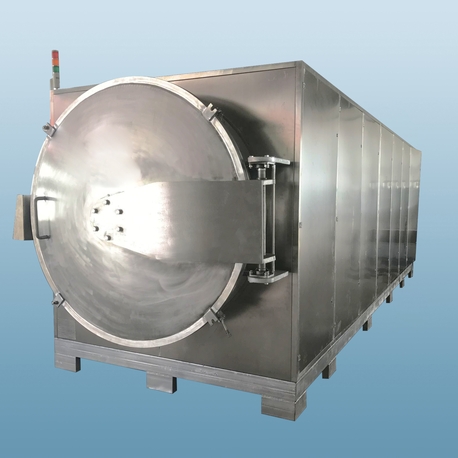
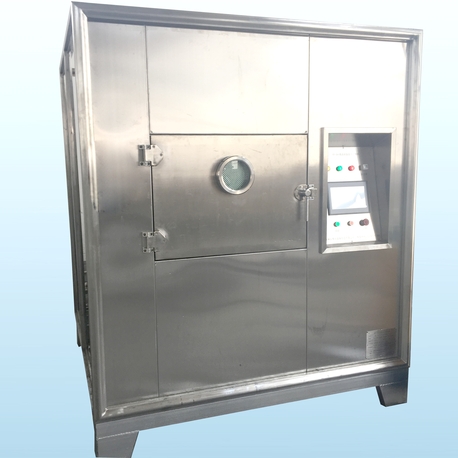
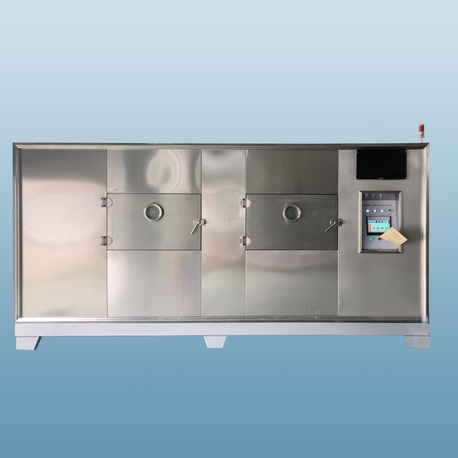
Industrial applications require robust drying hardware designed for
continuous operation, easy sanitization, and precise power control. Depending on
production volume, two primary configurations are commonly deployed: continuous
tunnel belt systems and batch vacuum microwave chambers.
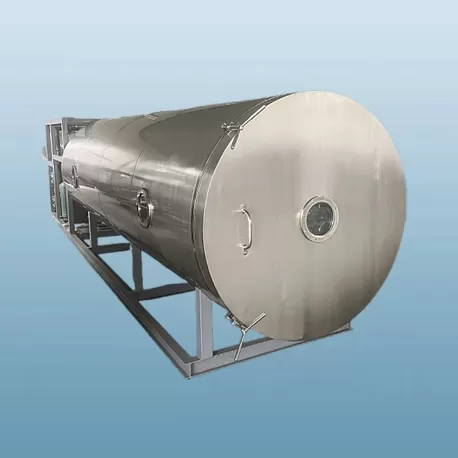
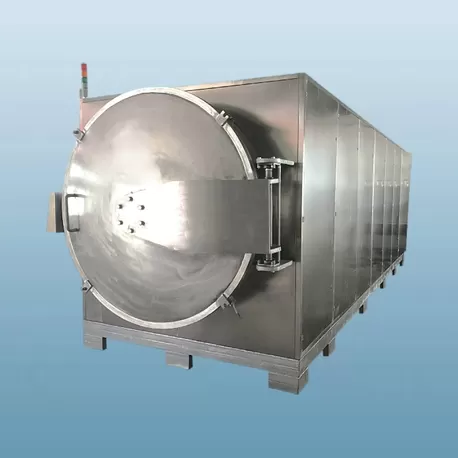
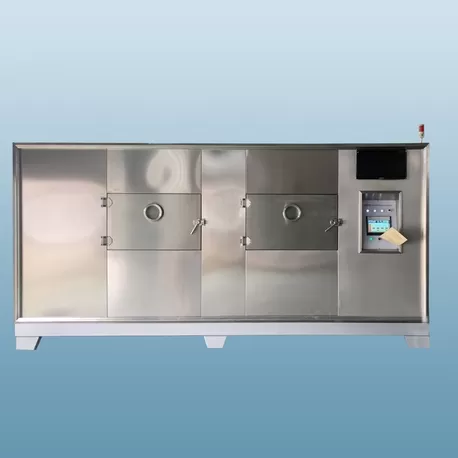
For high-volume operations, a continuous tunnel microwave flower
dryer is often the preferred choice. These systems feature a
motorized conveyor belt made of microwave-transparent materials (such as
Teflon-coated fiberglass) that carries the flowers through a series of resonant
microwave cavities. Multi-point magnetrons are positioned along the tunnel to
distribute electromagnetic energy evenly across the product bed, preventing hot
spots and ensuring uniform moisture removal.
Advanced system builders like Nasan integrate Programmable Logic
Controller (PLC) systems that allow operators to adjust belt speed, magnetron
power output, and exhaust air volume in real time based on feedback from optical
infrared temperature sensors. This level of control is vital for preventing
thermal runaway, an operational challenge where dry areas of the product absorb
microwave energy more rapidly, potentially leading to localized scorching if
left unmanaged.
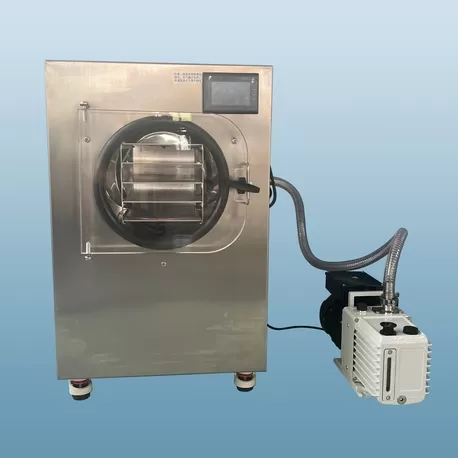
For high-value, heat-sensitive botanicals, combining microwave heating with a
vacuum system offers further advantages. By reducing the ambient pressure inside
the drying chamber, the boiling point of water is lowered significantly (often
below 40°C). This setup allows dehydration to occur at extremely low
temperatures, preserving sensitive volatile oils and pigments at a level
comparable to freeze drying, but at a fraction of the processing time.
Operational Parameters for Botanical Processing
Achieving consistent results with an industrial microwave system requires
careful calibration of several key process parameters. Operators must adjust
their recipes based on the specific physical properties of the incoming
crop.
Initial Moisture Content: Freshly harvested flowers
typically contain 75% to 85% water. The drying system must be designed to remove
the majority of this water during the initial stages of the cycle, when the
product's dielectric loss factor is highest and it can safely absorb higher
microwave power densities.
Target Final Moisture: For safe storage and to prevent
microbial growth, the final moisture content of dried flowers must be reduced to
below 8% to 10%, which corresponds to a water activity (aw) level of less than
0.6.
Power Density Control: As the flower dries, its ability to
absorb microwave energy decreases. The system's PLC must gradually reduce the
applied microwave power (measured in kilowatts per kilogram of wet product)
toward the end of the cycle to avoid overheating the delicate plant
tissues.
Exhaust and Ventilation Management: High-volume centrifugal
blowers must carry away the liberated water vapor quickly. If the humidity
inside the drying chamber rises too high, condensation can form on the chamber
walls or back onto the product, causing re-wetting and surface damage.
By monitoring these variables, commercial processors can establish stable,
repeatable drying recipes that protect product quality across different seasonal
harvests.

Integration of Automated Control Architectures
Modern processing facilities prioritize safety and ease of use. To achieve
this, industrial microwave systems must incorporate several automated safety
systems.
Because microwave energy must be fully contained within the system,
manufacturers install wave reflection suppression devices and highly sealed
entry/exit ports (chokes) at the ends of continuous tunnel systems. These chokes
prevent microwave leakage, keeping ambient radiation levels well below
international regulatory safety limits (such as OSHA and CE standards).
In addition, advanced PLC panels from manufacturers like Nasan feature user-friendly
touchscreens that store multiple product recipes. Operators can switch from
drying delicate jasmine blossoms to denser hibiscus calyces with a single
preset, automatically adjusting conveyor speeds, power distribution, and air
extraction profiles. These automated systems reduce human error and ensure
consistent, batch-to-batch product quality.
Frequently Asked Questions
Q1: Does microwave drying degrade the medicinal properties of active
flower extracts?
A1: Actually, because microwave drying dramatically
reduces processing times compared to hot air drying, thermal exposure is
minimized. Studies show that active ingredients like polyphenols, flavonoids,
and essential oils are often preserved at higher levels compared to conventional
hot-air drying methods.
Q2: How do you prevent uneven drying and hot spots in a continuous
system?
A2: Modern systems prevent hot spots by utilizing a
multi-magnetron configuration that distributes electromagnetic waves from
multiple angles. Additionally, continuous belt movement and integrated PLC
systems monitor surface temperatures via infrared sensors, adjusting localized
power output in real time.
Q3: What safety measures are in place to prevent microwave leakage in
industrial units?
A3: Industrial systems use specialized metal
suppression tunnels (microwave chokes) at the inlet and outlet of the conveyor
belt. These structures absorb and reflect electromagnetic waves back into the
chamber, ensuring that any external leakage remains far below international
safety thresholds.
Q4: Can a microwave dryer handle flowers with different physical
structures, such as rosebuds versus flat petals?
A4: Yes. The system
can be configured for different product types by adjusting the belt speed and
power density. Denser products like rosebuds require lower power densities and
longer exposure times to allow moisture to migrate safely from the core, whereas
flat petals can be dried much more rapidly.
Q5: What maintenance is required for an industrial microwave drying
tunnel?
A5: Daily maintenance involves cleaning the conveyor belt
and interior chambers to prevent organic debris buildup, which can absorb
microwave energy and scorch. Regular checks on magnetron performance, cooling
water systems, and door seals are also recommended to ensure consistent system
efficiency.
Contact Our Engineering Team for Custom Drying Solutions
Transitioning to microwave drying technology can improve your processing
throughput and preserve the valuable natural qualities of your flower and
botanical products. However, matching a system to your specific throughput
requirements, moisture profiles, and facility layout requires careful
planning.
Our engineering team designs custom, industrial-grade drying solutions
engineered for reliability, safety, and consistent moisture control. To discuss
your production needs, receive a detailed system analysis, or request an
engineering consultation, please submit an inquiry through our contact form. A
specialist will reach out to help you design the ideal configuration for your
processing facility.