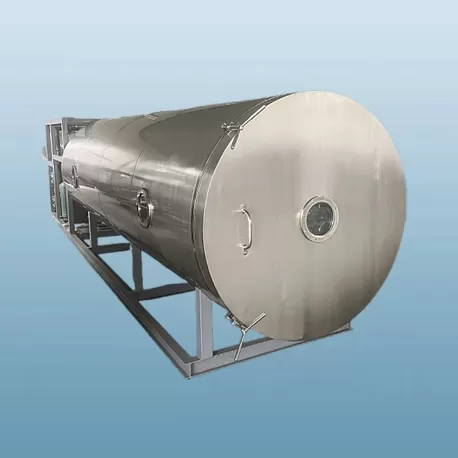
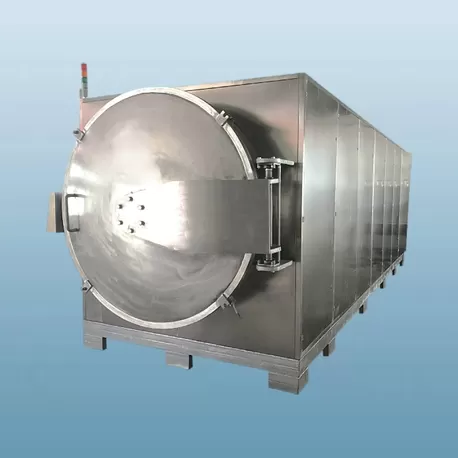
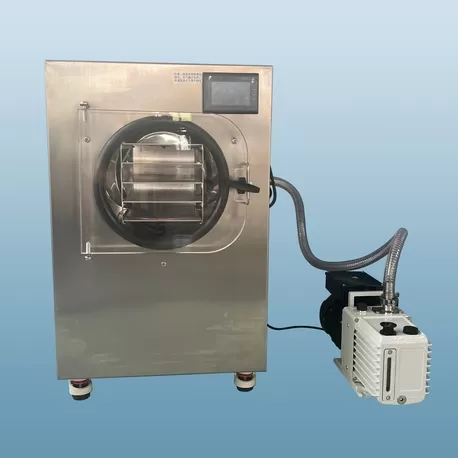
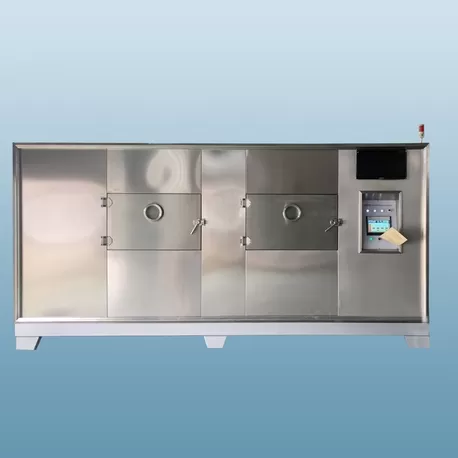
In the world of food processing and preservation, achieving consistent, high-quality dried products is essential. For specialty items like mushrooms, which require precise moisture removal to maintain flavor, nutrition, and texture, a dedicated industrial mushroom dehydrator is a critical investment. This guide explains the technology behind these systems, their advantages, and key selection criteria. Leading manufacturers like Nasan provide robust solutions that meet the rigorous demands of global commercial production.

Unlike simple consumer appliances, an industrial mushroom dehydrator employs controlled, systematic drying. The process is designed to remove water content efficiently without compromising the cellular structure of delicate mushrooms.
Core Technical Principles
The drying cycle involves three main phases. First, a pre-heating stage raises the product temperature. Next, the constant-rate drying period removes surface moisture. Finally, the falling-rate phase carefully extracts bound internal water. Advanced systems use programmable logic controllers (PLCs) to manage this entire process automatically.
Heat and Airflow Dynamics
Uniform drying is the primary challenge. Industrial dehydrators solve this with a combination of precisely directed airflow and even heat distribution. The air is heated and then circulated through stacked trays or conveyor belts holding the mushrooms. This design ensures every piece dries at the same rate, which is vital for batch consistency and preventing spoilage.
Forced Air Circulation: High-efficiency fans ensure no stagnant, moist air pockets remain.
Temperature Zoning: Larger tunnel or belt dryers may have different temperature zones for different drying stages.
Humidity Exhaust: Systems continuously vent moisture-laden air, maintaining a high vapor pressure deficit for efficient drying.
Key Advantages of a Professional Mushroom Dehydrator
Upgrading to a commercial-grade system offers transformative benefits for businesses. The right equipment directly impacts product quality, operational cost, and scalability.
Superior Product Quality and Shelf Life
Precise temperature control preserves heat-sensitive compounds. Mushrooms retain their natural color, potent umami flavor, and nutritional value. Proper drying inhibits microbial growth, extending shelf life to years without artificial preservatives.
Operational Efficiency and Scalability
Industrial dehydrators handle large volumes in a single cycle. They dramatically reduce drying time compared to traditional methods. This efficiency translates into higher throughput and lower energy costs per kilogram of finished product. Companies like Nasan engineer their mushroom dehydrator models for continuous operation, supporting business growth.
High Capacity: Process hundreds to thousands of kilograms per day.
Energy Efficiency: Heat recovery systems and insulated cabinets minimize energy waste.
Labor Savings: Automated loading, drying, and unloading cycles reduce manual handling.
Primary Applications in the Food Industry
The use of specialized drying technology extends across multiple sectors. It supports both bulk ingredient production and value-added consumer goods.
In the culinary ingredient sector, dried shiitake, morel, and porcini mushrooms are staples. Pharmaceutical and nutraceutical companies use dryers for medicinal mushrooms like reishi and chaga to preserve bioactive compounds. The snack industry produces crispy mushroom chips, and pet food manufacturers create natural treats.
Comparing Dehydrator Types for Commercial Use
Selecting the right machine depends on production volume, mushroom type, and desired final product characteristics.
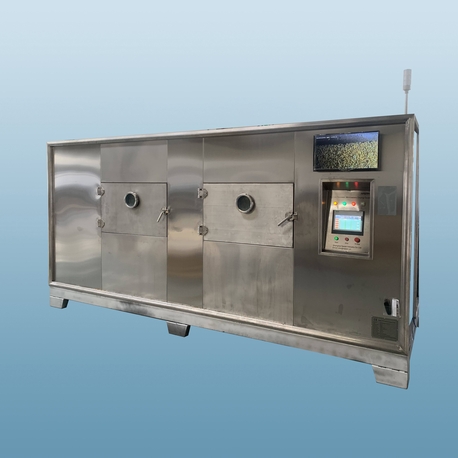
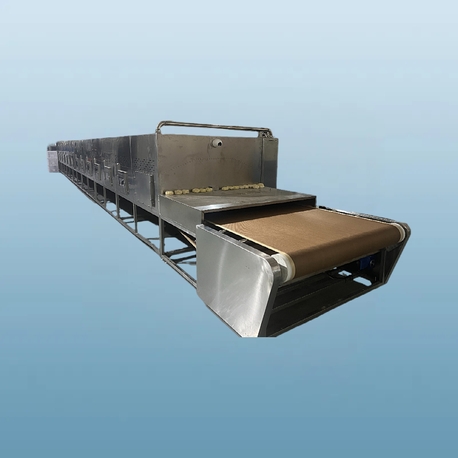
Tray dryers are versatile and ideal for smaller batches or multiple product types. They are often used in facilities with seasonal production. Belt dryers, or conveyor dryers, offer true continuous processing. Fresh product is loaded at one end, and finished dried product exits the other, making them perfect for high-volume, single-product operations.
Heat Pump Technology Integration
Modern advancements include heat pump dehydrators. These systems are exceptionally energy-efficient as they recycle heat within the chamber. They operate effectively at lower temperatures, which is perfect for preserving the most delicate aromas and nutrients in gourmet mushrooms. This technology, featured in some advanced lines, represents a significant step forward in sustainable processing.

Critical Factors for Selecting a System
Making an informed purchase decision requires careful evaluation of several technical and operational factors.
Precise Temperature Range: Ensure the dryer can maintain low temperatures (as low as 30°C for raw foods) and higher ranges for different products.
Uniformity of Drying: Request performance data or conduct a test run to verify consistent moisture content across the batch.
Construction and Materials: Food-grade stainless steel contact parts are mandatory for hygiene, durability, and corrosion resistance.
Compliance and Certification: The equipment should meet relevant food safety and electrical standards for your region and export markets.
Partnering with an established manufacturer is crucial. A provider like Nasan, with expertise in industrial drying, can offer tailored solutions and reliable support, ensuring your mushroom dehydrator becomes a long-term asset.
Frequently Asked Questions (FAQs)
Q1: What is the ideal temperature range for drying mushrooms in a commercial dehydrator?
A1: The ideal range is typically between 40°C and 60°C (104°F - 140°F). Lower temperatures (40-50°C) are best for preserving enzymes and delicate flavors in gourmet varieties, while higher temperatures (up to 60°C) can be used for faster drying of culinary mushrooms. Precise control within this range is a key feature of a professional mushroom dehydrator.
Q2: How long does the drying process take in an industrial machine?
A2: Drying time varies based on mushroom type, slice thickness, humidity, and the dryer's technology. Generally, industrial systems can dry batches in 4 to 12 hours, significantly faster than small-scale units. Continuous belt dryers have a fixed cycle time, often between 5 and 8 hours, as the product moves through the tunnel.
Q3: Can one dehydrator handle different types of mushrooms and other foods?
A3: Yes, a well-designed industrial dehydrator is highly versatile. By adjusting temperature, airflow, and time settings, it can process various mushroom species, herbs, fruits, vegetables, and even meats. Tray-style dryers are particularly adaptable for processing multiple different products in separate batches.
Q4: What are the main maintenance requirements for these dryers?
A4: Regular maintenance includes cleaning air filters and trays to prevent cross-contamination, inspecting and calibrating temperature and humidity sensors, checking fan motors and bearings, and ensuring electrical connections are secure. A preventive maintenance schedule from the manufacturer, like the one offered by Nasan, helps ensure optimal performance and longevity.
Q5: How does an industrial dehydrator ensure consistent moisture content in the final product?
A5: Consistency is achieved through engineering. Uniform horizontal and vertical airflow, precise temperature control in multiple zones, and sometimes in-line moisture sensors work together. These features ensure every part of the load experiences identical drying conditions, resulting in a batch with even moisture levels, typically between 8-12% for mushrooms.
Investing in a high-performance industrial mushroom dehydrator is a strategic decision for any business involved in mushroom processing. It enhances product quality, improves operational efficiency, and enables scalable production. By understanding the technology, applications, and selection criteria outlined here, you can choose a system that delivers a strong return on investment. For reliable and advanced drying solutions tailored to commercial needs, exploring the offerings from experienced manufacturers such as Nasan is a recommended step forward.