

The Complete Guide to Industrial Fruit Dry Technology and Equipment
...
View Details
2026-07-17
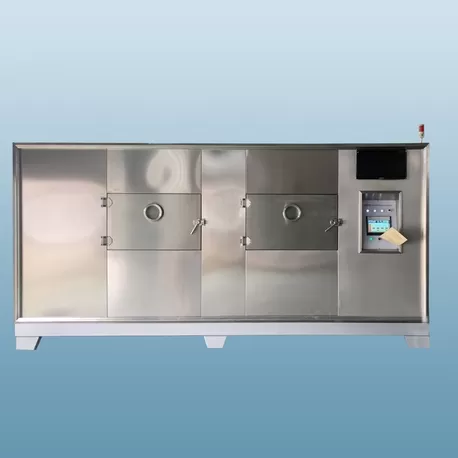
The global market for dried fruit is expanding at a compound annual growth rate (CAGR) of 5.8%, driven by demand for shelf‑stable, nutrient‑dense snacks and ingredients. For industrial processors, the efficiency and consistency of fruit dry operations directly impact product quality, energy consumption, and profitability. Modern drying technologies must balance throughput with preservation of color, flavor, and bioactive compounds. This article examines the engineering principles, equipment selection criteria, and process optimization strategies essential for successful industrial fruit dehydration.
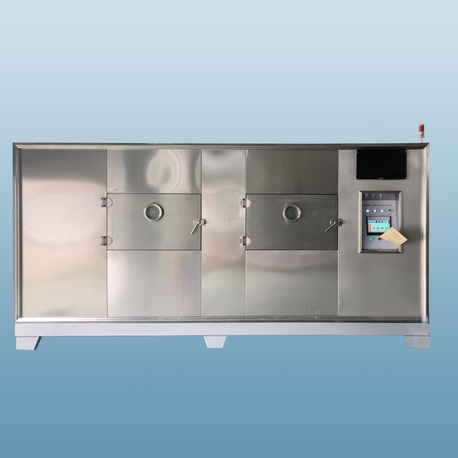
Fruit drying is fundamentally a simultaneous heat and mass transfer process. Water must migrate from the interior to the surface and evaporate into the surrounding air. The key parameter to control is water activity (aw), which determines microbial stability. For most dried fruits, a target aw below 0.60 is required to inhibit mold, yeast, and bacteria. Industrial fruit dry systems must precisely control temperature, humidity, and airflow to achieve this without case hardening—a phenomenon where the surface dries too rapidly, trapping moisture inside and leading to spoilage during storage.
Selecting the right drying technology depends on fruit characteristics, desired end‑product quality, and scale. The main industrial methods include:
Convection hot air drying: The most common method, using heated air (60‑90°C) to evaporate moisture. Suitable for high‑throughput lines but can cause degradation of heat‑sensitive vitamins and enzymatic browning without proper pretreatment.
Heat pump drying: Closed‑loop systems that recover latent heat, achieving energy savings of 30‑50% compared to conventional hot air dryers. They operate at lower temperatures (30‑50°C), preserving color and nutrients—ideal for premium fruits like mangoes and berries.
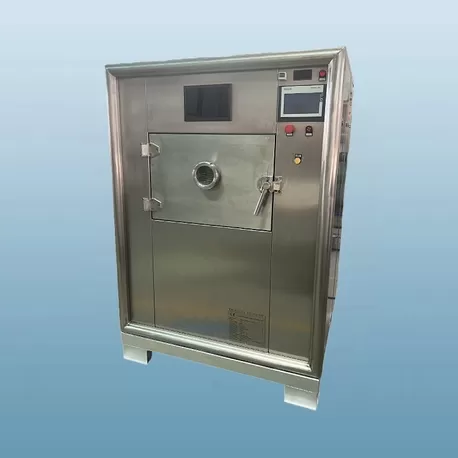
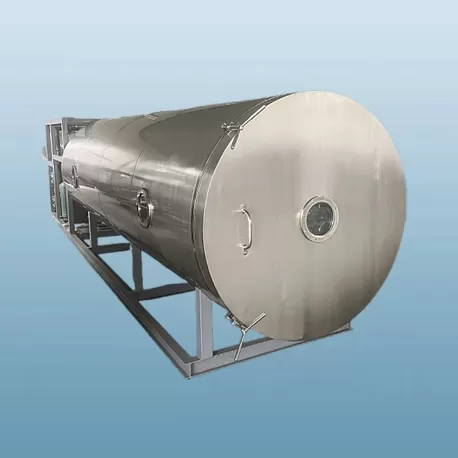
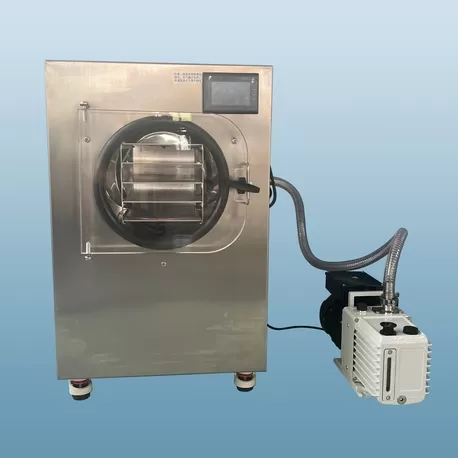
Freeze drying (lyophilization): The gold standard for quality, producing porous, rehydratable products with minimal shrinkage. Used for high‑value fruits (e.g., freeze‑dried strawberries for cereals). However, capital and operating costs are 4‑8 times higher than hot air drying.
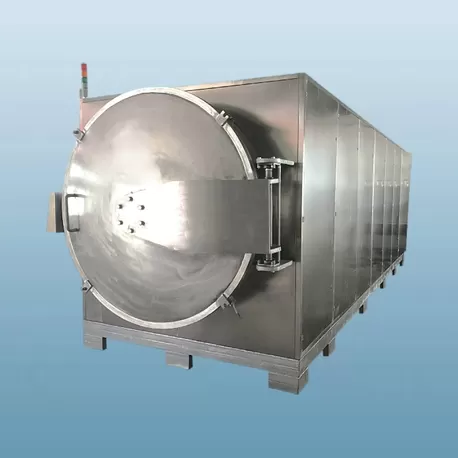
Vacuum drying: Reduces boiling point, allowing rapid drying at low temperatures. Suitable for sticky or sugar‑rich fruits but requires batch processing.
Infrared and microwave drying: Volumetric heating can accelerate drying rates, often combined with hot air to improve efficiency. Used in hybrid systems for specific applications.
Companies like Nasan offer modular heat pump dryers designed for industrial fruit processors, combining energy efficiency with precise environmental control.
Pre‑treatment is critical to prevent quality loss during drying. Common industrial pre‑treatments include:
Blanching: Brief exposure to steam or hot water inactivates enzymes (polyphenol oxidase) responsible for browning. For apples and pears, blanching for 2‑4 minutes significantly improves color retention.
Sulfiting or sulfite alternatives: Sulfur dioxide (SO₂) or sodium metabisulfite is traditionally used to preserve color and inhibit non‑enzymatic browning. With increasing consumer demand for clean label, alternatives like ascorbic acid, citric acid, or honey dipping are being adopted.
Osmotic dehydration: Immersion in concentrated sugar or salt solutions partially removes water before thermal drying, reducing energy consumption and improving texture. This is widely used for tropical fruits like pineapple and papaya.
Edible coatings: Thin layers of alginate, pectin, or chitosan can reduce oxygen exposure and retain volatile aroma compounds during fruit dry processes.
Drying is one of the most energy‑intensive unit operations in food processing, often accounting for 15‑25% of total plant energy use. Optimizing energy consumption directly improves margins. Key strategies include:
Heat recovery: Installing air‑to‑air heat exchangers on exhaust streams can preheat incoming air, recovering up to 20% of energy.
Variable frequency drives (VFDs): Controlling fan and pump speeds to match real‑time drying needs reduces electricity consumption.
Multi‑stage drying: Combining different technologies—e.g., osmotic dehydration followed by heat pump finishing—reduces overall thermal load.
Insulation and air recirculation: Properly insulated drying chambers and recirculation of partially humid air minimize heat losses.
Data from field installations of Nasan heat pump dryers show specific energy consumption as low as 0.8 kWh per kilogram of water removed, compared to 1.5‑2.5 kWh for conventional hot air dryers.

Thermal degradation of vitamins (especially vitamin C), carotenoids, and phenolic compounds is a major concern. To preserve bioactives:
Low‑temperature drying: Heat pump and freeze drying maintain higher retention. For example, studies show vitamin C retention in heat‑pump‑dried kiwifruit exceeds 85%, versus 50‑60% in hot air drying.
Controlled atmosphere: Drying in nitrogen or reduced oxygen environments can limit oxidation of sensitive pigments.
Moisture uniformity: Advanced airflow design ensures all pieces dry at the same rate, avoiding over‑dried (burnt) or under‑dried (mold‑prone) product.
Texture also matters: rapid rehydration capacity is desired for ingredients used in baked goods or instant soups. Freeze‑dried fruits rehydrate almost instantly, while hot‑air‑dried fruits may require longer soaking.
Modern industrial dryers incorporate PLC‑based controls with sensors for temperature, humidity, and product moisture (near‑infrared or capacitance probes). Closed‑loop algorithms adjust belt speed, airflow, and heating in real time. Benefits include:
Reduction of batch‑to‑batch variability
Early detection of equipment malfunction (e.g., heater failure, fan imbalance)
Data logging for traceability and quality assurance (HACCP compliance)
For continuous belt dryers, zone control allows different temperature/humidity profiles along the length, matching the drying curve of the specific fruit. This level of precision is essential for high‑capacity fruit dry lines.
Nasan has implemented over 50 industrial fruit drying systems worldwide. Two illustrative examples:
Mango processing in Thailand: A 5‑stage heat pump dryer reduced drying time from 14 hours to 8 hours while maintaining golden color and reducing energy costs by 42%. The system processes 2 tons of fresh mango daily.
Cranberry dehydration in North America: Integration of osmotic pretreatment with a two‑stage hybrid dryer (hot air + infrared) increased throughput by 30% and produced evenly dried cranberries with chewy texture preferred by consumers.
These cases demonstrate that careful selection and tuning of drying technology directly impact both product quality and operational economics.
Q1: What is the optimal residual moisture content for dried fruit storage?
A1: It varies by fruit type, but generally moisture content should be between 10% and 20% (wet basis), corresponding to water activity below 0.60. For example, raisins are typically 15‑18% moisture, while apple rings are dried to 10‑12%. Accurate measurement using a halogen moisture analyzer is recommended.
Q2: How can I prevent fruit pieces from sticking together during drying?
A2: Sticking is common with high‑sugar fruits. Solutions include: (a) dusting with starch or maltodextrin before drying, (b) using a fluidized bed dryer to keep pieces separated, or (c) applying a light vegetable oil coating. Proper pretreatment and controlled humidity during the initial drying phase also reduce stickiness.
Q3: What is the typical payback period for investing in an energy‑efficient heat pump drying system?
A3: Based on Nasan customer data, payback periods range from 1.5 to 3.5 years, depending on local energy costs, throughput, and the technology being replaced. Higher electricity prices and continuous operation shorten the payback.
Q4: Can the same industrial dryer be used for different types of fruit?
A4: Yes, but adjustments to drying parameters (temperature, airflow, belt speed) are necessary. Multi‑zone dryers with flexible control systems are ideal for processors handling seasonal fruits. However, fruits with very different sizes or sugar contents may require separate drying runs or dedicated lines to optimize quality.
Q5: How does pretreatment with sulfur dioxide affect final product safety?
A5: Sulfites are approved food additives but must be declared on labels, and some individuals are sensitive to them. Maximum residual limits vary by country (e.g., 500‑2000 ppm depending on fruit type). For clean‑label markets, alternative pretreatments like ascorbic acid or honey are gaining traction, though they may have shorter shelf‑life effects.
Q6: What maintenance is required for industrial fruit dryers?
A6: Routine maintenance includes cleaning of heat exchanger coils, fan blade inspection, belt tracking adjustment, and calibration of sensors. For heat pump systems, refrigerant levels and compressor oil should be checked annually. Proper sanitation prevents mold growth inside the dryer, which could contaminate product.
Q7: Is it possible to dry fruit without losing all its vitamin C?
A7: Yes, by using low‑temperature methods like freeze drying or heat pump drying. Vitamin C is heat‑sensitive and water‑soluble; minimizing both temperature and drying time preserves it. Also, reducing exposure to oxygen (e.g., vacuum or nitrogen‑assisted drying) helps retain vitamin C.