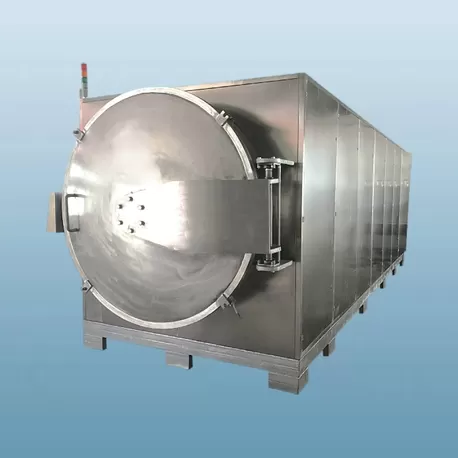
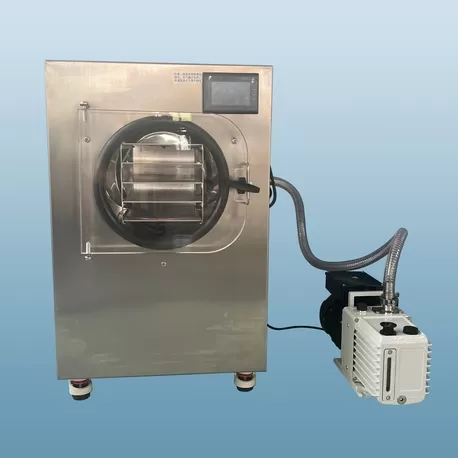
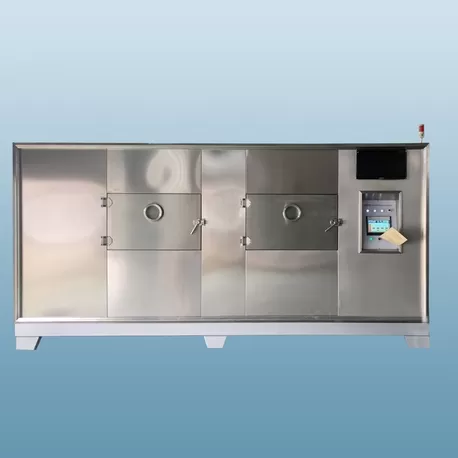
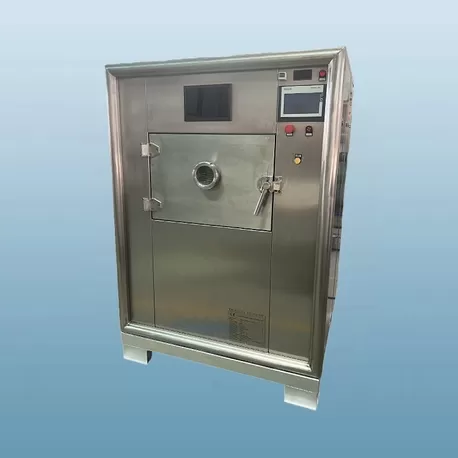
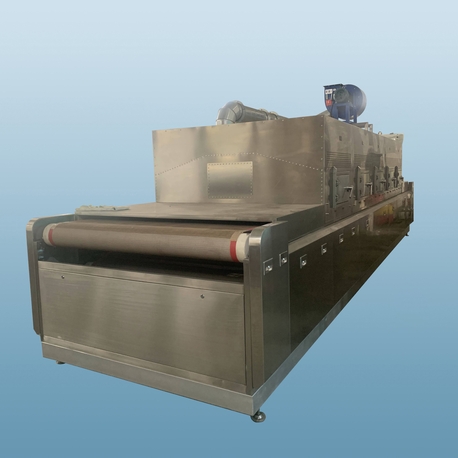
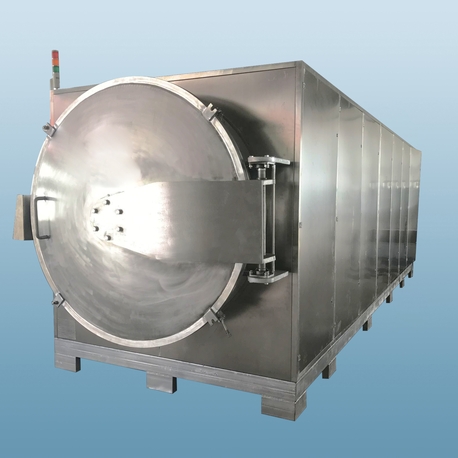
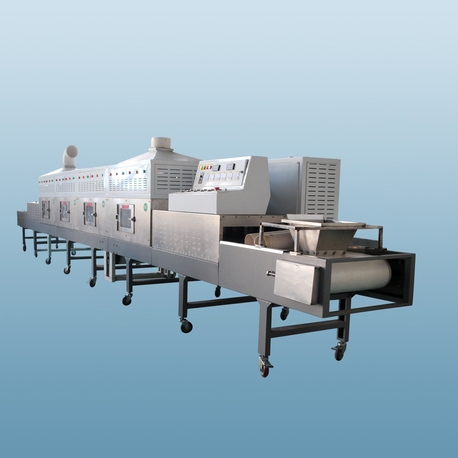
The global demand for dried fruit snacks and ingredients is climbing rapidly. Consumers are looking for healthy, shelf-stable alternatives to sugary candies, and food manufacturers are responding. However, relying on traditional sun drying is no longer feasible for a growing business. It is inconsistent, weather-dependent, and prone to contamination. This is why upgrading to a professional fruit drying machine is a critical step for any producer looking to scale up operations.
Modern dehydration technology allows factories to process tons of fresh produce daily while maintaining strict hygiene standards. Whether you are drying mangoes in Southeast Asia or berries in Europe, the right equipment ensures that the flavor, color, and nutritional value remain intact. Industry leaders and equipment providers, such as Nasan, have been instrumental in developing systems that balance energy efficiency with high output.

For a commercial operation, consistency is money. If one batch of dried apple slices is crispy and the next is chewy, customers will stop buying. A dedicated fruit drying machine gives you precise control over the environment.
You control the temperature. You control the humidity. You control the airflow speed. This level of management eliminates the variables that ruin harvests.
Speed is another major factor. Sun drying can take days or even a week. An industrial dryer can finish the same job in hours. This speed reduces the "work in process" inventory and allows you to get products to market faster.
Hygiene is perhaps the most important selling point. Open-air drying exposes food to dust, insects, and birds. An enclosed machine creates a sanitary environment, which is essential for meeting international food safety standards like HACCP or ISO.
Understanding How the Technology Works
The basic principle of most industrial dryers involves removing moisture through controlled heat and air circulation. However, the engineering behind it is sophisticated.
First, fresh air is drawn into the system. It passes through a heating source—this could be electric heaters, steam exchangers, or a heat pump system.
Fans then circulate this hot air across the fruit trays. The heat causes the water inside the fruit to evaporate on the surface.
The moist air is then expelled from the chamber. In advanced systems, this air passes through a heat recovery unit to pre-heat the incoming fresh air, saving energy.
The goal is to remove water activity to a level where bacteria and mold cannot grow, usually below 10-15% moisture content.
The Role of Heat Pump Technology
In recent years, the heat pump fruit drying machine has become the gold standard for many factories. Unlike traditional electric heating coils which can be expensive to run, heat pumps work by moving heat rather than generating it.
They absorb heat from the surrounding environment and amplify it within the drying chamber. This can reduce electricity consumption by up to 70% compared to conventional resistive heating.
Furthermore, heat pumps operate at lower, more gentle temperatures. This is crucial for premium products. High heat can cook the sugar in the fruit, causing it to turn brown or black. Gentle, consistent warmth preserves the bright, natural colors of products like kiwi, strawberry, and lemon.
Application Areas for Dehydrated Fruit
The utility of these machines extends far beyond just making snack chips.
Confectionery and Baking: Dried fruit chunks are essential for cookies, cakes, and energy bars. Bakers need fruit that has a specific moisture content so it doesn't make the dough soggy.
Tea Blends: Many herbal teas use dried lemon, orange peel, or berries for flavor. These ingredients must be dried to a crisp texture to prevent spoilage in the tea bag.
Powder Production: To make fruit powders for smoothies or flavorings, the fruit must be bone dry so it can be pulverized. A heavy-duty fruit drying machine is the first step in this manufacturing line.
Pet Food: The pet treat market is booming. Sweet potato chews and dried apple treats for dogs are high-margin items produced using this equipment.
Solving the "Uneven Drying" Challenge
A common complaint with cheaper equipment is uneven drying. The fruit near the heater gets burnt, while the fruit in the corners stays wet.
To solve this, manufacturers like Nasan utilize advanced airflow design. They engineer the internal ducting to ensure 360-degree air circulation.
Reversible airflow is a feature found in top-tier machines. The fans alternate the direction of the wind periodically. This ensures that trays on the left and right sides of the chamber receive equal heat exposure.
Proper tray design is also vital. Industrial trays are usually made of food-grade stainless steel mesh. The mesh size must be optimized to allow airflow from the bottom up, without letting small fruit pieces fall through.
The Workflow: From Fresh to Dried
Integrating a fruit drying machine into your factory requires planning the whole line. The dryer is the heart, but the support equipment matters too.
Washing: The fruit must be thoroughly cleaned. Dirt or pesticides will concentrate during the drying process if not removed.
Peeling and Slicing: Uniformity is key. If you have thick slices mixed with thin slices, they will not dry at the same rate. Automatic slicers ensure every piece is the exact same thickness.
Pre-treatment: Some fruits, like apples or bananas, oxidize and turn brown quickly. Dipping them in a lemon juice solution or a light syrup before drying helps maintain color.
Loading: Trays should be loaded evenly. Overloading a tray blocks airflow and slows down the entire batch.
Drying: The machine runs its cycle. This might involve different stages—starting with high heat to drive off surface water, then lowering the heat to slowly remove internal moisture.
Cooling and Packing: You cannot pack hot fruit. It will sweat inside the bag, causing mold. The product must be cooled to room temperature before packaging.
Material Handling and Durability
Industrial environments are harsh. Acidic fruit juices can be corrosive. This is why the construction material of the dryer is non-negotiable.
The interior chamber and the trays should be made of Stainless Steel 304. This material resists rust and corrosion from fruit acids. It is also easy to clean with high-pressure water or steam.
The insulation of the machine body is also critical. If the machine feels hot to the touch on the outside, it is losing heat. Good insulation keeps the heat inside where it belongs, lowering your electricity bill.
Energy Efficiency and Cost Management
Running a drying plant is energy-intensive. Profit margins depend on keeping utility costs down.
As mentioned, heat pump dryers are excellent for energy savings. However, insulation and smart controls also play a part.
Modern PLCs (Programmable Logic Controllers) allow you to set "recipes." For example, a recipe for mangoes might run for 12 hours with varying temperatures. Once the program is finished, the machine shuts off automatically.
This prevents over-drying, which not only wastes electricity but also reduces the weight of the product you sell. You want to sell fruit, not dust.
While hot air is the most common method, some sectors use microwave technology.
Microwave drying is faster. It heats the water inside the fruit directly. This is great for puffing products or when speed is the only priority.
However, for texture and quality that resembles natural sun-dried fruit, hot air or heat pump systems are often preferred. They result in a chewier, more substantial texture that consumers often expect from dried snacks.
Companies like Nasan offer solutions in both categories, helping clients choose the right physics for their specific product goals.
Choosing the Right Capacity
Buying a machine that is too small limits your growth. Buying one that is too big wastes capital.
Capacity is usually measured in kilograms of fresh loading per batch. A small commercial unit might hold 100kg. A large industrial tunnel could hold several tons.
When calculating capacity, consider the water content. A watermelon is 90% water; a banana is 74%. You will get much less finished product from 100kg of watermelon than from 100kg of bananas.
It is often smart to buy modular systems. These allow you to add more drying chambers to the same control unit as your business expands.
Maintenance for Longevity
A well-built fruit drying machine should last for a decade or more, but only with maintenance.
Air filters must be cleaned weekly. Dust from the factory floor can clog the intake, forcing the fans to work harder and burn out.
Door seals need regular inspection. If heat leaks out of the door, your drying times will increase.
Sensors for temperature and humidity should be calibrated once a year. If the sensor is wrong, your product quality will suffer.

Trends in the Dried Fruit Industry
The market is moving toward "clean label" products. Consumers do not want added sugar or sulfur dioxide (a common preservative) in their dried fruit.
This puts more pressure on the drying technology. The machine must be efficient enough to dry the fruit quickly before it spoils, without the need for chemical preservatives.
There is also a trend toward drying "imperfect" fruit. Farmers often discard fruit that looks ugly but tastes fine. Drying this fruit creates a value-added product from what was previously waste. This is a sustainable business model gaining traction globally.
Installation and Technical Support
Installing a large industrial dryer is not like plugging in a toaster. It may require 3-phase power, drainage for the condensate water, and ventilation ducting.
Working with a supplier that offers technical diagrams and installation guidance is vital. You need to know the electrical load requirements before the machine arrives.
Remote troubleshooting is a modern feature to look for. Some systems allow the manufacturer to dial into the machine's PLC via the internet to diagnose issues, saving the cost of a technician visit.
Entering the dried fruit market is a smart business move, but your success hinges on your equipment. A high-quality fruit drying machine transforms perishable crops into stable, high-value commodities. It offers the control needed to produce premium snacks that command higher prices on store shelves.
From energy-saving heat pumps to robust stainless steel construction, the details of the machinery define your daily operational costs and product quality. By choosing a reputable partner like Nasan, you ensure that your production line is built on reliable, efficient technology that supports your business growth for years to come. Investing in the right drying infrastructure today is the best way to secure profitability in the food processing industry tomorrow.
FAQ: Frequently Asked Questions
Q1: How long does it typically take to dry fruit in a commercial machine?
A1: The drying time varies significantly depending on the fruit type, sugar content, and slice thickness. Generally, thinly sliced apples or lemons may take 6 to 10 hours. Denser or wetter fruits like apricots or whole figs can take 12 to 24 hours. A modern machine significantly reduces this time compared to sun drying.
Q2: What is the ideal temperature for drying fruit without cooking it?
A2: For most fruits, the ideal temperature range is between 50°C and 65°C (122°F - 149°F). Temperatures above 70°C can cook the fruit, destroying vitamins and altering the flavor profile. Starting with a slightly higher temperature and lowering it as the fruit dries is a common technique.
Q3: Can I dry different types of fruit in the same batch?
A3: It is not recommended. Different fruits have different moisture levels and absorb strong odors. For example, if you dry onions or Durian with apples, the apples will absorb the smell. Also, drying times will differ, meaning some trays will be over-dried while others are still wet.
Q4: How much energy does a heat pump fruit drying machine save?
A4: A heat pump dryer is extremely efficient. It typically consumes 1 unit of electrical energy to move 3 to 4 units of thermal energy. Compared to traditional electric heating coils or oil-burning dryers, you can expect to save between 50% to 70% on your energy bills.
Q5: How do I clean the machine between batches?
A5: Hygiene is critical. The stainless steel trays should be removed and washed, preferably in an industrial dishwasher or with a pressure washer. The interior floor of the drying chamber should be swept and wiped down to remove any sugary residue or fallen fruit pieces that could harbor bacteria.