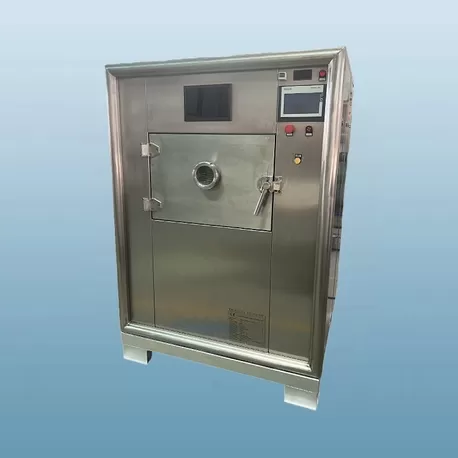

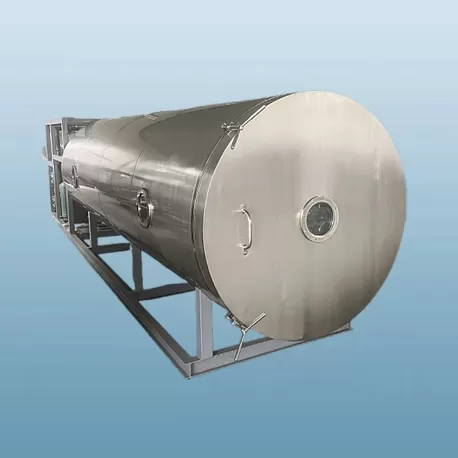
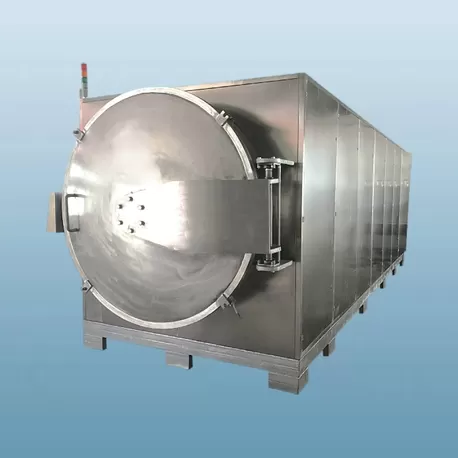
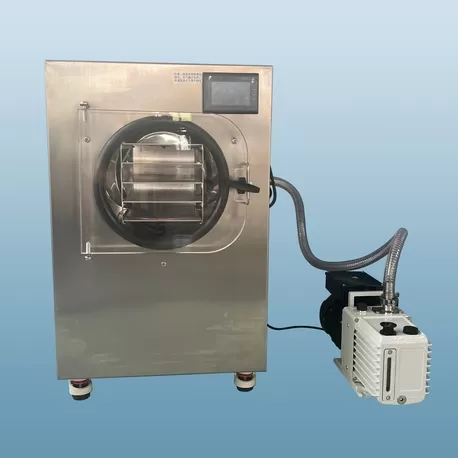
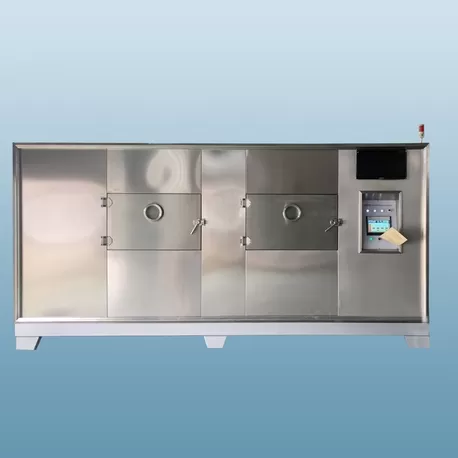
Garlic is a global culinary staple, but its fresh form is perishable and challenging to transport. Converting fresh bulbs into stable, high-value ingredients like powder, granules, or flakes requires precise and efficient drying. An industrial garlic dehydrator is engineered specifically for this demanding task. It removes moisture while preserving the potent allicin compounds, vibrant color, and sharp flavor that define quality. Leading manufacturers like Nasan design these systems to meet the high-volume, consistent output needs of the international food processing industry.
The process is more complex than simply applying heat. Garlic has a high moisture content and sensitive compounds that can degrade. A professional garlic dehydrator manages the entire drying cycle with scientific precision to ensure optimal results.
Industrial dryers control the temperature profile carefully. They often start at a moderate temperature to remove surface moisture without case-hardening the garlic pieces. The temperature is then carefully raised and maintained to drive out internal water. Crucially, the temperature must stay below thresholds that would cook the garlic or cause browning and flavor loss.
Constant, uniform airflow is the silent hero of dehydration. It carries moisture away from the product surface. Industrial systems use powerful, strategically placed fans to create a horizontal or vertical air pattern that passes evenly through all trays or belts. Simultaneously, humidity exhaust systems continuously remove the moist air, maintaining a strong drying potential throughout the chamber.
Moving from traditional sun-drying or small batch units to an industrial system delivers transformative benefits for businesses focused on quality and scale.
Precision control directly impacts the final product. Properly dehydrated garlic retains its white to off-white color. It maintains a sharp, pungent flavor without the bitter, burnt notes that come from uneven drying. The allicin content, responsible for many health benefits, is also better preserved. Every batch meets the same high standard, which is essential for brand reputation.
Time is money in production. An industrial garlic dryer processes hundreds or thousands of kilograms per day. It significantly reduces drying time compared to traditional methods. This high throughput, combined with automated loading and unloading features, lowers labor costs per unit of output. The energy efficiency of modern systems from suppliers like Nasan further reduces operational expenses.
The use of dedicated garlic drying equipment spans several major sectors. It adds value to a raw agricultural product and creates versatile ingredients.
The most common application is producing garlic powder, granules, and flakes for the retail spice and food service industries. These are key ingredients in seasoning blends, soups, sauces, and instant noodles. Processed food manufacturers use dehydrated garlic directly in sausages, canned goods, and frozen meals. There is also growing demand in the nutraceutical sector for garlic powder used in capsules and supplements.
Choosing the right machine depends on your production goals, input format (sliced, minced, granulated), and desired final product characteristics.
Belt (or conveyor) dryers are ideal for large-scale, continuous production of a single product type, like garlic granules. They offer high automation. Tray dryers provide more flexibility for smaller batches or for testing different products. They are easier to clean and maintain, which is important when switching between different types of dehydrated foods.
Heat pump technology is a major advancement for delicate products like garlic. These garlic dehydrator models are exceptionally energy-efficient because they recycle heat within a closed loop. They can operate effectively at lower temperatures with precise humidity control. This results in superior color and nutrient retention, making them a premium choice for high-value garlic products.
Investing in the right equipment requires careful evaluation. Focus on these technical and operational factors to make a sound decision.
Partnering with a reputable manufacturer is critical. A company like Nasan provides not only reliable equipment but also application expertise, helping you configure the optimal garlic dehydrator for your specific production line.
Q1: What is the best temperature to dehydrate garlic without losing its flavor?
A1: The optimal range is between 55°C and 65°C (131°F - 149°F). Temperatures consistently above 70°C (158°F) risk degrading the volatile sulfur compounds that give garlic its characteristic pungency and can cause browning. A precise industrial dehydrator maintains this range throughout the cycle.
Q2: How long does it take to dry garlic in a commercial dehydrator?
A2: Drying time depends on the form factor (slice thickness, granule size) and the dryer's technology. For thin slices (2-3mm), an efficient industrial system can complete drying in 4 to 6 hours. For minced or granulated garlic, the time may be 3 to 5 hours due to the increased surface area.
Q3: Can the same dehydrator process other vegetables?
A3: Absolutely. A well-designed industrial food dryer is highly versatile. With adjustments to temperature, airflow, and time, it can efficiently process onions, leeks, herbs, carrots, and many other fruits and vegetables. This flexibility maximizes the return on your equipment investment.
Q4: What are the critical maintenance tasks for a garlic dryer?
A4: Regular maintenance includes daily cleaning of trays or belts to prevent burnt particle buildup, weekly inspection and cleaning of air filters and fans, periodic calibration of temperature and humidity sensors, and lubrication of moving parts as per the manufacturer's schedule. Consistent maintenance ensures peak performance and longevity.
Q5: What final moisture content should we target for garlic powder?
A5: For garlic powder to be stable for long-term storage and milling, the final moisture content should be between 6% and 8%. This low moisture level prevents caking, inhibits microbial growth, and allows for easy grinding. A professional-grade dehydrator delivers uniform moisture levels across the entire batch to achieve this target.
An industrial garlic dehydrator is a cornerstone of modern food processing, enabling the transformation of a perishable bulb into a versatile, stable, and valuable ingredient. By ensuring precise temperature and airflow control, it safeguards the quality that consumers and food manufacturers demand. For businesses looking to scale production, improve product consistency, and enhance operational efficiency, investing in robust drying technology from experienced providers like Nasan is a decisive step toward growth and market competitiveness.