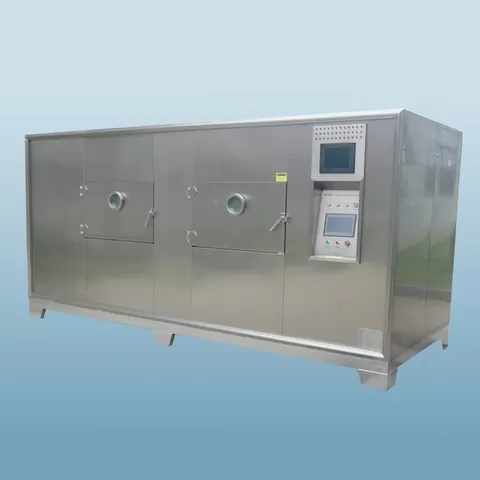
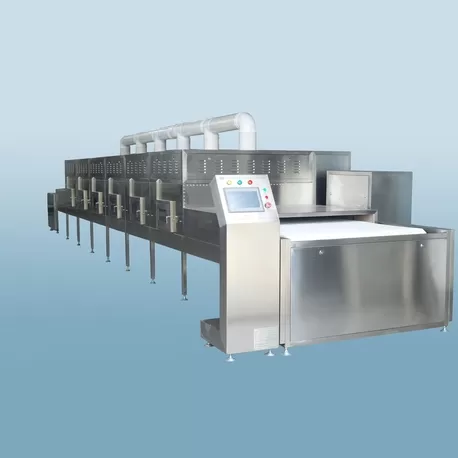
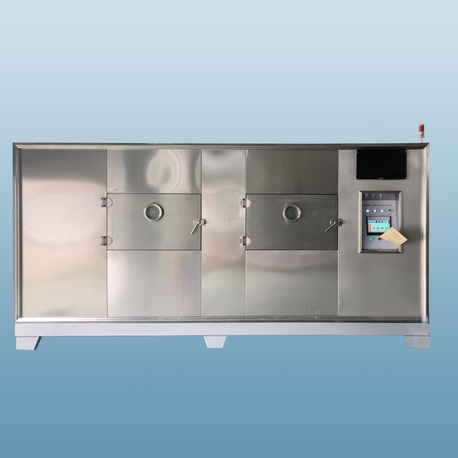
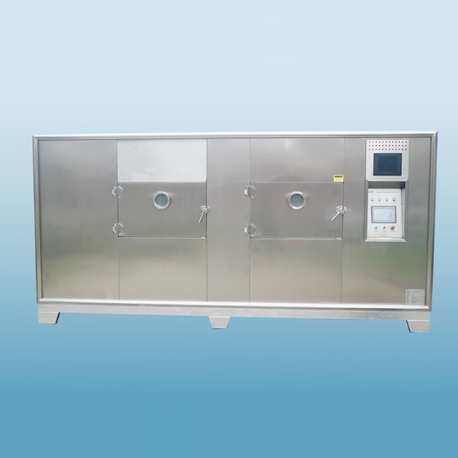
Moisture control remains one of the most critical challenges in industrial processing. Whether you are preserving seasonal fruits, curing meats, or drying pharmaceutical compounds, the equipment you choose determines your final product's quality. A high-performance dehydrator does more than just remove water; it stabilizes the material, extends shelf life, and maintains nutritional value.
Many businesses struggle with outdated drying methods that consume excessive energy and produce inconsistent results. Modern technology has shifted toward precision. Companies like Nasan have recognized this shift, designing systems that prioritize airflow dynamics and energy conservation.
Investing in a commercial-grade dehydrator allows manufacturers to scale their operations without sacrificing quality. This article explores the mechanics, benefits, and selection criteria for industrial drying equipment, ensuring you make an informed decision for your production line.

Relying on sun drying or basic ovens is no longer feasible for commercial standards. These methods often lead to contamination, uneven drying, and spoilage. An industrial dehydrator offers a controlled environment where temperature, humidity, and airflow are precise variables.
This precision translates directly to profit. By reducing waste and ensuring every batch meets quality standards, businesses see a faster return on investment. Furthermore, modern equipment significantly reduces labor costs, as automated systems require less manual monitoring.
Key benefits include:
Consistency: Every tray receives the same amount of heat and air.Speed: Optimized airflow reduces drying cycles by hours or even days.Hygiene: Closed-loop systems prevent dust, insects, and bacteria from entering.Scalability: Modular designs allow you to add capacity as your business grows.
Not all drying machines operate on the same principles. Selecting the right technology depends on your specific raw materials and end-product goals.
The heat pump dehydrator is currently the gold standard for energy efficiency in the industrial sector. Unlike traditional heating elements that generate heat from scratch, a heat pump transfers heat from the surrounding air into the drying chamber.
This method typically consumes only 25% to 30% of the electricity required by conventional electric dryers. Manufacturers like Nasan specialize in this technology, utilizing a closed-loop system that recycles waste heat. This is ideal for sensitive products like herbs and seafood, as it allows for low-temperature drying that preserves color and aroma.
This is the most common type of traditional dehydrator. It uses heating coils (electric, gas, or steam) and fans to circulate hot air over the product. While effective for robust products like wood or certain ceramics, they can be costly to run if not well-insulated.
Hot air systems expel moist air into the environment, which means they constantly need to heat new, incoming air. This results in higher energy bills compared to heat pump systems.
For high-value items like biological cultures or premium coffee, freeze drying is an option. This process freezes the material and then reduces the surrounding pressure to allow the frozen water to sublimate directly from the solid to the gas phase.
While the quality is exceptional, the equipment cost and operational expenses are significantly higher than a standard industrial dehydrator.
When browsing catalogs or speaking with suppliers, specific features separate a mediocre machine from a high-performance unit.
Look for these specifications:
Airflow Design: Horizontal airflow is generally superior to vertical airflow for stacking trays. It ensures the air passes over each tray evenly, preventing the "wet center" issue.Material Quality: The inner chamber and trays should be made of food-grade stainless steel (usually SUS304). This resists corrosion and complies with international food safety standards.Control Systems: A modern dehydrator should feature a PLC (Programmable Logic Controller) touch screen. This allows you to set complex drying curves—for example, starting at a high temperature and lowering it as the product dries.Insulation: Thick, high-density insulation walls are non-negotiable. They keep the heat inside the chamber, ensuring the energy you pay for goes into the product, not the factory floor.
Food safety authorities enforce strict regulations regarding moisture content and water activity (aw). If a product retains too much moisture, it becomes a breeding ground for mold and bacteria.
An industrial dehydrator allows precise control over final moisture levels. By removing free water, you inhibit the growth of microorganisms. This is critical for HACCP (Hazard Analysis Critical Control Point) compliance.
Furthermore, proper dehydration prevents enzymatic browning and oxidation. Advanced units allow you to control humidity levels independently of temperature. This capability is vital for products that develop a hard shell (case hardening) if dried too quickly. A smart dehydrator avoids this by managing the humidity removal rate, ensuring the moisture from the center of the product can migrate to the surface efficiently.
Energy costs often represent the largest ongoing expense in drying operations. A standard electric heating dehydrator can be a massive power drain.
Switching to a heat pump system changes the equation. Because these units move heat rather than generate it, they achieve a Coefficient of Performance (COP) often exceeding 3.0 or 4.0. This means for every 1kW of electricity used, the machine provides 3 to 4kW of heat energy.
Strategies to further reduce energy use:
Load Capacity: Always run the machine at full capacity. Drying half a load uses nearly the same energy as a full load.Insulation Checks: regularly inspect door seals. Leaking air forces the dehydrator to work harder.Waste Heat Recovery: Advanced setups can capture the small amount of exhaust heat from the system to pre-warm incoming air or heat water for the facility.
Brands like Nasan focus heavily on this aspect, engineering their units to retain maximum thermal energy, which significantly lowers the cost per kilogram of dried product.

While food preservation is the most visible application, the utility of a dehydrator extends into various industrial sectors.
Pills, granules, and powders require precise moisture content to ensure stability and proper dosing. A dehydrator in this setting must offer sterile conditions and often needs to meet GMP (Good Manufacturing Practice) standards.
The pet food market is booming, and consumers demand high-quality, preservative-free treats. Dehydrating meat (jerky) kills pathogens while maintaining the chewy texture pets love.
Factories often pay by weight to dispose of waste sludge. A heavy-duty dehydrator can remove up to 80% of the water weight from industrial sludge, drastically reducing disposal costs.
Drying timber reduces warping and cracking. Specialized large-scale rooms act as dehydrators to condition wood before it is turned into furniture or construction materials.
An industrial dehydrator is a significant asset. Proper maintenance ensures it continues to operate at peak efficiency for years.
Routine maintenance checklist:
Clean Air Filters: Clogged filters restrict airflow. This forces the fans to work harder and can overheat the motor. Check these weekly.Inspect Heating Coils/Condensers: Dust buildup acts as an insulator on coils, reducing heat transfer efficiency. Blow these out with compressed air regularly.Check Door Gaskets: The seal around the door must be airtight. If you feel heat escaping around the edges, replace the gasket immediately.Calibrate Sensors: Over time, temperature and humidity sensors can drift. Calibrate them annually to ensure your readouts are accurate.Fan Motor Lubrication: Listen for unusual noises. Bearings should be lubricated according to the manufacturer's manual.
Selecting the right drying equipment is a strategic decision that impacts product quality, operational costs, and production capacity. A modern dehydrator offers the precision and efficiency required to compete in today's global market.
By understanding the differences between heat pump technology and traditional heating, and by prioritizing features like airflow design and intelligent controls, businesses can secure a competitive edge. Manufacturers such as Nasan continue to innovate in this space, providing robust solutions that balance performance with energy savings.
Whether you are drying mangoes, manufacturing pharmaceuticals, or processing pet treats, the right machine changes everything. Focus on long-term value, energy efficiency, and consistent output to ensure your production line runs smoothly and profitably.
Q1: What is the main difference between a commercial dehydrator and a home unit?
A1: A commercial dehydrator is built for continuous, high-volume operation using heavy-duty materials like stainless steel. It features advanced airflow systems, precise humidity controls, and significantly higher power capacity compared to the plastic, low-wattage units designed for occasional home use.
Q2: How much energy does an industrial heat pump dehydrator save compared to an electric one?
A2: Heat pump systems typically save between 60% and 75% of energy compared to traditional electric heating element dryers. While the initial cost is higher, the reduction in electricity bills usually provides a return on investment within one to two years.
Q3: Can one dehydrator machine dry different types of products?
A3: Yes, most industrial units are versatile. However, you must adjust the temperature, humidity, and drying time parameters for each specific product. It is also important to clean the chamber thoroughly between batches to prevent cross-contamination of flavors or allergens.
Q4: How does a dehydrator affect the nutritional value of food?
A4: When operated correctly, particularly at lower temperatures (below 60°C/140°F), a dehydrator preserves most vitamins and minerals. It is superior to canning or high-heat cooking, although there may be some minor loss of Vitamin C due to its sensitivity to heat and air.
Q5: What is the expected lifespan of an industrial dehydrator?
A5: With proper maintenance and regular cleaning, a high-quality industrial dehydrator can last between 10 to 20 years. Components like fans or compressors may need replacement during that time, but the structural integrity and core systems are designed for longevity.