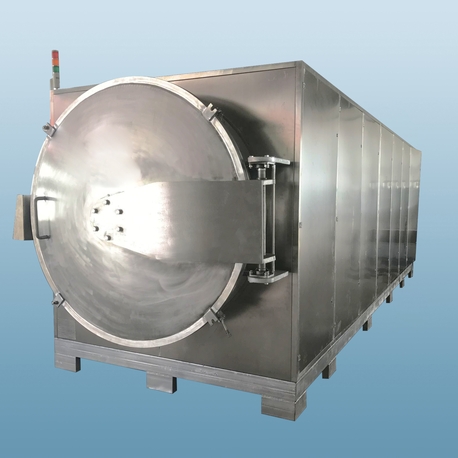

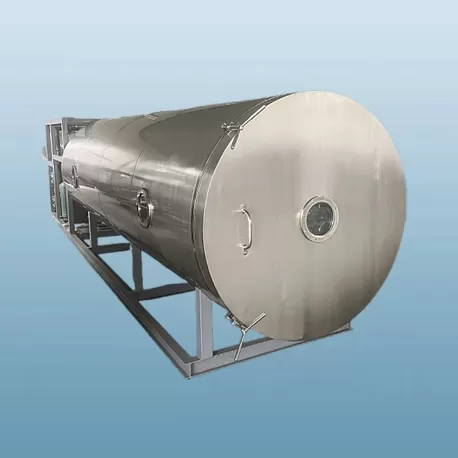
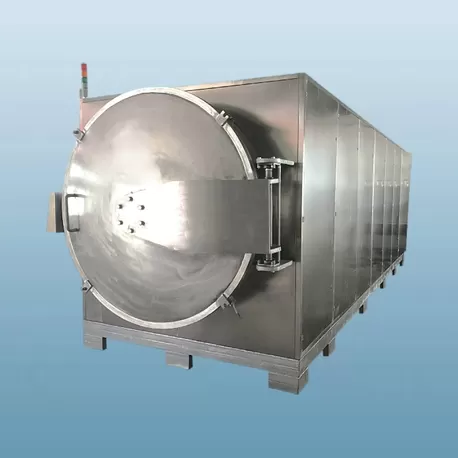
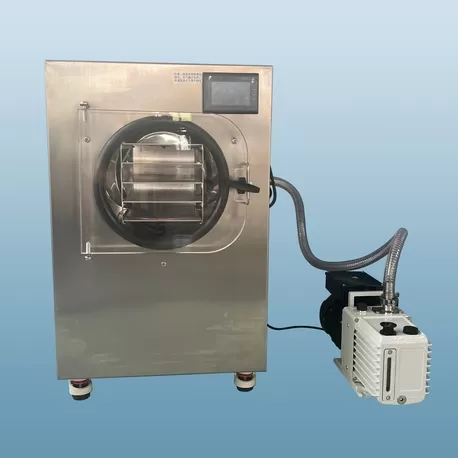
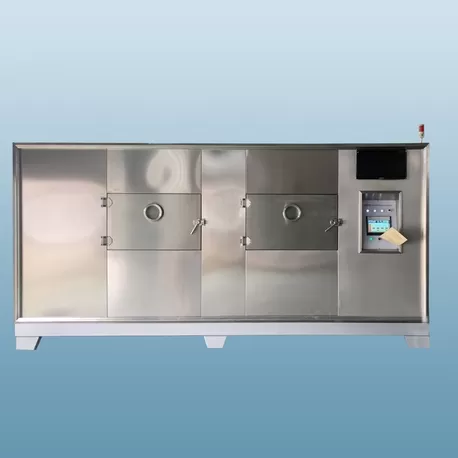
Moisture control is the foundation of modern food preservation. Whether you are producing dried fruits, curing meats, or processing spices, excess water is the primary cause of spoilage. Mold, bacteria, and enzymatic degradation all thrive in damp environments. To stop this, manufacturers must rely on precise drying technology. This is where a high-quality food dehumidifier becomes an essential asset for your production line.
In the past, businesses relied on sun drying or basic ovens. These methods are inconsistent and often result in poor product quality. Today, the industry has shifted toward advanced dehumidification systems. These machines offer control, speed, and energy savings.
Leading manufacturers like Nasan have recognized this shift. They design systems that treat food products gently, ensuring that taste, texture, and nutritional value remain intact. This article explores the technology, benefits, and applications of modern food dehumidification.

Understanding the mechanics behind these machines helps in making better purchasing decisions. A commercial food dehumidifier is different from a standard heater. It does not just blast hot air; it manages the humidity in the air to extract moisture from the food.
The most efficient dehumidifiers use heat pump technology. This works on a closed-loop system. The machine circulates air within a sealed chamber. As the air passes over the food, it absorbs moisture.
This wet air then moves to an evaporator. Here, the air cools down rapidly. The moisture condenses into liquid water and drains away. The air, now dry, passes over a condenser where it warms up again.
Recycling Energy: The system recovers heat during the condensation process.Continuous Cycle: This warm, dry air is blown back over the food to pick up more moisture.Efficiency: This process uses significantly less electricity than heating fresh air from outside.
A major advantage of a modern food dehumidifier is precision. Operators can set specific humidity levels (RH). If you need your beef jerky to reach exactly 15% moisture content, the machine adjusts its operation to hit that target.
Sensors inside the chamber monitor conditions in real-time. When the humidity drops to the desired level, the machine modulates its output. This prevents over-drying, which can make food brittle or flavorless.
Why should a factory switch from traditional ovens to a dedicated dehumidifier? The answer lies in operational costs and product quality. A generic oven cooks the food; a food dehumidifier dries it.
Energy bills are a massive expense for food processors. Traditional hot air dryers vent hot air outside, wasting energy. You are constantly paying to heat new, cold air.
A heat pump food dehumidifier recycles the air. It captures waste heat and reuses it.
Cost Savings: Many users report reducing their energy bills by 50% to 70%.Lower Connection Load: You often do not need heavy-duty electrical infrastructure compared to resistive heaters.
High heat destroys nutrients. It ruins Vitamin C in fruit and changes the color of herbs from bright green to dull brown.
Dehumidifiers operate at lower to medium temperatures (typically 20°C to 80°C). This gentle approach mimics natural air drying but at a much faster rate. Brands utilizing equipment from Nasan often find their dried goods retain better color and aroma, which commands a higher price in the market.
Drying in the open air exposes food to dust, insects, and bird droppings. It is a safety nightmare.
A food dehumidifier operates in a closed chamber. The environment is controlled and clean. Furthermore, the condensation process removes water physically, denying bacteria the environment they need to reproduce. Stainless steel trays and racks ensure the equipment meets strict hygiene standards.
The versatility of this technology allows it to serve various sectors within the food industry. From pet food to premium teas, the food dehumidifier is a workhorse.
This is the most common application. Producers slice mangoes, apples, pineapples, and tomatoes for drying. The goal is to remove water without cooking the fruit.
Dried Snacks: Healthy fruit chips require a crisp texture.Powders: Vegetables are dried and ground into powders for soups and seasonings.Consistency: The machine ensures every slice dries at the same rate.
Curing meat requires removing moisture to prevent rot. Making sausages, prosciutto, or fish maw demands precise humidity control. If the air is too dry, the outside of the meat hardens while the inside remains rot. This is called "case hardening."
A professional food dehumidifier controls the drying curve. It lowers humidity gradually. This allows internal moisture to migrate to the surface, ensuring the meat cures evenly from the center out.
Herbs like mint, basil, and tea leaves are very sensitive. High heat burns off their essential oils. Once the oil is gone, the flavor is gone.
Dehumidifiers use low-temperature drying to preserve these oils. The result is a dried herb that smells just as potent as the fresh plant. This is crucial for the premium tea market and essential oil extraction industries.
To understand the value proposition, we must compare this technology against other common methods.
Sun drying is free, but it is slow and risky.
Speed: A food dehumidifier finishes a batch in 12-24 hours. Sun drying takes days.Reliability: Sun drying depends on the weather. A machine runs 24/7, regardless of rain.Waste: Sun drying often has high spoilage rates due to contamination.
Freeze drying produces excellent quality but at an extreme cost.
Cost: Freeze dryers are 5 to 10 times more expensive to buy and run.Usage: Freeze drying is only viable for very high-value products (like astronaut food or pharmaceuticals).Practicality: For most commercial snacks (jerky, dried fruit), a food dehumidifier offers the best balance of quality and ROI.
Ovens are built for baking, not drying.
Efficiency: Ovens waste energy by venting heat.Quality: Ovens tend to cook the sugar in fruit, creating a caramelized taste that is not always desired in dried products.

Selecting the correct machine requires analyzing your production needs. Not all dehumidifiers are built the same.
You must calculate your daily throughput. How many kilograms of fresh product do you have? A small cabinet dryer fits 100kg, while a large belt system handles tons.
Airflow is critical. If the air does not reach the center of the stack, the food there will rot. Look for machines with advanced airflow circulation designs. Nasan engineers their units to ensure uniform air distribution, eliminating "dead zones" in the drying chamber.
Food processing environments are harsh. Acids from fruit and salt from meat can corrode metal.
Material: Ensure the inner chamber and trays are made of food-grade 304 stainless steel.Insulation: Thick insulation panels prevent heat loss and keep the exterior cool to the touch.
Modern processing relies on data. Look for a food dehumidifier with a PLC (Programmable Logic Controller) touch screen.
Recipes: You should be able to save settings for different products.Automation: The machine should stop automatically when the cycle is done.Monitoring: Some advanced units allow remote monitoring via mobile apps.
To keep your food dehumidifier running efficiently for years, regular maintenance is required. These machines are durable, but they are not indestructible.
The heart of the machine is the refrigeration system. If the air filters get clogged with dust, the airflow drops. The compressor has to work harder, which shortens its life.
Routine: Check filters weekly.Coils: Clean the evaporator and condenser coils every few months to maintain heat exchange efficiency.
The drying chamber must be airtight. Over time, the rubber gaskets on the doors can wear out or crack. If air leaks in, the humidity control becomes inaccurate. Replace seals as soon as they show signs of wear.
The machine relies on its humidity and temperature sensors. If these drift, your product quality will suffer. Calibrate your sensors annually to ensure the reading on the screen matches the reality inside the chamber.
The transition from traditional drying methods to modern dehumidification is essential for any food business aiming for scale and quality. A robust food dehumidifier provides the consistency needed to build a reputable brand. It reduces waste, lowers energy overheads, and delivers a superior final product that appeals to health-conscious consumers.
Investing in this technology is not just about buying a machine; it is about upgrading your entire production philosophy. It moves you away from relying on the weather and toward a controlled, scientific process.
Whether you are a startup making artisanal treats or a large factory exporting globally, choosing the right partner matters. Companies like Nasan offer the expertise and reliable hardware necessary to optimize your drying operations. By integrating a high-performance dehumidifier into your workflow, you ensure that your food products remain safe, delicious, and profitable.
Q1: What is the difference between a food dehumidifier and a standard food dehydrator?
A1: While the terms are often used interchangeably, a food dehumidifier typically refers to commercial-grade equipment that uses heat pump technology to actively extract moisture and drain it away. A standard home dehydrator usually uses a simple heating element and a fan to blow hot air, which is less energy-efficient for large-scale operations.
Q2: How much energy can I save by switching to a heat pump food dehumidifier?
A2: Most industrial users see energy savings of roughly 40% to 70% compared to traditional oil, gas, or electric resistance dryers. The system recycles latent heat, meaning you do not have to constantly pay to heat up new air from scratch.
Q3: Can a food dehumidifier dry meat for pet treats?
A3: Yes, it is excellent for this purpose. The machine can maintain lower temperatures necessary to preserve the protein structure while effectively removing moisture to prevent spoilage. This creates a shelf-stable product that retains the meaty aroma pets love.
Q4: Does Nasan offer custom sizes for their drying equipment?
A4: Yes, Nasan manufactures a range of sizes, from small batch units for boutique producers to large continuous belt dryers for industrial factories. They can often customize tray configurations and chamber dimensions to fit specific facility layouts.
Q5: How do I know the correct drying time for my product?
A5: Drying time depends on the water content, sugar content, and thickness of the slice. For example, thin apple slices might take 6-10 hours, while whole figs could take 20+ hours. We recommend running small test batches and recording the results to establish a standard "recipe" for your specific food dehumidifier