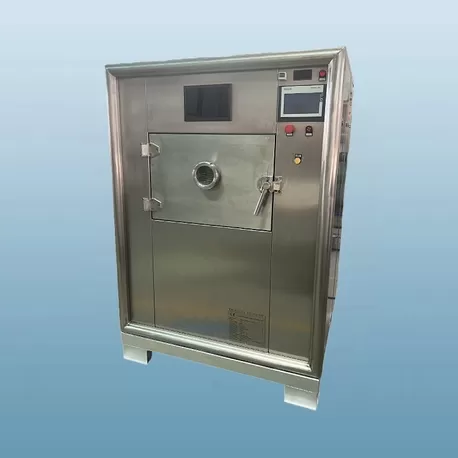
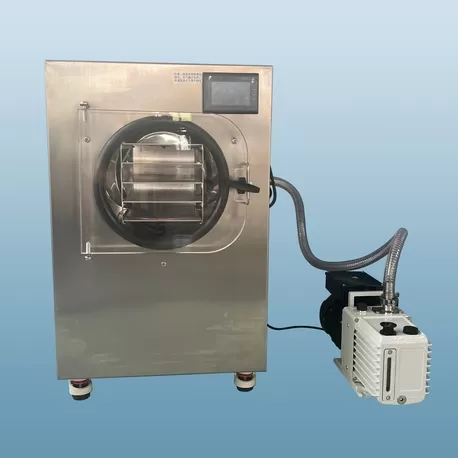
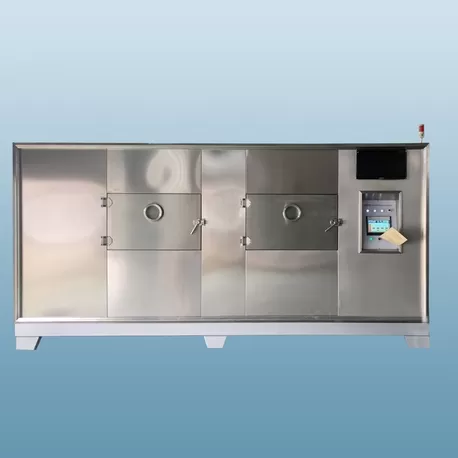
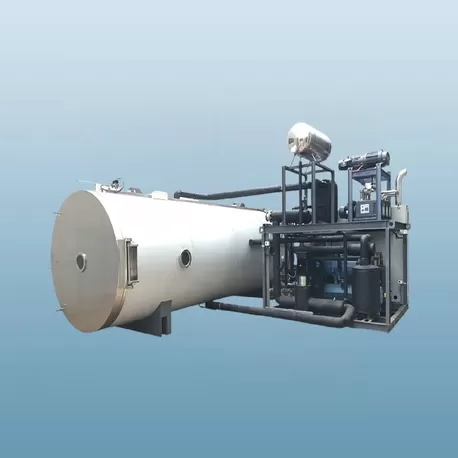
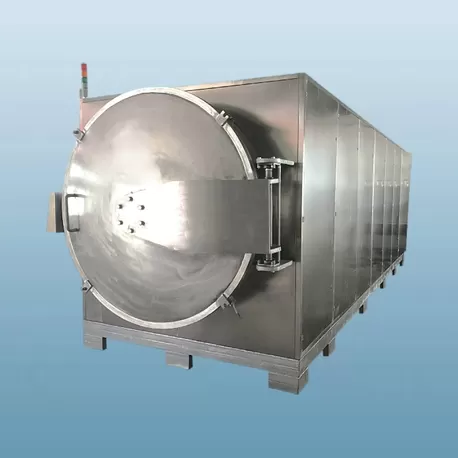
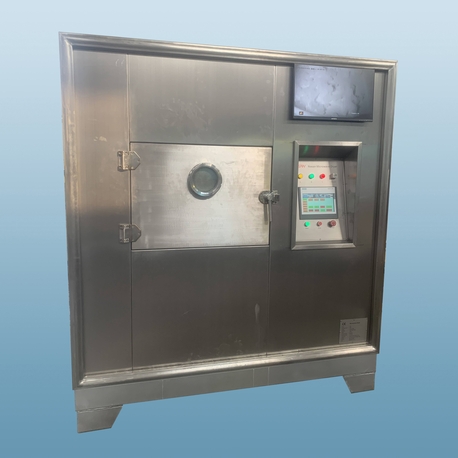
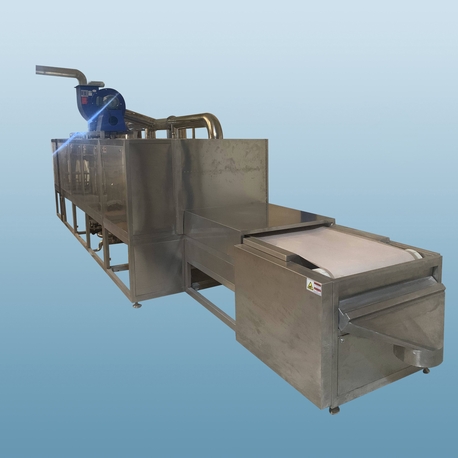
For food manufacturers and agricultural processors, the margin between profit and waste is often defined by shelf life. Fresh produce and raw meats are volatile assets. Without immediate processing, they spoil. This is where the implementation of a robust commercial dehydrator becomes the backbone of a successful operation.
Unlike freezing or canning, dehydration preserves the structure and concentrated flavor of the product while significantly reducing shipping weight. This method has evolved from simple sun-drying to sophisticated, controlled environments that guarantee consistency.
Whether you are a startup scaling up a beef jerky business or an established agricultural firm looking to reduce harvest waste, the equipment you choose dictates your product quality. Brands like Nasan have recognized that modern facilities require more than just hot air; they need precision, energy efficiency, and scalability.
This article examines the operational mechanics, benefits, and strategic implementation of industrial drying technology to help you make informed production decisions.

Moving from a kitchen-sized setup to an industrial line is a significant leap. Small units lack the airflow consistency required for safety regulations.
In a professional setting, achieving a specific water activity (aw) level is a legal safety requirement, especially for meats. A commercial dehydrator is engineered to reach these targets across thousands of pounds of product simultaneously.
Uniformity is the primary advantage. In a lower-grade unit, trays near the heater dry faster than those further away. This leads to product loss or safety risks. Industrial machines utilize complex airflow designs to ensure the beef jerky in the bottom left corner dries at the exact same rate as the mango slices in the top right.
Furthermore, these machines allow for batch scheduling. A business can predict exactly when a cycle will finish, allowing for optimized labor shifts and packaging schedules.
The Science of Water Activity and Preservation
To understand the machinery, one must understand the goal: reducing water activity. Microorganisms like bacteria, yeast, and mold need water to reproduce.
By removing moisture, you essentially starve these organisms. However, simply applying heat is not enough. If the heat is too high, you cook the food. If it is too low, the bacteria survive.
A professional system manages the relative humidity within the chamber. As moisture leaves the food, the air inside becomes saturated. If this wet air isn't removed or conditioned, the drying stops.
Advanced sensors in a commercial dehydrator constantly monitor this humidity. They adjust air intake and exhaust dampers automatically to maintain the most efficient drying curve.
Airflow Dynamics in a Commercial Dehydrator
The engine of any drying system is its airflow management. There are generally two types of airflow in industrial units: vertical and horizontal.
Vertical airflow is common in smaller, round units but is inefficient for large scale operations. The air must pass through one tray to get to the next, transferring flavors and moisture.
Horizontal airflow is the standard for industrial applications. Fans blow air across the trays from the back or sides. Each tray receives fresh, heated air.
This prevents flavor transfer. You can dry spicy peppers on one rack and mild herbs on another without cross-contamination.
It also speeds up the process. Constant movement of dry air over the surface of the food accelerates evaporation, reducing the energy cost per pound of finished product.
Energy Efficiency and Heat Pump Technology
Energy consumption is the highest operational cost in dehydration. Traditional electric coil heaters are effective but can be expensive to run 24/7.
This is why the industry is shifting toward heat pump technology. A heat pump commercial dehydrator functions like a reverse air conditioner/refrigerator. It extracts heat from the ambient air (or recycles waste heat from the exhaust) and upgrades it to dry the food.
This closed-loop system is incredibly efficient. It retains the latent heat usually lost through exhaust vents.
Companies such as Nasan specialize in these high-efficiency systems. By reducing the electricity bill, the ROI on the machine is accelerated. Additionally, closed-loop systems are excellent for hygiene as they do not suck in dirty outside air, keeping the drying environment sterile.
Optimizing the Workflow for Maximum Throughput
Owning the machine is only half the battle. How you feed the machine determines your output.
Preparation is key. Slicing must be uniform. A slice of apple that is 5mm thick will dry much faster than one that is 7mm thick. If you mix sizes, you force the machine to run longer for the thickest pieces, over-drying the thin ones.
Tray Loading. Operators often make the mistake of overlapping products to fit more in. This blocks airflow. It creates "dead zones" where moisture gets trapped. It is more profitable to run a lighter load that dries in 6 hours than a heavy, overlapped load that takes 12 hours and results in uneven quality.
Cooling. Once the cycle is done, the product must cool before packaging. If you package hot food, condensation forms inside the bag, reintroducing moisture and inviting mold.
Applications Across Different Sectors
The versatility of these machines is vast.
Meat Processing: Jerky, biltong, and salami require strict temperature controls. The machine must often hit a "lethality" temperature at the start to kill pathogens, then drop to a drying temperature.
Pet Treats: This is a booming industry. Dehydrated organ meats, sweet potatoes, and chicken feet are popular. These products are dense and require long, low-temperature cycles to dry the center without burning the outside.
Herbs and Spices: These are delicate. High heat destroys the essential oils that provide flavor and aroma. A commercial dehydrator allows for low-temperature settings (around 95°F or 35°C) to preserve the green color and potency.
Waste Reduction: Farmers use these machines to process "ugly" fruit that supermarkets won't buy. Dehydrated fruit slices or powders (for smoothies) turn a waste product into a high-margin SKU.

Avoiding Case Hardening in a Commercial Dehydrator
A common issue in industrial drying is "case hardening." This happens when the surface of the food dries and forms a hard crust before the internal moisture escapes.
The moisture inside is then trapped. To the touch, the product feels dry. However, a few days later in the package, the internal moisture migrates out and rots the food.
This usually happens when the temperature is set too high initially. The exterior cauterizes.
To prevent this, sophisticated machines use humidity controls. By keeping the humidity slightly higher in the beginning, the surface pores remain open, allowing internal moisture to wick out. Only toward the end of the cycle should the air become very dry.
Material Standards and Maintenance
In the food industry, hygiene is non-negotiable.
The standard construction material is 304 stainless steel. It is resistant to rust and corrosion caused by fruit acids and meat salts. It also withstands the harsh chemicals used during cleaning.
Plastic trays are common in hobby units but are less desirable in commercial settings due to durability issues and potential chemical leaching at high temperatures.
Maintenance routines must be strict. Fans attract dust. Heating elements can build up residue.
Daily cleaning of the chamber floor is required to remove crumbs that could burn or attract pests. Door seals should be checked weekly. A leaking door seal ruins the airflow balance and leaks expensive heat.
Choosing the Right Size and Configuration
Sizing a machine is a mathematical exercise. You must calculate your raw weight versus your finished weight.
If you have 1,000 lbs of raw apples, and they contain 85% water, you are looking to remove roughly 800 lbs of water. You need a machine capable of holding that volume and an airflow system capable of carrying that much moisture away.
Modular systems are often the best choice for growing businesses. You can start with one chamber and add more modules as sales increase.
Also, consider the physical footprint. These machines are large. You need space not just for the unit, but for the loading carts, the prep tables, and the packaging area.
The Role of Smart Controls
The days of manual dials are fading. Modern industrial drying requires data.
Programmable Logic Controllers (PLCs) allow you to save recipes. You can have a "Mango" profile and a "Beef" profile. This reduces operator error. A new employee simply selects the profile and presses start.
Data logging is also crucial for audits. If a health inspector asks for proof that your jerky hit the kill step temperature on a specific batch from three months ago, a smart commercial dehydrator can pull that data log.
Investing in the right drying infrastructure is a pivotal moment for any food production business. It transitions an operation from manual, variable processes to automated, consistent manufacturing.
The market demands high-quality, shelf-stable products without preservatives. Dehydration is the natural answer to this demand. However, the efficiency of the process depends entirely on the equipment.
From understanding airflow dynamics to selecting energy-efficient solutions like those offered by Nasan, every detail matters. By focusing on moisture control, consistent maintenance, and proper workflow, a commercial dehydrator becomes a profit-generating engine that ensures your harvest or product reaches the customer in perfect condition.
Q1: How do I calculate the drying time for different products?
A1: Drying time depends on water content, slice thickness, and humidity. High-water fruits like watermelon may take 12-16 hours, while herbs might take 4-6 hours. The only accurate way to determine this is through testing. Run a small batch, weigh the product hourly, and record when the weight stabilizes. This establishes your baseline standard operating procedure.
Q2: What is the difference between a dehydrator and a freeze dryer?
A2: A commercial dehydrator uses heat and air circulation to remove about 90-95% of moisture, resulting in a chewy or crunchy texture (like jerky or dried fruit). A freeze dryer freezes the food and uses a vacuum to sublimate the ice, removing 98-99% of moisture. Freeze-dried food retains its original shape and rehydrates instantly, but the equipment is significantly more expensive to buy and operate.
Q3: Can I mix different types of food in one load?
A3: Technically yes, but it is not recommended. Different foods have different drying rates and humidity releases. Drying onions with apples will likely result in onion-flavored apples. Additionally, the moisture released by the fruit might slow down the drying of the onions. It is best to batch similar products together.
Q4: How much energy does a commercial unit consume?
A4: This varies by technology. A standard electric resistance dryer might use 10kW to 50kW per hour depending on size. However, heat pump dryers are much more efficient, often using 50% to 70% less energy than traditional resistance heaters. While the upfront cost of a heat pump is higher, the operational savings usually pay for the difference within two years.
Q5: How often should I calibrate the sensors?
A5: Temperature and humidity sensors should be calibrated at least once every six months, or anytime you notice inconsistent results. If the machine reads 160°F but the actual temperature is 140°F, you risk food safety violations. Use an independent, high-quality thermometer to verify the machine's internal readings regularly.