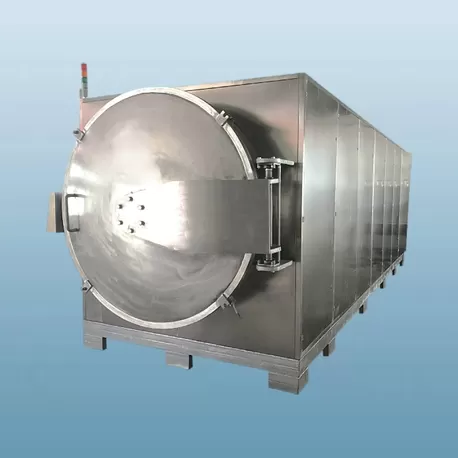
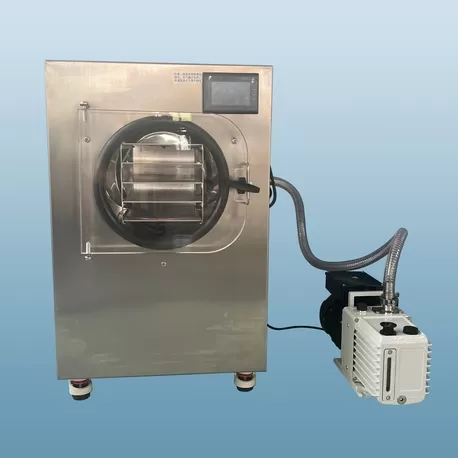
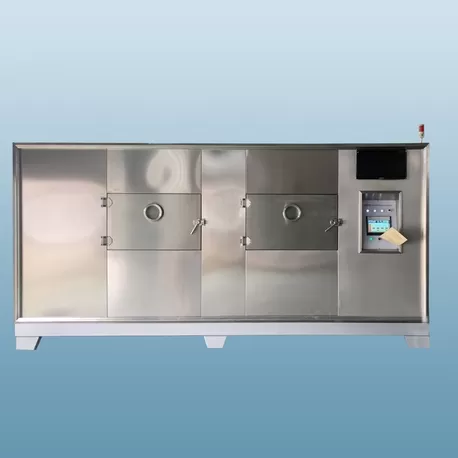
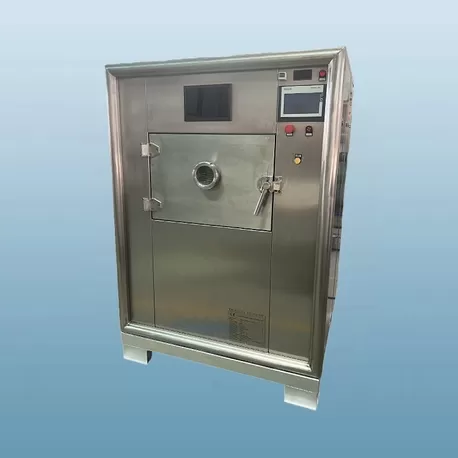
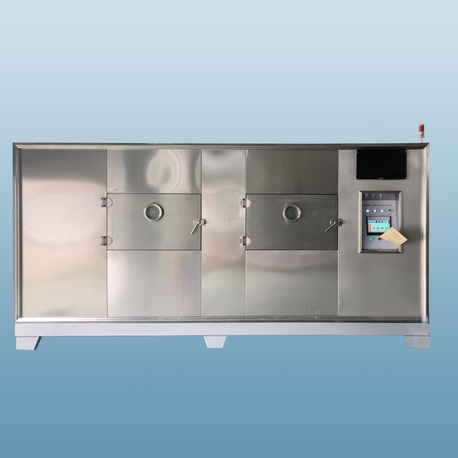
The global snack market is witnessing an unprecedented surge in demand for high-protein, clean-label products. At the heart of this movement is the meat snack industry, where the quality of the final product depends almost entirely on the efficiency of the thermal processing equipment. For any facility looking to scale, investing in a high-grade beef dehydrator is not merely a purchase; it is a strategic move to ensure food safety and flavor consistency.
Leading manufacturers, such as Nasan, have spent years refining the thermodynamics required to transform raw protein into shelf-stable snacks. In the industrial world, we don’t just "dry" meat; we manage water activity levels to inhibit microbial growth while preserving the structural integrity of the fibers. This requires a level of precision that household appliances simply cannot match.
Understanding the engineering behind these machines is essential for plant managers and business owners. If you are moving from small-batch artisanal production to high-volume industrial output, you need to look beyond the price tag and focus on the technical specifications that drive long-term ROI.

1. Precision Temperature Management and Microbial Safety
The primary goal of a professional beef dehydrator is to ensure food safety. When dealing with raw meat, the "danger zone"—between 40°F and 140°F—is where bacteria like Salmonella and E. coli thrive. Industrial units must be able to reach and maintain specific lethality temperatures quickly to kill pathogens.
Unlike hobbyist models, commercial systems use advanced PID (Proportional-Integral-Derivative) controllers. These systems monitor the internal environment in real-time and adjust heat output to prevent fluctuations. A steady temperature ensures that the meat doesn't develop "case hardening," where the outside dries too fast and traps moisture inside, leading to spoilage.
Consistent heat distribution is the hallmark of a high-end system. If one corner of your cabinet is five degrees cooler than the center, your entire batch is at risk. This is why seasoned industry professionals prioritize machines that offer documented temperature uniformity across all rack levels.
2. Horizontal Airflow vs. Vertical Airflow Dynamics
In the world of industrial drying, the direction of air movement determines the uniformity of the product. Vertical airflow, common in round, stackable units, often leads to uneven drying. The bottom trays get the most heat, while the top trays remain moist.
For a serious beef dehydrator, horizontal airflow is the industry standard. This design usually features a rear-mounted fan assembly that blows air across each tray individually. This "parallel flow" ensures that every slice of beef receives the same volume and velocity of air, regardless of its position in the chamber.
By utilizing horizontal flow, you eliminate the need to rotate trays mid-cycle. This reduces labor costs and prevents heat loss caused by opening the doors. When throughput is measured in hundreds of kilograms per day, these small efficiencies become massive cost savers over a fiscal year.
3. Structural Integrity and Material Science
The environment inside a meat processing facility is harsh. Salt, spices, and fats are corrosive. Therefore, the construction of your drying equipment must be rugged enough to withstand daily chemical sanitation.
A high-performance beef dehydrator should be constructed from 304-grade or 316-grade stainless steel. These materials are resistant to pitting and rust, which is vital for maintaining food-grade certification. The interior welds should be smooth and polished to prevent "harbor points" where bacteria can hide.
Nasan focuses heavily on the durability of the housing and the tray systems. In an industrial setting, equipment is often running 24/7. Components like door gaskets, hinges, and fan motors must be rated for continuous high-heat operation. Investing in heavy-duty materials upfront prevents expensive downtime later.
4. Understanding Water Activity (aw) and Moisture Removal
The science of dehydration is really the science of managing "Water Activity" (aw). This is a measurement of the vapor pressure of water in a substance compared to pure water. Most beef jerky requires a water activity level below 0.85 to be considered shelf-stable at room temperature.
An industrial beef dehydrator does not just heat the air; it manages humidity. Modern units often include exhaust dampers or dehumidification cycles. These systems purge the moist air out of the chamber and bring in dry air, or use heat pump technology to condense the moisture out.
If the humidity in the room is too high, the drying process slows down significantly. Advanced sensors can now detect the humidity levels inside the cabinet and automatically adjust the intake and exhaust fans. This level of automation takes the guesswork out of production and ensures every batch meets regulatory standards.
5. Energy Consumption and Operational Costs
One of the largest overheads in meat processing is the energy required to run heating elements for 10 to 12 hours at a time. Traditional electric resistance heating can be expensive, especially in regions with high utility rates.
Modern engineering has introduced heat pump drying technology to the beef dehydrator market. These systems work similarly to a reverse air conditioner, capturing latent heat and recycling it back into the chamber. This can reduce energy consumption by up to 60% compared to traditional electric dryers.
When evaluating a machine, look at the insulation of the cabinet walls. High-density rock wool or polyurethane insulation keeps the heat where it belongs—inside the machine. This not only saves energy but also keeps the processing facility at a comfortable working temperature for employees.
6. Scalability and Tray Capacity
When calculating your production goals, you must look at the total square footage of drying space. A "large" machine might look impressive, but if the tray spacing is too wide, you are wasting vertical space. Conversely, if the trays are too close together, airflow is restricted.
A commercial-grade beef dehydrator often features adjustable racking systems. This allows you to dry thick-cut biltong or thin-sliced jerky in the same machine. You should also consider the ease of loading and unloading. Industrial carts that can be rolled directly into the drying chamber (rack ovens) are much more efficient for high-volume operations than individual tray loading.
For businesses in a growth phase, modular units are a smart choice. These allow you to add more drying capacity as your sales increase without needing to redesign your entire floor plan. Planning for 20% more capacity than you currently need is a common rule of thumb in the industry.
7. Ease of Cleaning and Sanitization
In a USDA or FDA-regulated environment, the ability to clean equipment is a non-negotiable factor. Meat juices and fats can create a sticky residue that is difficult to remove if the machine isn't designed with sanitation in mind.
Your beef dehydrator should feature removable tray sliders, rounded internal corners (coved corners), and easily accessible fan blades. Some high-end units even include "Clean-In-Place" (CIP) systems or steam-cleaning cycles that help break down grease before manual scrubbing begins.
The trays themselves should be dishwasher-safe and made of high-quality stainless steel mesh. Plastic trays are common in consumer models but can warp or crack under the rigors of industrial cleaning chemicals. A clean machine is the best defense against cross-contamination and off-flavors.

The Future of Meat Dehydration
The industry is moving toward "smart" drying. We are seeing machines equipped with Wi-Fi connectivity that allow production managers to monitor batches from a smartphone. These systems log data every minute, providing a digital paper trail for food safety audits.
Brands like Nasan are at the forefront of this integration, ensuring that the hardware is as sophisticated as the software. As consumer tastes shift toward exotic flavors and healthier ingredients, the flexibility of your drying equipment will determine how fast you can innovate.
In conclusion, choosing the right beef dehydrator is a balance of physics, microbiology, and economics. By focusing on airflow, temperature precision, and energy efficiency, you set your business up for consistent growth. The goal is always the same: a safe, delicious, and profitable product that keeps customers coming back.
Common Questions About Commercial Beef Dehydrators
Q1: How long does it typically take to dry a full batch of beef jerky in an industrial setting?
A1: While it depends on the thickness of the meat and the marinade, most commercial cycles take between 5 to 8 hours. High-efficiency machines with superior airflow can often reduce this time by 15-20% compared to standard models by maintaining a more consistent vapor pressure deficit.
Q2: Can a beef dehydrator be used for other products like fruits or pet treats?
A2: Yes, a professional-grade unit is highly versatile. However, it is critical to perform a deep clean between different product types to prevent flavor transfer and cross-contamination of allergens. Many facilities dedicate specific machines to "meat-only" to simplify their HACCP compliance.
Q3: What is the ideal temperature for drying beef to satisfy food safety regulations?
A3: Most food safety authorities recommend that meat reach an internal temperature of at least 160°F (71°C) to ensure the destruction of pathogens. Many industrial processors use a "heat-treat" phase at the beginning of the cycle to hit this temperature before lowering it for the remainder of the drying process.
Q4: Is it better to use electric or gas heating for a large-scale dehydrator?
A4: Electric heating is generally easier to control and cheaper to install, making it the most common choice for medium-sized operations. However, for massive industrial tunnels or very large walk-in rooms, gas heating can be more cost-effective depending on local energy prices. Heat pump technology is currently the most energy-efficient option regardless of the primary power source.
Q5: How often should the sensors and controllers be calibrated?
A5: For industrial operations, it is recommended to calibrate temperature and humidity sensors at least once every six months. In highly regulated environments, quarterly calibration may be required to ensure that the data logs provided for food safety audits are 100% accurate.