Industrial thermal processing stands at a critical crossroads. Rising energy
costs, strict carbon penalties, and aggressive net-zero deadlines are forcing
plant managers to rethink legacy heating infrastructure.
For decades, fossil-fueled rotary drums served as the default standard for
continuous bulk drying and thermal decomposition. However, modern
electrification and the demand for higher product purity have shifted attention
toward microwave pyrolysis systems.
Engineering teams must now evaluate whether to upgrade existing rotary assets
or invest in high-efficiency electromagnetic reactors. If you are retrofitting
an existing processing line or planning a greenfield thermal project, contact Nasan today to review your raw material
specifications with our thermal systems engineers.
Thermodynamic Fundamentals: Volumetric Heating vs. Surface Heat
Transfer
The core difference between these two technologies lies in how thermal energy
transfers into the raw material. This fundamental mechanism dictates cycle
times, structural degradation, and energy efficiency.
Conventional Rotary Dryers: Conduction and Convection Limitations
A conventional rotary drum relies on external heat transfer mechanisms.
Burners fire hot combustion gases through the cylinder, heating the drum shell
and the material bed via conduction, convection, and radiation.
This process creates a severe temperature gradient. The outer surface of the
solid particle heats first, forcing energy to travel inward via molecular
conduction. Because most organic compounds, sludges, and minerals have low
thermal conductivity, heat transfers slowly.
To overcome this resistance, operators must run the gas stream at high
temperatures. This strategy often scorches heat-sensitive materials, causes
persistent wall scaling, and discharges massive exhaust volumes containing
unburned volatile organic compounds.
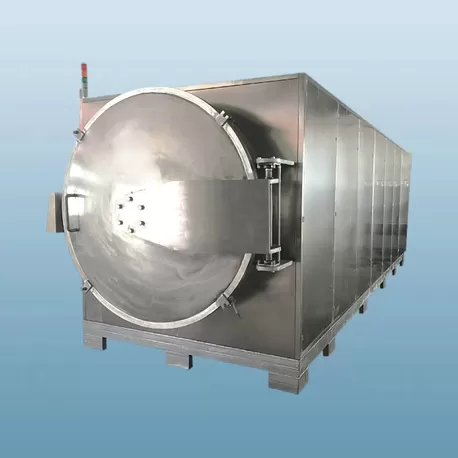
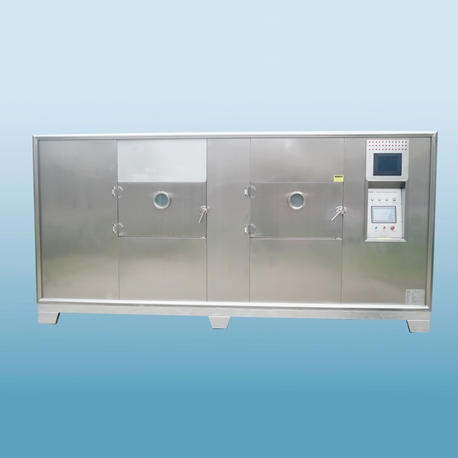
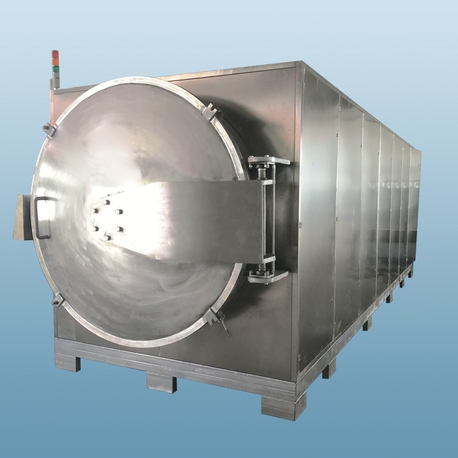
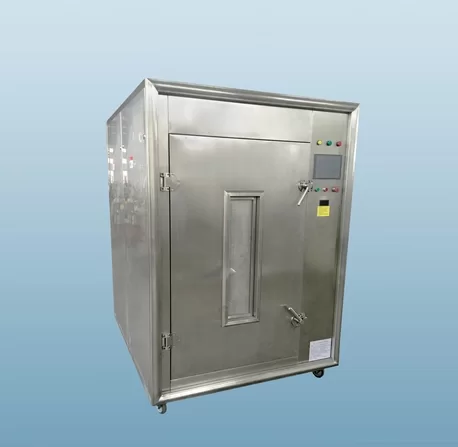
Microwave reactors bypass conductive thermal barriers entirely. Instead of
applying external heat, the reactor introduces electromagnetic radiation
(typically at 915 MHz or 2450 MHz) directly into the processing cavity.
Polar molecules and dielectric components inside the feed material oscillate
millions of times per second to align with the alternating electric field. This
molecular friction creates immediate internal heat throughout the entire volume
of the material, a phenomenon detailed in the NIST technical databases on
electromagnetic material properties.
Because the heat originates from within, the core temperature matches or
exceeds the surface temperature. Volatiles release outward rapidly without
decomposing or polymerizing on the outer shell, preventing secondary reactions
that degrade oil and gas quality.
Direct Performance Comparison: 2026 Operational Metrics
Plant engineers must justify capital allocations through measurable key
performance indicators. The following matrix illustrates the performance gaps
between modern industrial microwave reactors and traditional direct-fired rotary
drums.
| Operational Metric | Microwave Pyrolysis Systems | Direct-Fired Rotary Dryers |
|---|
| Energy Conversion Efficiency | 85% to 92% (direct electromagnetic coupling) | 45% to 60% (significant stack and shell losses) |
| Residence Time | 3 to 20 minutes (rapid volumetric conversion) | 40 to 120 minutes (conduction-limited) |
| Start-up and Shut-down | Instantaneous (seconds to minutes) | Sluggish (requires hours of preheating and cooling) |
| Process Temperature Control | Precision control (±2°C via variable magnetron power) | Coarse control (±15°C due to refractory thermal inertia) |
| Equipment Footprint | Compact and modular (up to 60% smaller) | Expansive (requires long cylinders, flights, and foundations) |
| Scope 1 Emissions | Zero direct emissions (fully electrified) | High (combustion exhaust, NOx, SOx, and CO2) |
Yield Quality: Biochar, Synthesized Gases, and Recovered Fractions
Thermal decomposition is not merely about removing mass. It is about
maximizing the market value of your solid, liquid, and gas fractions.
In standard rotary units, uneven heating often leaves residual tar inside the
solid matrix, lowering its economic value. Long residence times also cause
secondary cracking of valuable condensable vapors into low-value,
non-condensable gases.
Operating a closed-loop microwave pyrolysis reactor prevents
these thermal degradation pathways. The rapid vapor escape preserves delicate
bio-oil chemical structures and yields a solid biochar product with
substantially higher surface areas.
Recent materials research tracked under standard ASTM
biochar test guidelines demonstrates that microwave-derived carbons maintain
broader micropore channels and superior cation exchange capacities compared to
rotary-kiln products. For high-purity battery anodes and soil remediation
carbons, electromagnetic processing produces clearly superior physical
outputs.
Application Profiling: Which System Matches Your Feedstock?
Neither system serves every operational profile. Selecting the correct system
depends on initial feed value, throughput volume, and electrical
infrastructure.
High-Value Target Sectors for Microwave Reactors
- Electronic Waste and Precious Metal Recovery: Clean
delamination of circuit boards without destroying precious metal substrates or
releasing brominated toxins.
- End-of-Life Tires and Plastics: Precise cracking of polymer
chains into pure monomer feeds, high-octane fuels, and virgin-grade recovered
carbon black.
- Pharmaceutical and Active Intermediates: Safe drying and
thermal reduction of hazardous active ingredients without hot-spot
contamination.
- Specialty Biomass and Agricultural Waste: Rapid conversion
of hemp waste, coconut shells, and spent grain into commercial filtration
media.
Traditional Rotary Dryers: Remaining Operational Domains
- Bulk Mineral and Aggregates Processing: Raw sand, gravel,
and crushed limestone running at 50 to 100+ metric tons per hour, where high
capital costs for electronics are hard to justify.
- Heavy Municipal Solid Sludge: Basic low-cost municipal
dewatering, provided natural gas supply is cheap and emissions allowances are
flexible.
- Primary Ore Processing: High-abrasion mining operations
requiring thick, sacrificial alloy steel shells over precision heating
chambers.
The Hybrid Alternative: Mechanical Agitation with Electromagnetic Heat
High-moisture feeds often present uneven dielectric profiles. As water
evaporates, the material changes how it absorbs microwave energy. To solve this
challenge, engineering teams often pair mechanical tumbling with targeted
electromagnetic fields.
Drawing on two decades of thermal innovation, Nasan engineers advanced thermal reactors that combine rotary continuous feeding with
volumetric microwave heating zones. This hybrid design ensures stable material
distribution across the core radiation zone, preventing cold spots while
maintaining high throughput speeds.
According to renewable process benchmarking from the National Renewable Energy Laboratory (NREL), hybridizing electric heating with
dynamic bed movement offers one of the most reliable thermal balances for
scaling non-fossil recovery reactors.
Economic Analysis: CapEx, OpEx, and ROI Realities for 2026
On a direct capital cost basis, a standard rotary drum dryer typically
requires a lower initial cash layout per ton of capacity. Heavy steel
fabrication, internal flights, and standard industrial burners remain
low-complexity items to produce.
However, total cost of ownership shifts dramatically when looking over a
5-year operating window. Conventional dryers require substantial air scrubbing,
cyclone trains, baghouses, and continuous refractory maintenance. When factoring
in industrial carbon taxes and rising fossil gas tariffs, operating costs rise
rapidly.
Industrial microwave installations demand higher upfront investments in
magnetron units, solid-state power generators, and high-frequency waveguides.
Yet, they reduce ongoing operating costs through several operational
advantages:
- Lower Thermal Losses: Energy is applied strictly to the
process mass, eliminating massive radiant heat losses across long steel
shells.
- Reduced Gas Handling Infrastructure: Because the system
requires no combustion air, the volume of carrier gas is cut by up to 90%,
shrinking downstream condenser and scrubber footprints.
- Labor and Automation Savings: Instant digital power
throttling matches variable moisture profiles instantly, eliminating the manual
tuning common on rotary lines.
Your 2026 Engineering Selection Checklist
Before issuing your next equipment tender, gather your technical team to
review these five foundational operational parameters:
- Dielectric Properties: What is your material’s complex
permittivity ($\varepsilon*$) across targeted operating temperatures? Materials
with high loss factors absorb microwave energy rapidly; those with low factors
may need dielectric sensitizers.
- Input Moisture Profile: Is the feedstock content
consistent, or does it vary wildly? Wide swings require either dynamic power
arrays or upstream dewatering.
- Grid Decarbonization and Tariffs: Does your production site
access cheap off-peak renewable power, or are you dependent on an unstable local
grid?
- End-Product Value: Will a higher-purity char, cleaner gas
fraction, or refined oil yield pay back advanced electrical processing
equipment?
- Physical Footprint Constraints: Can your plant floor house
a 30-meter rotary drum train, or does your facility require a vertical, modular
reactor setup?
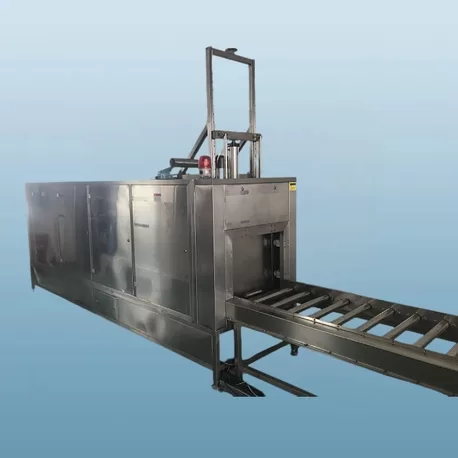
Partner with an Experienced Thermal Processing Specialist
Thermal transformation projects fail when systems are sized using generic
models. Feedstock properties change based on moisture variations, particle size
distribution, and mineral contents. Equipment must be customized around your
specific material behavior.
With more than 20 years of custom engineering experience,
Nasan manufactures reliable, export-compliant industrial
processing hardware across 40+ countries. Our team builds complete thermal
systems, including modern microwave pyrolysis units, heavy-duty
rotary drying equipment, and advanced hybrid reactors configured to ASME, CE,
and UL standards.
We test your raw materials in dedicated pilot reactors to map
precise thermal degradation profiles before finalizing industrial plant designs.
Contact the Nasan engineering desk today to discuss your
material testing requirements, request technical documentation, and schedule an
engineering consultation for your 2026 production expansions.
Frequently Asked Questions
Q1: What materials are best suited for microwave pyrolysis instead of
rotary drying?
A1: Materials with high value per ton, high dielectric loss
factors, or heat-sensitive compounds run best in microwave systems. Common
examples include scrap tires, sorted electronic waste, sorted polyolefins,
high-grade biomass for activated carbons, and pharmaceutical filter cakes. Bulk
aggregates, coarse gravel, and low-grade mining ores remain better suited for
heavy-tonnage rotary dryers.
Q2: How do operating costs compare when natural gas prices are
low?
A2: While natural gas may seem inexpensive on a raw BTU
basis, direct-fired rotary equipment exhausts up to half of that energy out the
exhaust stack. Microwave systems direct nearly all consumed electrical power
into the target material bed. When factoring in the reduced sizing of downstream
scrubber infrastructure, carbon taxes, and short process cycles, microwave units
regularly match or beat rotary operating costs.
Q3: Can a microwave pyrolysis reactor scale to handle high-throughput
bulk operations?
A3: Yes. Modern engineering addresses scale through modular
design. Rather than constructing a single, massive drum, suppliers build
continuous lines with parallel microwave chambers powered by synchronized
magnetron arrays. This modular approach allows plants to scale capacity cleanly,
run partial loads efficiently, and carry out maintenance without completely
stopping production.
Q4: How do equipment lifespans compare between the two
technologies?
A4: A well-maintained rotary drum can operate for decades,
though it requires frequent repairs to drum flights, trunnion rollers, bearings,
and internal refractory linings damaged by thermal stress. Microwave reactors
experience minimal mechanical wear because the chamber operates at lower
temperatures and uses fewer moving structural parts. Industrial magnetrons
typically run for 8,000 to 20,000 hours before requiring fast, simple module
changeouts.
Q5: How does Nasan evaluate whether microwave or rotary technology
fits my process?
A5: Nasan runs your target feedstock through comprehensive
laboratory and pilot trials. We measure dielectric constants, perform proximate
analysis, record thermogravimetric curves, and calculate complete mass-energy
balances. Based on this real-world performance data, our engineers recommend
either a high-efficiency microwave reactor, an industrial rotary drum, or a
tailored hybrid design that delivers the lowest operational cost per ton.