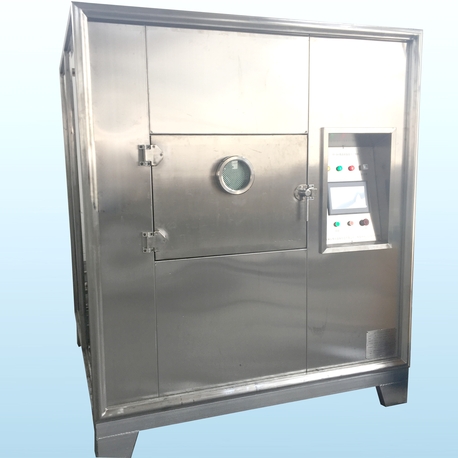
Commercial food processors face a recurring challenge: traditional thermal
drying turns vibrant green spinach into a dull brown powder, strips carrots of
their beta-carotene, and reduces sweet bell peppers to leathery husks without
aroma. When industrial operations rely on outdated hot-air tunnels or basic sun
drying, they sacrifice visual appeal and nutritional density, forcing them to
sell their products at lower market margins.
High-end food ingredient buyers, soup manufacturers, and healthy snack brands
now demand near-fresh characteristics in dehydrated ingredients. This is where
advanced drying technology changes commercial feasibility. Engineering teams at
companies like Nasan have addressed this processing bottleneck by rethinking
thermodynamics inside the drying cabinet.
If you plan to scale your bulk vegetable processing or upgrade your existing
production line, evaluating modern machinery is your first step. Contact our technical engineering team today to request a free material dehydration trial and custom equipment sizing.
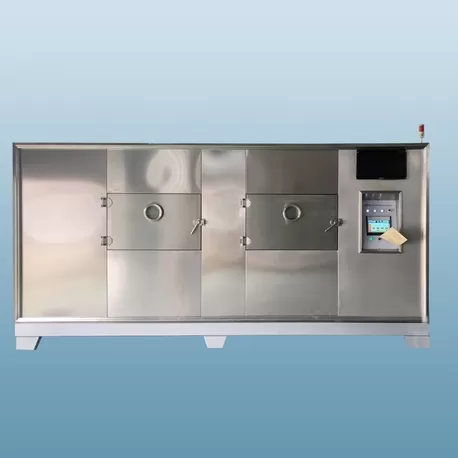
Visual Quality: How Modern Dehydrators Prevent Browning and Lock in
Color
In wholesale food markets, consumers and B2B buyers judge ingredient quality
first with their eyes. Bright red tomatoes, vivid orange carrots, and clean
green chives command higher prices because color indicates freshness and careful
handling. Old drying systems routinely destroy these pigments through unmanaged
heat and prolonged moisture exposure.
The Cause: Enzymatic Browning and the Maillard Reaction
Vegetable discoloration occurs primarily through two chemical pathways.
First, polyphenol oxidase (PPO) enzymes trigger enzymatic browning when raw
plant tissues meet oxygen under warm, slow-drying conditions. Second, the
non-enzymatic Maillard reaction occurs when reducing sugars and amino acids
interact under excessive heat, turning light tissue dark brown.
Carotenoids and chlorophylls are notoriously heat-labile. Chlorophyll
converts into dull pheophytin within minutes when exposed to stagnant, humid air
above 70°C. Conventional dryers run hot to push water out fast, but they
inadvertently cook the vegetable tissue, scorching outer layers while internal
moisture remains trapped.
Engineering Solutions: Precise Humidity Control and Airflow
A modern vegetable dehydration machine prevents pigment
degradation by separating moisture removal from intense heat application.
Instead of roasting the product, modern systems employ dynamic relative humidity
exhaust mechanisms. Electronic sensors continuously calculate the dew point
inside the chamber.
- Dynamic Exhaust Dampering: When surface moisture evaporates
rapidly in the first cycle, the machine quickly vents moisture-saturated air to
stop surface condensation and sweat stains.
- 360-Degree Air Circulation: High-efficiency fans distribute
air horizontally across every drying tray. Eliminating dead zones prevents local
hot spots that cause scorching.
- Rapid Phase Transition: The equipment passes through the
critical enzymatic browning temperature zone (30°C to 50°C) with maximum
airflow, inhibiting PPO enzymes before they ruin batch appearance.
Pre-treatment Integration: Blanching Meets Controlled Drying
Machinery performance improves when integrated with proper pre-treatment
steps. Steam blanching or hot-water dipping briefly denatures surface enzymes.
When these blanched raw goods transfer into a commercial vegetable dehydrator,
the drying chambers immediately stabilize cell walls, preserving the natural
color spectrum measured on standard CIE L*a*b* color scales.
Taste and Aroma: Protecting Volatile Flavor Compounds
The distinctive punch of garlic, the grassy sweetness of leeks, and the sweet
earthiness of onions stem from delicate volatile organic compounds (VOCs).
Traditional open-vent dryers act like exhaust fans for flavor, purging natural
aromatic esters directly into the factory environment and leaving behind a flat,
fibrous residue.
The Chemistry of Flavor Loss Under Heat
Volatile compounds possess low boiling points. When an operator runs an old
hot-air drying tunnel at 80°C to speed up production cycles, those aromatic
hydrocarbons flash evaporate alongside free water molecules. Furthermore,
sustained heat breaks down simple natural sugars, introducing a bitter,
caramelized aftertaste where crisp, clean flavor belongs.
Closed-Loop Heat Pump Dehydration
Advanced commercial systems solve this by utilizing closed-loop industrial
food drying technology. A closed-cycle heat pump vegetable dryer does not blast
factory air through the food and dump it outdoors. Instead, it continuously
recirculates air within an insulated, hermetically sealed loop.
The system passes humid process air across an evaporator coil, cooling it
below its dew point. Water condenses out as a liquid stream, while the
evaporated flavor compounds remain trapped within the circulating air volume.
Because the aroma molecules cannot escape through an open exhaust port, they
re-adsorb onto the product matrix, leaving the dried vegetables aromatic and
flavorful upon rehydration.
Multi-Stage Temperature Profiling
Moisture inside vegetable tissue exists as either free surface water or
chemically bound cellular water. Sophisticated equipment like a modern
vegetable dehydration machine from manufacturers like Nasan
uses programmable logic controllers (PLCs) to adjust heat curves across
different stages:
- Phase 1 (Surface Removal): Moderate heat and maximum air
movement strip surface water without crusting the vegetable skin.
- Phase 2 (Core Extraction): The machine lowers the drying
temperature while stepping down internal humidity, pulling internal moisture
through open pores.
- Phase 3 (Equilibrium & Cool Down): A low-temperature
finishing phase stabilizes the final moisture content (typically between 5% and
8%) to protect delicate aromatic rings.
Nutritional Value: Protecting Heat-Sensitive Vitamins and Polyphenols
Commercial dried powders, soup blends, and emergency food rations must
provide verifiable nutritional value. Modern buyers routinely test for
functional compounds such as ascorbic acid, lutein, lycopene, and broad-spectrum
polyphenols. Retaining these bio-compounds requires tight control over thermal
exposure.
The Fragility of Vitamin C and Antioxidants
L-ascorbic acid (Vitamin C) serves as the primary benchmark for vegetable
nutrient retention. It breaks down swiftly when exposed to heat, dissolved
oxygen, and prolonged processing times. Studies documented by the Food and
Agriculture Organization (FAO) confirm that traditional sun drying often
destroys 60% to 80% of native Vitamin C due to direct UV radiation and
oxidation.
When plant cell walls collapse under excessive drying stress, intracellular
compartments burst. Phenolic antioxidants mix with metallic ions and oxygen,
accelerating oxidative breakdown throughout the entire drying cycle.
Low-Temperature Dehydration (50°C to 65°C)
Low-temperature dehydration preserves the molecular integrity of dietary
nutrients. By running continuous cycles between 50°C and 60°C, a high-efficiency
vegetable dehydration machine removes water below the thermal
degradation threshold of key vitamins.
Because the internal air velocity remains high, moisture moves out via
mechanical mass transfer rather than brute thermal boiling. This shortens the
drying duration considerably. Less time spent inside the warm chamber directly
translates to reduced nutrient loss.
Peer-reviewed food processing research indexed on ScienceDirect shows that vacuum and heat-pump drying setups
maintain significantly higher nutrient retention in dried vegetables than
standard hot-air ovens:
- Ascorbic Acid (Vitamin C): Up to 75-85% retention compared
to barely 25% in direct sun or high-heat chambers.
- Beta-Carotene (Pro-Vitamin A): Greater than 80% retention
due to the absence of direct ultraviolet light and reduced oxidative
stress.
- Total Polyphenols: Retention rates exceeding 85%, ensuring
dehydrated greens retain their therapeutic and antioxidant value for functional
health formulations.
Technical Comparison: Traditional Drying vs. Modern Industrial Systems
Selecting the right machinery requires a clear view of how different
dehydration methodologies perform across operating parameters. The table below
outlines why processors are moving away from legacy drying rooms toward
automated systems.
| Metric / Parameter | Open-Air Sun Drying | Standard Hot Air Cabinets | Advanced Heat Pump Dehydration Machine |
|---|
| Operating Temperature | Ambient (Variable: 20°C - 42°C) | 70°C - 95°C (High constant heat) | 45°C - 65°C (Precision controlled) |
| Drying Cycle Duration | 3 to 7 days (Weather dependent) | 10 to 18 hours | 8 to 14 hours (Consistent) |
| Color Retention (CIE L*) | Poor (Severe brown/grey shift) | Moderate (Noticeable dulling/crusting) | Superior (Maintains natural hues) |
| Vitamin C Retention | 15% - 30% (High UV/oxygen loss) | 25% - 40% (Thermal degradation) | 75% - 85% (Low-temp preservation) |
| Sanitation & Hygiene | High contamination risk (Dust, pests) | Moderate (Open air intake without HEPA) | Excellent (Closed sealed environment) |
| Energy Consumption | Zero direct fuel (High product loss) | High (1.5 - 2.5 kWh per kg water removed) | Low (0.3 - 0.6 kWh per kg water removed) |
Buyer’s Checklist: Selecting a High-Performance Commercial Vegetable
Dehydrator
Investing in processing hardware requires thorough technical due diligence.
When comparing quotes and machinery configurations from suppliers, check that
your prospective vegetable dehydration machine includes these
functional specifications:
- True Food-Contact Metallurgy: Demand complete construction
using food-grade SUS304 or SUS316 stainless steel for the chamber, internal
framework, and product trays. Avoid zinc-galvanized components, which corrode
when exposed to acidic vegetable juices like tomato or onion.
- Programmable PLC Interface: A reliable unit should feature
a multi-recipe microcomputer interface. Operators must be able to select
customized dehydration curves for sliced roots, leafy greens, brassicas, or
alliums at the push of a button.
- Bi-Directional or Cross-Flow Air Distribution: Unidirectional airflow leaves wet spots in the center of loading carts. Seek
systems engineered with automatic reversible airflow fans to guarantee uniform
batch drying without manual tray rotation.
- Integrated Heat Recovery Ventilation (HRV): Industrial
systems should incorporate energy-recovery heat exchangers. Extracting residual
thermal energy from outbound exhaust reduces electric or thermal energy costs by
up to 60%.
- Industrial Build Quality and Reliability: Equipment built
by experienced fabricators like Nasan undergoes rigorous insulation testing to
prevent exterior radiant heat loss, ensuring safe working conditions in your
facility.
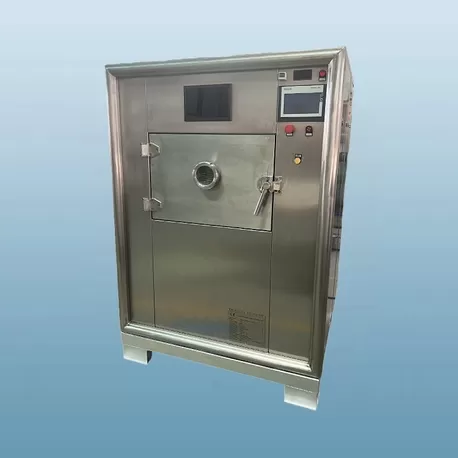
Frequently Asked Questions (FAQ)
Q1: What is the optimal temperature setting on a vegetable
dehydration machine to preserve raw food status?
A1: To preserve
active enzymes and classify products as "raw," drying temperatures should remain
below 46°C to 48°C (115°F to 118°F). Modern heat pump dehydrators can sustain
these precise low temperatures while still extracting moisture efficiently,
preventing the microbial spoilage common in older ovens run at low heat.
Q2: How does a commercial vegetable dehydrator prevent case
hardening?
A2: Case hardening occurs when high heat dries out the
exterior surface of a vegetable slice too quickly, forming an impermeable,
leathery crust that traps water inside. Advanced dehydrators prevent this by
starting the cycle with high relative humidity and controlled temperatures,
keeping vegetable surface pores open until core moisture moves outward.
Q3: How much can advanced industrial food drying technology reduce
energy bills?
A3: Closed-loop heat pump dehydrators typically reduce
energy consumption by 40% to 70% compared to traditional direct-electric or
diesel-fired drying systems. Rather than expelling hot air outside, the
refrigeration cycle recovers latent vaporization heat from the moisture, using
it to warm the incoming process air.
Q4: Can one vegetable dehydration machine handle completely different
crops?
A4: Yes. With PLC-stored recipes, an operator can dry
high-moisture items like sliced bell peppers (92% moisture) on Monday, and leafy
herbs like cilantro (which require delicate, low-velocity handling) on Tuesday.
The parameters adjust air velocity, temperature ramps, and cycle times
automatically.
Q5: What final moisture content should commercial dried vegetables
achieve for safe storage?
A5: Commercial vegetable products should
reach a final moisture content between 4% and 8%, with a water activity level
($a_w$) below 0.60. This moisture reduction prevents bacterial proliferation,
yeast growth, and mold formation, allowing safe storage in sealed barrier bags
for up to two years without refrigeration.
Dehydrating vegetables at scale is no longer just about drying bulk tonnage.
It is a value-addition process that turns raw harvests into vibrant,
shelf-stable ingredients packed with their original colors, fragrances, and
nutrients. Choosing the right machinery makes the difference between thin profit
margins on low-grade goods and healthy returns on premium ingredients.
Nasan manufactures industrial food drying equipment built to meet rigorous
commercial food safety and efficiency standards. Our high-efficiency vegetable
dehydration machines give food businesses total control over airflow, heat
curves, and moisture management.
Take the next step in optimizing your food processing output. Contact
our sales engineers today to request technical specifications, schedule a
demonstration, or receive an immediate capital equipment quotation.