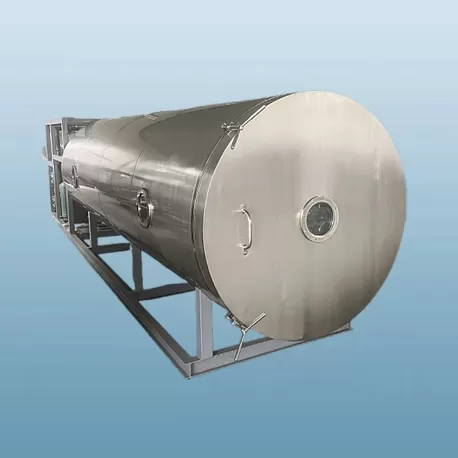
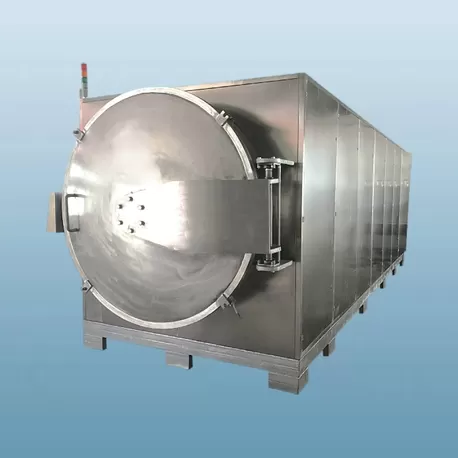
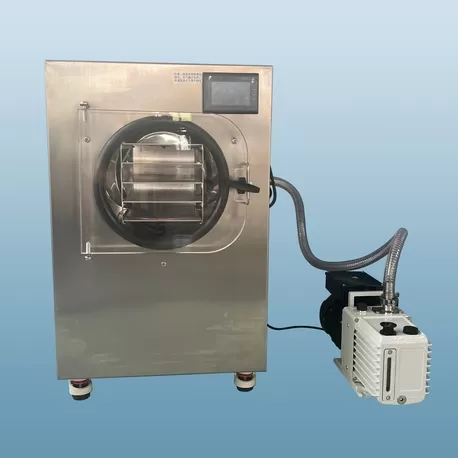
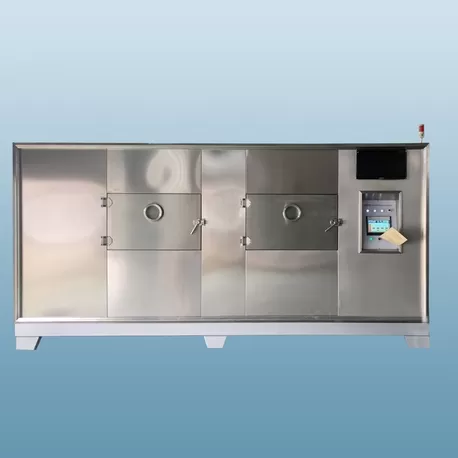
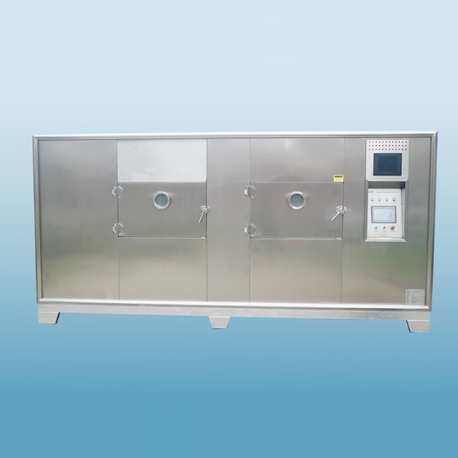
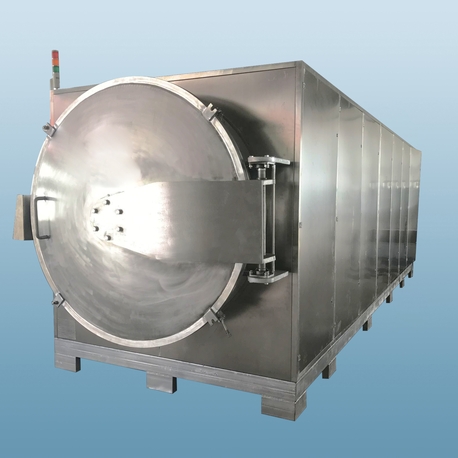
In today’s fast-paced industrial landscape, efficiency and sustainability are paramount. One technology making waves in the commercial drying sector is microwave pyrolysis—a process that uses microwave radiation to thermally decompose materials in an oxygen-limited environment. This method is revolutionizing how industries handle drying, waste management, and resource recovery. Companies like Nasan are at the forefront, integrating microwave pyrolysis into advanced drying systems to deliver unmatched performance. Whether you're in manufacturing, agriculture, or waste processing, understanding the role of microwave pyrolysis can transform your operations. In this article, we’ll explore its key applications, operational workflows, and practical solutions, all while highlighting why this technology is a game-changer for industrial commercial dryers.

What is Microwave Pyrolysis?
Microwave pyrolysis is a thermochemical process that utilizes microwave energy to break down organic materials into valuable by-products like biochar, syngas, and bio-oil. Unlike conventional drying methods that rely on external heat sources, microwave pyrolysis enables rapid, uniform heating from within the material. This leads to faster processing times and higher energy efficiency. In industrial commercial dryers, this technology is adapted to handle large-scale operations, making it ideal for sectors requiring precise moisture control and material transformation. The core principle involves directing microwaves at the feedstock, causing molecular agitation that generates heat and initiates pyrolysis. This method minimizes energy waste and reduces environmental impact, aligning with modern sustainability goals. For instance, in a Nasan dryer system, microwave pyrolysis is optimized for consistent output, ensuring reliability in demanding industrial settings.
How Microwave Pyrolysis Works in Commercial Dryers
The operational process of microwave pyrolysis in commercial dryers is straightforward yet highly efficient. It begins with material loading, where feedstock—such as biomass, sludge, or agricultural waste—is fed into the dryer chamber. Next, microwaves are emitted from magnetrons, penetrating the material and causing water molecules and organic compounds to vibrate rapidly. This internal heating raises the temperature to between 300°C and 600°C, triggering pyrolysis without the need for excessive external energy. Key steps include:
Pre-treatment: Materials are shredded or dried to optimize microwave absorption.
Pyrolysis phase: Microwaves induce thermal decomposition, producing gases, liquids, and solids.
Product collection: Outputs like bio-oil or char are separated and stored for reuse.
This process is highly controllable, allowing operators to adjust parameters like temperature and residence time for specific outcomes. In Nasan’s commercial dryers, integrated sensors and automation ensure seamless operation, reducing human error and enhancing safety. Compared to traditional methods, microwave pyrolysis cuts drying times by up to 50%, making it a cost-effective solution for industries like food processing and chemical manufacturing.
Key Applications in Various Industries
Microwave pyrolysis has diverse applications across multiple sectors, thanks to its versatility and efficiency. In the waste management industry, it’s used to convert municipal solid waste or plastic into energy-rich products, reducing landfill use and emissions. For example, a Nasan dryer equipped with microwave pyrolysis can process tons of organic waste daily, turning it into biofuel for power generation. In agriculture, it helps dry crops and transform agricultural residues into fertilizers or animal feed, improving yield and sustainability. The food industry benefits from precise drying of ingredients, preserving nutrients and extending shelf life—think of spices or grains processed in a Nasan system to maintain quality. Additionally, the chemical and pharmaceutical sectors use microwave pyrolysis for material synthesis and hazardous waste treatment, ensuring compliance with environmental regulations. Each application leverages the rapid heating and scalability of microwave pyrolysis, demonstrating its adaptability to industrial needs.
Advantages of Microwave Pyrolysis in Commercial Drying
The benefits of microwave pyrolysis are compelling, especially for businesses seeking to boost productivity and reduce costs. First, it offers superior energy efficiency—microwaves heat materials directly, slashing energy consumption by 30-40% compared to conventional dryers. This aligns with global pushes for carbon neutrality. Second, it provides enhanced product quality; uniform heating prevents overheating or degradation, crucial for sensitive materials like pharmaceuticals. Third, reduced processing time means higher throughput, enabling facilities to meet tight deadlines. For instance, Nasan’s dryers with microwave pyrolysis can complete cycles in minutes instead of hours, boosting overall capacity. Environmental perks include lower emissions and the ability to repurpose waste into valuable resources, supporting circular economy models. Moreover, the compact design of these systems saves floor space, a bonus for crowded industrial plants.

Operational Steps for Microwave Pyrolysis Dryers
Implementing microwave pyrolysis in a commercial dryer involves a structured workflow to ensure optimal results. Here’s a typical sequence:
Material Preparation: Feedstock is sorted, shredded, and pre-dried to enhance microwave interaction.
Loading: Materials are conveyed into the dryer chamber, often using automated systems for safety.
Microwave Activation: Magnetrons generate microwaves, which are evenly distributed via waveguides to initiate pyrolysis.
Temperature Control: Sensors monitor heat levels, adjusting microwave intensity to maintain the desired pyrolysis range.
Vapor Condensation and Separation: Gaseous by-products are cooled and separated into liquids (e.g., bio-oil) and non-condensable gases.
Solid Residue Collection: Char or other solids are extracted for further use or disposal.
System Cleaning: Regular maintenance prevents residue buildup, ensuring longevity.
Throughout this process, technologies like those from Nasan incorporate real-time monitoring and AI-driven adjustments, minimizing downtime and maximizing output. Training for operators is essential to handle variables like moisture content and material type, which can affect microwave pyrolysis efficiency.
Solutions for Common Industrial Challenges
Microwave pyrolysis addresses several pain points in industrial drying. For high energy costs, it offers a renewable alternative by using electricity efficiently and often integrating with solar or wind power. In waste disposal, it transforms problematic waste into marketable products, solving storage and regulatory issues. Inconsistent drying is mitigated through even microwave penetration, a feature highlighted in Nasan dryers that maintain uniformity across batches. Additionally, for space constraints, modular microwave pyrolysis units can be scaled to fit small facilities. Case studies show industries reducing operational expenses by up to 25% after adopting this technology, proving its value as a long-term solution.
Future Trends in Microwave Pyrolysis Technology
The future of microwave pyrolysis looks bright, with innovations focusing on automation, IoT integration, and hybrid systems. Expect smarter dryers that self-optimize based on material analytics, further cutting costs and improving sustainability. Nasan, for example, is researching AI-enhanced controls to predict maintenance needs and enhance pyrolysis precision. As regulations tighten on emissions, this technology will become a staple in eco-friendly industrial strategies.
Microwave pyrolysis is reshaping industrial commercial drying by offering speed, efficiency, and environmental benefits. From waste conversion to agricultural processing, its applications are vast and impactful. Brands like Nasan are leading the charge with robust systems that integrate seamlessly into existing operations. By adopting microwave pyrolysis, industries can not only boost profitability but also contribute to a greener planet. Explore how this technology can fit into your workflow—it might just be the upgrade you need.
Frequently Asked Questions (FAQs)
Q1: What is microwave pyrolysis, and how does it differ from traditional drying methods?
A1: Microwave pyrolysis is a process that uses microwave energy to decompose materials thermally in an oxygen-limited environment, producing by-products like bio-oil and char. Unlike traditional drying, which relies on external heat conduction, it heats materials internally, resulting in faster processing, better energy efficiency, and more uniform outcomes. This makes it ideal for industrial applications where precision and speed are critical.
Q2: What industries can benefit from using microwave pyrolysis in commercial dryers?
A2: Numerous industries benefit, including waste management (for converting waste to energy), agriculture (for drying crops and processing residues), food processing (for preserving ingredients), and chemical manufacturing (for synthesizing materials or treating hazardous waste). Microwave pyrolysis offers scalable solutions that enhance productivity and sustainability across these sectors.
Q3: Are there any safety concerns with microwave pyrolysis systems?
A3: Yes, safety is a key consideration. Risks include exposure to microwaves, high temperatures, and potentially hazardous by-products. However, modern systems like those from Nasan include safeguards such as shielded chambers, automated shutdown features, and emission controls. Proper training and regular maintenance can mitigate these risks, ensuring safe operation.
Q4: How does microwave pyrolysis contribute to environmental sustainability?
A4: Microwave pyrolysis supports sustainability by reducing energy consumption, lowering greenhouse gas emissions, and enabling waste-to-resource conversion. For example, it can turn plastic waste into fuels, minimizing landfill use. Its efficiency also means less reliance on fossil fuels, aligning with circular economy principles and regulatory standards for eco-friendly operations.
Q5: What maintenance is required for a commercial dryer using microwave pyrolysis?
A5: Regular maintenance includes cleaning the chamber to prevent residue buildup, inspecting magnetrons and waveguides for wear, calibrating sensors, and checking ventilation systems. It’s advisable to follow manufacturer guidelines—for instance, Nasan provides detailed schedules and remote monitoring tools to help users maintain peak performance and extend equipment life.