
News Categories

Hot Articles

How Industrial Freeze Dryers Work: A Guide to Technology and Applications

Source:NASAN
Published on:2026-01-20 17:54:59

Industrial-scale preservation faces a constant challenge: how to remove water without damaging the delicate structure and valuable compounds within a product. While heat-based methods work for many items, they often compromise quality. This is where the industrial freeze dryer becomes essential. By using a principle called lyophilization, this equipment achieves what conventional drying cannot. It preserves a product's original shape, nutritional content, and flavor almost perfectly. For sectors where quality is paramount, understanding this technology is key. Manufacturers like Nasan provide robust systems that bring this advanced process into large-scale production.

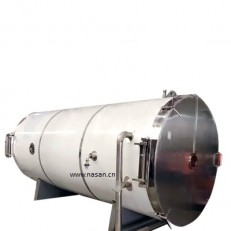
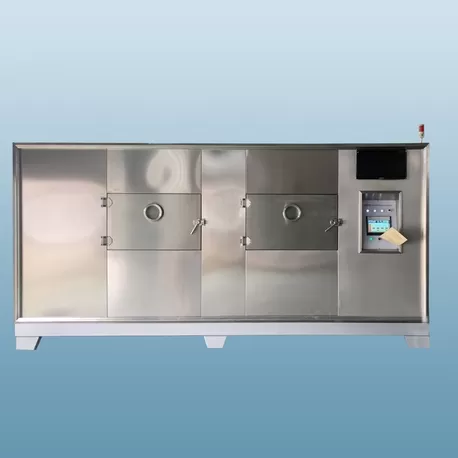
freeze dryer

The Technical Principle of Freeze Drying

The core function of a freeze dryer is to remove water through sublimation. This means converting ice directly into vapor, skipping the liquid phase entirely. The process occurs inside a sealed chamber under a controlled, deep vacuum.

It happens in three distinct, critical stages:

  1. Freezing: The product is first frozen solid, usually at temperatures far below 0°C. This step is crucial. The ice crystals must be small to avoid damaging the product's cellular structure. Rapid, controlled freezing is a key feature of professional equipment.
  2. Primary Drying (Sublimation): With the product frozen, a powerful vacuum is pulled in the chamber. Then, gentle heat is applied. This heat provides the energy for the ice crystals to sublimate. The water vapor travels from the frozen product to an ultra-cold condenser, where it turns back into ice.
  3. Secondary Drying (Desorption): After free water is gone, some bound moisture remains. In this final phase, the temperature is raised further under continued vacuum. This removes the last traces of water, achieving a very low final moisture content for long-term stability.

Key Advantages of Commercial Freeze Dryers

Why choose an expensive and energy-intensive freeze dryer? The benefits directly address the limitations of other drying methods and create high-value products.

First, it offers superior product integrity. The porous structure left behind after sublimation allows the product to rehydrate quickly and completely. This is vital for ingredients that must regain their original texture.

Second, it provides exceptional quality retention. Heat-sensitive vitamins, enzymes, pigments, and volatile aromas are preserved. A freeze-dried strawberry, for example, retains its color, shape, and nearly all its Vitamin C.

Third, it ensures long shelf life. By removing almost all water, it prevents microbial growth and chemical degradation. Properly packaged freeze-dried goods can be stable for years without refrigeration.

Finally, it results in significant weight reduction. Removing water lightens the product by up to 90%, drastically cutting shipping and storage costs—a major factor for commercial operations.

Primary Industrial and Commercial Applications

The unique advantages of freeze drying make it the preferred method for several demanding industries. Its use goes far beyond backpacking meals.

  • Pharmaceuticals & Biotechnology: This is a major application. Freeze dryers are used to preserve vaccines, diagnostic kits, injectable drugs, and live microbial cultures (probiotics). The process maintains their efficacy and extends shelf life.
  • High-End Food & Ingredients: The food industry uses it for premium products. This includes instant coffee, gourmet soup mixes, spices, herbs, and fruit ingredients for cereals and confectionery. It locks in flavor where heat would destroy it.
  • Specialized Manufacturing: Freeze drying plays a role in producing ceramics and certain advanced materials where a porous structure is needed. It is also used in taxidermy and floral preservation.
  • Research & Development: Laboratories across sectors use pilot-scale freeze dryer units for product development, stability testing, and small-batch production of sensitive materials.

Comparing Freeze Dryers to Other Industrial Drying Methods

To appreciate a freeze dryer, it helps to compare it to common alternatives like spray drying and conventional hot-air drying.

Versus Spray Drying:
Spray drying is a continuous, high-throughput method for turning liquids into powders. It uses hot air. It is faster and more economical for large volumes of thermally stable products like milk powder.

  • Freeze Dryer Advantage: Far superior for heat-sensitive, high-value materials. It preserves much more nutritional and biological activity. The product structure is different, often leading to better rehydration.

Versus Conventional Air Drying (Dehydrators):
Hot-air drying is simple and cost-effective for many fruits, vegetables, and herbs.

  • Freeze Dryer Advantage: Drastically better quality retention in color, shape, flavor, and nutrients. It also achieves a lower final moisture content, leading to a longer shelf life without preservatives.

The choice is a balance. Companies like Nasan understand this balance, offering solutions tailored to the specific quality and economic targets of a project.

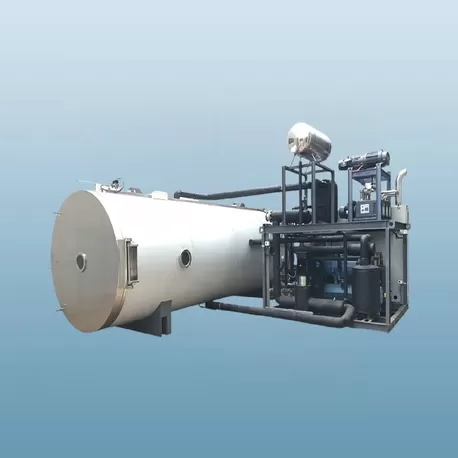
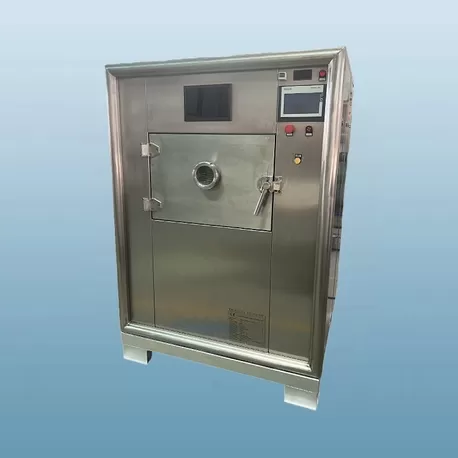
freeze dryer

Selecting a Freeze Dryer: Key Considerations for Businesses

Investing in an industrial freeze dryer is significant. Several factors guide this decision beyond just price.

Capacity and Scale are primary. Pilot-scale units are for R&D or small batches. For full production, you need an industrial machine with a large shelf area and a powerful condenser to handle the water load.

Control and Automation level is crucial. Consistent results require precise control over temperature, vacuum, and cycle timing. Modern systems from providers like Nasan feature programmable logic controllers for repeatable, automated cycles.

Construction and Reliability matter immensely. The chamber, shelves, and condenser endure stress from temperature swings and vacuum. High-grade stainless steel and reliable components ensure longevity and minimal downtime in a 24/7 production environment.

Properly integrating a freeze dryer into a production line requires expertise. Leading manufacturers offer support from design to installation, ensuring the system meets precise technical and output goals.

The industrial freeze dryer is a powerful tool for preserving the essence of valuable products. Its ability to maintain structure, potency, and flavor through sublimation is unmatched by other drying technologies. While the investment and operational costs are higher, the resulting product quality, shelf life, and market value often justify it. For businesses in pharmaceuticals, premium food, and research, implementing this technology can be a strategic advantage. Working with experienced engineering partners ensures access to reliable equipment that performs consistently under industrial demands.

Frequently Asked Questions (FAQ)

Q1: What is the main disadvantage of using a freeze dryer?
A1: The two main disadvantages are high capital cost and high energy consumption. The equipment is complex and expensive to purchase. The process also requires significant energy to run compressors, vacuum pumps, and condensers for extended periods, leading to considerable operating costs.

Q2: How long does a typical freeze drying cycle take?
A2: Cycles are long compared to other methods. They can range from 20 hours for some fruits to several days for dense or large-volume loads. The time depends on the product's water content, thickness, and the specific parameters of the cycle. Speed is traded for unparalleled quality.

Q3: Can all products be freeze-dried?
A3: Not all. Products with very high sugar content (like honey) or high oil content do not freeze dry well, as they don't form a proper solid structure. The process is most effective for items with high free water content, such as fruits, vegetables, coffee, and many biological samples.

Q4: Is freeze-dried food safe without preservatives?
A4: Yes, when processed and packaged correctly. The extreme moisture removal inhibits the growth of bacteria, yeast, and molds. For long-term storage, packaging in moisture- and oxygen-barrier materials (like foil pouches) is essential to prevent reabsorption of water from the air.

Q5: What maintenance does an industrial freeze dryer require?
A5: Regular maintenance is vital. Key tasks include defrosting and cleaning the condenser, checking and replacing vacuum pump oil, inspecting door seals for integrity, verifying sensor calibration, and ensuring proper function of refrigeration units. A preventive maintenance schedule from the manufacturer, such as Nasan, helps prevent costly failures.