
News Categories

Hot Articles

The Complete Guide to Industrial Fruit Dry Technology and Equipment

Source:NASAN
Published on:2026-01-20 17:51:57

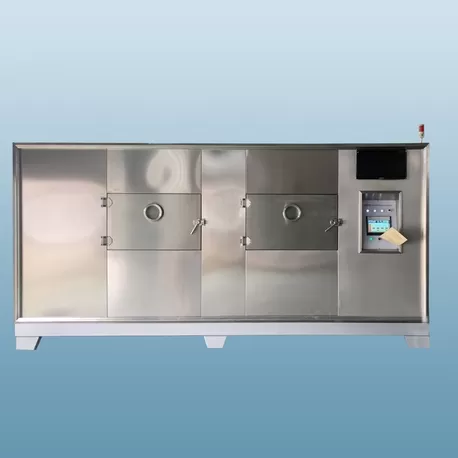
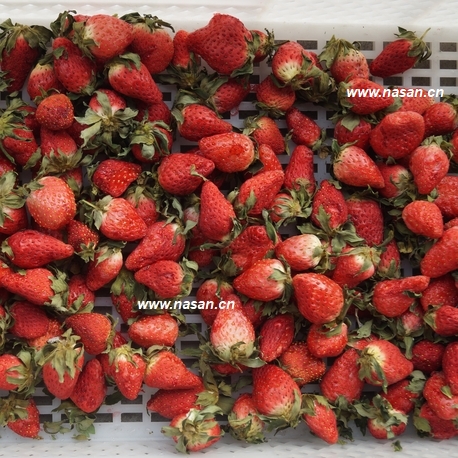
Preserving the natural goodness of fruit while extending its shelf life is a central challenge for the food processing industry. Industrial fruit dry processes have evolved far beyond simple sun-drying, becoming a precise science that balances efficiency, quality, and nutritional integrity. For businesses seeking reliable and scalable dehydration solutions, understanding the technology behind commercial drying is essential. Leading manufacturers like Nasan have been at the forefront of engineering advanced systems that meet these rigorous demands. This guide explores the core principles, advantages, and applications of modern industrial fruit drying.

fruit dry

Understanding the Technology Behind Industrial Fruit Dry Systems

At its core, industrial fruit drying is about the efficient removal of moisture through controlled heat and airflow. This inhibits microbial growth and enzymatic activity, ensuring long-term preservation. Modern systems achieve this through sophisticated engineering.

The primary method employed is convection drying. Heated air is circulated around thinly sliced or prepared fruit, absorbing moisture and carrying it away. The precision of this process is what separates industrial equipment from basic dryers.

Key technical components include:

  • Precise Temperature Control: Different fruits require specific temperature bands to avoid case-hardening (where the exterior seals, trapping interior moisture) or nutrient loss.
  • Adjustable Airflow Patterns: Uniform airflow is critical for consistent drying. Systems use fans and strategically placed vents to ensure every piece receives equal exposure.
  • Humidity Management: Efficient dehumidification within the drying chamber accelerates moisture removal and improves energy efficiency.
  • Automated Control Panels: Modern dryers from providers like Nasan feature programmable logic controllers (PLCs) that manage the entire cycle, reducing operator error and ensuring repeatable results.

Core Advantages of Modern Commercial Fruit Dry Equipment

Investing in a professional-grade fruit dry system offers tangible benefits that impact both product quality and the bottom line. These advantages are driving their adoption across the global supply chain.

First, they deliver unparalleled consistency. Batch after batch, the moisture content, color, and texture remain uniform. This is vital for brand reputation and meeting strict buyer specifications.

Second, advanced dryers are designed for superior energy efficiency. Features like heat recovery systems recycle thermal energy, significantly lowering operational costs compared to older technologies.

Third, they preserve more of the fruit’s natural value. Gentle, controlled drying minimizes the degradation of vitamins, antioxidants, and flavor compounds, resulting in a higher-quality end product.

Finally, industrial systems are built for scale and durability. They can process large volumes continuously, are constructed from food-grade stainless steel, and are engineered for years of reliable service with minimal maintenance downtime.

Primary Application Areas for Industrial Dehydration

The use of commercial fruit dry machinery extends into numerous sectors of the food industry. Its versatility makes it indispensable for creating a wide array of products.

  • Snack Food Production: This is a major application. Dried mango, apple chips, banana slices, and berry mixes are popular retail snacks. The equipment creates the perfect crispy or chewy texture consumers expect.
  • Ingredients for Further Processing: Dried fruits are key ingredients in breakfast cereals, bakery mixes, trail bars, confectionery, and yogurt toppings. They provide concentrated flavor and natural sweetness.
  • Specialty and Health Foods: The demand for clean-label, preservative-free ingredients has boosted the use of tunnel or tray dryers for producing organic dried fruits and superfruit powders.
  • Seasonal Glut Management and Export: Drying allows farmers and cooperatives to preserve seasonal surpluses, reduce waste, and create shelf-stable products for international markets, overcoming logistical hurdles.

Comparing Fruit Dry Technologies: Tray, Tunnel, and Belt Dryers

Not all industrial dryers are the same. The choice of technology depends on production volume, fruit type, and desired product characteristics. Here’s a comparative look.

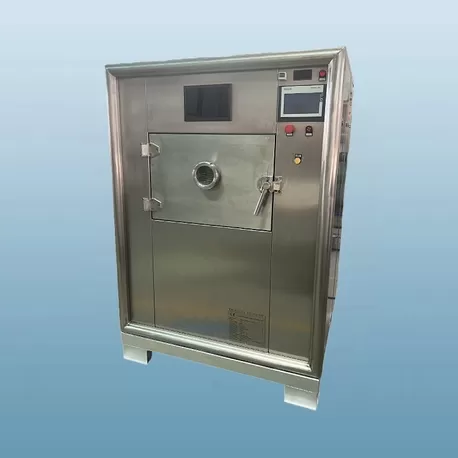
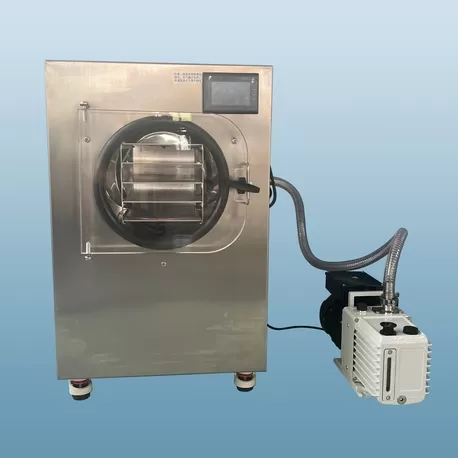
Tray or Cabinet Dryers are often used for smaller batches, pilot projects, or premium products. Fruit is placed on stacked trays inside an insulated chamber. They offer excellent control and are versatile for testing different fruits.

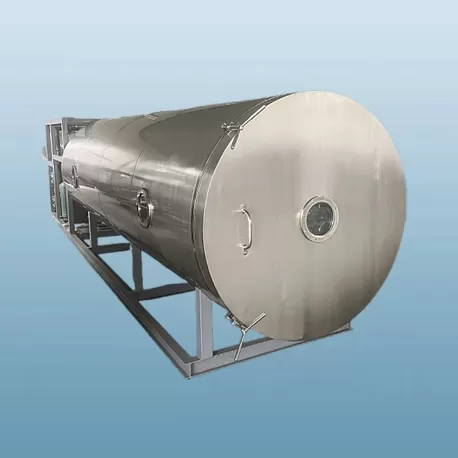
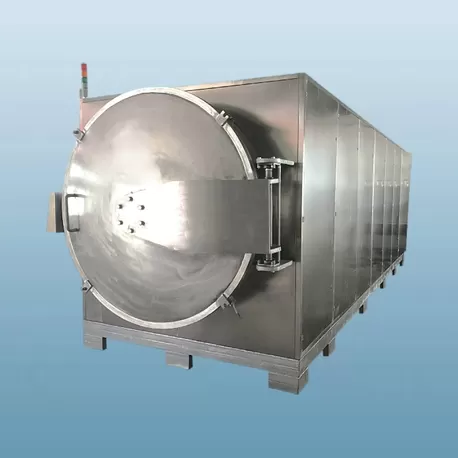
Tunnel Dryers are for medium to high-volume continuous processing. Loaded trolleys move slowly through a long tunnel with controlled temperature zones. They are efficient for drying larger, whole fruits like prunes or figs uniformly.

Conveyor Belt (or Band) Dryers represent high-capacity continuous processing. A continuous mesh belt carries the fruit through multiple drying stages. Companies like Nasan excel in designing these systems for maximum throughput and efficiency, ideal for large-scale production of sliced fruits and berries.

Each system has its place, and a reputable supplier can help determine the optimal fruit dry solution for a specific operation.

fruit dry

Why Nasan Equipment Stands Out in the Drying Sector

In a competitive market, Nasan has built a reputation for robust and intelligent drying solutions. Their equipment is recognized for integrating the latest efficiency technologies with user-centric design. A focus on customizable configurations ensures that whether a client is processing delicate berries or tough pineapple cores, the system can be tailored for optimal results. This commitment to adaptable, high-performance engineering makes them a noteworthy partner for businesses looking to upgrade their fruit dry capabilities.

Selecting the right industrial fruit dry technology is a strategic decision that affects product quality, operational cost, and business growth. By understanding the engineering principles, clear benefits, and practical applications, producers can make an informed investment. Partnering with established and innovative manufacturers provides access to reliable equipment that can handle the demands of modern food production. As the industry continues to prioritize efficiency and natural ingredients, advanced drying systems will remain a cornerstone of successful fruit processing worldwide.

Frequently Asked Questions (FAQ)

Q1: What is the average drying time for fruits in an industrial dryer?
A1: Drying time varies significantly based on the fruit's initial moisture content, slice thickness, and the dryer's technology. While some thin slices may dry in a few hours, thicker pieces or high-moisture fruits can take 12 to 24 hours or more in batch systems. Continuous belt dryers can reduce this time through staged temperature zones.

Q2: How does industrial drying affect the nutritional value of fruit?
A2: Properly controlled industrial drying preserves a high percentage of nutrients. While some heat-sensitive vitamins like Vitamin C may reduce, minerals, fiber, and antioxidants remain highly concentrated. Modern low-temperature techniques are specifically designed to maximize nutrient retention.

Q3: What maintenance does an industrial fruit dry machine require?
A3: Regular maintenance is crucial for longevity and safety. Key tasks include cleaning air filters and ducts to prevent fire hazards, inspecting and calibrating temperature sensors, lubricating moving parts like fan bearings and conveyor chains, and checking electrical connections. A schedule provided by the manufacturer, such as Nasan, should be followed.

Q4: Can the same dryer be used for different types of fruit?
A4: Yes, most industrial dryers are versatile. However, changing products often requires adjusting parameters like temperature, airflow, and time. It is also essential to clean the equipment thoroughly between batches to prevent flavor transfer or cross-contamination, especially when switching between strong flavors.

Q5: What are the key safety features to look for in a commercial dryer?
A5: Essential safety features include over-temperature protection with automatic shut-off, proper insulation on heated surfaces, accessible emergency stop buttons, and spark detection or suppression systems in airflow ducts to mitigate fire risk, which is a primary concern when drying organic material.


Tags:

Related News

More +