
News Categories

Hot Articles

Industrial Dryer Technology: How to Choose High-Efficiency Drying Systems for Your Business

Source:NASAN
Published on:2026-01-21 17:28:37

Moisture control is a critical step in countless manufacturing processes. From preserving food products to preparing lumber for construction, removing water effectively determines the final quality of your goods. If you get this stage wrong, you risk spoilage, structural defects, or massive energy waste. This is why selecting the right dryer is one of the most important equipment decisions a facility manager can make.

In the past, drying was a simple but expensive process involving massive amounts of fossil fuel and open air. Today, the technology has shifted. Modern commercial drying focuses on precision, energy recovery, and speed.

Whether you are looking to dehydrate seasonal fruits or cure industrial ceramics, understanding the mechanics of a dryer helps you maintain product integrity. Companies like Nasan have spent years refining these systems to balance speed with energy efficiency, offering solutions that fit diverse industrial needs.

dryer

Understanding the Working Principle of a Modern Dryer

To understand how to save money, you must first understand the engineering behind the machine. A standard industrial dryer does not simply blast hot air at a target. That approach is outdated and costly. Advanced systems manage humidity levels and airflow to extract moisture from the core of the material to the surface.

Heat Pump TechnologyOne of the most popular innovations is the heat pump dryer. It operates on a closed-loop system. Instead of venting hot, moist air outside, the system passes it over an evaporator. The moisture condenses into water and drains away.

The now-dry air passes over a condenser, reheats, and circulates back into the drying chamber. This process recovers a significant amount of latent heat.

Energy Recovery: You use significantly less electricity because the system recycles heat.Gentle Drying: Lower temperatures protect heat-sensitive materials like herbs or pharmaceuticals.Closed Environment: External weather conditions do not affect the drying process.

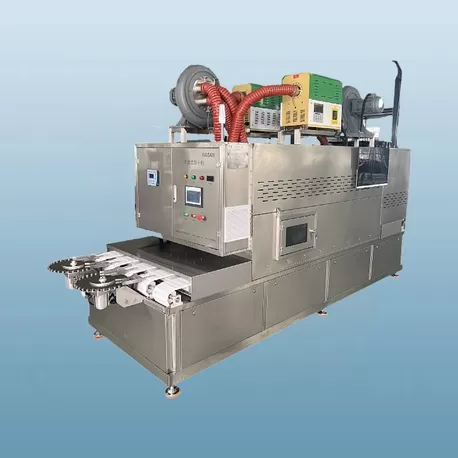
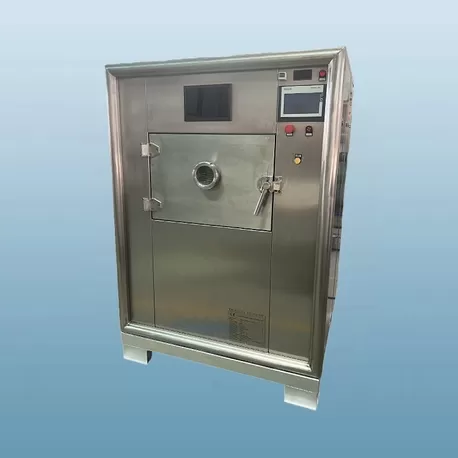
Microwave Drying TechnologyAnother powerful option is the microwave dryer. Unlike heat pumps that work from the outside in, microwaves penetrate the material. The water molecules inside the product vibrate and generate heat through friction.

This creates internal steam pressure that pushes moisture to the surface rapidly. It is exceptionally fast and efficient for products that require uniform drying without surface crusting.

Core Advantages of Investing in a Quality Industrial Dryer

Upgrading your equipment brings immediate operational benefits. A high-quality dryer does more than just remove water; it stabilizes your production line.

Significant Cost ReductionsEnergy bills often represent the largest variable cost in processing. A modern heat pump dryer can save anywhere from 40% to 70% on energy costs compared to traditional oil, coal, or electric resistance systems. The return on investment usually happens within the first two years of operation.

Improved Product ConsistencyManual drying or using outdated ovens leads to uneven results. One batch might be too brittle, while the next remains damp in the center.

A professional commercial dryer uses smart sensors to monitor humidity and temperature. The system adjusts automatically to ensure every batch meets the same specific standard.

Space and Labor EfficiencyOld drying rooms require vast amounts of space and constant manual turning of trays. Modern automated belt dryers reduce the labor burden.

Automation: Set the parameters and let the machine run.Vertical Integration: Many machines are designed to save floor space.Sanitation: Stainless steel construction makes cleaning easier and meets food safety standards.

Key Application Areas for Commercial Dryers

The versatility of drying technology means it applies to almost every sector. The type of dryer you choose depends heavily on the material you process.

Food and AgricultureThis is perhaps the largest market. Dehydrating fruit, vegetables, meat (jerky), and spices requires strict control. If the temperature gets too high, you lose vitamins and color. If it is too low, bacteria grow.

Brands like Nasan specialize in providing equipment that preserves the nutritional value and visual appeal of food products. Their systems are widely used for drying mangoes, lemons, and even delicate flowers for tea.

Wood and TimberFreshly cut lumber contains high moisture content. If used immediately, it warps and cracks. A timber dryer carefully lowers moisture content to a stable level, ensuring the wood remains straight and durable for furniture or construction.

Industrial Sludge and ChemicalsFactories produce wet waste or chemical pastes that are heavy and expensive to transport. Drying this sludge reduces its weight and volume significantly, lowering disposal costs.

Pet Food and Animal FeedThe pet food industry relies on drying to create shelf-stable kibble and treats. The process must kill pathogens while keeping the food palatable for animals.

Comparing Drying Technologies: Which Dryer Fits Your Needs?

Choosing the right machine involves analyzing your specific requirements. Not every dryer suits every product. Here is a breakdown of how different technologies compare.

Hot Air Circulation (Traditional)This is the oldest method. It is cheap to buy but expensive to run.

Pros: Low initial capital cost.Cons: High energy consumption, long drying times, risk of uneven drying.

Heat Pump DryerThe standard for modern energy efficiency.

Pros: Very low operating costs, retains product color and aroma, environmentally friendly.Cons: Slower than microwave drying, higher initial setup cost than hot air.

Microwave DryerBest for speed and sterilization.

Pros: Extremely fast, sterilizes while drying, heats uniformly from the inside.Cons: Higher electricity demand for the magnetrons, requires careful operation to prevent overheating.

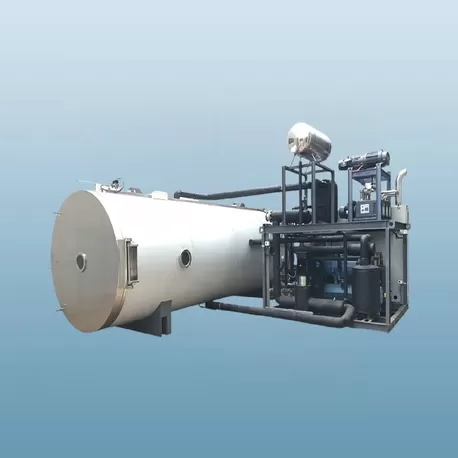
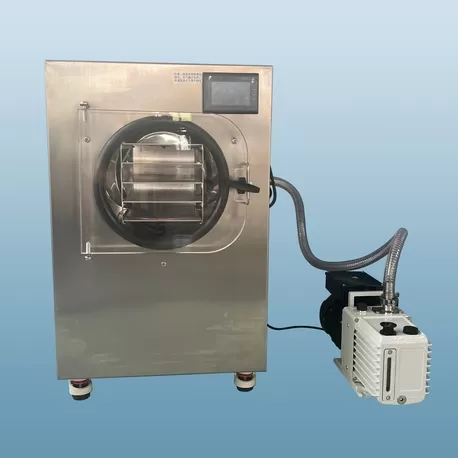
Freeze Dryer (Lyophilization)The premium choice for high-value goods.

Pros: Best possible retention of shape, flavor, and nutrients.Cons: extremely expensive to buy and operate, slow batch times.

If your priority is keeping operational costs low over the long term, the heat pump dryer is usually the smart choice. If you need speed for a high-volume production line, microwave technology might be better.

Factors That Influence Drying Speed and Quality

When operating a dryer, several variables affect the outcome. Understanding these helps operators fine-tune their processes.

Surface AreaThe smaller the pieces, the faster they dry. Slicing fruit thinly or grinding chemicals into a paste increases the surface area exposed to the air.

Airflow VelocityMoving air carries moisture away. However, too much speed can blow light products off trays, while too little leads to humidity saturation around the product. A well-designed dryer creates a balanced airflow that reaches every corner of the chamber.

Temperature ManagementHigher heat removes water faster but risks quality degradation.

Stage 1: Higher heat is often used initially to warm the product.Stage 2: Temperature is maintained to drive out moisture.Stage 3: Lower heat is used in the final stage to balance the moisture content.

dryer

Maintenance Tips to Extend the Lifespan of Your Dryer

Industrial machinery requires care. A neglected dryer will lose efficiency and eventually fail. Implementing a routine maintenance schedule keeps production running smoothly.

Clean the Filters regularlyIn a heat pump dryer, air circulation is everything. Dust and debris clog air filters, forcing the fans to work harder. This increases electricity usage and burns out motors. Check filters weekly.

Inspect the SealsThe drying chamber needs to be airtight. If door gaskets are cracked, heat escapes, and cold air enters. This disrupts the temperature balance. Replace worn rubber seals immediately.

Check the Condenser and EvaporatorOver time, dust builds up on the fins of the heat exchanger. This acts as insulation, preventing the system from cooling or heating the air effectively. Gentle cleaning with compressed air or a soft brush restores performance.

Lubricate Moving PartsConveyor belts, fans, and tray trolleys have moving components. Regular lubrication prevents friction and wear.

Calibrate SensorsTemperature and humidity sensors can drift over time. If the sensor reads 50°C but the actual temperature is 60°C, you might damage your product. verify calibration annually.

Why Smart Control Systems Matter

Modern industrial drying is no longer about flipping a switch and walking away. It is about data. Advanced dryer units come equipped with PLC (Programmable Logic Controller) touch screens.

These systems allow you to program "recipes." For example, drying apples requires a different curve than drying fish. You can save these settings. Next time you process apples, you simply load the profile.

This reduces human error. Operators do not need to guess the settings. The dryer executes the program precisely, ensuring Batch A looks exactly like Batch B.

Companies like Nasan integrate user-friendly interfaces into their machines. This makes it easy for staff to operate complex machinery without needing an engineering degree.

Environmental Impact and Sustainability

Sustainability is a growing concern for manufacturers. Reducing carbon footprint is not just good for the planet; it is good for marketing.

Traditional drying using coal or gas releases significant CO2. Switching to an electric heat pump dryer eliminates direct emissions. If your facility runs on renewable energy, your drying process becomes carbon neutral.

Furthermore, because these machines recycle heat, the total energy demand drops. This lowers the strain on the local power grid and aligns your company with international green manufacturing standards.

Selecting the right industrial dryer is a strategic move that impacts product quality, operational costs, and production speed. Whether you choose a heat pump system for its energy efficiency or a microwave system for its speed, the goal remains the same: removing moisture effectively while preserving value.

Technology in this field has advanced rapidly. We now have machines that sip electricity while delivering superior drying results. They offer automation, precision, and reliability that old hot-air ovens cannot match.

For businesses looking to upgrade their processing lines, partnering with experienced manufacturers is key. Nasan continues to lead the way in providing robust, efficient drying solutions tailored to global standards. By investing in the right technology today, you secure a more profitable and efficient tomorrow.

Frequently Asked Questions (FAQ)

Q1: What is the most energy-efficient type of industrial dryer available?

A1: The heat pump dryer is widely considered the most energy-efficient option for most industrial applications. It works by recycling waste heat rather than constantly generating new heat, which can reduce energy consumption by up to 70% compared to traditional electric or fossil fuel dryers.

Q2: How do I determine the right size dryer for my business?

A2: Sizing depends on your daily production volume and the moisture content of your raw material. You need to calculate how many kilograms of water must be removed per hour. Manufacturers usually categorize models by their loading capacity (e.g., 300kg, 1000kg, or continuous belt systems).

Q3: Can a microwave dryer damage food products?

A3: If used incorrectly, yes. However, modern microwave dryers have sophisticated controls to prevent overheating. When calibrated correctly, they are actually better at preserving nutrients and color because the drying time is significantly shorter than conventional methods.

Q4: How long does a standard drying cycle take?

A4: There is no single answer as it varies by material. Thin leafy herbs might dry in 3-4 hours in a heat pump dryer, while thick wood planks could take weeks. Dense fruits typically take between 10 to 20 hours depending on slice thickness and sugar content.

Q5: What support does Nasan provide for international customers?

A5: Nasan provides comprehensive support including installation guidance, operation training, and remote troubleshooting. They often offer customizable voltage and plug standards to ensure the machine works perfectly in your specific region.

Tags:

Related News

More +