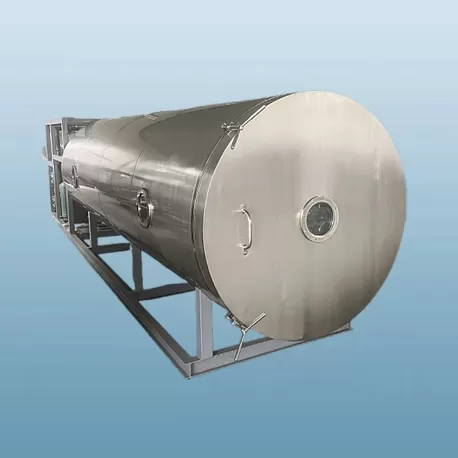
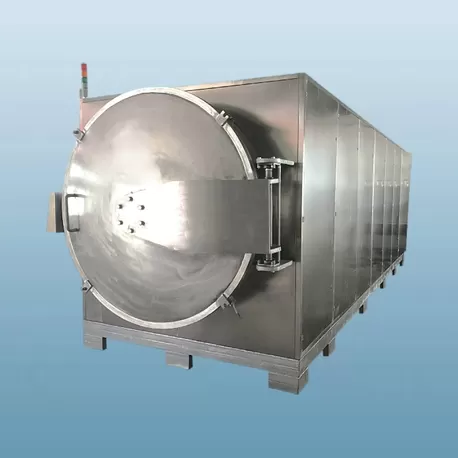
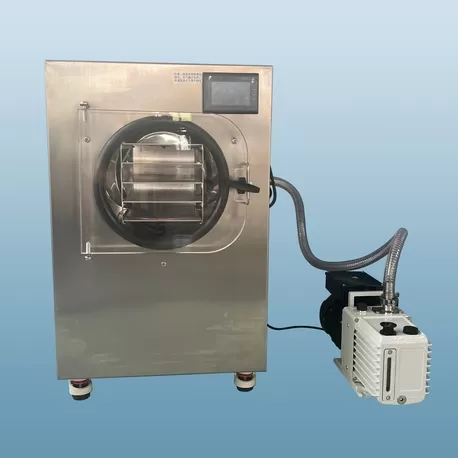
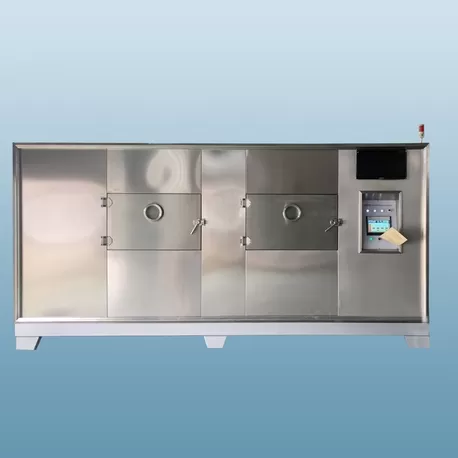
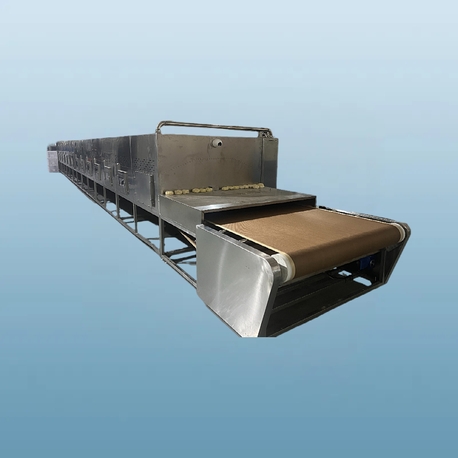
In today’s fast-paced industrial landscape, efficiency is paramount. One piece of equipment that plays a critical role in numerous sectors is the industrial dryer. From manufacturing plants to food processing facilities, dryers are indispensable for removing moisture, ensuring product quality, and streamlining operations. As industries evolve, choosing the right dryer solution can significantly impact productivity and bottom lines. Brands like Nasan have been at the forefront, providing reliable and innovative drying technologies tailored to diverse needs. This article delves into key aspects of industrial dryers, offering insights into their functions, processes, applications, and practical solutions.

Understanding the Core Functions of Industrial Dryers
An industrial dryer is designed to remove liquids, primarily water, from materials through evaporation. This process is vital for preserving products, reducing weight, and preparing items for further processing. Dryers come in various types, including rotary dryers, fluidized bed dryers, and spray dryers, each suited to specific materials and conditions.
The primary function of a dryer is to enhance material handling and storage. By eliminating moisture, dryers prevent degradation, mold growth, and spoilage. This ensures that products meet quality standards and have a longer shelf life. In industries like pharmaceuticals, dryers are used to dry powders and granules, maintaining consistency and efficacy.
Moreover, dryers contribute to energy efficiency. Modern dryer systems incorporate heat recovery and automation to minimize energy consumption. This not only cuts costs but also supports sustainable practices. For instance, Nasan’s dryer models often feature advanced heat exchange mechanisms, reducing operational expenses.
Step-by-Step Operational Process of a Typical Dryer
The operation of an industrial dryer follows a systematic flow. While specifics vary by type, the general process involves several key stages. Understanding this workflow helps in optimizing performance and troubleshooting issues.
First, wet material is fed into the dryer through a conveyor or loading system. The dryer’s design ensures even distribution to avoid clumping. In rotary dryers, for example, the material tumbles in a rotating drum, exposing it uniformly to heat.
Next, a heat source, such as gas, steam, or electricity, generates hot air or direct contact. This raises the material’s temperature, causing moisture to evaporate. The dryer’s internal components, like baffles or flights, agitate the material for thorough drying.
Then, the evaporated moisture is vented out through an exhaust system. Filters or cyclones may capture fine particles to prevent pollution. Finally, the dried material is discharged for packaging or further processing. Monitoring parameters like temperature and airflow is crucial for efficiency.
Regular calibration and maintenance of the dryer ensure consistent output. Brands like Nasan offer user-friendly controls and real-time monitoring options. This simplifies the operational process, even for complex drying tasks.
Key Industries and Applications Relying on Commercial Dryers
Industrial dryers serve a wide range of sectors, each with unique requirements. Their versatility makes them essential in modern production lines. Here, we explore some prominent fields where dryers are extensively used.
In the food and beverage industry, dryers process items like grains, fruits, and spices. They help in preservation and flavor retention. For instance, spray dryers convert liquid food into powders, such as milk or coffee, ensuring quick dissolution and long shelf life.
The chemical and pharmaceutical sectors use dryers for drying crystals, polymers, and active ingredients. Precision is key here, as moisture content affects chemical reactions and drug potency. Dryers with controlled atmospheres, like vacuum dryers, are common in these applications.
Textile manufacturing relies on dryers to remove water from fabrics after dyeing or washing. This speeds up production and enhances fabric quality. In mining and minerals, dryers reduce moisture in ores and concentrates, facilitating transportation and processing.
Agricultural applications include drying crops like rice and corn to prevent spoilage. Dryers also play a role in wastewater treatment, where sludge is dried for disposal or reuse. Nasan’s dryer solutions cater to these diverse needs, offering customizable options for each industry.
Common Challenges and Practical Dryer Solutions
Despite their importance, dryers can face operational hurdles. Addressing these challenges promptly ensures uninterrupted production. Below, we outline five common issues and effective solutions.
Uneven drying often occurs due to poor material distribution or inadequate airflow. To solve this, ensure proper loading and regular maintenance of dryer components. Upgrading to a dryer with better agitation, like a fluidized bed system, can improve consistency.
High energy consumption is a frequent concern. Implementing heat recovery systems and insulating dryer housings can cut costs. Nasan’s energy-efficient dryer models, for example, use recycled heat to reduce fuel usage.
Material contamination risks arise from worn-out parts or dirty interiors. Regular cleaning and using corrosion-resistant materials in dryer construction minimize this. Schedule inspections to replace filters and seals as needed.
Downtime from mechanical failures can be costly. Adopt preventive maintenance plans, including lubrication and vibration checks. Keeping spare parts on hand, such as belts or motors, speeds up repairs.
Compliance with environmental regulations is increasingly important. Install emission control devices, like scrubbers, on dryer exhausts. Choose dryers designed for low noise and pollutant output to meet standards.

Best Practices for Optimizing Dryer Performance
Maximizing the efficiency of your industrial dryer involves adherence to best practices. These tips help extend equipment life and enhance output quality. Start by selecting the right dryer type for your material. Consider factors like moisture content, particle size, and heat sensitivity.
Operate the dryer within recommended parameters. Avoid overloading or running at extreme temperatures, which can damage materials. Use sensors and automation to maintain optimal conditions. Regular training for operators ensures safe and effective use.
Maintenance is crucial for dryer longevity. Clean internal components weekly to prevent buildup. Check for wear and tear on moving parts, such as drums or fans. Lubricate bearings and inspect electrical connections periodically.
Monitor energy usage and seek upgrades. Retrofitting older dryers with modern controls can boost efficiency. Nasan provides retrofit kits that integrate seamlessly with existing systems, improving performance.
Finally, keep detailed records of dryer operations and maintenance. This data helps in identifying trends and planning upgrades. Collaborate with experts for audits and recommendations tailored to your setup.
Innovations in Dryer Technology for Future-Ready Operations
The dryer industry is evolving with technological advancements. Innovations focus on sustainability, automation, and precision. Smart dryers equipped with IoT sensors allow remote monitoring and predictive maintenance. This reduces downtime and optimizes energy use.
Heat pump dryers are gaining popularity for their low energy consumption. They recycle heat within the system, making them ideal for temperature-sensitive materials. Another trend is the use of renewable energy sources, like solar-powered dryers, in suitable climates.
Nasan has embraced these trends, offering dryers with AI-driven controls and eco-friendly designs. Their latest models feature adaptive drying cycles that adjust based on material feedback. This ensures consistent quality while minimizing waste.
As industries strive for greener practices, dryers with reduced carbon footprints will become standard. Investing in such technologies now prepares businesses for regulatory changes and market demands. Stay updated on dryer innovations to maintain a competitive edge.
Conclusion: Embracing Efficient Dryer Solutions for Industrial Success
Industrial dryers are more than just machinery; they are integral to productivity and quality across sectors. From understanding their functions to implementing solutions, a proactive approach can yield significant benefits. By addressing challenges and adopting best practices, businesses can enhance their drying processes.
Brands like Nasan continue to lead with reliable and innovative dryer options. Their commitment to efficiency and sustainability makes them a trusted partner for industrial needs. As you evaluate your drying requirements, consider the insights shared here to make informed decisions. Ultimately, a well-chosen dryer can drive operational excellence and long-term growth.
Frequently Asked Questions (FAQs)
Q1: What factors should I consider when selecting an industrial dryer for my facility?
A1: Key factors include the type of material to be dried, its initial moisture content, desired output quality, available space, energy sources, and budget. It’s also important to consider dryer capacity, operating costs, and compliance with industry standards. Consulting with experts from brands like Nasan can help tailor a solution to your specific needs.
Q2: How often should I perform maintenance on my commercial dryer to ensure optimal performance?
A2: Regular maintenance is essential; we recommend daily visual checks for leaks or unusual noises, weekly cleaning of filters and interiors, and monthly inspections of mechanical parts like belts and bearings. A comprehensive professional servicing should be done annually, or as per the dryer manufacturer’s guidelines, to prevent breakdowns and extend equipment life.
Q3: Can industrial dryers be used for heat-sensitive materials without causing damage?
A3: Yes, many modern dryers are designed for heat-sensitive materials. Options like vacuum dryers or low-temperature dryers operate at reduced temperatures, protecting delicate substances. Nasan offers specialized dryer models with precise temperature controls to safely handle pharmaceuticals, foods, and chemicals without degradation.
Q4: What are the energy-saving tips for operating a dryer in a cost-effective manner?
A4: To save energy, ensure proper insulation of the dryer housing, use heat recovery systems to reuse exhaust heat, maintain optimal loading levels to avoid overworking the dryer, and schedule operations during off-peak hours if electricity rates vary. Upgrading to an energy-efficient dryer, such as those from Nasan with advanced heat exchange, can also reduce consumption significantly.
Q5: How do I troubleshoot common issues like uneven drying or excessive noise in my dryer?
A5: For uneven drying, check for clogged filters, improper material distribution, or airflow blockages, and clean or adjust as needed. Excessive noise often indicates worn bearings, loose parts, or imbalance in rotating components; inspect and tighten or replace parts promptly. Refer to the dryer’s manual or contact support from providers like Nasan for specific troubleshooting steps tailored to your model.