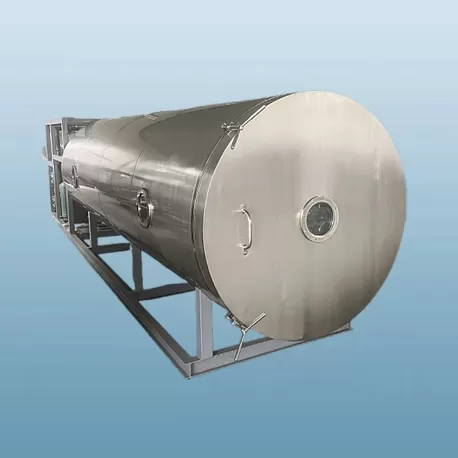
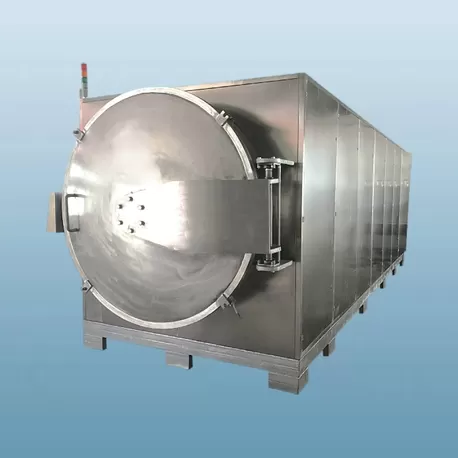
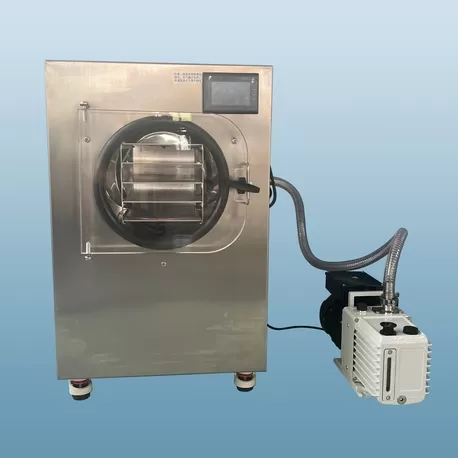
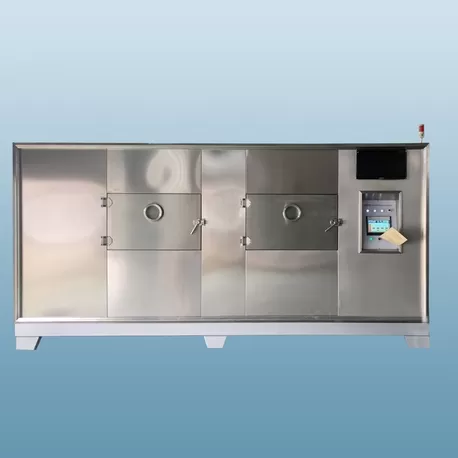
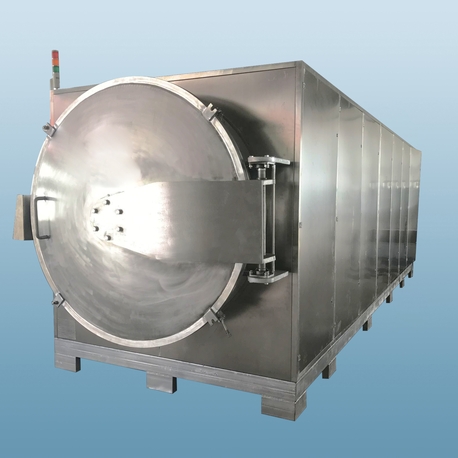
If you work in food processing or manufacturing, you know moisture is a constant enemy. It spoils products, clogs production lines, and wastes money. That's where an industrial food dehumidifier becomes a game-changer. Unlike simple dryers, these advanced systems precisely control air humidity, removing moisture at low temperatures to protect sensitive foods.
Think of it as climate control for your entire production or storage area. A reliable food dehumidifier tackles condensation, prevents microbial growth, and ensures your products are crisp, stable, and safe. For companies demanding precision, brands like Nasan provide robust dehumidification solutions built for the harsh demands of food plants.
This article breaks down the why and how of industrial food dehumidification. We'll explore its core functions, where it's used, and how to solve common humidity problems.

What Does an Industrial Food Dehumidifier Actually Do?
An industrial food dehumidifier is not a heater. Its primary job is to extract water vapor from the air within a controlled space. It creates a dry atmosphere that actively draws moisture out of food products or prevents moisture absorption in the first place.
This process is crucial for food drying and preservation. By maintaining a specific, low relative humidity (RH), dehumidifiers enable efficient drying at lower temperatures. This preserves flavors, colors, and nutrients often damaged by high-heat methods.
Another key function is preventing condensation. In cool storage areas, warm, moist air entering can cause water to form on ceilings, walls, and packaging. This wet environment is ideal for mold and bacteria. A dehumidification system removes this risk by keeping the dew point below surface temperatures.
Ultimately, a commercial dehumidifier for food ensures consistent quality, reduces waste, and helps you comply with strict food safety standards like HACCP and BRC.
How a Typical Food Dehumidification System Operates
The operation of a food dehumidifier hinges on condensation or adsorption. Most industrial units use a desiccant dehumidifier or a refrigerant-based system.
In a desiccant dehumidifier, a hygroscopic rotor (often using silica gel) absorbs moisture from the incoming wet air stream. A separate hot air stream then reactivates the rotor by driving off the collected moisture, which is exhausted outside. This cycle is continuous and highly effective, even in cold environments.
The process starts with humid air being drawn into the unit by a fan. The air passes through the desiccant wheel, where water vapor is trapped. The now-dry, warm air is discharged into the room or process area.
For the reactivation cycle, a separate heater warms a smaller air stream. This hot air passes through a section of the rotating wheel, stripping the moisture from the desiccant. The moisture-laden reactivation air is then vented outdoors.
This allows for precise humidity control, with systems like those from Nasan offering automated controls to maintain setpoints, ensuring optimal conditions 24/7 with minimal energy use.
The use of industrial dehumidifiers spans the entire food supply chain. Anywhere moisture threatens quality, you'll find these systems at work.
1. Snack and Cereal Manufacturing: Keeping crackers crisp and breakfast cereals crunchy is a constant battle. Dehumidification in packaging areas prevents soggy products after sealing. It's also vital in coating processes, where it sets batters and glazes quickly.
2. Cheese and Charcuterie Aging Rooms: Traditional aging requires specific, stable humidity levels. Too much moisture causes spoilage; too little hardens the product. A specialized food dehumidifier food dehumidifier creates the perfect microclimate for consistent, safe aging.
3. Powder Processing (Milk, Spices, Protein): Hygroscopic powders are notorious for clumping. Controlling air humidity in milling, mixing, and packaging rooms is essential. It prevents caking, ensures flowability, and maintains a sterile environment by inhibiting bacterial growth.
4. Confectionery and Chocolate Production: Sugar and chocolate are highly sensitive to moisture. In cooling tunnels and storage areas, dehumidifiers prevent sugar bloom (white spots) on chocolate and stop candies from sticking together.
5. Large-Scale Ingredient Storage (Grains, Nuts, Coffee): Bulk storage silos and warehouses use massive industrial dehumidification systems to protect against mold and aflatoxin development. This preserves commodity value over long periods.
6. Pharmaceutical and Nutraceutical Ingredients: While not "food" per se, this adjacent sector has zero tolerance for moisture. Dehumidifiers protect raw materials and finished capsules during production and storage, meeting stringent GMP standards.
7. Centralized Packaging Halls: Modern facilities often have one large packaging area serving multiple lines. A centralized Nasan dehumidifier system can protect all lines simultaneously, ensuring every package—from dried fruit to pasta—is sealed in dry air.
Solving 5 Common Moisture Problems with a Dehumidifier
Every food plant manager faces moisture-related issues. Here are practical solutions a properly sized food dehumidifier can provide.
Problem 1: Product Clumping in Bags or Silos. This is a clear sign of ambient humidity being too high during filling or storage.
Solution: Install a dehumidifier to dry the air in the filling/packaging station or provide dry air purge to storage silos.
Problem 2: Mold Growth on Walls or Ceilings in Cold Storage. Condensation creates a biofilm that contaminates products.
Solution: A desiccant dehumidifier is perfect for cold rooms. It actively removes moisture from the air before it can condense, keeping surfaces dry and clean.
Problem 3: Inconsistent Drying Times for Air-Dried Products. Natural air drying is slow and weather-dependent.
Solution: Use a dehumidification system to create a controlled drying climate. This speeds up the process, improves consistency, and allows for year-round production.
Problem 4: Packaging Failure or Label Adhesion Issues. Moisture trapped in packages or on surfaces causes labels to peel and seals to weaken.
Solution: Condition the air in the packaging area with a commercial dehumidifier. This ensures labels stick and seals remain intact throughout the product's life.
Problem 5: High Energy Costs from Over-Using Heaters to "Dry" the Air. Heating moist air is an inefficient way to lower relative humidity.
Solution: A dedicated food dehumidifier removes moisture directly. This is far more energy-efficient than heating and venting, leading to significant cost savings, a principle central to Nasan's energy-optimized designs.

Optimizing Your Food Dehumidifier for Peak Performance
Buying the right food dehumidifier is only the first step. Proper integration and maintenance are key.
First, conduct a professional humidity load assessment. Factor in room size, air changes, product moisture release, and outside conditions. Oversizing or undersizing leads to wasted energy or ineffective control.
Integrate the unit with your Building Management System (BMS). This allows for proactive humidity control based on production schedules, optimizing energy use.
Regular maintenance is non-negotiable. Clean or replace intake filters monthly. For desiccant dehumidifiers, inspect the rotor annually for dust loading or damage. Schedule professional servicing to check fans, heaters, and controls.
Train your staff. Operators should know how to read the control panel, understand setpoints, and recognize basic alarm signals. This empowers them to be the first line of defense.
The Future of Food Dehumidification: Smarter and More Efficient
The trend is toward smarter, connected systems. Modern food dehumidifiers feature IoT sensors that monitor performance in real-time, predicting maintenance needs before a failure occurs.
Energy recovery is a major focus. Advanced systems from innovators like Nasan use heat from the reactivation process to pre-warm incoming air, slashing energy consumption by up to 50%.
We also see a move toward modular, scalable designs. Plants can start with a core dehumidification system and add modules as production expands, protecting their initial investment.
As sustainability goals tighten, the role of precise, low-energy dehumidification will only grow, making it a cornerstone of efficient and responsible food production.
Conclusion: A Dry Investment for a Secure Food Future
Controlling moisture isn't just a technical detail; it's a critical business strategy. An industrial food dehumidifier safeguards your product quality, reduces costly waste, and strengthens your food safety protocols.
It’s an investment that pays for itself through reduced spoilage, lower energy costs compared to outdated methods, and enhanced brand reputation for consistency. When evaluating dehumidification solutions, consider proven partners with industry expertise. Brands like Nasan have built a reputation on delivering durable, efficient systems designed specifically for the demanding food and pharmaceutical sectors.
By mastering your environment, you secure your products and your profitability.
Frequently Asked Questions (FAQs)
Q1: What's the difference between a food dehumidifier and a regular dryer?
A1: A dryer applies direct heat to a product to evaporate moisture. A food dehumidifier conditions the air around the product by removing moisture vapor. This allows for gentle, low-temperature drying and is better for preventing surface hardening or nutrient loss in sensitive foods.
Q2: Can a dehumidifier work effectively in a refrigerated warehouse?
A2: Absolutely. In fact, this is a prime application. Refrigeration alone removes moisture by condensing it on cooling coils, but this can be inefficient and cause ice buildup. A desiccant dehumidifier works actively and efficiently at low temperatures to control humidity without overworking the refrigeration system, preventing frost and condensation.
Q3: How do I calculate what size of industrial dehumidifier I need?
A3: Sizing requires a detailed calculation of the humidity load. Key factors include: the volume of the space, desired temperature and RH setpoints, number of air changes (door openings, ventilation), the amount and type of product releasing moisture, and local climate data. It's best done by a specialist or by using sizing tools provided by manufacturers like Nasan.
Q4: Are industrial food dehumidifiers expensive to run?
A4: Modern, properly sized units are designed for energy efficiency. While they consume electricity, they save significant money by reducing product waste, preventing downtime for cleaning mold, and are often more efficient than using heaters for humidity control. Features like variable-speed fans and automatic humidity control further minimize running costs.
Q5: How do I maintain an industrial desiccant dehumidifier?
A5: Maintenance is relatively straightforward. Key tasks include: regularly cleaning or replacing the process and reactivation air filters (every 1-3 months), annually inspecting the desiccant rotor for debris or damage, checking and cleaning the fan blades, and ensuring all electrical connections are tight. Always follow the specific maintenance schedule in your unit's manual.