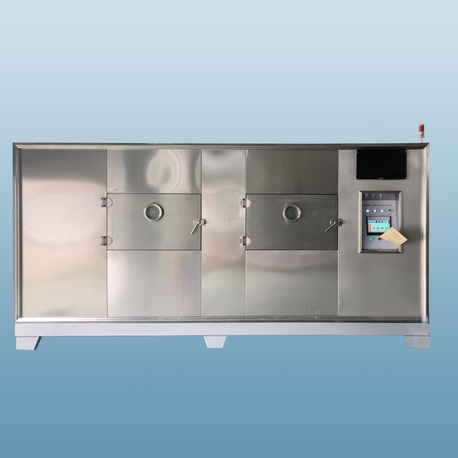

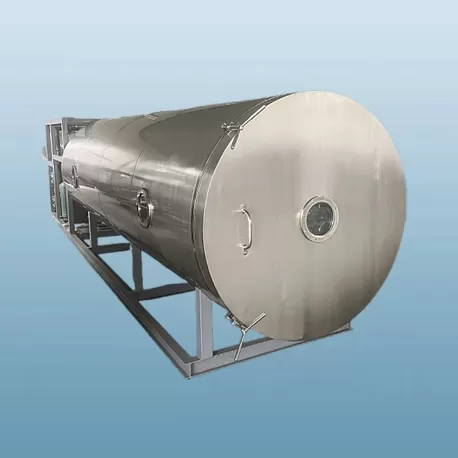
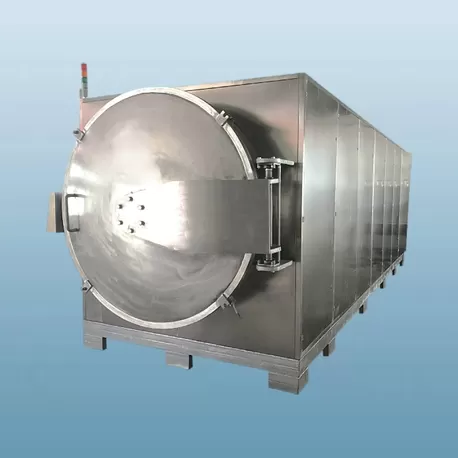
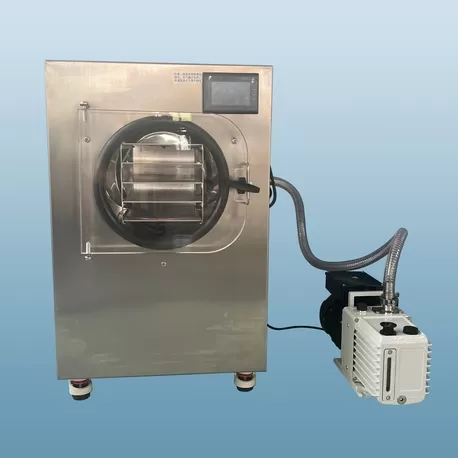
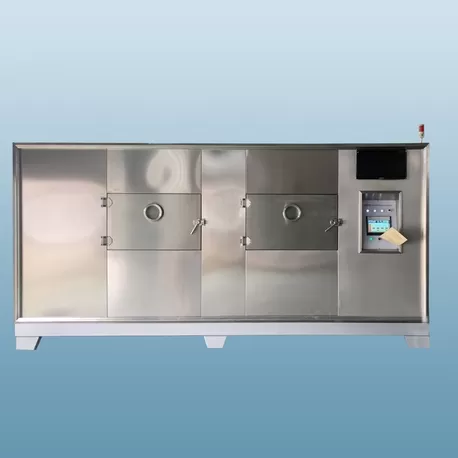
Industrial drying is a critical step in manufacturing. It must be fast, efficient, and gentle to protect product value and viability. For heat-sensitive materials, traditional hot-air methods often fall short. They can degrade nutrients, destroy aromas, and damage active ingredients. Vacuum microwave dehydration has emerged as a superior industrial process. It combines two gentle forces—vacuum and microwave energy—to remove moisture rapidly at low temperatures. This technology is now a cornerstone for producers of high-value, sensitive goods. Leading manufacturers like Nasan have refined this technology into reliable, high-capacity systems that meet the rigorous demands of global commercial production.

Understanding the process starts with its two core components working in synergy. First, a powerful vacuum system lowers the air pressure inside the sealed drying chamber. This action significantly reduces the boiling point of water. Under vacuum, water can evaporate at temperatures as low as 20-40°C, far below the standard 100°C.
Second, controlled microwave energy is introduced. Unlike external heating, microwaves penetrate the material uniformly. They agitate water molecules throughout the entire product volume, generating heat from the inside out.
This combination creates a highly efficient drying environment:
The result is a precise, controlled method that preserves the very qualities other systems destroy. Nasan designs its vacuum microwave dehydration equipment with precise sensors and PLC controls to manage this delicate balance perfectly.
The shift to vacuum microwave dehydration offers tangible, bottom-line benefits for commercial operators. These advantages address both product quality and operational efficiency.
This technology is not universal, but it is transformative for specific sectors where product quality dictates market price and success.

Seeing how it stacks up against traditional methods clarifies its value.
Nasan's industrial systems are engineered to provide a robust and scalable alternative, offering the precision of vacuum microwave dehydration in formats suitable for both pilot-scale development and full continuous production lines.
For commercial producers of sensitive, high-value materials, drying is more than just moisture removal—it's a vital step that defines final product quality and profitability. Vacuum microwave dehydration represents a clear technological advancement, providing a solution that prioritizes both speed and preservation. It enables manufacturers to meet rising consumer and regulatory demands for premium, natural, and effective products. By investing in advanced drying technology from experienced providers like Nasan, businesses can secure a significant competitive advantage, enhancing product portfolios and improving operational efficiency. The future of industrial drying for premium sectors is firmly aligned with the principles of efficient and gentle vacuum microwave dehydration.
Q1: Is vacuum microwave dehydration safe for organic products?
A1: Absolutely. Its low-temperature, rapid process is ideal for organic certification. It helps preserve the natural compounds that define organic quality without using chemical additives or excessive heat that can cause degradation.
Q2: What is the typical moisture reduction achievable with this method?
A2: The system can efficiently reduce moisture content to very low levels, often below 5% or even to 2-3% for pharmaceutical powders. The precise final moisture point is easily controlled and repeated batch after batch with automated systems.
Q3: How does the equipment handle different batch sizes or materials?
A3: Industrial systems are designed for flexibility. Adjustable microwave power, programmable vacuum levels, and different tray configurations allow operators to create custom profiles for various materials and batch sizes, from a few kilograms to several hundred kilograms per cycle.
Q4: Does the microwave component create any safety hazards?
A4: No. Reputable industrial systems like those from Nasan are fully shielded and sealed. Rigorous safety interlocks prevent operation if the chamber is not properly sealed, containing all microwave energy safely within the unit, meeting all international safety standards.
Q5: Can this method handle liquid or paste-like materials?
A5: Yes, with specific configurations. Specialized trays or atomization systems can be integrated to dry liquid extracts, slurries, or thick pastes directly into a free-flowing powder in one step, preserving heat-sensitive components often lost in high-temperature spray drying.