Traditional open-air sun drying creates major headaches for modern seafood
operations. Unpredictable weather halts production schedules. Dust, flies, and
coastal bird contamination jeopardize your food safety audits. Uneven drying
rates leave raw fish prone to spoilage, reducing your export margins.
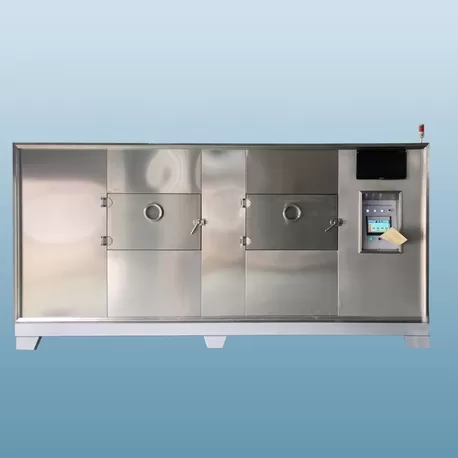
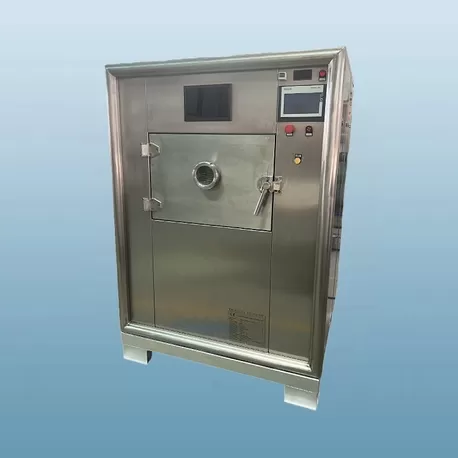
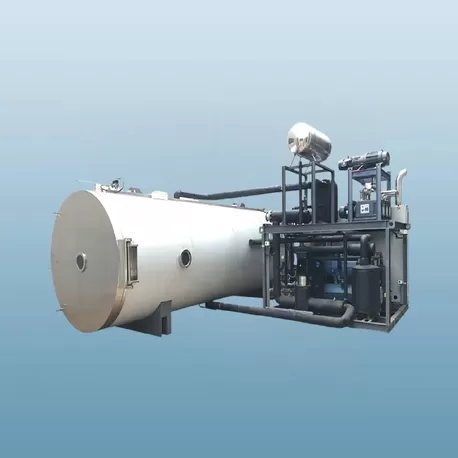
Investing in a commercial fish drying machine eliminates these operational
bottlenecks. At Nasan, we engineer industrial dehydration systems that help
seafood processors transition from weather-dependent operations to fully
automated, climate-controlled facilities. Choosing the right machinery requires
balancing upfront capital expenditure against long-term operational costs,
production throughput, and hygiene standards.
If you are planning to upgrade your seafood plant or expand daily processing
volumes, contact our engineering team today for a tailored factory layout and
equipment quote.
Comparing Industrial Seafood Dehydrator Technologies
Selecting the wrong drying method leads to high electricity bills or damaged
fish stock. Each drying technology handles heat transfer and moisture removal
differently. Your choice depends directly on your raw material characteristics,
target moisture percentage, and production scale.
| Technology Type | Best Suited For | Operating Temperature | Energy Efficiency | Capital Cost |
|---|
| Heat Pump Dehumidifier | Medium to large plants, high-fat fish, export fillets | 20°C to 65°C | Very High (COP 3.0-4.0) | Moderate to High |
| Hot Air Circulation Room | Small processors, low-budget setups, lean fish | 40°C to 80°C | Low (high heat loss) | Low |
| Continuous Mesh Belt Dryer | High-volume industrial lines, shrimp, small fish | 40°C to 90°C | Moderate | High |
| Vacuum Freeze Dryer | High-value marine products (sea cucumber, pet treats) | Sub-zero to 40°C | Low (high electrical draw) | Very High |
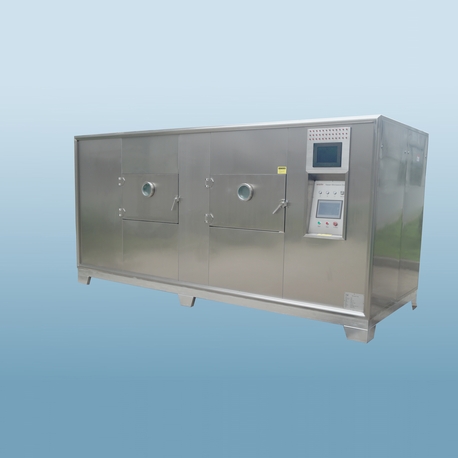
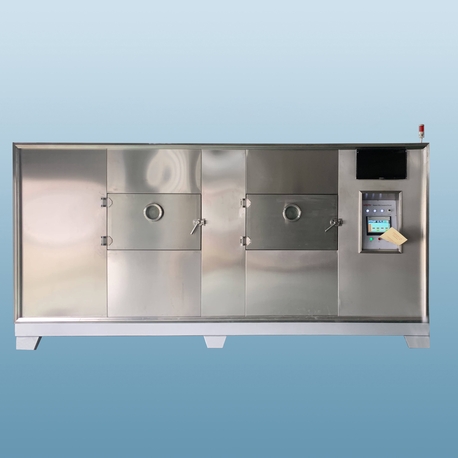
A closed-loop heat pump fish dryer provides superior control over both
humidity and temperature. Instead of venting hot, moist air outside, the system
uses an evaporator to condense water vapor out of the circulating air. A
condenser then reheats that same dry air to continue the cycle.
This closed setup prevents outside dust and insects from contacting your
fish. Most importantly, it allows drying at low temperatures between 25°C and
45°C. Low temperatures keep fish fats from rendering, prevent surface case
hardening, and preserve the natural color of the flesh.
Hot Air Circulation Drying Rooms
Hot air drying rooms use electrical resistance heaters, steam coils, or gas
burners to heat ambient air. Blowers push this heated air across drying racks,
and exhaust fans purge the moisture-laden air outside.
While the purchase price is lower, operational costs run high. Because these
systems continuously heat cold ambient air and vent thermal energy into the
atmosphere, electricity or fuel consumption spikes during cold or humid seasons.
They work well for lean fish species but often degrade the fat quality in oily
fish.
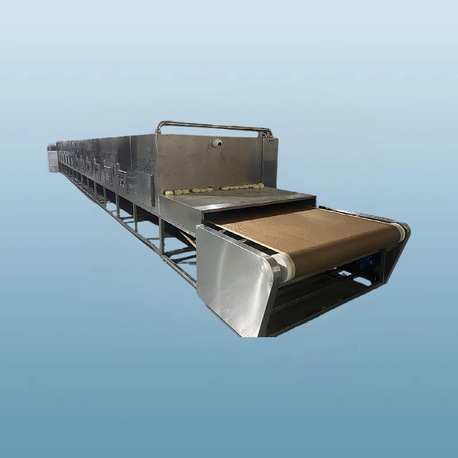
Continuous Mesh Belt Dryers
Continuous dryers transport seafood across multiple perforated stainless
steel belts inside a long drying tunnel. Operators feed raw seafood onto one
end, and dried product discharges continuously from the other.
These machines are built for large-scale operations processing tons of
uniform, small-sized products daily, such as krill, anchovies, and small shrimp.
They integrate directly into continuous sorting and packaging lines, minimizing
manual tray loading.
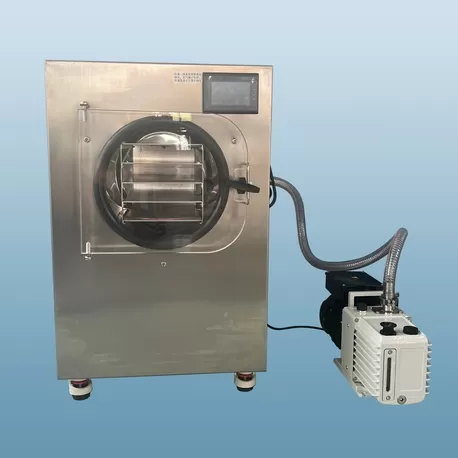
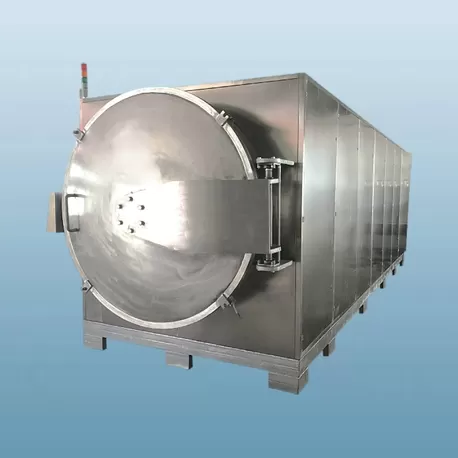
Freeze drying freezes the fish and then sublimates the ice directly into
vapor under a deep vacuum. This process completely preserves the original
cellular structure, nutritional density, and shape of the seafood.
Because the equipment carries steep capital and operational costs, processors
reserve it for premium marine goods. Sea cucumbers, abalone, shark cartilage,
and high-margin freeze-dried pet treats justify this level of investment.
Five Critical Technical Factors When Choosing a Fish Dryer
Industrial seafood processing environments are harsh. Salt, high moisture
levels, and continuous daily runs quickly expose poor machinery construction.
Look closely at these five engineering parameters before issuing a purchase
order.
1. Corrosion Resistance and Stainless Steel Grades
Seafood contains high concentrations of salt and organic acids. Standard
galvanized metal or low-grade stainless steels rust rapidly under these
conditions, contaminating your food batches and causing cabinet structural
failures.
Internal Cabinets and Air Ducts: Demand food-grade SUS304
stainless steel at a minimum. For high-salinity brine curing, specify SUS316 for
internal ductwork and evaporators.
Drying Trays and Trolleys: Trays must withstand daily
hot-water washdowns and caustic detergents. Electropolished SUS304 wire mesh
prevents fish skin from sticking and tearing during unloading.
Heat Exchanger Coils: Ensure all heat pump evaporator coils
feature hydrophobic anti-corrosive coatings (such as blue fin or epoxy coatings)
to prevent salt-fog degradation.
2. Independent Temperature and Dehumidification Control
Removing water from fish muscle tissue requires a delicate balance. High heat
cooks the fish instead of drying it, leading to a hard outer skin that traps
internal moisture. This trapped moisture eventually causes bacterial rot during
storage.
Look for an industrial seafood dehydrator equipped with independent humidity
extraction. The system must lower the relative humidity inside the drying
chamber without relying solely on raising the heat. Advanced PLC controllers
should allow multi-stage recipe programming, letting you start at 30°C for
surface dewatering and shift to 45°C for internal moisture extraction.
3. Batch Capacity and Factory Floor Footprint
Equipment capacity claims can be misleading. A machine rated for "1,000 kg of
fresh fish" might hold that volume for thin flatfish, but only 600 kg for thick,
whole mackerel requiring wider tray spacing.
Review the effective drying surface area (total square meters of tray space)
rather than raw chamber volume. Plan your room layout around the workflow: raw
fish prep, trolley staging, dehydration chamber, cooling zone, and primary
packaging. Allow sufficient clearance around drying chamber doors for workers to
roll heavy trolleys smoothly in and out.
4. Energy Efficiency and Operating Costs (OPEX)
Energy consumption represents your largest ongoing expense after raw seafood
purchasing. Traditional electric element dryers consume massive amounts of power
because they dump sensible heat outside through exhaust fans.
Heat pump systems recover both latent and sensible heat. By recycling the
thermal energy within an insulated chamber, a heat pump fish dryer can cut power
consumption by 60% to 75% compared to direct electrical heating. Over a standard
annual run of 300 production days, those utility savings easily offset the
initial price difference of the machine.
5. CIP Sanitation and HACCP Compliance
Fish oils, scales, and proteins accumulate on floors, trays, and fans.
Equipment that is difficult to wash leads to cross-contamination, mold
formation, and failed export inspections.
Ensure the drying chamber features an integrated floor drain with a
continuous slope. Corners should feature coved radii rather than sharp 90-degree
welds where fish debris can collect. Fan assemblies and air baffle plates should
feature tool-less quick-release latches so sanitation crews can wash down every
inch of the air delivery plenum.
Tailoring the Drying Process to Different Fish Species
Fish anatomy dictates drying parameters. A single generic program cannot dry
oily fish, lean whitefish, and shell-on seafood with equal success. Nasan equips
its commercial fish drying systems with multi-phase recipe profiles engineered
for distinct marine groups.
High-Fat Fish (Mackerel, Eel, Sardines)
Oily fish varieties turn brown and develop a rancid taste if dried at
temperatures above 40°C. The polyunsaturated fats oxidize rapidly in hot air.
These species require cold-air drying (20°C to 35°C) with continuous high-volume
dehumidification. This process retains clear oil stability, golden skin luster,
and proper chewiness.
Thick and Bone-In Fish (Cod Fillets, Stockfish, Large Squid)
Thick muscle blocks slow down moisture migration from the core to the
surface. If you dry them too fast, case hardening seals the surface pores. These
products need a three-stage drying curve:
Stage 1 (Initial Run): Mild temperature (35°C), high
airflow, moderate humidity to remove surface water.
Stage 2 (Sweating Phase): Lower airflow, slightly higher
humidity to pull deep-tissue water outward without crusting.
Stage 3 (Final Curing): Moderate heat (45°C) to drop
finished moisture down to the standard 15% to 18% export threshold.
Small Forage Fish (Anchovies, Silverfish)
Small, delicate fish dry quickly but blow around easily. High-velocity
lateral air delivery systems can blast them off trays and pile them into
corners. For these species, select equipment with reversible, variable-frequency
drive (VFD) blowers. Gentle, uniform vertical airflow dries the layer evenly
without damaging delicate fins or tails.
Calculating the ROI of an Industrial Seafood Dehydrator
Upgrading your seafood processing equipment requires clear financial
justification. Evaluating energy-efficient fish dryer ROI involves factoring in
finished product yields, labor efficiency, and grade quality improvements.
Consider a plant processing 2,000 kg of fresh fish per daily batch:
Yield Consistency: Sun drying often results in a 5% to 8%
product loss due to bird damage, rain spoilage, or over-drying. Precision
climate control eliminates these losses completely.
Quality Premiums: Controlled dehydration prevents oxidation
and insect contact. Clean, uniform-grade dried fish commands an export price
premium of 15% to 30% over traditional sun-dried stock.
Labor Reductions: Rolling pre-loaded trolleys into a drying
chamber takes two workers less than twenty minutes. Sun drying requires constant
labor to lay out screens, flip fish by hand, and scramble to cover racks when
rain hits.
Shorter Drying Cycles: Open-air methods take three to five
days. An industrial heat pump fish dryer finishes the identical batch in 14 to
24 hours, boosting your annual plant throughput dramatically.
Most commercial seafood facilities achieve complete payback on a modern heat
pump installation within 12 to 18 months through energy savings and higher
product quality alone.
Procurement Pitfalls: What to Avoid
Low-cost machinery bids often conceal design flaws that cause headaches
later. Protect your capital investment by watching out for these common
manufacturing shortcuts:
First, avoid light-gauge stainless steel. Chambers built with 0.8 mm sheet
metal warp under thermal cycling, allowing air leaks around door gaskets. Demand
structural wall panels with at least 1.2 mm to 1.5 mm thickness backed by
high-density polyurethane insulation.
Second, never buy drying equipment without material testing. Trustworthy
manufacturers will run your actual raw fish stock through their pilot test
chambers. This verifies drying times, final moisture percentages, and energy
draw before you sign off on custom manufacturing.
Third, verify sub-component brand origins. Ensure critical parts like
refrigeration compressors (Copeland, Bitzer), air blowers, and PLC touchscreens
(Siemens, Schneider) are globally sourced brands with local spare-parts
availability in your home country.
Frequently Asked Questions
Q1: What is the optimal finished moisture content for commercially
dried fish?
A1: For commercial long-term shelf stability at ambient
temperatures, target a final moisture content between 15% and 18%. For salted
semi-dry products, the moisture level typically sits higher, between 25% and
35%, which requires refrigerated packaging.
Q2: How long does a typical fish drying cycle take in a heat pump
system?
A2: Cycle times vary from 12 to 36 hours based on fish
thickness, fat percentage, and whether the fish is dried whole, split, or
filleted. Small anchovies dry in roughly 10 to 14 hours, while thick, split cod
fillets typically require 24 to 30 hours.
Q3: Can I use one commercial fish dryer for different seafood
varieties?
A3: Yes. Modern dryers equipped with programmable PLC
microcomputers let you store customized multi-stage recipes. You can seamlessly
switch between cold-air cycles for fatty mackerel and warmer, multi-phase cycles
for squid or shrimp.
Q4: Why does my dried fish turn dark or yellow during the drying
process?
A4: Discoloration results from lipid oxidation and Maillard
browning reactions, which occur when drying temperatures are too high or air
humidity stays too high for too long. Lowering the chamber temperature and
accelerating early dehumidification resolves this problem.
Q5: What are the primary electrical supply requirements for an
industrial seafood dehydrator?
A5: Commercial units require a
three-phase electrical supply (typically 380V–480V, 50Hz or 60Hz). Connected
loads depend on capacity: a 1,000 kg batch heat pump system typically draws
between 12 kW and 20 kW of running power, which is far lower than pure resistive
electric heating.
Scale Your Seafood Processing with Nasan
Reliable commercial drying turns raw seafood into high-value, shelf-stable
export products. Specifying corrosion-resistant materials, dedicated humidity
control, and energy-efficient heat pump technology safeguards your product
quality and operating margins for years to come.
Nasan manufactures advanced industrial seafood dehydrator systems tailored to
the exact capacity and processing requirements of your plant. Submit your
project requirements, target daily tonnage, and fish species to our engineering
team today to receive a detailed system proposal and operational payback
analysis.