Fresh mushrooms contain between 85% and 90% water. Without immediate
post-harvest processing, spoilage begins within hours. Dehydration resolves this
issue by extending shelf life while preserving fragile umbrella shapes, earthy
aromas, and bioactive compounds like polysaccharides.
The global demand for edible and functional mushrooms continues to climb in
2026. Commercial growers face increasing pressure to modernize their drying
operations. Selecting the right machinery affects operational expenses, final
product grade, and overall profitability. If you plan to upgrade your facility,
Nasan and other industry pioneers offer cutting-edge
dehydration systems designed for modern food processors. Contact our engineering
team today to review your project specifications.
Evaluation Criteria: How We Ranked the Top Manufacturers
Finding a reliable equipment partner requires careful due diligence. We
evaluated leading dehydration brands using four practical metrics:
- Technological Versatility: The ability to supply diverse
systems, including heat pump drying chambers, continuous mesh belt conveyors,
and vacuum freeze dryers.
- Energy Efficiency: Real-world Coefficient of Performance
(COP) ratings that reduce operating costs while meeting strict 2026 carbon
emission standards.
- Build Quality and Quality Assurance: Structural use of
food-grade stainless steel (SUS304/SUS316), alongside documented factory
acceptance tests.
- Global Logistics and Compliance: International
certifications (such as CE, ISO, and UL) supported by reliable spare-parts
delivery and after-sales field support.
Top 10 Mushroom Dryer Manufacturers in 2026
1. Nasan
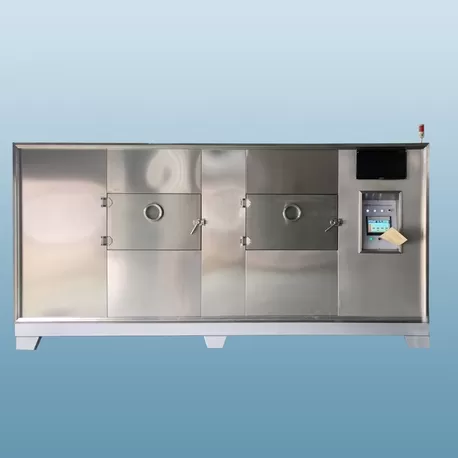
Nasan stands out as an international leader in custom commercial and
industrial drying equipment. With more than 20 years of manufacturing
experience, the company pairs precision engineering with responsive technical
support. Nasan operates dedicated research laboratories, strict quality control
protocols, and modern fabrication shops staffed by experienced technicians.
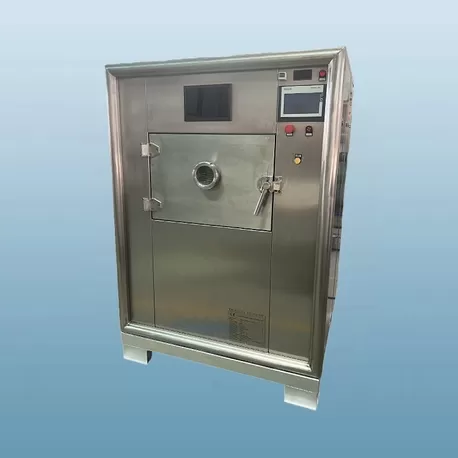
Nasan manufactures a comprehensive equipment portfolio tailored specifically
to edible and medicinal fungi. Their product range includes:
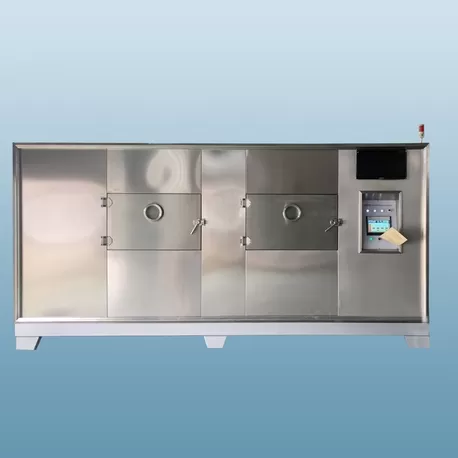
- Intelligent Heat Pump Dehydrators: Closed-loop drying
chambers that slash electrical consumption while preserving delicate aromas and
natural mushroom pigmentation.
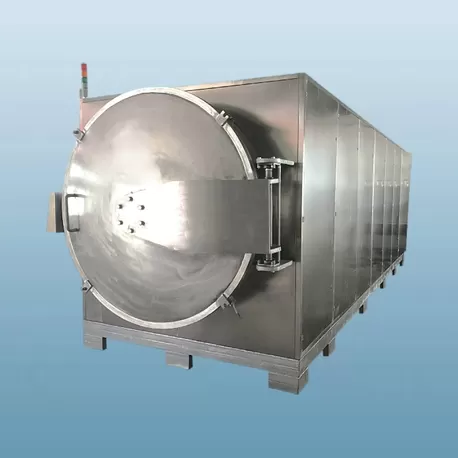
- Industrial Mesh Belt Dryers: Multi-layer continuous drying
systems built for large-tonnage operations processing button mushrooms, oyster
mushrooms, and shiitake.
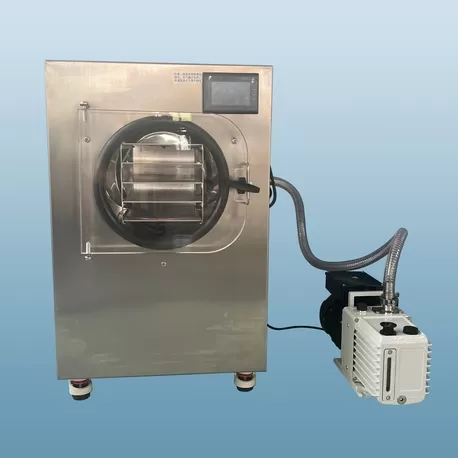
- Pharma-Grade Freeze Dryers: Advanced sublimation units
designed to preserve active medicinal compounds in high-value species like
Lion's Mane, Reishi, and Cordyceps.
Nasan exports high-capacity drying systems across the globe. You can find
active Nasan installations throughout the United States, Germany, France, Italy,
Malaysia, Russia, South Africa, Mexico, and Australia. Their engineering staff
works directly with clients to adapt machines to available factory space,
regional electrical profiles, and target moisture levels.
2. GEA Group
Headquartered in Germany, GEA Group provides large-scale engineering systems
for global food manufacturing. Their industrial thermal solutions serve
multinational processors that require turn-key, fully automated drying plants.
GEA equipment delivers remarkable sanitary designs, though it often comes at an
investment level best suited for major corporate facilities.
3. Bühler Group
Bühler is a Swiss multinational recognized worldwide for advanced food
processing machinery. Their drying systems emphasize digital integration,
automated moisture regulation, and hygienic handling. Bühler continuous conveyor
systems handle massive daily throughputs, making them popular among
enterprise-scale vegetable and mushroom processors.
4. CPM Wolverine Proctor
With operational facilities in the United States and the United Kingdom, CPM
Wolverine Proctor manufactures continuous conveyor dryers. Their multi-stage
mesh belt equipment allows precise airflow control across every processing zone.
This design helps operations dry uniform mushroom slices without uneven moisture
pockets or scorched edges.
5. Devex Verfahrenstechnik
Based in Germany, Devex designs custom drying and extraction systems for
pharmaceutical and food applications. Their industrial vacuum dryers excel at
preserving active biological compounds. Medicinal mushroom processors often
select Devex equipment when preparing functional Reishi and Chaga extracts for
nutraceutical markets.
6. Innotech Ingenieursgesellschaft mbH
Innotech specializes in sustainable drying setups for agricultural
applications. Located in Germany, the company manufactures energy-efficient
commercial hot air dryers and solar-assisted dehydrators. Their equipment suits
mid-sized commercial farms looking to lower their daily carbon output.
7. FOMACO
Based in Northern Europe, FOMACO provides industrial processing lines for
diverse food products. While broadly known for protein processing, their
specialized continuous dehydration tunnels deliver precise temperature and
humidity management. These systems maintain original mushroom cap textures
throughout long drying runs.
8. Kason Corporation
Kason Corporation manufactures fluid bed dryers and screening machinery in
North America. Their circular fluid bed systems dry cut mushrooms quickly by
suspending slices on an upward cushion of heated air. This design transfers heat
rapidly and reduces the physical handling of delicate mushroom pieces.
9. Clextral
France-based Clextral manufactures industrial processing lines recognized for
thermal efficiency. Their continuous drying technologies give processing plants
pinpoint control over evaporation rates. Clextral systems fit well into
automated lines handling secondary mushroom goods like soup powders and
seasoning blends.
10. Ventilex
Ventilex manufactures heavy-duty industrial dehydration equipment in the
Netherlands. Their energy-efficient fluid bed systems run on advanced
algorithmic controls that modulate heat based on real-time exhaust humidity.
This fine-tuned approach prevents surface case-hardening during critical
moisture extraction stages.
Comparison of Commercial Mushroom Drying Technologies
Selecting an effective dehydration setup requires balancing startup capital
against daily running expenses and final quality requirements. The table below
outlines how primary drying methods perform:
| Drying Technology | Capital Investment | Energy Consumption | Product Color & Shape | Nutrient Retention |
|---|
| Continuous Mesh Belt | Moderate to High | Moderate | Good (Slight Shrinkage) | Moderate (70%-80%) |
| Heat Pump Dehydrator | Moderate | Lowest (High COP) | Very Good (Minimal Browning) | High (80%-90%) |
| Vacuum Freeze Dryer | High | High | Excellent (Zero Shrinkage) | Superior (95%+) |
Buyer’s Guide: Choosing the Right Mushroom Dryer
Every commercial facility balances different product varieties and production
targets. Consider these operational points before purchasing a machine:
- Raw Mushroom Variety: Delicate wild varieties like Morels
and Chanterelles need gentler drying temperatures than tough Shiitake caps. If
you process high-value medicinal mushrooms, consider whether a freeze dryer or
low-temperature heat pump is necessary to preserve volatile active
compounds.
- Processing Volume: If your harvest exceeds three tons
daily, a continuous mesh belt system reduces manual tray loading. For smaller
batches or frequent variety changes, multi-trolley heat pump drying rooms offer
better flexibility.
- Dynamic Humidity Profiling: Look for programmable logic
controllers (PLCs). Mushrooms quickly develop a hardened outer skin if you pull
moisture away too rapidly. Multi-stage drying programs gradually increase
temperatures while modulating humidity release, keeping cellular structures
porous.
- Stainless Steel Grade: Mushroom moisture is slightly
acidic. Insist on food-contact surfaces made from SUS304 or SUS316 stainless
steel to prevent rust and meet international hygiene codes.
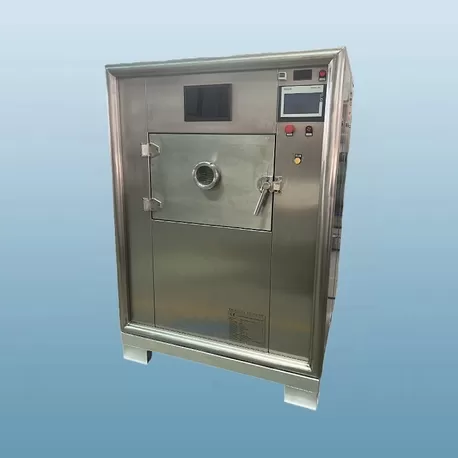
Manufacturers like Nasan build custom configurations that align chamber
sizes, airflow patterns, and heating elements directly with your facility's
daily intake needs.
Frequently Asked Questions (FAQ)
Q1: What is the optimal temperature range for drying mushrooms in a
commercial mushroom dryer?
A1: The ideal drying cycle begins at a low temperature between 35°C and 40°C
to remove free surface moisture without scalding the caps. Once the outer layer
dries, operators raise the temperature to 50°C to 55°C to extract deeper
internal moisture. For the final stage, temperatures can touch 60°C for one hour
to fix color and aroma. Avoid exceeding 60°C, as excess heat destroys functional
polysaccharides and darkens the tissue.
Q2: How does a heat pump mushroom dryer reduce operating
expenses?
A2: Conventional electric dryers vent hot, humid air straight outside,
wasting significant thermal energy. A heat pump mushroom dryer operates on a
closed thermodynamic loop. It uses an evaporator to condense moisture out of the
air, recovers the latent heat from that condensation, and pumps the recycled
thermal energy back into the drying room. This process cuts power usage by up to
60% to 70% compared to traditional resistance-heating systems.
Q3: How long does a standard mushroom drying cycle take?
A3: Batch cycle times vary between 8 and 18 hours. Whole Shiitake caps
typically require 12 to 16 hours because moisture must migrate through dense
flesh. Thinly sliced button mushrooms often dry within 6 to 9 hours inside an
optimized heat pump unit. Continuous mesh belt systems dry thin slices even
faster, generally in under 2 to 4 hours, thanks to continuous high-volume forced
airflow.
Q4: Can I use the same machine to dry different mushroom
species?
A4: Yes, provided the equipment includes fully programmable PLC recipe
management. Different varieties require different thermal paths. Shiitake
demands steady moisture extraction to maintain a deep brown surface, whereas
white button mushrooms require precise low temperatures to prevent enzymatic
browning. Modern machines let operators save unique multi-stage temperature and
humidity curves for each species.
Q5: What target moisture content should commercial dried mushrooms
reach?
A5: Commercial packaging standards require a final moisture level between 10%
and 13%. Moisture contents above 13% invite mold growth, insect activity, and
enzymatic degradation during storage. Dropping moisture levels below 8% leaves
mushrooms brittle, causing them to shatter into dust during sorting, packaging,
and shipping.
Modernize Your Mushroom Processing Operations
Selecting an energy-efficient mushroom dryer protects harvest value,
preserves valuable nutrients, and boosts operational margins. Whether you
process several hundred kilograms of rare medicinal fungi each week or handle
multi-ton commercial harvests every day, machine reliability matters.
Nasan pairs two decades of precision manufacturing with
end-to-end engineering support. Our technicians will analyze your processing
throughput, review your mushroom varieties, and build a tailored dehydration
setup that minimizes operational costs. Send an inquiry to Nasan today for a
free project consultation, machinery quote, and material testing report.