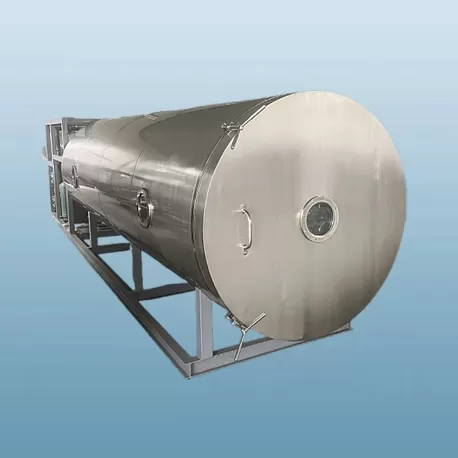
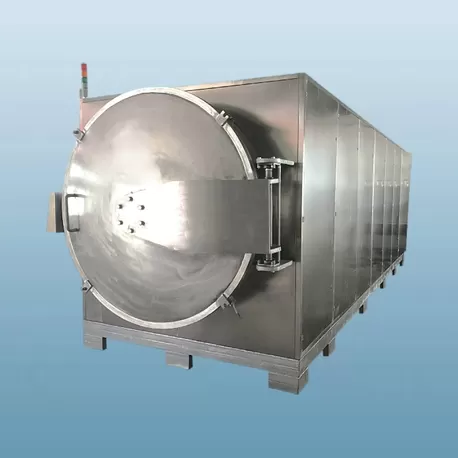
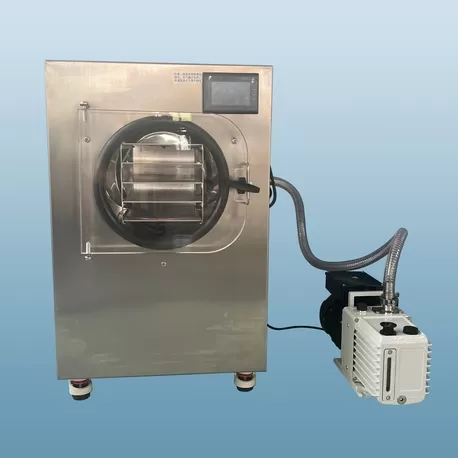
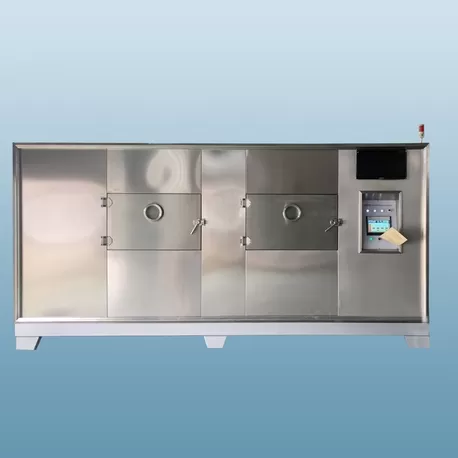
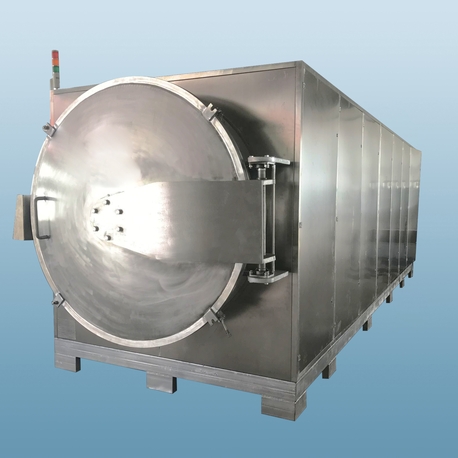
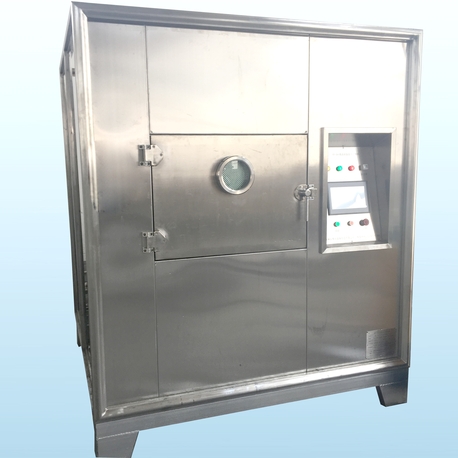
Industrial drying has always faced a difficult balance. You usually have to choose between speed and quality. High temperatures dry things fast but often destroy nutrients or color. Freeze drying preserves quality but takes days and costs a fortune. This is where the microwave vacuum dryer steps in as a practical solution.
This technology bridges the gap between conventional hot air drying and freeze drying. It offers rapid moisture removal at low temperatures. For manufacturers in the food, pharmaceutical, and chemical sectors, this machine represents a significant leap forward.
We see a growing demand for high-quality dried products. Consumers want snacks that look fresh and retain their vitamins. Pharmaceutical companies need precise moisture control without thermal degradation. A microwave vacuum dryer delivers on these needs efficiently.
Brands like Nasan have recognized this shift. They engineer systems that help businesses scale up production while maintaining strict quality standards. This article explores how this technology works, why it outperforms older methods, and where it fits into modern manufacturing.

To understand the benefits, we must first look at the physics. A microwave vacuum dryer combines two distinct technologies: microwave heating and vacuum pressure.
Microwaves heat water molecules directly. Unlike hot air, which heats from the outside in, microwaves penetrate the material. This causes the water inside the product to heat up instantly. This is volumetric heating.
The vacuum aspect is equally important. By lowering the pressure inside the chamber, the boiling point of water drops significantly. Under normal atmospheric pressure, water boils at 100°C (212°F). In a vacuum, water can vaporize at temperatures as low as 30°C to 40°C.
When you combine these, you get a system that pushes moisture out quickly without cooking the product. The microwave vacuum dryer evaporates water at a low temperature. This preserves the cellular structure of the material.
Direct Heating: Energy transfers directly to moisture.Low-Temperature Evaporation: Prevents scorching or browning.Rapid Mass Transfer: Moisture moves to the surface faster due to pressure differences.
Investing in a microwave vacuum dryer changes your production metrics. The advantages go beyond just "drying." They impact your bottom line and your brand reputation.
Superior Product Quality
The most visible benefit is quality. Traditional dryers often turn vibrant fruit brown or melt heat-sensitive powders. Because the microwave vacuum dryer operates at low temperatures, oxidation is minimal.
Your final product retains its original color. The aroma stays intact. For food products, the texture remains crisp rather than hard or leathery. This is crucial for high-value items like fruit chips, herbs, or nutraceuticals.
Speed and Efficiency
Time is money in manufacturing. A process that takes 24 hours in a freeze dryer might take only 90 minutes in a microwave vacuum dryer.
The energy transfer is immediate. You do not waste time heating the air and the metal trays before heating the product. The energy goes straight to the water. This results in faster batch times and higher throughput.
Energy Savings
Efficiency translates to lower operational costs. Conventional dryers lose a lot of heat to the surrounding environment.
In a microwave vacuum dryer, the energy focuses on the product. While the initial equipment cost is higher than a simple hot air oven, the cost per kilogram of water removed is often lower. You use less electricity to dry the same amount of material.
Uniform Drying: Microwaves heat evenly, avoiding wet centers.Sterilization Effect: Microwaves can kill bacteria and mold during drying.Compact Footprint: These machines often take up less floor space than long tunnel dryers.
Applications Across Industries
Versatility is a hallmark of this equipment. While many associate it with food, the microwave vacuum dryer serves several heavy industries.
The Food Industry
This is the largest sector for this technology. Manufacturers use it to create healthy snacks.
Fruits and Vegetables: Apple slices, strawberries, and broccoli retain their shape and vitamins.Meat and Seafood: Jerky and dried shrimp dry safely without spoiling.Spices and Herbs: Essential oils are preserved, keeping the flavor strong.
Pharmaceuticals and Nutraceuticals
Heat sensitivity is a major issue here. Many active pharmaceutical ingredients (APIs) degrade above 60°C.
A microwave vacuum dryer handles pastes, extracts, and powders gently. It ensures the chemical composition remains stable. Companies producing probiotics or herbal extracts find this technology indispensable.
Chemical and Industrial Materials
Beyond things we eat, this tech dries ceramics, wood, and specific chemical catalysts. It is particularly good for removing solvents from porous materials.
Manufacturers looking for reliable equipment often turn to established names. Nasan builds microwave vacuum dryer systems that cater to these diverse needs, offering customization for specific industrial requirements.
To make an informed decision, you need to see how this stacks up against other methods. Let's compare the microwave vacuum dryer to the two most common alternatives: Hot Air Drying and Freeze Drying.
Vs. Hot Air Drying
Hot air is the old standard. It is cheap to buy but expensive to run if you care about quality.
Hot Air: Slow heat transfer. Causes crust formation (case hardening). High temperatures destroy nutrients.Microwave Vacuum: Fast heat transfer. porous structure. Low temperatures preserve nutrients.
If you produce low-value commodities, hot air is fine. For premium products, it is inadequate.
Vs. Freeze Drying (Lyophilization)
Freeze drying produces the absolute best quality but comes with a massive price tag.
Freeze Drying: Extremely slow (24-48 hours). Very high energy consumption. High capital cost.Microwave Vacuum: Fast (1-4 hours). Moderate energy consumption. Lower capital cost than freeze drying.
The microwave vacuum dryer offers "freeze-dried quality" at a fraction of the cost and time. It sits in the "sweet spot" for commercial viability.
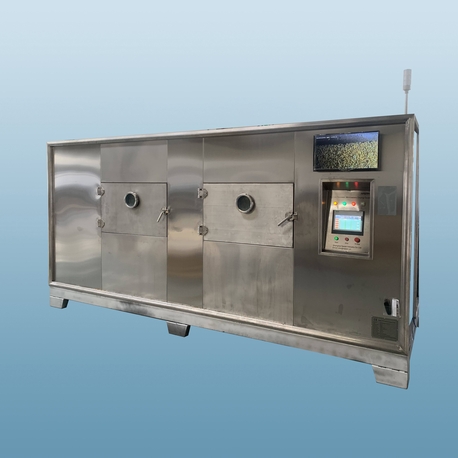
Technical Considerations for Buyers
When you decide to purchase a microwave vacuum dryer, you must look at specific technical features. Not all machines are built the same.
Magnetron Quality
The magnetron is the heart of the machine. Industrial-grade magnetrons last longer and provide stable output. You want a system that cools these components effectively, usually with water cooling.
Vacuum System Strength
The vacuum pump must handle high moisture loads. As water evaporates, it expands into vapor. The pump system needs to extract this vapor efficiently to maintain low pressure.
Automation and Control
Modern processing requires precision. Look for a microwave vacuum dryer with a PLC (Programmable Logic Controller). You should be able to set recipes, monitor temperature in real-time, and log data for quality assurance.
Turntable vs. Tray: Some systems rotate the product; others use static trays with moving waves.Material Handling: Consider how easy it is to load and unload.Safety Features: Microwave leakage sensors and door interlocks are non-negotiable.
Why Manufacturers Choose Nasan
Selecting a vendor is as important as selecting the technology. You need a partner who understands the nuances of microwave physics.
Nasan has established itself as a knowledgeable player in this field. They do not just sell a box; they sell a solution. Their microwave vacuum dryer units are designed with maintenance in mind. Easy access to components means less downtime for your factory.
Furthermore, they assist with process parameters. Knowing the exact power setting and vacuum level for a specific product like sliced mangoes or pharmaceutical powder takes experience. Nasan helps bridge that knowledge gap for their clients.
The Future of Industrial Drying
The market is moving toward sustainability and quality. Regulations regarding energy consumption are getting tighter. At the same time, consumers are reading labels and demanding "minimally processed" goods.
The microwave vacuum dryer aligns perfectly with these trends. It uses electrical energy, which can come from renewable sources, rather than burning fossil fuels directly. It creates products that align with the "clean label" movement.
Adopting this technology allows manufacturers to innovate. You can create new textures and product forms that were impossible with hot air. You can improve your margins by reducing drying times from days to hours.
In the competitive landscape of industrial manufacturing, having a high-performance microwave vacuum dryer is no longer a luxury. It is becoming a necessity for those who want to lead the market.
Frequently Asked Questions (FAQ)
Q1: How does a microwave vacuum dryer differ from a standard microwave oven?
A1: While the heating principle is similar, an industrial microwave vacuum dryer is much more complex. It operates under a vacuum to lower the boiling point of water. It also features precise industrial controls, uniform wave distribution systems, and heavy-duty cooling mechanisms that standard kitchen microwaves lack.
Q2: Is microwave drying safe for food products?
A2: Yes, it is very safe. The process does not introduce any chemicals. In fact, the microwave energy often sterilizes the product by killing bacteria, mold, and insect eggs during the drying process, making the food safer for storage.
Q3: Can I dry liquid materials in a microwave vacuum dryer?
A3: Yes, liquids, pastes, and slurries can be dried effectively. The vacuum environment causes the liquid to puff up and create a porous structure as it dries, which is excellent for making easily soluble powders or extracts.
Q4: What is the energy consumption compared to freeze drying?
A4: A microwave vacuum dryer is significantly more energy-efficient than freeze drying. It typically uses 40% to 60% less energy because it does not require the massive refrigeration systems needed to freeze the product and maintain the ice trap.
Q5: How do I determine the right machine size for my production?
A5: Sizing depends on your moisture content and daily throughput goals. You need to know the initial weight of your product and how much water needs to be removed. Manufacturers like Nasan usually offer testing services to calculate the exact evaporation rate and recommend the correct kilowatt (kW) power for your facility.