
News Categories

Hot Articles

Industrial Microwave Flower Dryer: The Efficient Choice for Modern Flower Drying

Source:NASAN
Published on:2026-02-28 10:39:50

The microwave flower dryer has transformed how commercial operations handle flower dehydration. Unlike conventional hot air systems, this equipment uses targeted microwave energy to remove moisture quickly while preserving color, shape, and essential oils. Companies like Nasan have engineered robust, high‑capacity units that meet the demands of herb processors, tea manufacturers, and cosmetic ingredient suppliers. Adopting a microwave flower dryer means faster throughput, lower energy bills, and consistent product quality—factors that directly impact your bottom line.

What Is a Microwave Flower Dryer and How Does It Work?

A microwave flower dryer is a specialized industrial machine that applies microwave radiation to heat water molecules inside fresh flowers. The energy penetrates the entire structure, causing water to evaporate uniformly from within. This volumetric heating differs sharply from traditional conduction or convection methods, which often over‑dry the surface while leaving moisture inside.

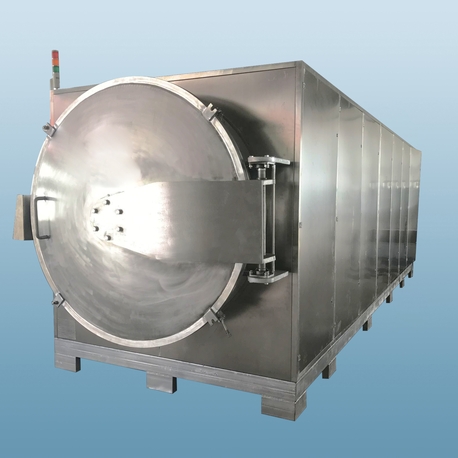
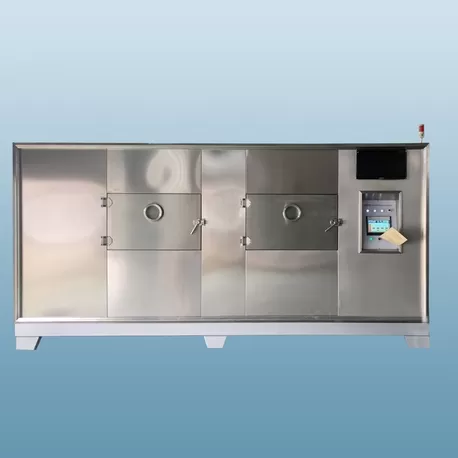
In a typical continuous system, flowers move on a non‑metallic conveyor belt through a microwave chamber. Magnetrons generate microwaves at controlled frequencies—usually 915 MHz or 2450 MHz—while sensors monitor moisture levels in real time. The result is a gentle, fast process that can reduce drying time from hours to just minutes. Nasan’s industrial microwave flower dryer models include adjustable power settings to handle delicate petals without scorching.

The Core Technology Behind Microwave Drying

Microwaves agitate water molecules at 2.45 GHz, generating heat through molecular friction. This direct energy transfer means that only the water is heated, not the surrounding air or the drying chamber. For flowers, this translates to better retention of volatile aromatic compounds and natural pigments. Many processors pair their microwave flower dryer with a short hot‑air finishing stage to achieve precise final moisture content.

Key Benefits of Using a Microwave Flower Dryer in Commercial Settings

Switching to a microwave flower dryer brings measurable advantages across production lines. Below are the most cited benefits by operators who have integrated this technology:

  • Speed: Drying cycles are 70–80% shorter compared to tray or tunnel dryers.

  • Quality preservation: Colors remain vibrant, petals stay intact, and essential oil loss is minimized.

  • Energy efficiency: Microwave energy directly heats water, reducing overall power consumption.

  • Compact footprint: A microwave flower dryer often requires less floor space than traditional drying rooms.

  • Scalability: Modular designs allow you to start small and expand capacity as demand grows.

For businesses that process high volumes—such as large‑scale lavender farms or botanical extract manufacturers—the microwave flower dryer becomes a strategic asset. Nasan offers models that range from 10 kg per hour batch units to fully continuous systems handling over 500 kg per hour.

Industrial Applications of Microwave Flower Dryers

The versatility of the microwave flower dryer makes it suitable for a wide spectrum of industries. Below we explore three primary sectors where this equipment is already making a difference.

Drying Ornamental Flowers and Herbs

Florists, landscapers, and potpourri producers rely on the microwave flower dryer to preserve the visual appeal of roses, statice, and other decorative blooms. The gentle, rapid drying prevents petal shattering and fading, so the finished product commands a premium price.

Pharmaceutical and Nutraceutical Processing

Medicinal flowers such as chamomile, calendula, and echinacea require low‑temperature drying to retain active phytochemicals. A microwave flower dryer operates at temperatures that can be precisely controlled, often below 60°C, ensuring that flavonoids and essential oils remain intact.

Food and Beverage Production

Edible flowers used in teas, confectionery, or cocktail garnishes must meet strict hygiene and quality standards. The short residence time inside a microwave flower dryer reduces microbial load while maintaining the flowers’ natural appearance and taste. Many food processors also appreciate the easy‑to‑clean stainless steel construction of Nasan’s dryers.

How to Select the Right Microwave Flower Dryer for Your Operation

Choosing a microwave flower dryer involves more than just comparing price tags. You need to match the machine’s specifications to your product mix, throughput goals, and facility constraints. Here are key factors to evaluate.

Capacity and Throughput Requirements

Estimate your average daily and peak volumes. Small botanical farms might do well with a batch microwave flower dryer that processes 20–50 kg per cycle. Larger operations should look at conveyorized systems that run continuously. Nasan provides both configurations, and their team can help you size the unit correctly.

Power and Frequency Options

Industrial microwave dryers typically operate at either 915 MHz or 2450 MHz. The lower frequency offers deeper penetration and is often chosen for thicker flower heads or when drying large quantities. Your equipment supplier can advise on which frequency suits your specific flowers. A well‑designed microwave flower dryer will also include variable power control to adapt to different moisture levels.

Build Quality and Safety Features

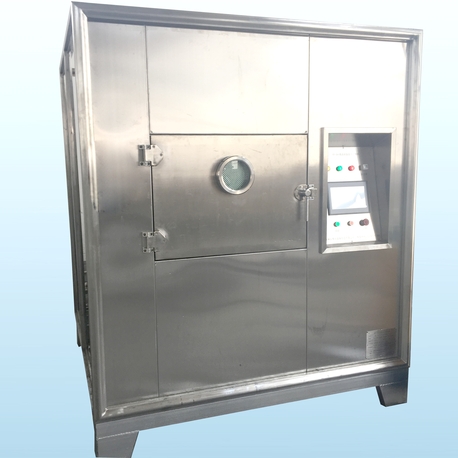
Look for a microwave flower dryer built with food‑grade stainless steel, both inside and out. Safety features must include multiple interlocks, microwave leakage detectors, and emergency stops. Certifications such as CE or UL indicate compliance with international safety standards. Nasan’s dryers are engineered with these protections as standard.

Maintenance and Safety Tips for Long‑Term Operation

Proper maintenance keeps your microwave flower dryer running efficiently for years. Establish a routine that includes:

  • Daily wiping of the conveyor and cavity to prevent residue buildup.

  • Weekly inspection of magnetrons, waveguides, and belt tension.

  • Monthly verification of microwave leakage with a handheld meter.

  • Scheduled replacement of air filters and worn belts.

Nasan provides detailed manuals and remote support for all their microwave flower dryer models. Many users also enroll in a preventive maintenance contract to minimize downtime.

Why Nasan Leads in Microwave Flower Drying Technology

With decades of experience in industrial drying, Nasan has developed a reputation for reliability and innovation. Their microwave flower dryer series incorporates feedback from hundreds of installations worldwide. Customers praise the uniform drying, low operating costs, and responsive after‑sales service. To explore the full range of solutions, visit Nasan’s official website or speak directly with their engineering team.

Nasan continuously invests in R&D to improve energy efficiency and control systems. Whether you need a compact lab‑scale unit or a high‑capacity production line, their microwave flower dryer offerings are designed to integrate seamlessly into your existing workflow. The company also offers customization for unique flower types or special production requirements.

Conclusion: Embrace the Future with a Microwave Flower Dryer

In today’s competitive market, the microwave flower dryer provides a clear edge in quality, speed, and sustainability. By choosing a well‑engineered system from a trusted brand like Nasan, you ensure that your dried flowers meet the highest standards. Whether you are expanding an existing line or setting up a new facility, consider how a microwave flower dryer can streamline your operations. For detailed specifications and pricing, visit the Nasan products page at microwave flower dryer and request a consultation.

Frequently Asked Questions (FAQ)

Q1: How long does it take to dry flowers using a microwave flower dryer?
A1: Drying time typically ranges from 3 to 15 minutes, depending on flower type, initial moisture content, and the power setting. This is dramatically faster than conventional air drying, which can take hours or days.

Q2: Can a microwave flower dryer handle continuous, high‑volume production?
A2: Yes, industrial models are designed for 24/7 operation. Conveyorized microwave flower dryer systems can process several hundred kilograms per hour, making them ideal for large‑scale herb processors and tea manufacturers.

Q3: Will microwave drying affect the color and fragrance of my flowers?
A3: Properly controlled microwave drying preserves natural pigments and volatile oils better than hot air methods. The rapid, uniform heating reduces oxidation and thermal degradation, so flowers retain their original appearance and scent.

Q4: What safety certifications should I look for in a microwave flower dryer?
A4: Reputable manufacturers ensure their equipment meets international standards such as CE, UL, or CSA. These certifications guarantee that microwave leakage is within safe limits and that all electrical components are properly protected.

Q5: Is it expensive to operate a microwave flower dryer compared to traditional dryers?
A5: Operating costs are generally lower because microwave energy directly heats the water, wasting less heat to the environment. Nasan’s microwave flower dryer models also incorporate energy‑saving features like variable power and insulated chambers, further reducing electricity consumption.

Q6: Can I dry different flower species in the same machine without cross‑contamination?
A6: Yes, most units allow you to adjust parameters for each batch. However, if you process strongly scented flowers (e.g., lavender), it is advisable to run dedicated cycles or clean the chamber thoroughly between products to avoid aroma transfer.