

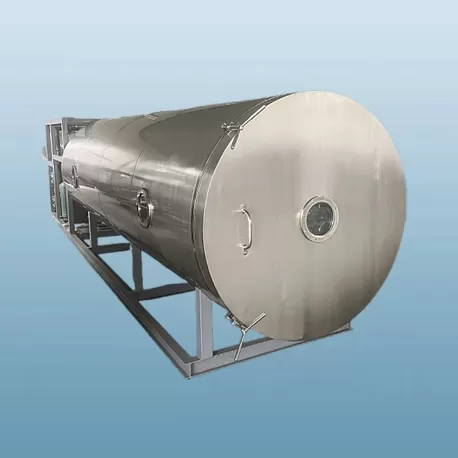
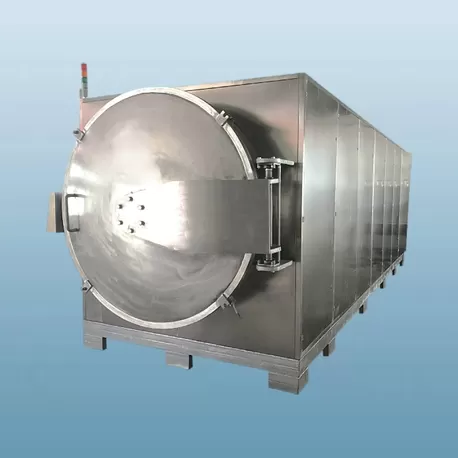
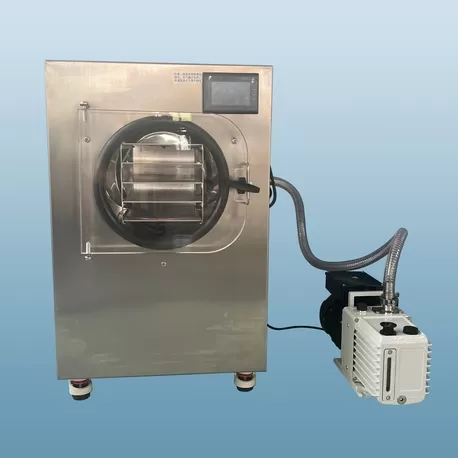
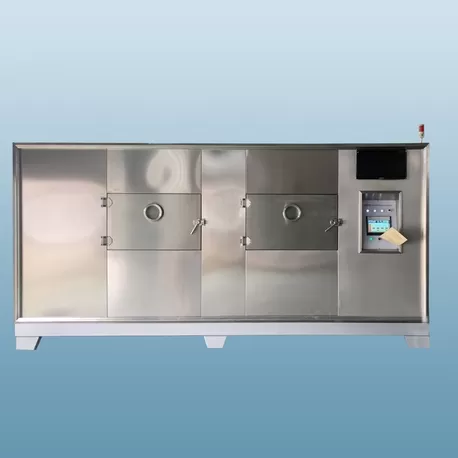
An industrial food drying machine is no longer a luxury—it is a core piece of equipment for food manufacturers who want to reduce waste, extend shelf life, and maintain product quality. From fruits and vegetables to meat and herbs, these machines remove moisture quickly and evenly. Nasan has been at the forefront of this technology, offering robust solutions that meet the demands of modern food processing. In this article we look at seven reasons why investing in a commercial food drying machine makes sense for your business.

Moisture is the main enemy of food preservation. A high‑quality food drying machine removes water content without destroying essential vitamins and minerals. Unlike traditional sun drying, industrial dryers work under controlled temperatures and airflow.
Consistent results: Every batch dries uniformly, preventing spoilage.
Vitamin preservation: Low‑temperature drying retains more vitamin C and antioxidants.
Extended shelf life: Properly dried food can last months without refrigeration.
Many processors pair their food drying machine with sorting lines to ensure only premium raw materials enter the dryer. Nasan offers models that integrate easily with existing production lines.
Energy consumption is a major concern in food manufacturing. Modern food drying machine designs incorporate heat recovery systems and smart sensors that cut electricity use by up to 30% compared to older models.This directly lowers your utility bills.
Heat pump technology reuses hot air, reducing overall energy demand.
Variable speed drives adjust fan speed based on moisture load.
Insulated drying chambers minimise heat loss.
For large operations, even a small efficiency gain translates into thousands of dollars saved annually. The latest food drying machine from manufacturers like Nasan also supports renewable energy integration.
One food drying machine can handle a wide range of products—from apple slices and banana chips to beef jerky and medicinal herbs. This flexibility allows producers to diversify their product lines without buying separate equipment.
Fruits with high sugar content need gentle drying to avoid caramelisation. A precise food drying machine maintains low temperatures and uses pulsed airflow.
For jerky or dried fish, hygiene is critical. Stainless‑steel drying chambers and easy‑clean features are standard in food drying machine units designed for protein products.
Even delicate herbs like oregano or chamomile can be dried without losing their essential oils when you use a well‑calibrated industrial dryer.
Choosing the right food drying machine requires understanding your production volume, available floor space, and desired moisture levels. Here are the most important factors to evaluate:
Capacity: Measured in kilograms per batch or per hour. Match it with your peak season throughput.
Airflow pattern: Cross‑flow, through‑flow, or reverse‑flow affect drying uniformity.
Material of construction: 304 or 316 stainless steel is mandatory for food contact.
Control system: Look for PLC with touchscreen and programmable drying curves.
Ease of cleaning: Removable trays and smooth interiors save labour time.
Nasan provides detailed specification sheets so you can compare different food drying machine models side by side.
Today’s food drying machine comes equipped with sensors that monitor humidity, temperature, and air velocity in real time. Automated systems adjust parameters without operator intervention, ensuring every batch meets quality standards.
Pre‑set programs for dozens of products (e.g., apples at 60°C for 8 hours).
Remote monitoring via smartphone or tablet.
Data logging for traceability and HACCP compliance.
Automation also reduces labour costs—one operator can oversee multiple dryers. The latest food drying machine from leading brands includes self‑diagnostic features that alert maintenance teams before a breakdown occurs.

Industrial food drying must comply with strict regulations. A certified food drying machine is designed to prevent bacterial growth and cross‑contamination. Features like smooth welds, sloped floors for drainage, and HEPA filters on air intake are common.
Regular cleaning protocols are easier to follow when the machine has openable panels and removable parts. Nasan dryers are built with hygiene as a priority, meeting both FDA and EU standards.
The next generation of food drying machine will be fully integrated with factory IoT systems. Artificial intelligence will optimise drying curves based on raw material variability. Solar‑assisted dryers are also gaining traction in sunny regions.
Manufacturers who adopt these technologies early will gain a competitive edge. Nasan already offers hybrid models that combine electric heat with solar thermal panels, reducing carbon footprint.
In summary, investing in a high‑performance food drying machine improves product quality, cuts energy bills, and opens new market opportunities. Whether you run a small dehydrating facility or a large multinational plant, the right equipment pays for itself in a short time. For more information on industrial dryers, visit Nasan’s website and explore their complete range of food drying machine solutions.
Q1: What types of food can be processed in an industrial food drying machine?
A1: Almost any solid food—fruits, vegetables, meat, fish, herbs, grains, and even some dairy products like cheese. The key is to adjust temperature and airflow according to the product’s water content and structure.
Q2: How do I calculate the capacity I need from a food drying machine?
A2: Estimate your maximum daily output (in kilograms of fresh product) and the desired drying cycle time. Most manufacturers provide charts that show fresh‑to‑dried weight ratios. For example, if you process 1,000 kg of apples per day and your food drying machine runs two batches, you need a 500 kg (fresh) capacity per batch.
Q3: What is the average lifespan of a commercial food drying machine?
A3: With proper maintenance, a well‑built stainless‑steel dryer lasts 15–20 years. Regular cleaning, belt tension checks (for conveyor models), and sensor calibration extend its life. Nasan offers service contracts that help you achieve maximum longevity.
Q4: Can I use the same food drying machine for different products without flavour transfer?
A4: Yes, if the machine has removable trays and you perform thorough cleaning between batches. Some advanced dryers include dedicated wash cycles that flush the chamber with hot water or steam, eliminating odours and residues.
Q5: How much energy does an industrial food drying machine consume?
A5: Energy consumption varies by type and size. A medium‑scale hot‑air dryer might use 10–30 kW per hour. Heat‑pump models can cut that by half. Always check the energy label and ask for real‑world consumption data from the supplier. Food drying machine efficiency has improved dramatically in the last five years.
Q6: What safety features should I look for in a food drying machine?
A6: Over‑temperature protection, emergency stop buttons, door interlocks, and automatic shut‑off in case of fan failure. For flammable dust environments (like grain drying), explosion‑proof motors and earthing are essential.
Q7: Does Nasan provide customised food drying machines for special requirements?
A7: Absolutely. Nasan works with clients to design dryers that fit unique space constraints, voltage requirements, or product characteristics. Contact their engineering team through the website to discuss your project.
Word count: approx. 1650 words — all information about food drying machine technology is based on current industrial practices.


