News Categories

Hot Articles

Industrial Drying Machines: A Guide to Technology and Selection for Commercial Operations

Source:NASAN
Published on:2026-01-24 17:38:05

An industrial drying machine is a fundamental piece of equipment in countless manufacturing sectors. Its primary function—removing moisture—impacts everything from product stability and shelf life to weight, texture, and quality. Selecting the right system is not a minor decision. It directly influences production efficiency, energy consumption, and the final marketability of your product. This guide explains the core technologies, benefits, and selection criteria for commercial drying systems, highlighting how companies like Nasan provide tailored solutions for complex industrial needs.

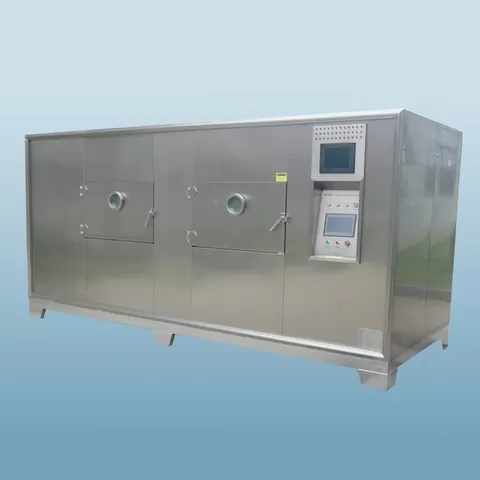
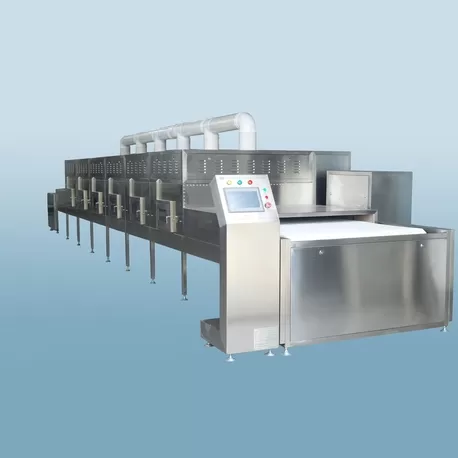
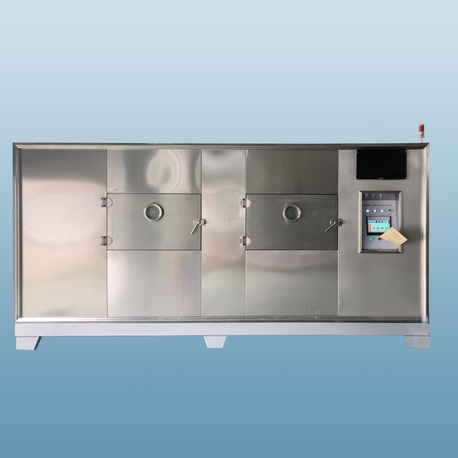
drying machine

How Industrial Drying Machines Work: Core Principles

At its heart, a drying machine facilitates the transfer of heat to a product and the subsequent removal of water vapor. The engineering sophistication lies in controlling this process precisely to achieve specific results efficiently. Different products demand different approaches.

Primary Heat Transfer Methods

Industrial dryers primarily use three methods to apply heat. The choice depends on the product's sensitivity and desired outcome.

  • Convective Drying: This is the most widespread method. Heated air or gas is circulated directly over or through the material. The air absorbs moisture and carries it away. Control over air temperature, velocity, and humidity is critical.
  • Conductive (Contact) Drying: Here, heat transfers through a solid surface in direct contact with the product. Examples include heated drums for pastes or vacuum shelf dryers. This method can be efficient and gentle for some materials.
  • Radiation Drying: Infrared or microwave energy generates heat within the product itself. This can lead to very rapid and uniform drying, especially for thin layers or specific applications like curing coatings.

Key Advantages of Modern Drying Systems

Upgrading to a modern industrial drying machine offers benefits far beyond simple water removal. It is an investment in overall operational excellence.

  • Consistent, High-Quality Output: Automated controls ensure every batch meets exact moisture specifications. This repeatability builds brand reliability.
  • Significantly Improved Efficiency: Modern designs focus on energy recovery and optimized airflow. They move more product using less fuel or electricity than older models.
  • Enhanced Production Speed and Capacity: Continuous drying systems, like conveyor or spray dryers, operate around the clock. They dramatically increase throughput.
  • Greater Process Control and Flexibility: Programmable logic controllers (PLCs) allow operators to save and recall recipes for different products, enabling quick changeovers.
  • Reduced Physical Footprint: Advanced engineering allows for higher capacity within a smaller floor space, a key consideration for expanding facilities.

Major Industrial Applications for Drying Equipment

The use of commercial dryers spans across industries where moisture control is critical to the product or process.

Food and Agricultural Processing

This is one of the largest application areas. Drying preserves nutrients, extends shelf life, and reduces transport weight.

  • Spray Dryers: For milk powder, coffee, and egg powder.
  • Belt and Tunnel Dryers: For fruits, vegetables, herbs, and grains.
  • Drum Dryers: For cereal flakes and certain fruit purees.Manufacturers like Nasan design food-grade systems that prioritize hygiene and comply with strict international safety standards.

Chemical and Pharmaceutical Industries

Precision and contamination control are paramount. Drying is used to create stable powders, granules, and intermediates.

  • Fluid Bed Dryers: For uniform drying and cooling of granules and pellets.
  • Vacuum Dryers: For heat-sensitive active pharmaceutical ingredients (APIs) to prevent degradation.
  • Freeze Dryers (Lyophilizers): For high-value biological materials and injectable pharmaceuticals.

Mineral and Wood Processing

Large-scale, robust dryers are essential in these sectors.

  • Rotary Drum Dryers: For drying sand, minerals, ores, and wood chips. These are heavy-duty machines built for continuous, high-tonnage operation.

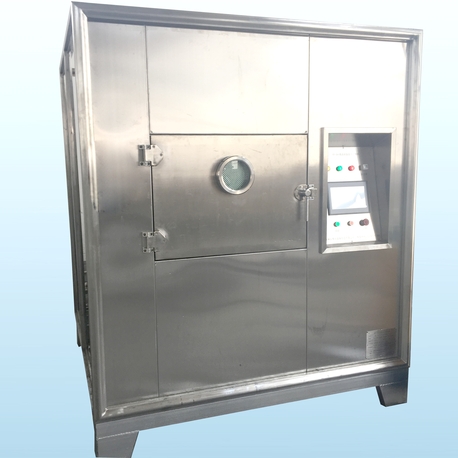
drying machine

Evaluating Different Types of Drying Machines

Selecting the best system requires comparing technologies against your specific product and production goals. Here is a focused comparison of common industrial dryers.

Conveyor (Belt) Dryers

  • Best for: Continuous processing of uniform pieces (vegetables, panels, textiles).
  • Operation: Product moves on a belt through controlled temperature zones.
  • Pros: High capacity, consistent product flow, easy integration.
  • Considerations: Not ideal for pastes or fine powders.

Spray Dryers

  • Best for: Transforming liquid slurries or solutions into fine powders.
  • Operation: Liquid is atomized into a hot air chamber, drying droplets instantly.
  • Pros: Fast, single-step process; produces uniform spherical particles.
  • Considerations: High capital cost; not for all material types.

Fluid Bed Dryers

  • Best for: Granules, crystals, and pellets requiring uniform treatment.
  • Operation: Hot air flows upward through a bed of material, fluidizing it for even heat transfer.
  • Pros: Efficient, rapid drying; good for batch or continuous processes.
  • Considerations: Particle size must be suitable for fluidization.

Vacuum Dryers

  • Best for: Heat-sensitive, oxidizable, or hazardous materials.
  • Operation: Drying occurs in a sealed chamber at reduced pressure, lowering the boiling point of water.
  • Pros: Low-temperature operation; safe for solvents; better product quality for some materials.
  • Considerations: Batch process; higher operational complexity and cost.

Rotary Drum Dryers

  • Best for: High-volume, bulk materials like minerals, fertilizers, or wood chips.
  • Operation: Material tumbles inside a rotating, heated drum.
  • Pros: Very robust; handles high throughput and abrasive materials.
  • Considerations: Less precise; can cause more particle breakdown (attrition).

For businesses navigating this landscape, partnering with an experienced supplier is crucial. A company like Nasan doesn't just sell a drying machine; they analyze material properties, capacity needs, and facility constraints to recommend the most effective and economical solution.

Choosing the right industrial drying machine is a strategic decision that affects product quality, operational cost, and plant productivity. Understanding the basic technologies and their ideal applications is the first step. The next is working with a knowledgeable partner who can translate your specific requirements into a reliable, high-performance system. With expertise across multiple drying technologies, Nasan stands as a provider capable of delivering tailored drying solutions that meet the rigorous demands of modern industry.

Frequently Asked Questions (FAQ)

Q1: What is the biggest factor affecting the energy efficiency of a drying machine?
A1: The single largest factor is often heat recovery. Modern systems incorporate technology to capture heat from the moist exhaust air and reuse it to pre-heat incoming fresh air. This can dramatically reduce the primary energy required for operation.

Q2: How important is automation in a modern drying system?
A2: Extremely important. Automation ensures consistent product quality by precisely controlling temperature, airflow, and process time. It reduces human error, lowers labor costs, and provides valuable data for optimizing the process and tracking production batches.

Q3: Can one dryer handle multiple, very different products?
A3: Some batch dryers, like tray or vacuum dryers, offer good flexibility. However, for optimal results and efficiency, dryers are often specialized. A system designed for delicate herbs will not be ideal for drying mineral slurry. Discuss your product range with your supplier.

Q4: What are the key maintenance requirements for an industrial dryer?
A4: Regular maintenance typically includes inspecting and cleaning air filters, checking and calibrating sensors, lubricating moving parts (like fan motors and conveyor drives), and inspecting heating elements or burners. A good supplier will provide a clear maintenance schedule.

Q5: How do I choose between a batch and a continuous drying machine?
A5: The choice depends on your production volume and workflow. Batch dryers are suitable for lower volumes, multiple small batches of different products, or for materials with very long drying times. Continuous dryers are for high-volume, single-product lines where maximizing throughput is the priority.

Related News

More +