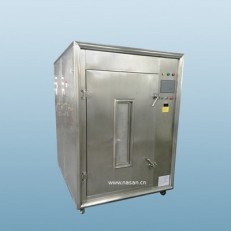


7 Key Advantages of Industrial Food Drying Machines for Large‑Scale Food Producers
...
View Details
2026-07-11
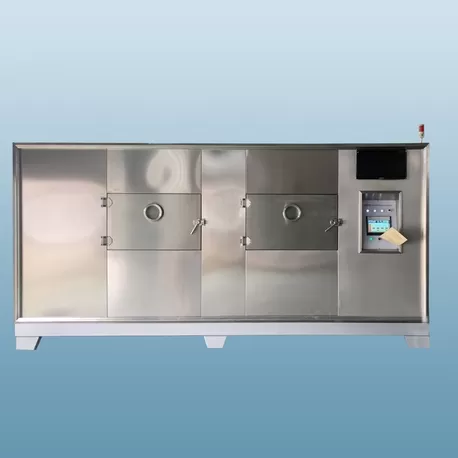
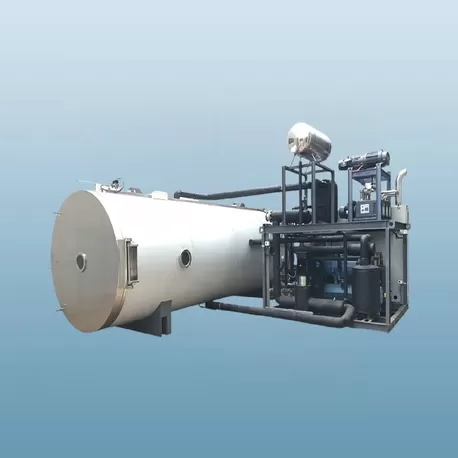
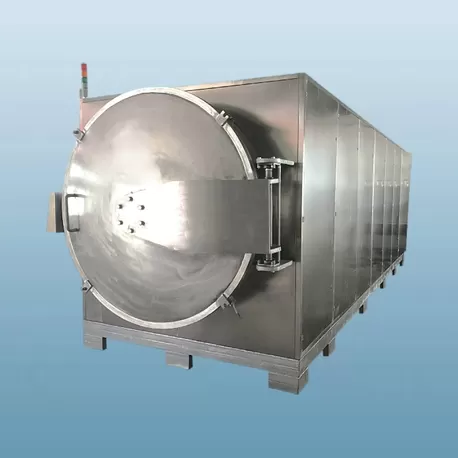
If you work in manufacturing, agriculture, or processing, you’ve likely faced a moisture problem. Removing water or solvents from materials is a fundamental step in countless industries. This is where an industrial drying machine becomes the cornerstone of the production line.
These aren't the appliances in your laundry room. An industrial drying machine is a robust, engineered system designed for reliability, volume, and precise control. Choosing the right one impacts your product quality, energy bills, and overall operational efficiency.
For engineers, plant managers, and procurement specialists, understanding the options is crucial. This article breaks down how these machines function, where they’re used, and what to look for when investing in one.
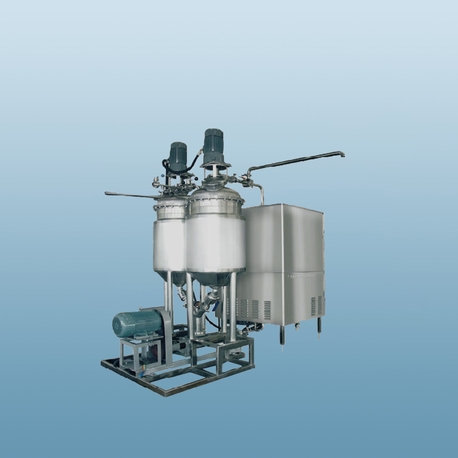
At its heart, a drying machine performs a simple task: it applies heat to a wet material to evaporate moisture, while moving air or vapor carries that moisture away. But the industrial objective is broader.
The primary goal is to create a stable, storable, or process-ready product. This could mean turning a wet filter cake into a free-flowing powder, reducing the moisture in wood chips for efficient burning, or perfectly curing a coated surface.
A well-designed industrial dryer does this consistently, uniformly, and with minimal energy waste. It’s a critical piece of equipment for product specification and bottom-line profitability.
The basic process follows a logical sequence, though the machinery can be complex.
First, the wet feedstock is prepared. This might involve filtering, pelletizing, or spreading the material to increase its surface area. Proper preparation is key to efficient drying.
Next, the material is introduced into the drying machine. Heat is applied through various methods: direct contact with hot air, indirect contact through a heated wall, or through radiation.
Simultaneously, a drying medium (usually air, sometimes nitrogen or superheated steam) flows over or through the material. This medium absorbs the evaporated moisture and exhausts it from the chamber.
Control systems constantly monitor and adjust temperatures, airflow rates, and residence time to achieve the exact target moisture content.
The application list for a heavy-duty drying machine is extensive. It’s a truly cross-sectoral technology.
Selecting the right type depends entirely on your material's form and sensitivity.
Rotary Drum Dryers
This is a classic, high-capacity drying machine. A slightly inclined rotating cylinder tumbles the material as hot air flows through it. Ideal for granules, pellets, and aggregates that can withstand tumbling.
Spray Dryers
The go-to drying machine for transforming liquids into powders. The liquid is atomized into a fine mist inside a large hot-air chamber. Droplets dry almost instantly. Used for milk, detergents, coffee, and ceramics.
Belt Dryers (Conveyor Dryers)
Material is conveyed on a perforated belt through several temperature and airflow zones. Excellent for fragile pieces that cannot be tumbled, like vegetable slices or certain polymers.
Fluidized Bed Dryers
Hot air is blown up through a perforated plate, suspending solid particles. This creates a fluid-like state that ensures extremely uniform heat transfer and rapid drying. Perfect for powders and granules.
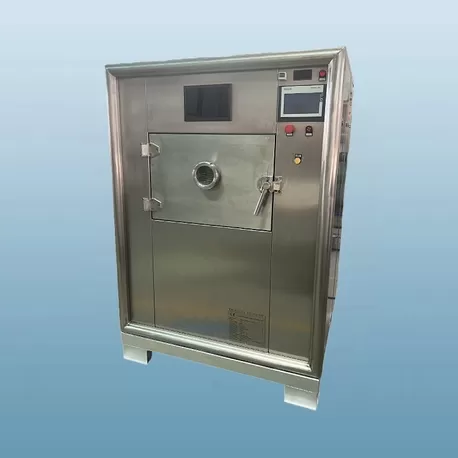
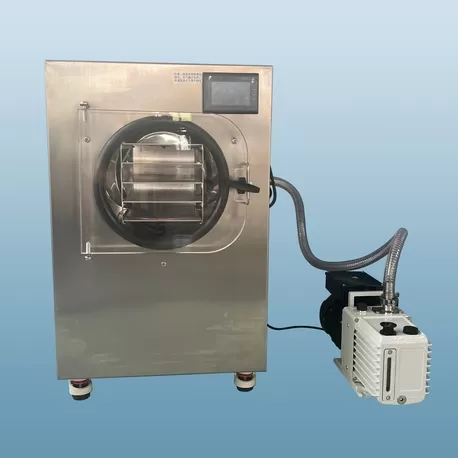
Vacuum Dryers
Drying occurs in a sealed chamber under reduced pressure. This lowers the boiling point of moisture, allowing drying at much lower temperatures. Essential for heat-sensitive chemicals or materials where oxidation must be avoided.
Making the right choice requires a detailed analysis. Ask these questions:
It’s highly advisable to conduct material tests. Reputable manufacturers like Nasan often offer testing services using pilot-scale dryers to gather real data before a full system is designed.
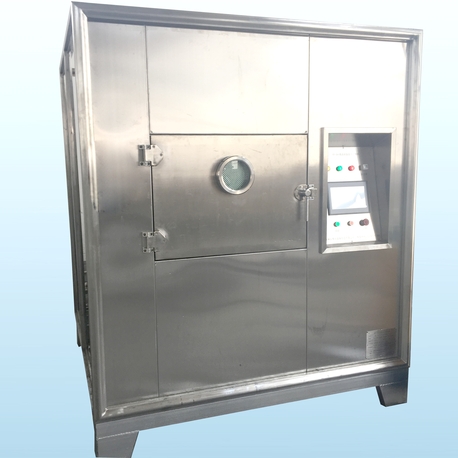
Every process has hurdles. A good drying machine design provides solutions.
Uneven Drying
This often stems from poor airflow distribution or improper loading. The solution lies in precise engineering of the air plenums, baffles, and product bed design to ensure every particle sees the same conditions.
High Energy Consumption
Drying is inherently energy-intensive. Modern systems combat this with heat recovery. Exhaust air, which is warm and humid, can be used to pre-heat incoming fresh air in a heat exchanger, cutting fuel costs significantly.
Product Degradation
Overheating can scorch, degrade, or case-harden materials. The fix may involve a lower-temperature drying machine (like a vacuum dryer), shorter residence time, or a multi-stage process with different temperature zones.
Dust and Emissions
Drying fine materials can generate dust. Integrated cyclones, bag filters, or wet scrubbers are often part of a complete drying system to meet environmental and workplace safety standards.
Innovation continues to push the field forward. Smart sensors and IoT connectivity are enabling predictive maintenance, where the drying machine can alert operators to impending issues before a failure occurs.
Heat pump technology is being integrated to dramatically boost the energy efficiency of lower-temperature dryers. Furthermore, advanced simulation software (like CFD) allows engineers to model airflow and heat transfer perfectly before a single piece of metal is cut.
The goal is clear: smarter, more sustainable, and more adaptable drying solutions.
An industrial drying machine is a significant investment and a process linchpin. Its performance directly affects your product quality, operational costs, and production capacity.
By thoroughly understanding your material, your goals, and the available technologies, you can make a confident selection. Partnering with an experienced manufacturer who provides robust engineering and support is invaluable.
For operations demanding reliability across challenging applications, from minerals to chemicals, equipment from established brands like Nasan is engineered to provide that durable, long-term performance a plant depends on. The right drying machine isn't just a purchase; it's a foundation for your process.
Q1: What is the biggest operating cost for a typical drying machine?
A1: Energy is almost always the dominant operating cost. The energy required to heat the drying air and evaporate moisture represents 70-90% of the running cost. This is why innovations in heat recovery and thermal efficiency are so critical when selecting a new industrial dryer.
Q2: How often does an industrial dryer require maintenance?
A2: It varies by type and duty. Rotary dryers need regular inspection of seals, bearings, and gearboxes. Belt dryers require belt tracking checks and mesh inspection. A good rule is weekly visual checks, with more thorough preventative maintenance quarterly or semi-annually, following the manufacturer's schedule strictly to avoid unplanned downtime.
Q3: Can one drying machine handle many different materials?
A3: Some are more flexible than others. A tray dryer or a fluid bed dryer can often handle a range of similar-form materials with adjustments to time and temperature. However, a machine designed for slurries (like a spray dryer) cannot handle solid pieces. Versatility often comes with trade-offs in capacity or efficiency.
Q4: How do I know if my drying process is running efficiently?
A4: Monitor your specific energy consumption: the energy used per kilogram of water removed. Track this metric over time. A rising trend indicates issues like fouled heat exchangers, leaking seals, or a change in feedstock properties. Regular thermal efficiency audits are also recommended.
Q5: What’s the difference between direct-fired and indirect-fired drying machines?
A5: In a direct-fired drying machine, the combustion gases (from gas or oil) mix directly with the drying air that contacts the material. It's efficient but not suitable if products are sensitive to combustion byproducts. In an indirect-fired system, a heat exchanger separates the combustion gases from the process air, allowing for cleaner, contaminant-free drying.