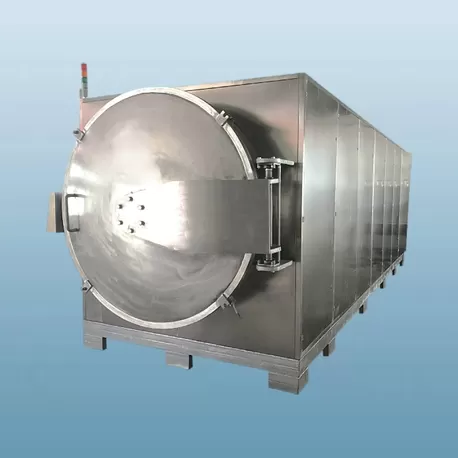
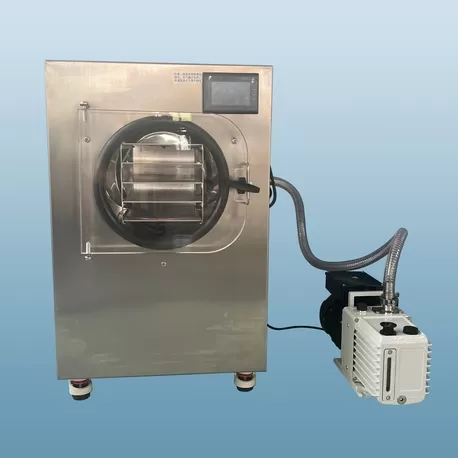
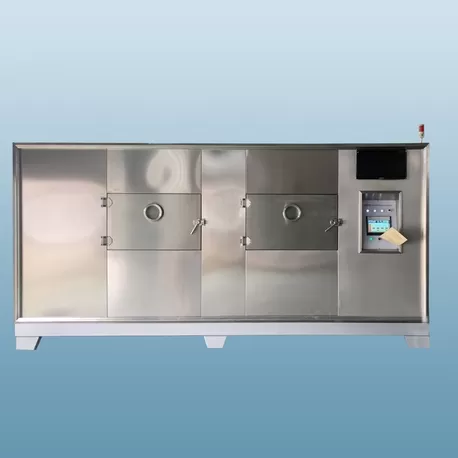
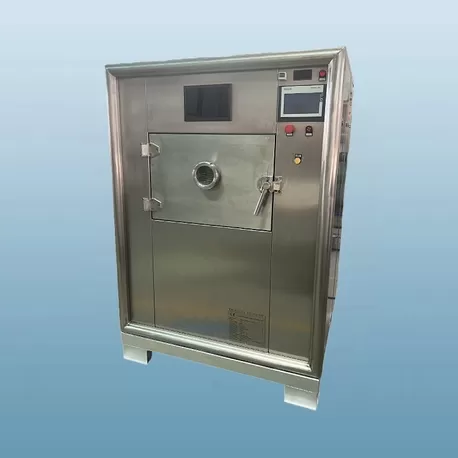
The global food industry is currently facing a massive shift in how we handle supply chains and shelf-life management. In my twenty years working within industrial thermal processing, I have seen many technologies come and go. However, the consistent backbone of quality food production remains the ability to remove moisture effectively. Choosing the right food drying machine is no longer just a luxury for niche producers; it is a fundamental requirement for any commercial operation looking to scale.
At the heart of this technological evolution is the need for precision. When we look at brands like Nasan, it becomes clear that the engineering behind these systems has moved far beyond simple heating elements. Modern dehydration is about balancing thermodynamics with the delicate cellular structure of the food being processed.

The Critical Role of Dehydration in the Global Supply Chain
Food preservation has evolved from traditional sun-drying to sophisticated industrial cycles. The primary role of a commercial food drying machine is to reduce water activity to a point where microbial growth is inhibited. This allows products to be stored at room temperature for months or even years without compromising safety.
Beyond preservation, drying significantly reduces the weight and volume of the product. For industrial exporters, this translates directly into lower shipping costs. By removing up to 90% of a fruit’s weight while retaining its nutritional profile, processors can maximize their logistics budget.
Understanding the Technical Operation Flow
Operating a large-scale food drying machine requires more than just flipping a switch. It involves a systematic approach to ensure uniformity across thousands of kilograms of product.
The process typically begins with pre-treatment. Whether it is blanching vegetables or slicing fruits to a specific millimeter thickness, the preparation dictates the final quality. Once the material is loaded into the chamber, the airflow dynamics take over.
Temperature control is the next critical phase. High-quality systems allow for multi-stage drying cycles. You might start at a higher temperature to remove surface moisture quickly, then drop the heat to prevent "case hardening"—a common issue where the outside of the food dries too fast, trapping moisture inside.
Finally, the cooling phase is essential. Removing food from a dryer while it is still hot can lead to condensation inside the packaging. Modern Nasan units often incorporate controlled cooling cycles to stabilize the product before it reaches the bagging line.
Key Application Fields for Industrial Drying
The versatility of a professional food drying machine allows it to serve multiple sectors. In the fruit and vegetable industry, it is used for everything from mango slices to powdered greens. The goal here is color retention and nutrient density.
In the protein sector, meat jerky and pet treats represent a massive market. These applications require very strict temperature monitoring to ensure pathogens are destroyed while the texture remains palatable. The precision offered by industrial-grade equipment ensures that every batch meets food safety regulations.
We also see significant growth in the herbal and pharmaceutical sectors. Drying delicate leaves or medicinal roots requires low-temperature, high-airflow settings to preserve volatile oils. This level of control is what separates basic ovens from specialized industrial drying solutions.
Common Industry Challenges and Solutions
Many factory managers encounter the problem of uneven drying. This usually stems from "dead zones" within the drying chamber where air does not circulate. The solution lies in horizontal airflow designs. By ensuring air moves across every tray equally, you eliminate the need to rotate racks manually, which saves labor costs.
Energy consumption is another major hurdle. Drying is traditionally an energy-intensive process. However, heat pump integration and heat recovery systems have changed the math. High-end models now recycle the latent heat from the exhaust air, reducing electrical draw by up to 40% compared to older resistive heating models.
Product degradation—such as browning or loss of flavor—is often solved by utilizing vacuum drying or lower-temperature dehumidification. By manipulating the atmospheric pressure or the dew point, a food drying machine can remove water without "cooking" the product.
Factors to Consider When Investing in Equipment
When you are looking at the ROI of a new installation, the build material is the first thing to check. In a commercial environment, 304 or 316-grade stainless steel is non-negotiable. It resists the organic acids found in fruits and withstands the rigorous cleaning chemicals required for sanitation.
Capacity planning is equally important. I often advise clients to look at their five-year growth projections. It is often more cost-effective to buy a modular system that can be expanded rather than a fixed-capacity unit that will be obsolete in twenty-four months.
Automation and data logging are the final pieces of the puzzle. In today’s regulatory environment, having a digital record of the drying temperature and duration for every batch is vital for traceability. Brands like Nasan have integrated these smart controls to help facility managers maintain perfect records without manual entry.
The Evolution of Drying Technology
The industry is moving toward "smart drying." This involves sensors that detect the actual moisture content of the food in real-time. Instead of drying for a fixed ten-hour block, the food drying machine shuts off the moment the product reaches the target moisture percentage.
This prevents over-drying, which can lead to brittle products and wasted energy. It also ensures that the product weight is optimized—selling water at the price of the product is a legitimate part of margin management in the food industry.
Reliability in these components is why seasoned operators look for established engineering. Nasan’s commitment to robust component sourcing means fewer mid-season breakdowns, which is the nightmare of any harvest-based processing plant.

Conclusion and Long-term Outlook
As we look toward the future of food production, the emphasis on reducing waste and increasing efficiency will only grow. A high-performance food drying machine is a tool for sustainability as much as it is a tool for profit. By turning surplus harvests into shelf-stable ingredients, we create a more resilient food system.
Investing in quality machinery means looking past the initial sticker price and evaluating the total cost of ownership. Reliability, energy efficiency, and the quality of the final output are the metrics that truly matter. For those dedicated to excellence in the food processing space, choosing the right partner for thermal technology is the most important decision you will make this year.
Frequently Asked Questions (FAQ)
Q1: What is the difference between a standard oven and a professional food drying machine?
A1: A standard oven is designed for high-heat cooking with minimal airflow. A professional drying machine focuses on high-volume air movement and precise temperature control. This allows it to remove moisture at lower temperatures without "baking" the food, which preserves enzymes, vitamins, and the natural color of the product.
Q2: How long does a typical drying cycle take for commercial fruit production?
A2: Depending on the water content and the thickness of the slices, cycles usually range from 8 to 22 hours. For example, thin apple slices might take 10 hours, while thicker mango halves or whole berries can take significantly longer to reach a safe moisture level of around 10-15%.
Q3: Can I dry different types of food at the same time in the same machine?
A3: It is generally not recommended to dry vastly different products together, such as onions and apples, due to flavor transfer. However, if the products have similar drying profiles and won't cross-contaminate scents, it is technically possible. Most industrial operations stick to one product type per batch to ensure consistency.
Q4: What maintenance is required to keep a food drying machine running efficiently?
A4: Regular maintenance involves cleaning the air filters, checking the door seals for heat leaks, and ensuring the fans are free of debris. It is also important to calibrate the temperature sensors annually to ensure the digital readings remain accurate, as even a few degrees of drift can affect the final product quality.
Q5: Is it better to use gas, electricity, or steam to heat a drying machine?
A5: The choice depends on your local energy costs and infrastructure. Electricity is often the easiest to control precisely and is cleaner for food environments. Gas is often cheaper for very large-scale operations, while steam is an excellent choice if your facility already has a central boiler system for other processes.
Q6: How do I know when the food is "done" and ready for packaging?
A6: In a professional setting, we use "moisture analyzers" or the "loss on drying" (LOD) method. You take a sample from the food drying machine, weigh it, dry it completely in a lab, and weigh it again. For a quick floor check, many experienced operators use the "snap test" for fruits or the "brittle test" for vegetables, but digital precision is preferred for commercial safety.