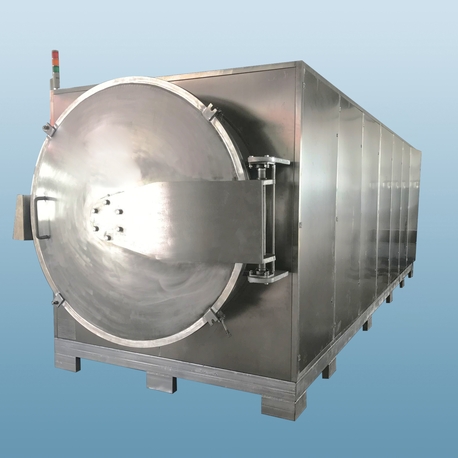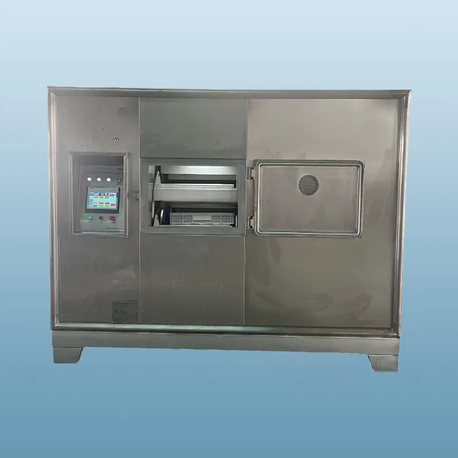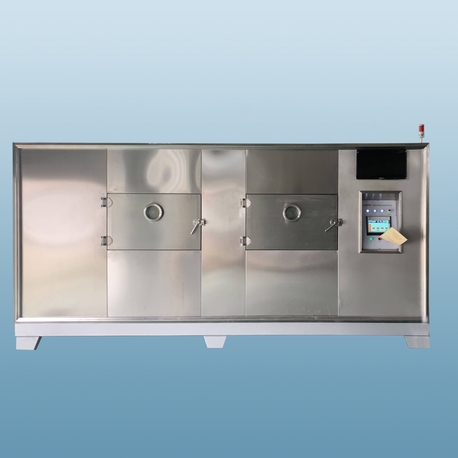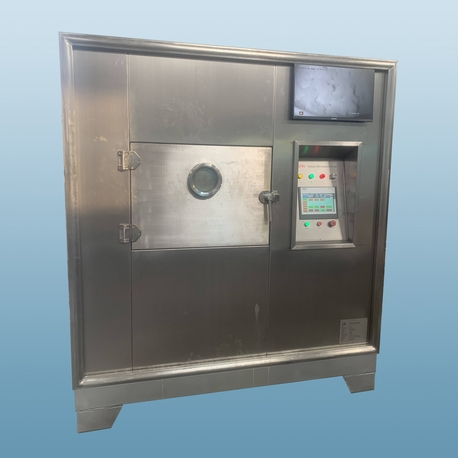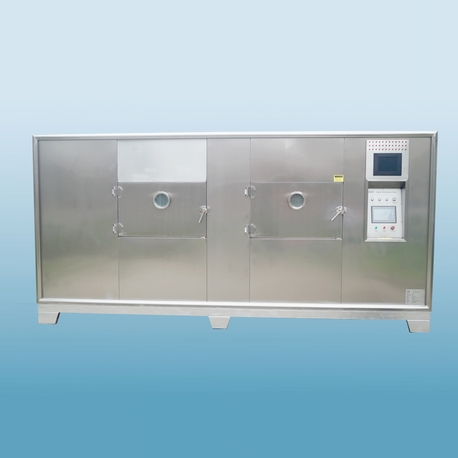
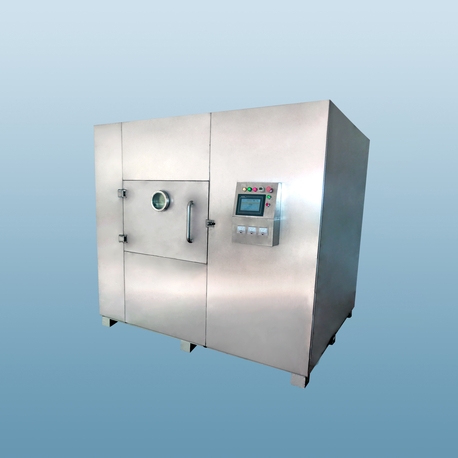
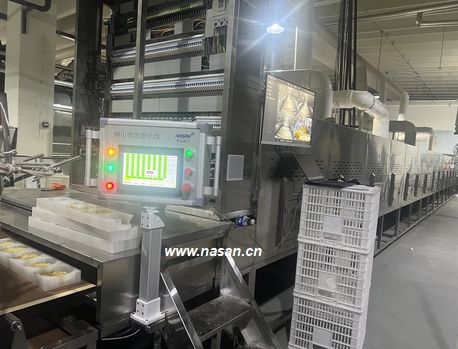
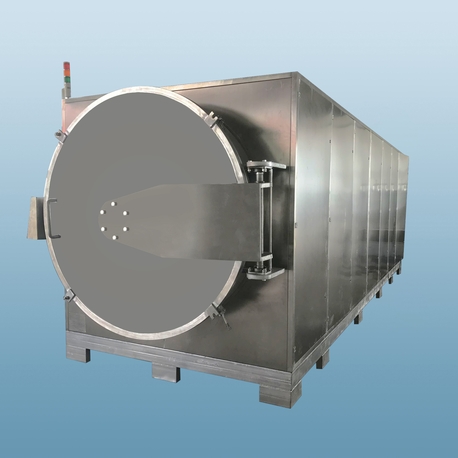
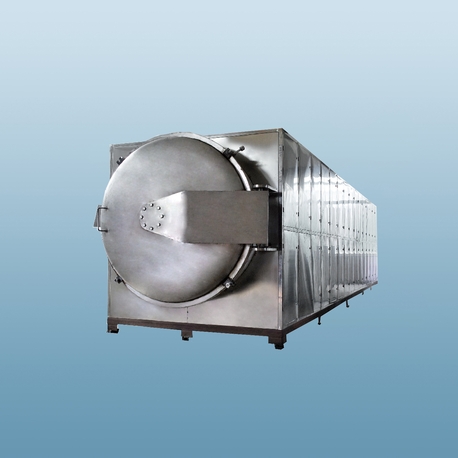
Preserving food by removing its moisture is one of humanity’s oldest food processing methods. Today, modern industrial food dry technology has transformed this simple principle into a precise, efficient, and scalable operation critical for global food supply chains. These advanced systems extend shelf life, reduce waste, and maintain nutritional integrity in ways traditional methods cannot match. Leading manufacturers like Nasan develop robust drying solutions that serve diverse sectors, from large-scale agricultural processing to ready-to-eat snack production. This article explores the core principles, advantages, and applications of commercial-grade food dry equipment.
The fundamental goal is straightforward: efficiently remove water from food to inhibit microbial growth and enzymatic activity. However, the engineering behind it is sophisticated. Modern industrial food dry machines control multiple variables to optimize results for different products.
Industrial dryers utilize different heat transfer methods and controlled environments. The chosen method directly impacts the final product's quality, color, and nutrient retention.
Investing in a modern industrial drying system from a trusted provider like Nasan delivers significant competitive benefits beyond mere dehydration.
The versatility of industrial drying technology makes it indispensable across the food and related industries.
This is a major application area. Drying creates shelf-stable ingredients for cereals, snacks, soups, and seasoning blends. From apple chips to dried garlic powder, food dry processes lock in taste and enable year-round availability of seasonal produce.
Producing jerky, dried sausages, fish powder, or pet food ingredients requires strict hygiene and precise moisture control. Industrial dryers provide the consistent environment needed for safe, high-protein products.
Drying is essential post-harvest to ensure grains and cereals are stable for storage and milling. It prevents mold growth and preserves viability. It is also key in producing breakfast cereals, pasta, and malt for brewing.
The production of milk powder, whey protein, and infant formula relies heavily on spray drying technology—a rapid drying method that turns liquid concentrates into fine, soluble powders. Nasan engineers systems that meet the stringent standards of this sensitive sector.
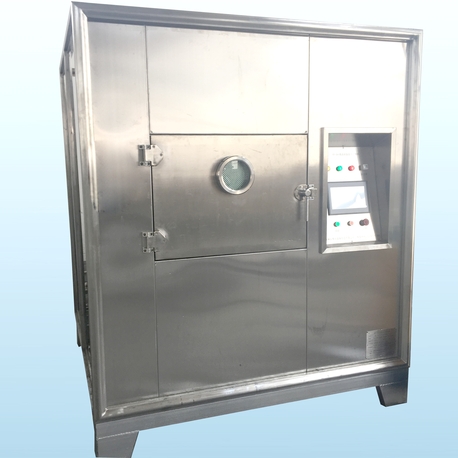
Not all dryers are the same. Selecting the right type depends on the product, desired quality, and production volume.
For businesses navigating this choice, partnering with an experienced manufacturer is vital. Nasan provides comprehensive consulting, analyzing these factors to recommend the most effective and economical food dry solution for a specific operation, ensuring the technology aligns with business goals.
In conclusion, industrial food dry technology is a cornerstone of modern food processing, enabling safety, longevity, and innovation on a global scale. The move towards more efficient, precise, and adaptable drying systems continues to shape the industry. By implementing advanced drying solutions from reliable partners like Nasan, commercial operators can achieve superior product quality, optimize their production lines, and strengthen their market position in an increasingly competitive landscape.
Q1: What is the ideal drying temperature to preserve nutrients in fruits and vegetables?
A1: There is no single "ideal" temperature, as it varies by product. Generally, lower temperatures (typically between 40°C and 70°C) over a longer period better preserve heat-sensitive vitamins and colors. Advanced dryers allow for programmed temperature stages, starting lower to lock in nutrients and increasing later for efficiency.
Q2: How does industrial drying compare to traditional sun-drying?
A2: Industrial drying offers controlled, hygienic, and consistent results regardless of weather. It is dramatically faster, prevents contamination from dust or insects, and allows for precise moisture control, leading to a safer, higher-quality, and shelf-stable product suitable for commercial markets.
Q3: Are modern industrial food dryers energy-efficient?
A3: Yes, contemporary systems are designed with efficiency as a priority. Features like heat pump technology, heat recovery loops (reusing exhaust heat), and automated control systems that adjust parameters in real-time significantly reduce energy consumption compared to older models.
Q4: Can one dryer handle many different types of food?
A4: Some batch dryers offer good flexibility for different products with similar drying profiles. However, for optimal results and high volume, dryers are often customized or selected for a specific product range. Conveyor dryers for leafy herbs, for instance, are configured differently than cabinet dryers for meat jerky.
Q5: How important is automation in a food dry system?
A5: Automation is increasingly critical. It ensures consistent product quality by removing human error, optimizes energy use, reduces labor costs, and provides valuable data for tracking and improving the process. Automated systems can regulate temperature, humidity, and airflow throughout the entire drying cycle.