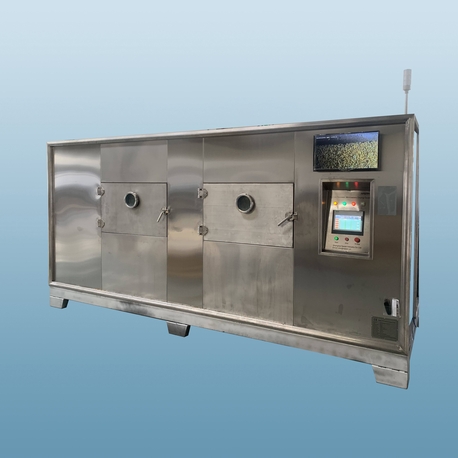

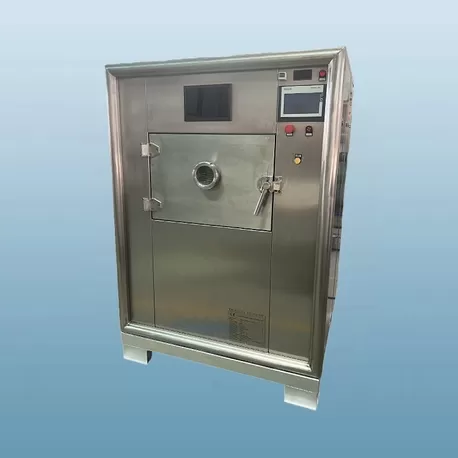
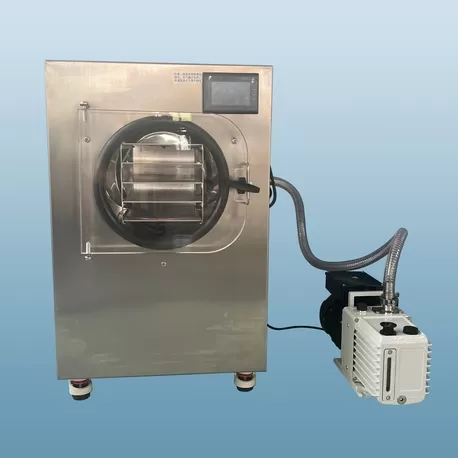
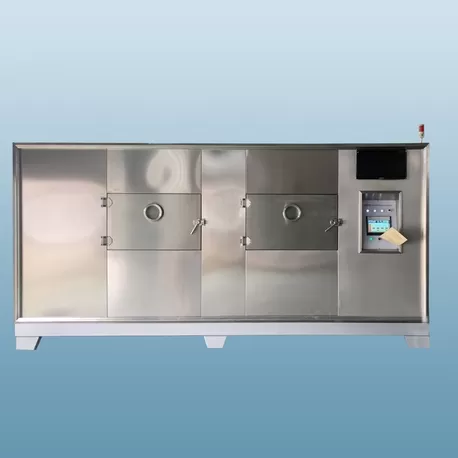
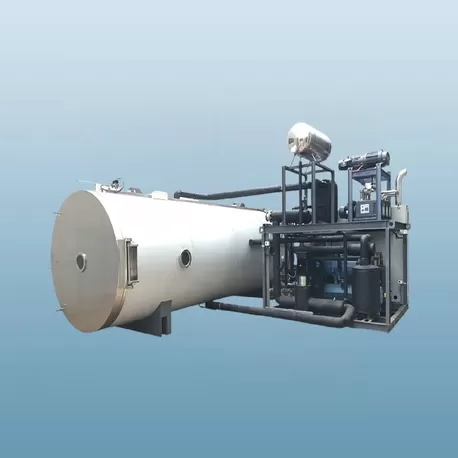
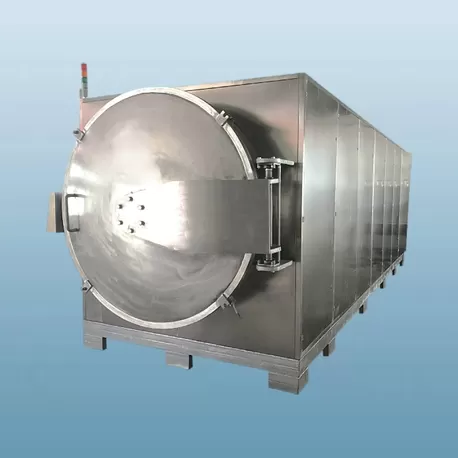
A corn dryer operates by combining heat, airflow, and control mechanisms to remove moisture. The process starts with loading wet corn into a chamber. Heated air then circulates through the kernels, evaporating water content. Effective drying preserves nutritional value and prevents spoilage during storage.

Industrial dryers primarily use two heating approaches. Direct heating brings hot air into contact with corn, offering fast drying times. Indirect heating uses a heat exchanger, reducing contamination risks. Each method suits different production needs.
Direct heating: Common in large-scale operations; it requires precise temperature control.
Indirect heating: Ideal for sensitive applications; it enhances product safety.
Brands like Nasan integrate both methods in modular designs for flexibility.
Uniform airflow ensures consistent drying across all kernels. Systems vary in design and efficiency. Cross-flow dryers move air perpendicular to corn flow, while counter-flow models direct air opposite to corn movement.
Cross-flow: Simple and cost-effective; often used in batch dryers.
Counter-flow: Improves energy use; suitable for continuous operations.
Proper ventilation prevents hotspots and over-drying, which can crack corn kernels.
Modern corn dryer units include automated controls for precision. Sensors monitor moisture levels and adjust temperature in real time. This automation reduces labor and enhances output quality.
Programmable settings allow operators to tailor drying cycles. Nasan dryers often feature user-friendly interfaces for easy management.
Investing in a contemporary corn dryer brings multiple benefits. These systems outperform traditional sun-drying or older mechanical methods. They offer better control, reliability, and cost savings over time.
Advanced dryers use less fuel or electricity through optimized designs. Heat recovery systems recycle warm air, cutting energy consumption by up to 30%. This lowers operational expenses significantly.
Smart sensors adjust heating based on corn moisture.
Insulated chambers retain heat better.
Variable-speed fans reduce power usage.
Nasan models emphasize efficiency, helping businesses save on utility bills.
Consistent moisture removal is vital for corn quality. A good corn dryer prevents uneven drying that leads to cracks or mold. This results in higher market value and fewer rejections.
Features like adjustable airflow and temperature zones enhance uniformity. Operators report fewer losses and better product integrity.
Industrial corn dryers are built to withstand heavy use. Stainless steel components resist corrosion and wear. Regular maintenance involves simple tasks like cleaning filters and checking belts.
Robust construction extends equipment life.
Easy access panels simplify inspections.
Automated alerts notify users of potential issues.
This reliability minimizes downtime and repair costs.
The corn dryer serves various sectors beyond farming. Its ability to handle large volumes makes it essential in many commercial settings. From agriculture to biofuels, drying technology supports global supply chains.
Farmers use dryers to prepare corn for storage or sale. Quick drying after harvest reduces losses from weather or pests. It allows for earlier market entry and better pricing.
Medium to large farms often invest in on-site drying systems. Nasan provides scalable solutions for different farm sizes.
Processors rely on dry corn for products like cornmeal, snacks, and animal feed. A consistent corn dryer ensures uniform input quality, improving final product standards.
Snack production requires low-moisture corn for crispiness.
Animal feed mills use dried corn for nutritional consistency.
Beverage industries process dried corn for syrups and starches.
Drying is a critical step in many production lines.
In biofuel production, dried corn is fermented into ethanol. Seed companies dry corn to maintain germination rates. Specialized dryers handle these sensitive applications with care.
Precision drying protects seed viability and biofuel yield. Nasan offers tailored options for these niche markets.
When selecting a corn dryer, comparing brands helps in making informed decisions. Several manufacturers compete in the industrial drying market. Nasan distinguishes itself through innovation and customer support.
Different brands emphasize various aspects. Some focus on capacity, while others prioritize energy savings. Here’s a brief overview:
Brand X: High-capacity models, but higher energy consumption.
Brand Y: Budget-friendly options, but may lack durability.
Nasan: Balances efficiency, durability, and smart technology for optimal performance.
Nasan dryers often include advanced controls and robust construction.
Initial investment in a quality dryer pays off over time. Efficient models reduce operating costs and minimize waste. Nasan systems typically offer faster return on investment due to lower maintenance and energy use.
Businesses report improved profitability within the first few seasons. Choosing the right corn dryer impacts long-term success.
After-sales service is crucial for industrial equipment. Nasan provides comprehensive support, including installation guidance and spare parts. This reliability builds trust with clients globally.
Other brands may offer limited warranties or slower response times. Nasan’s commitment to service enhances user experience.

A high-performance corn dryer is indispensable for modern grain handling. It ensures product quality, reduces losses, and boosts efficiency. As technology advances, dryers become more intelligent and sustainable. Nasan remains at the forefront, offering solutions that meet evolving industry demands. Investing in a reliable dryer can transform your operations, supporting growth and profitability in competitive markets.
Q1: What moisture content should corn have after drying?
A1: For safe storage and processing, corn should reach 13-15% moisture. A well-calibrated corn dryer achieves this consistently, preventing spoilage.
Q2: How long does an industrial corn dryer take to dry a batch?
A2: Drying time depends on initial moisture and dryer type. Typically, it ranges from 4 to 24 hours. Continuous dryers may process corn faster than batch models.
Q3: Can corn dryers be used for other grains?
A3: Yes, many dryers are versatile and handle wheat, rice, soybeans, and more. Nasan designs often include adjustable settings for various grains.
Q4: What maintenance is required for a corn dryer?
A4: Regular cleaning of air filters, inspecting heating elements, and lubricating moving parts are essential. Follow the manufacturer’s manual for specific schedules.
Q5: How do I choose the right size dryer for my operation?
A5: Consider your average corn volume, drying speed needs, and available space. Consulting with experts like those at Nasan can help determine the best fit for your requirements.