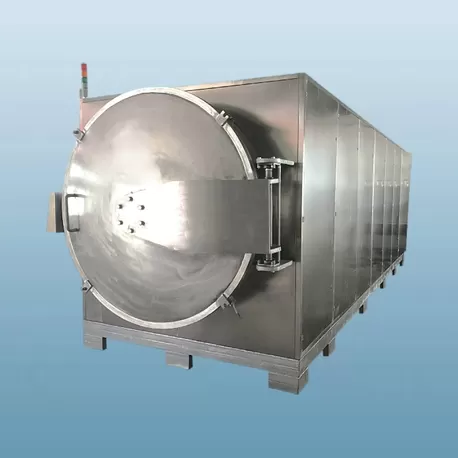
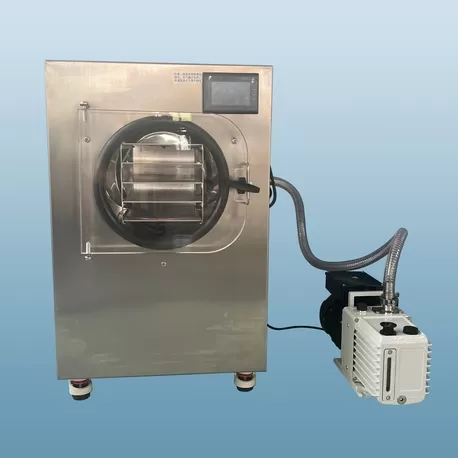
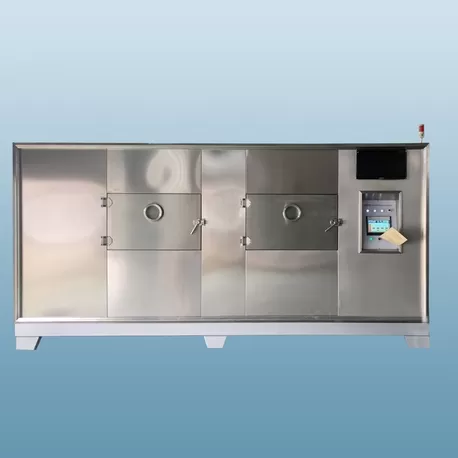
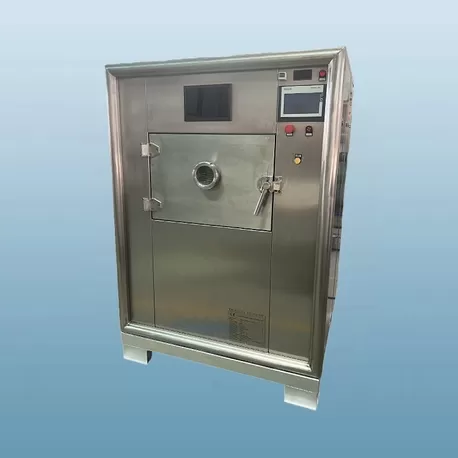
Vegetables are essential components of the global food supply, yet their high moisture content makes them highly perishable. Drying provides an effective solution, extending shelf life while creating convenient, value-added ingredients. An industrial vegetable dryer is specifically engineered to handle this process on a commercial scale. It uses controlled heat and airflow to remove water efficiently, preserving color, flavor, and vital nutrients. For processors seeking consistent quality and high throughput, equipment from manufacturers like Nasan offers reliable performance tailored to the rigorous demands of modern food production.
The drying process is a delicate balance of temperature, time, and air movement. An industrial vegetable dryer manages these variables with precision to achieve optimal results. It transforms fresh produce into stable, dried products suitable for storage, transport, and further processing.
Drying occurs in stages. First, surface moisture evaporates quickly. Then, internal moisture migrates to the surface, which is a slower process requiring careful control. The dryer maintains conditions that prevent case-hardening, where the exterior dries too fast and traps moisture inside. This ensures thorough, even drying throughout the vegetable pieces.
Most vegetables dry best between 55°C and 70°C. Precise temperature control is vital to preserve color and prevent nutrient degradation. Uniform airflow ensures every piece dries at the same rate. Industrial dryers use powerful fans and engineered ducting to distribute air evenly across all trays or conveyor belts.
Managing humidity inside the chamber is equally critical. As water evaporates, the air becomes saturated. An efficient dryer exhausts this moist air and replaces it with dry air, maintaining a strong drying potential. Advanced systems from companies like Nasan may include dehumidification or heat pump technology for superior control and energy savings.
Upgrading from traditional methods to an industrial system provides significant operational and economic benefits. These advantages directly impact product quality, production capacity, and the bottom line.
Controlled, low-temperature drying preserves the natural color, shape, and flavor of vegetables. It also minimizes the loss of heat-sensitive vitamins and antioxidants. This results in a premium dried product that commands better market prices and meets consumer demand for healthy ingredients.
Industrial dryers are built for volume. They can process hundreds of kilograms of fresh vegetables per batch, drastically increasing throughput compared to small-scale units. Automated features reduce labor requirements. The entire drying cycle is more efficient, using less energy per kilogram of finished product.
Manufacturers such as Nasan focus on engineering dryers that deliver this efficiency, helping businesses achieve a strong return on investment.
By reducing water activity to safe levels (typically below 0.6), an industrial vegetable dryer inhibits the growth of bacteria, yeast, and mold. This extends shelf life to a year or more without chemical preservatives. The enclosed, hygienic drying environment also protects products from external contaminants like dust and insects.
Dried vegetables are versatile ingredients used across numerous food sectors. They add flavor, nutrition, and convenience to a wide array of products.
They are essential components in instant soups, noodles, sauces, and ready-to-eat meal kits. The snack industry uses dried vegetables for chips and savory mixes. Food manufacturers incorporate vegetable powders into seasonings, baby food, and health supplements. The hospitality sector relies on them as reliable, non-perishable kitchen staples. The pet food industry also uses dried vegetables in natural treat formulations.
Selecting the right dryer technology depends on the specific vegetable, desired final product form, and production volume. Here's a comparison of common systems.
Belt (or conveyor) dryers offer continuous processing, ideal for large-scale production of a single product like carrot dices or onion flakes. They provide high automation. Tray dryers are batch systems, offering greater flexibility for smaller batches or frequent product changeovers. They are often preferred for operations drying multiple types of vegetables.
Conventional dryers use heated air, which can be energy-intensive, especially in humid conditions. Heat pump dryers are a more advanced option. They dehumidify and recirculate air within a closed system, using significantly less energy. This technology, featured in some modern lines, allows for excellent low-temperature drying, which is perfect for preserving the quality of delicate herbs and leafy greens.
Some vegetables require tailored approaches. For instance, tunnel dryers with multiple temperature zones work well for larger pieces. Fluidized bed dryers are excellent for small, uniform pieces like peas or corn kernels, as they ensure each particle is fully exposed to the drying air. Understanding these nuances helps in selecting the most effective vegetable dryer.
Investing in the right equipment requires careful consideration of several technical and operational factors. Focus on these criteria to ensure a successful purchase.
Partnering with an established manufacturer provides significant advantages. A company like Nasan can offer application expertise, helping configure a system that perfectly matches your production line requirements.
Q1: What is the ideal temperature for drying vegetables in an industrial dryer?
A1: The ideal temperature range is typically between 55°C and 70°C (131°F to 158°F). Leafy greens and herbs require lower temperatures (40-50°C) to preserve color and nutrients, while root vegetables can tolerate higher temperatures. A professional vegetable dryer offers adjustable settings to accommodate these differences.
Q2: How long does it take to dry vegetables commercially?
A2: Drying time varies based on vegetable type, piece size, and dryer technology. For example, thin slices of carrot or zucchini may dry in 4-7 hours, while thicker pieces of potato or beet could take 8-12 hours. Industrial systems are much faster than traditional methods due to optimized airflow and temperature control.
Q3: Do vegetables need to be blanched before industrial drying?
A3: Blanching is a common and recommended pre-treatment for many vegetables. It inactivates enzymes that cause color and flavor degradation during drying and storage. It also helps preserve vitamins and can shorten drying time by softening tissue. However, the necessity depends on the vegetable and the desired final product characteristics.
Q4: Can one dryer process both vegetables and fruits?
A4: Yes, a well-designed industrial food dryer is highly versatile. By creating and saving different drying programs, you can efficiently process a wide variety of products, from tomatoes and onions to apples and berries, in the same machine. This flexibility maximizes the return on your equipment investment.
Q5: What final moisture content is required for safe storage of dried vegetables?
A5: For safe, long-term storage, dried vegetables should generally have a moisture content below 10%, and often between 5% and 8%. This low water activity prevents microbial growth and ensures crispness or desired texture. An industrial dryer provides the control needed to consistently achieve these targets across entire batches.
An industrial vegetable dryer is a cornerstone of efficient food processing, enabling the transformation of perishable produce into stable, versatile ingredients. By ensuring precise control over the drying environment, it safeguards the nutritional and sensory qualities that define a premium product. For businesses aiming to scale production, reduce waste, and meet the growing demand for convenient dried foods, investing in reliable drying technology is a strategic decision. Exploring the engineered solutions from experienced providers like Nasan is a practical step toward achieving these operational goals.