Preserving products effectively is one of the biggest challenges in food processing, agriculture, and industrial manufacturing. Moisture is the enemy of shelf life. It encourages bacteria, mold, and degradation. To combat this, businesses rely on a robust dehydrator to remove water content while maintaining the integrity of the material.
Whether you are producing dried fruit, beef jerky, or drying industrial sludge, the equipment you choose defines your output quality. Moving away from traditional sun drying to controlled mechanical drying changes the game. It offers consistency that nature cannot provide.
In the global market, the demand for high-efficiency drying technology is growing. Manufacturers need machines that save energy and produce uniform results. This article looks at how modern drying systems work, their applications, and what to look for when investing in one. We will also touch on industry leaders like Nasan, who are setting standards in drying technology.

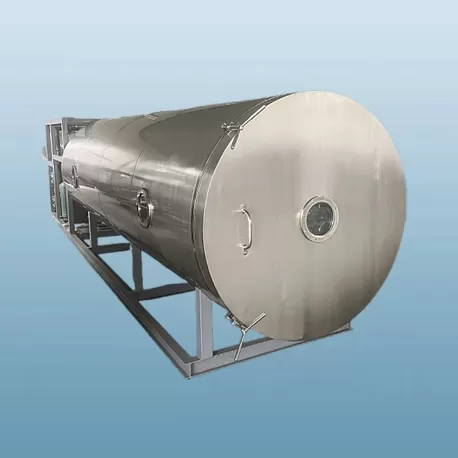
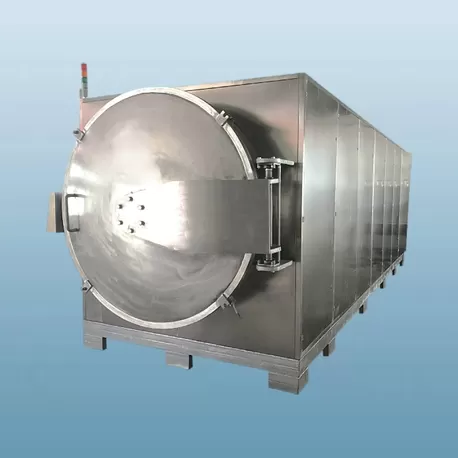
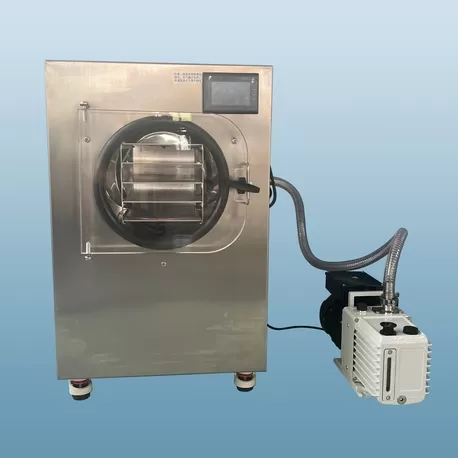
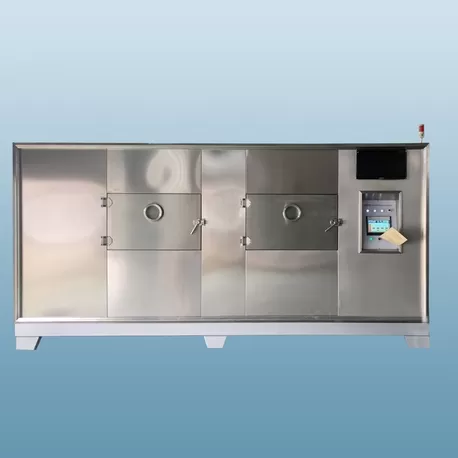
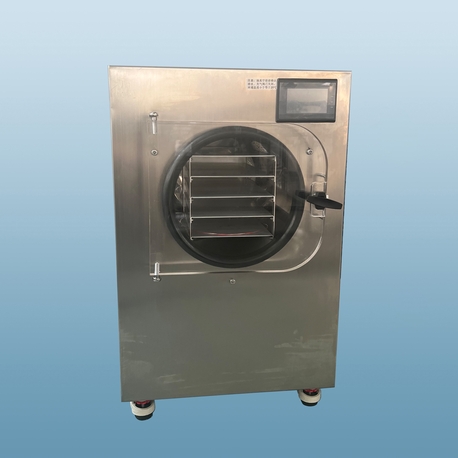
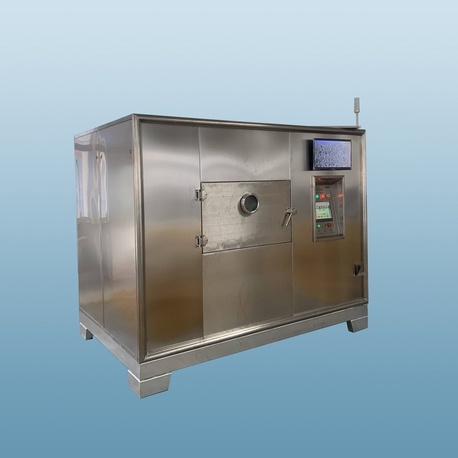
A commercial drying machine is very different from the small countertop units found in kitchens. Industrial units are built for scale. They process hundreds or even thousands of kilograms of raw material in a single batch.
The core function is simple but precise. The machine circulates heated air around the product. This air absorbs moisture from the material. The moist air is then removed or condensed, leaving the product dry. However, doing this efficiently on a large scale requires advanced engineering.
Modern systems often use heat pump technology. Unlike old electric coil dryers that burn money on electricity, a heat pump dehydrator recycles waste heat. It captures energy from the moist air and reuses it to heat the incoming dry air. This results in significant operational savings.
How the Drying Process Works
The operation of a commercial dryer follows a specific workflow. Understanding this helps operators get the best results.
Airflow Circulation
The heart of the machine is the fan system. Air must move evenly across every tray or rack. If the airflow is weak in corners, you get "dead zones" where product stays wet. Quality machines ensure 360-degree circulation.
Temperature Control
Different materials need different heat levels. Herbs might lose flavor if dried above 40°C. Meat needs higher temperatures to ensure safety. A good system offers precise digital control to set stages. You might start high to kill bacteria and lower the heat to finish the drying gently.
Humidity Extraction
This is where the magic happens. As the air gets hot, it becomes thirsty for water. It pulls moisture from your product. The machine monitors relative humidity. When the air is saturated, the system expels the water (often as condensate in heat pumps) and sends dry, warm air back into the chamber.
Key Application Areas
The versatility of a dehydrator makes it a staple in many sectors. Here are the primary fields where these machines provide solutions.
Food Processing and Agriculture
This is the most common use. Farmers and processors use dryers to extend the value of their harvest.
Fruits and Vegetables: Mangoes, apples, tomatoes, and onions are dried to create snacks or ingredients for soups.Spices and Herbs: Ginger, garlic, and leafy herbs need gentle drying to keep their color and essential oils.Meat and Seafood: Jerky, sausages, and dried fish are premium products that require strict humidity control to prevent spoilage.
Pet Food Manufacturing
The pet treat market is booming. Manufacturers use large dryers to make chicken breast treats, liver snaps, and dried sweet potatoes for dogs. The texture needs to be chewy yet shelf-stable, which requires a specific drying curve.
Industrial Materials
Drying isn't just for food.
Wood: Timber needs to be dried to prevent warping before it is used in furniture.Incense and Coils: These products are fragile. Controlled drying prevents them from cracking.Textiles and Paper: Special drying rooms are used to remove moisture from fabrics or paper pulp efficiently.
Waste Management
Sludge drying is a growing field. Factories produce wet waste that is heavy and expensive to transport. By running it through a specialized dryer, they reduce the weight by up to 60%. This slashes disposal costs and lowers the environmental footprint.
Solutions for Common Drying Problems
Many businesses struggle with older equipment. They face issues like high electricity bills and inconsistent product quality.
Problem: uneven drying.Solution: A dryer with a reversible airflow system. By switching the wind direction periodically, the machine ensures items in the back dry as fast as items in the front.
Problem: High energy costs.Solution: Switching to a closed-loop heat pump system. This can reduce energy consumption by up to 70% compared to open-loop electric dryers. Companies like Nasan specialize in these energy-efficient designs, helping businesses lower their overheads while improving output.
Problem: Loss of aroma or color.Solution: Low-temperature drying. By keeping temperatures lower but controlling humidity aggressively, you preserve the sensory qualities of the product. This is vital for high-value items like saffron or flowers.
The Operational Workflow
Using a commercial dehydrator involves more than just pressing a button. A standardized process ensures quality.
1. PreparationRaw materials must be cleaned and sorted. Uniformity is key. If you have thick slices mixed with thin slices, they will dry at different rates. Slicing machines are often used to ensure every piece is the exact same thickness.
2. LoadingTrays should be loaded evenly. Overloading a tray blocks airflow. It is better to leave a little space than to pile product too high. This ensures the hot air touches every surface.
3. Setting ParametersOperators input the drying stages. For example, a cycle might look like this:
Stage 1: 60°C for 2 hours (fast moisture removal).Stage 2: 55°C for 6 hours (steady drying).Stage 3: 45°C for 2 hours (finishing/conditioning).
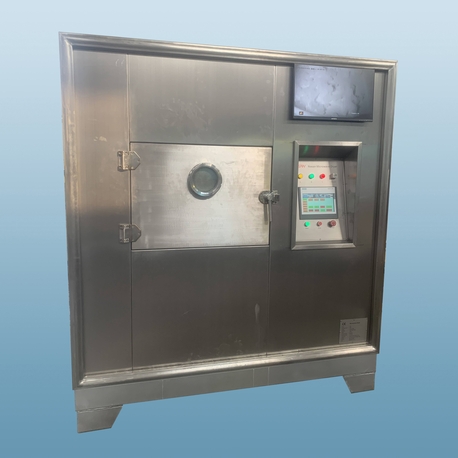
4. MonitoringModern machines allow for remote monitoring. You can check the humidity levels on a screen. You do not need to open the door, which would let heat escape.
5. Cool Down and PackagingOnce the cycle ends, the product must cool down before packaging. If you pack warm food, condensation will form inside the bag, causing mold.
Selecting the Right Equipment
When shopping for a drying system, the options can be overwhelming. Here is a checklist to guide your decision.
Capacity Requirements
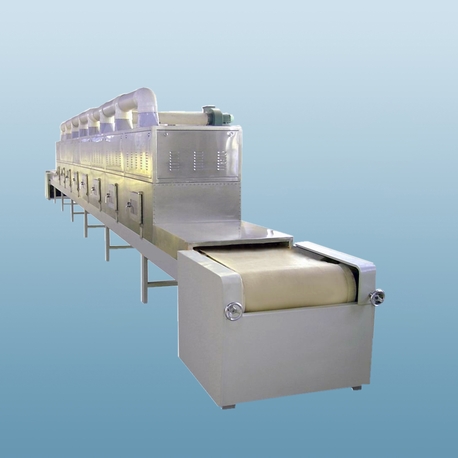
How much raw material do you process per day? A small business might need a cabinet dryer that holds 100kg. A large factory might need a continuous belt dryer or a large room-based system that holds tons.
Material Quality
Look for Stainless Steel 304. It is food-grade, resistant to rust, and easy to clean. Avoid machines with galvanized iron interiors if you are producing food, as they can corrode over time.
Energy Efficiency
This is the biggest long-term cost. An electric heater is cheap to buy but expensive to run. A heat pump dryer costs more upfront but pays for itself in electricity savings within a year or two.
Manufacturer Support
You need a supplier who understands the science of drying, not just someone selling metal boxes. Reliable brands provide drying recipes and technical support. Nasan is known for assisting clients with specific drying parameters to ensure the final product meets market standards.
Maintenance and Safety
To keep a dehydrator dehydrator running for years, regular maintenance is required.
Clean the Filters: Dust and debris block airflow. Clean air filters ensure the fans work efficiently.
Inspect Seals: The rubber gaskets on the doors keep the heat in. If they crack, you lose energy. Replace them as needed.
Check Sensors: Temperature and humidity sensors must be accurate. If they drift, your drying data will be wrong, leading to spoiled product.
Clean the Trays: Food residue can harbor bacteria. Trays should be washed and sanitized after every batch.
The Future of Drying Technology
The industry is moving toward smarter machines. IoT (Internet of Things) integration is becoming standard. This allows factory managers to control dryers from their smartphones. They can receive alerts if a cycle finishes or if there is an error.
Sustainability is another driver. Solar-assisted dryers and ultra-high-efficiency heat pumps are reducing the carbon footprint of food processing. As energy prices rise, efficiency becomes the most critical feature of any machine.
Furthermore, the market for dried goods is expanding. Consumers want healthy snacks with clean labels. Dried fruit without added sugar is a top seller. To produce this, precise drying that keeps the natural fructose intact without burning is essential.
Conclusion
Investing in a high-quality industrial dehydrator is a strategic move for any production business. It transforms perishable raw materials into stable, high-value products. From reducing waste to opening new market channels, the benefits are clear.
Success lies in choosing the right machine for your specific needs. You must balance capacity, energy efficiency, and build quality. Understanding the drying process—how airflow, temperature, and humidity work together—empowers you to produce the best possible product.
Whether you are drying exotic fruits or industrial sludge, the technology exists to do it efficiently. Partnering with experienced manufacturers like Nasan ensures you get equipment that stands the test of time and delivers consistent results. By prioritizing quality equipment and proper operation, you set your production line up for long-term success.
Q1: How much electricity does a commercial heat pump dehydrator consume compared to a traditional electric dryer?
A1: A heat pump dryer typically consumes about 70% to 75% less electricity than a traditional electric heating wire dryer. While a traditional unit might use 10kW of power to generate heat, a heat pump system might use only 2.5kW to 3kW to achieve the same drying effect because it recycles energy from the air.
Q2: Can I dry different types of products in the same machine at the same time?
A2: It is generally not recommended to dry different products simultaneously, especially if they have strong odors (like onions and apples). Cross-contamination of flavors can occur. Additionally, different products have different moisture contents and require different temperature curves to dry properly.
Q3: What is the ideal temperature for drying fruits to maintain their nutrients?
A3: To preserve vitamins and color, most fruits should be dried at temperatures between 50°C and 60°C (122°F - 140°F). If the temperature is too high, the surface may harden (case hardening), trapping moisture inside, and nutrients like Vitamin C will degrade.
Q4: How do I know when the drying process is finished?
A4: The most accurate way is to measure the moisture content using a moisture meter. However, experienced operators often check texture. Fruit should be pliable but leathery with no pockets of moisture. Meat should crack but not break when bent. The final product should be cooled to room temperature before testing, as warm products often feel softer.
Q5: How often does an industrial dehydrator need professional servicing?
A5: Basic cleaning should happen daily or weekly. However, a professional check of the refrigerant levels (for heat pumps), electrical connections, and fan motors should be conducted at least once a year. This preventative maintenance ensures the machine runs at peak efficiency and prevents unexpected breakdowns.