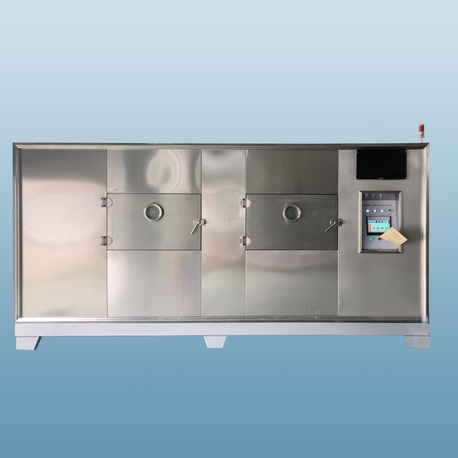
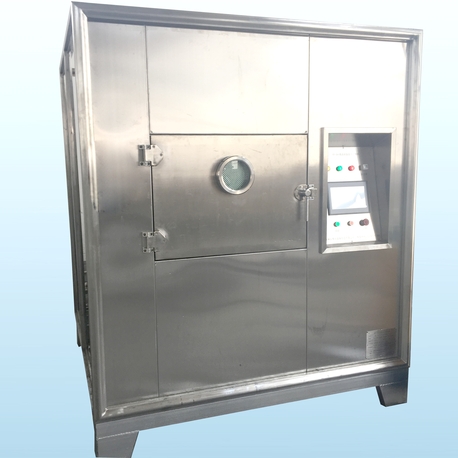
Preserving biological material or food without changing its structure is a complex engineering challenge. Traditional heat drying works for many products, but it often changes the shape, color, and nutritional content of the material. This is where the freeze drying machine changes the landscape of preservation.
Also known as a lyophilizer, this equipment allows manufacturers to remove moisture from a frozen product through a vacuum process. The result is a lightweight, shelf-stable product that retains nearly all its original quality. For industries ranging from pharmaceuticals to gourmet food production, this technology is essential.
Global demand for high-quality dried goods is rising. Consumers want clean labels and minimal processing. A freeze dryer delivers exactly that. In this article, we will look at how the technology works, its industrial applications, and the operational steps required for success. We will also touch on industry standards and brands like Nasan that are part of the broader conversation on advanced drying solutions.
To operate this equipment effectively, one must understand the principle of sublimation. In standard drying, water evaporates from liquid to gas. In freeze drying, water moves directly from solid (ice) to gas (vapor), skipping the liquid phase entirely.
This happens under specific conditions. The freeze drying machine creates a vacuum environment where the pressure is below the "triple point" of water. When heat is applied gently, the ice inside the product turns into vapor and is pulled away by the vacuum pump.
Because the water never turns back into liquid, the structure of the product does not collapse. A strawberry dried this way looks exactly like a fresh strawberry, just lighter. This structural integrity is the main selling point of the technology.
Core Components of the System
An industrial unit is made up of four main systems. If one fails, the batch is compromised.
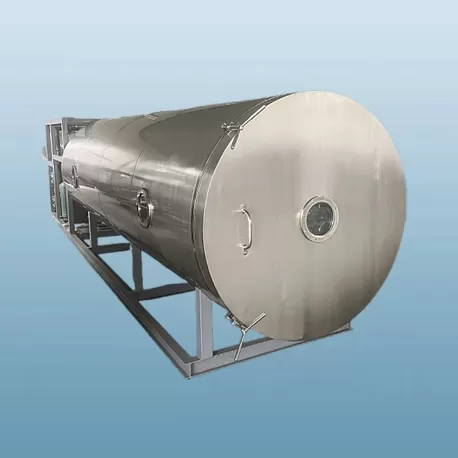
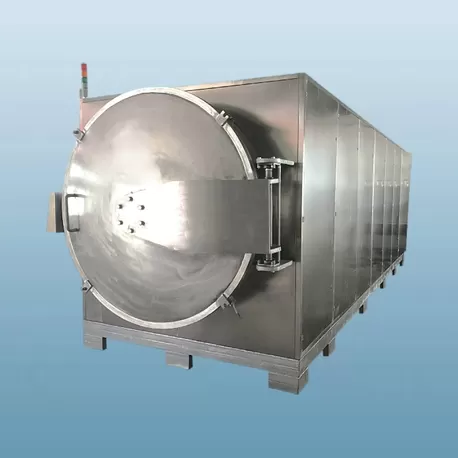
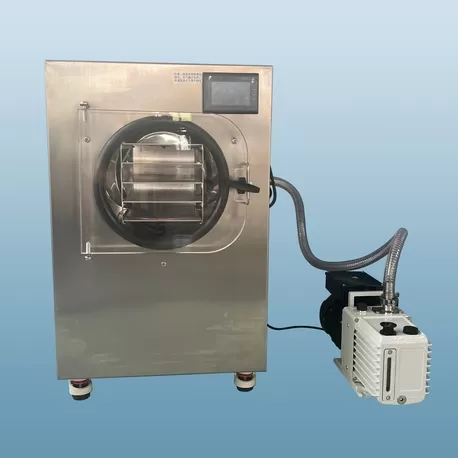
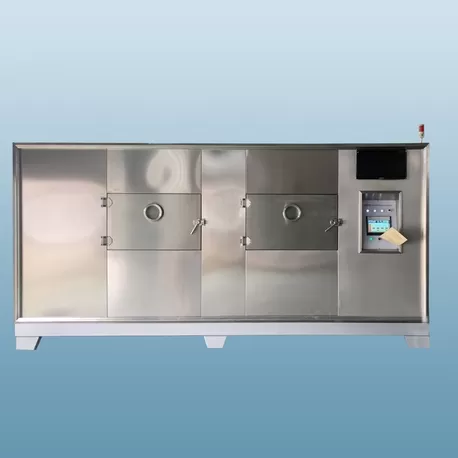
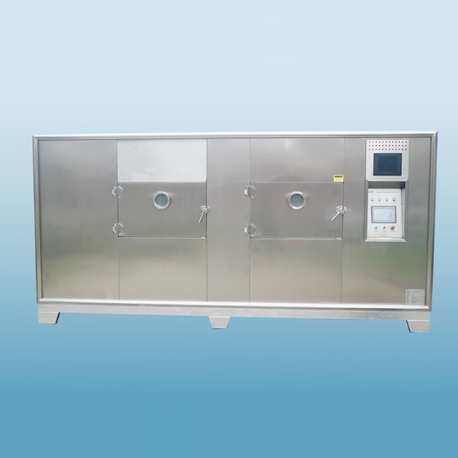
1. The ChamberThis is the main body of the machine, usually made of polished stainless steel (304 or 316 grade). It holds the shelves and trays. It must be reinforced to withstand extreme vacuum pressure without imploding.
2. The Condenser (Cold Trap)As vapor leaves the product, it needs somewhere to go. If it goes straight into the vacuum pump, it will ruin the pump oil. The condenser is a super-cooled coil (often -50°C to -80°C) that catches the vapor and turns it back into ice.
3. The Vacuum PumpThis engine creates the low-pressure environment. It removes air from the chamber. A high-quality pump is vital for maintaining the deep vacuum needed for sublimation.
4. The Control SystemModern machines use PLC (Programmable Logic Controller) touchscreens. Operators program "recipes" that dictate the temperature and pressure for different stages of the cycle. Companies in the drying sector, such as Nasan, understand that precise control systems are what separate amateur setups from industrial production lines.
The Operational Workflow
Using a commercial freeze drying machine is a multi-step process. It takes longer than heat drying, often ranging from 20 to 48 hours per batch.
Step 1: Pre-Treatment and Freezing
The material must be completely frozen before it enters the vacuum stage. Some machines have "shelf freezing" capabilities, while others require a separate blast freezer. The faster you freeze the product, the smaller the ice crystals. Small crystals prevent damage to the cell walls of food or biological samples.
Step 2: Primary Drying (Sublimation)
Once frozen, the vacuum pump turns on. The pressure drops. The shelves are gently heated. This provides the energy for the ice to sublimate. About 95% of the water is removed during this long phase. It requires patience; rushing this stage causes the product to melt or "collapse."
Step 3: Secondary Drying (Desorption)
Even after the ice is gone, some water molecules are bound ionically to the material. The shelf temperature is raised higher to break these bonds. This brings the residual moisture content down to 1% to 4%.
Step 4: Packaging
The moment the cycle ends and the door opens, the dry product acts like a sponge. It will absorb moisture from the air immediately. Rapid packaging in airtight, moisture-proof bags (like Mylar) with oxygen absorbers is critical.
Key Application Areas
The versatility of the freeze drying machine allows it to serve multiple sectors.
The Food Industry
This is the largest growth area.
Instant Coffee: The most famous freeze-dried product. It retains flavor better than spray-dried coffee.Camping Meals: Lightweight, high-calorie meals that rehydrate instantly with hot water.Fruits and Snacks: Freeze-dried yogurt drops and fruit slices are popular health snacks because they require no added preservatives.
Pet Food Manufacturing
Owners are increasingly buying "raw" diets for pets. Freeze-dried raw meat offers the nutrition of raw food with the convenience of kibble. It kills pathogens while keeping the enzymes intact.
Pharmaceuticals and Biotechnology
In this sector, the machines are often called lyophilizers. They are used to stabilize vaccines, antibiotics, and other injectables. Liquid medicine has a short shelf life; powder can last for years and is easier to ship.
Floral and document preservation
Wedding bouquets can be preserved in their original 3D shape. Additionally, water-damaged historical documents are often freeze-dried to remove the water without causing the paper to stick together or warp.
Comparing Freeze Drying to Heat Drying
Business owners often ask if the investment is worth it. A freeze dryer costs significantly more than a standard hot air dehydrator.
Texture:Heat drying makes food chewy or hard (like beef jerky). Freeze drying makes food airy and crunchy.
Rehydration:Freeze-dried items rehydrate almost instantly because the microscopic pores left by the ice allow water to re-enter. Heat-dried food takes a long time to soak up water.
Nutrition:Heat destroys heat-sensitive vitamins like Vitamin C and Beta-carotene. Freeze drying operates at low temperatures, retaining over 97% of the nutritional value.
However, for products where texture and high cost are not issues, standard drying solutions from brands like Nasan are often more energetic and cost-efficient. The choice depends on the final product's market positioning.
Selecting the Right Equipment
When sourcing a freeze drying machine, specifications matter more than marketing.
Shelf Area:Capacity is measured in square meters of shelf area, not just the volume of the chamber. Calculate how many kilograms of wet product you can load per square meter.
Ice Capacity:The condenser has a limit. If your product contains 100 liters of water, but your condenser can only hold 50 liters of ice, the cycle will fail. Always match the condenser capacity to your batch size.
Vacuum Pump Type:Oil-sealed pumps are standard but require frequent oil changes. Dry scroll pumps are oil-free and require less maintenance, though they are more expensive upfront.
Build Quality:Check the welding on the vacuum chamber. Poor welds lead to leaks. Leaks mean the pump works harder, electricity bills go up, and the vacuum level fluctuates, ruining the batch.
Maintenance and Troubleshooting
An industrial machine is a workhorse, but it is sensitive. Regular maintenance is non-negotiable.
Oil Management:If using oil pumps, the oil must be changed or filtered frequently. Water vapor mixes with the oil, turning it milky. Milky oil cannot create a deep vacuum.
Door Seals:The rubber gasket on the chamber door is the most common point of failure. It should be wiped clean of dust and debris before every cycle. A single hair across the seal can cause a vacuum leak.
Sensor Calibration:Thermocouples and vacuum sensors drift over time. They should be calibrated annually to ensure your drying "recipe" is actually being followed.
Economic Considerations
Running a freeze drying machine is energy-intensive. The vacuum pump and the refrigeration compressor run simultaneously for days.
To mitigate costs, factories optimize their batch schedules. Loading the machine quickly ensures minimal downtime. Some facilities use waste heat from the refrigeration unit to help warm the facility in winter.
Despite the high operational cost, the profit margin on freeze-dried goods is high. A kilogram of fresh strawberries might cost $3, but a kilogram of freeze-dried strawberries can sell for $50 or more. The value addition is substantial.
The adoption of freeze drying technology is transforming how we store and consume products. It offers a solution that balances longevity with quality, a combination that traditional drying methods struggle to achieve. For businesses looking to enter the premium food or pharmaceutical market, a freeze drying machine is a necessary investment.
Success in this field requires understanding the balance between physics and engineering. It is not enough to simply buy the machine; one must master the process. From the freezing rate to the vacuum pressure, every variable counts.
As the industry evolves, equipment is becoming more energy-efficient and user-friendly. Whether you are consulting with drying specialists at Nasan or setting up your own production line, prioritizing quality equipment will pay dividends. The ability to lock in freshness for decades is a powerful tool in modern manufacturing.
Q1: What is the difference between a freeze dryer and a dehydrator?
A1: A dehydrator uses heated air to evaporate moisture, which often shrinks the product and changes its texture to be chewy or hard. A freeze drying machine uses a vacuum and cold temperatures to sublime ice directly to vapor, maintaining the product's original shape, size, and nutritional value, resulting in a crunchy texture.
Q2: How long does a typical freeze drying cycle take
A2: An industrial cycle typically lasts between 20 to 48 hours. The duration depends heavily on the thickness of the product, the water content, and the specific "recipe" or temperature settings used during the primary drying phase.
Q3: Can I freeze dry foods with high sugar content
A3: Yes, but it is difficult. Foods like pineapple, honey, or very ripe berries have high sugar levels which lower the freezing point. If they are not frozen to a very low temperature (often below -40°C) before the vacuum is applied, the sugar may melt and bubble rather than dry properly.
Q4: Does freeze-dried food need to be refrigerated
A4: No. Once the process is complete and the food is packaged in an airtight container with an oxygen absorber, it is shelf-stable at room temperature. It can last for 15 to 25 years if stored in a cool, dark place without refrigeration.
Q5: Why is the vacuum pump oil changing color?
A5: If the oil in your vacuum pump turns milky or cloudy, it means water vapor has bypassed the condenser and contaminated the oil. This reduces the pump's efficiency. You must drain and replace the oil immediately to prevent damage to the pump's internal components.