Moisture removal is one of the oldest and most critical unit operations in
food processing. From preserving seasonal fruits to creating shelf‑stable meat
snacks, the dehydrator has evolved from simple sun
drying to sophisticated industrial equipment capable of precise temperature,
humidity, and airflow control. Today’s industrial dehydrators must balance
throughput, energy efficiency, food safety, and product quality. This article
provides a technical overview of dehydrator technologies, application‑specific
considerations, and key selection criteria for food manufacturers, with a focus
on measurable outcomes and compliance.

Industrial dehydrators use various methods to transfer heat to the product
and carry away moisture. The choice of technology directly impacts drying time,
energy consumption, and final product characteristics.
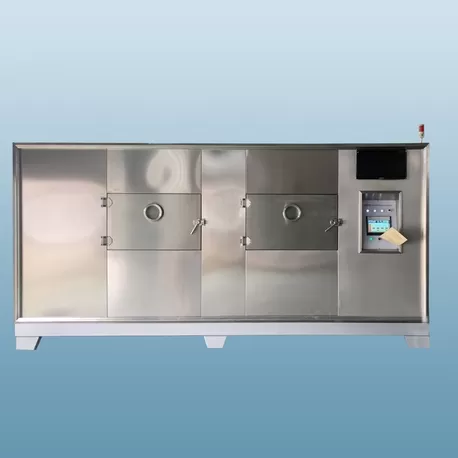
Convection (Hot Air) Dehydrators
The most common type, convection dehydrators, circulate heated air over the
product. Air temperature, velocity, and humidity are controlled to optimize
drying rate while preventing case hardening. Key components include:
Heating system: Electric, gas, or steam coils.
Air handling: Variable-speed fans and ducting to ensure
uniform airflow across all trays or belts.
Humidity control: Integrated exhaust dampers or
dehumidifier modules to remove moisture-laden air.
Modern convection dehydrators often incorporate heat recovery systems to
preheat incoming air, reducing energy costs by 20–30%. They are suitable for
fruits, vegetables, herbs, and jerky.
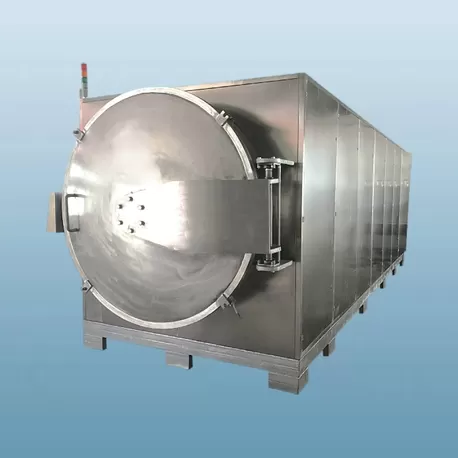
Vacuum Dehydrators
By reducing pressure, vacuum dehydrators lower the boiling point of water,
allowing drying at lower temperatures. This preserves heat‑sensitive nutrients,
colors, and flavors. Vacuum dehydrators are used for high‑value products like
instant coffee, fruit powders, and pharmaceutical intermediates. They require
robust vacuum pumps and often include indirect heating via platens or
jackets.
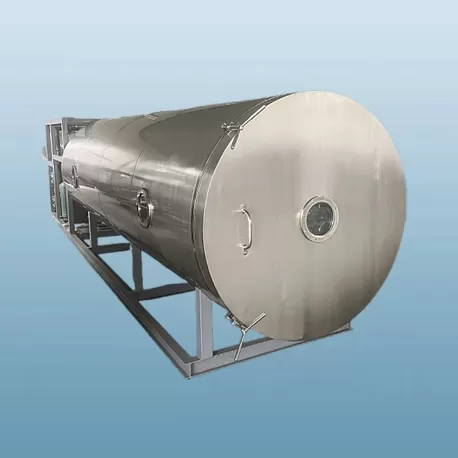
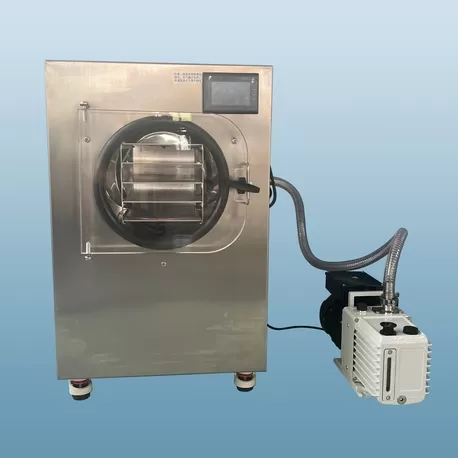
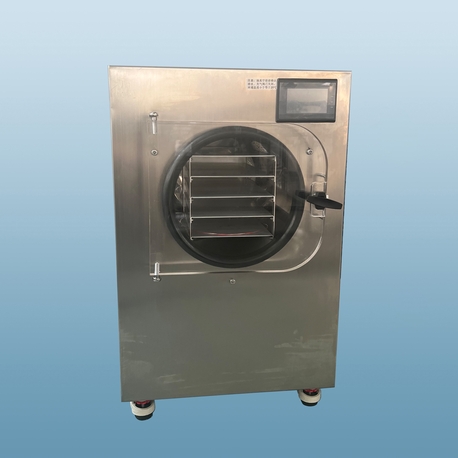
Freeze drying is the gentlest method: the product is frozen, then ice
sublimes directly to vapor under high vacuum. The resulting product retains
nearly all original structure, nutrients, and flavor. Freeze dryers are the
equipment of choice for premium instant coffee, space foods, and probiotic
cultures. However, they are capital‑intensive and have longer cycle times.
Microwave and Radio Frequency Dehydrators
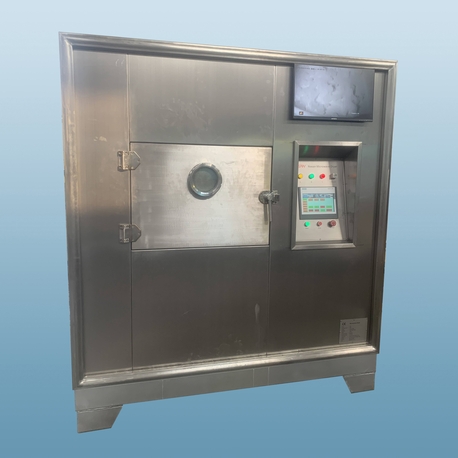
These technologies use electromagnetic waves to generate heat volumetrically
within the product, drastically reducing drying time. Microwave dehydrators are
effective for pasta, snacks, and continuous processing lines. Careful control is
needed to avoid hot spots and arcing.
Heat Pump Dehydrators
Heat pump dehydrators (also called closed‑loop dehydrators) recycle heat by
condensing moisture from the exhaust air and reheating the dehumidified air.
They are highly energy‑efficient, especially in cooler climates, and maintain
precise humidity levels. Nasan offers a range of
heat‑pump industrial dehydrators that achieve SMER (specific moisture extraction
rate) above 4.0 kg/kWh, significantly reducing operating costs.
Application‑Specific Dehydrator Configurations
The ideal dehydrator for a given product depends
on its physical structure, water activity, and quality requirements.
Fruit and Vegetable Drying
High‑sugar fruits (mangoes, dates) require lower temperatures to prevent
caramelization, while vegetables like onions and garlic need effective
sulfurization or blanching pre‑treatment. Multi‑stage dehydrators with falling
temperature profiles are common. Air velocity must be sufficient to carry away
moisture without blowing lightweight products off trays.
Meat and Fish Dehydration
Jerky, biltong, and dried fish require careful control of water activity to
inhibit pathogens like Salmonella and E. coli. Industrial dehydrators for meat
include integrated cooking steps to achieve pasteurization, followed by drying
at 60–70°C. Stainless steel construction with crevice‑free welds is mandatory
for hygienic cleaning.
Herbs, Spices, and Botanicals
These products are highly sensitive to temperature and light. Low‑temperature
dehydrators (35–45°C) with indirect heating preserve essential oils and color.
Perforated trays or mesh belts allow uniform airflow without damaging delicate
leaves.
Grains, Pulses, and Oilseeds
Post‑harvest drying reduces moisture content to safe storage levels (12–14%).
Continuous‑flow tower dehydrators with large capacities are used. They often
employ mixed‑flow or cross‑flow designs to minimize kernel stress and
cracking.
Critical Performance Parameters for Industrial Dehydrators
When specifying a dehydrator, engineers must evaluate several technical
metrics:
1. Drying Capacity and Throughput
Expressed as kilograms of water removed per hour or per batch. This depends
on the product’s initial moisture content, desired final moisture, and drying
kinetics. Suppliers like Nasan provide drying
curves for common products based on in‑house testing.
2. Energy Efficiency (SMER)
Specific Moisture Extraction Rate (kg water/kWh) is the key metric. Heat pump
dehydrators achieve SMER 3.5–5.0, while conventional electric dehydrators range
1.5–2.5. Energy costs often dominate lifecycle expenses, so selecting an
efficient system is critical.
3. Uniformity of Drying
Variations in air distribution lead to over‑dried and under‑dried batches.
Computational fluid dynamics (CFD) is now used to design plenums and baffles
that ensure ±2°C temperature uniformity across the drying chamber.
4. Hygienic Design and Cleanability
Food dehydrators must comply with EHEDG and FDA guidelines. Features
include:
Welded rather than bolted frames to eliminate crevices.
Sloping surfaces for drainage.
Easy‑access panels for internal cleaning.
Food‑grade belt materials (e.g., stainless steel mesh, PU coated).
5. Control and Automation
Modern dehydrators use PLCs with touchscreen interfaces, allowing
programmable drying profiles (time‑temperature‑humidity ramps). Data logging for
HACCP compliance is standard. Integration with plant SCADA systems via Modbus or
Profibus is available.
Addressing Industry Pain Points with Advanced Dehydrator Design
Food processors face persistent challenges that advanced dehydrator
engineering can mitigate.
Pain Point: Case Hardening and Poor Rehydration
Rapid initial drying can form a hard surface layer that traps moisture
inside. Solution: multi‑stage dehydrators with high humidity in the first stage
(to keep the surface pliable) followed by lower humidity for finishing. This
technique, used in Nasan’s modular dehydrators, improves rehydration ratios by
20–40%.
Pain Point: High Energy Costs
Drying is energy‑intensive. Heat pump dehydrators recover latent heat from
exhaust air, reducing energy consumption by up to 50% compared to conventional
vented dryers. For large facilities, waste heat from other processes can be
integrated via heat exchangers.
Pain Point: Microbial Contamination
Warm, moist conditions inside a dehydrator can harbor pathogens if not
properly cleaned. CIP (clean‑in‑place) systems with spray balls and automated
detergent dosing are now available for industrial dehydrators, ensuring
sanitation without manual disassembly.
Pain Point: Product Degradation (Nutrient Loss, Color Change)
Enzymatic browning and nutrient degradation accelerate above 60°C. Vacuum or
freeze dehydrators operate at lower temperatures, preserving bioactive
compounds. For example, vacuum‑dried blueberry powder retains 90% of
anthocyanins versus 60% for hot air drying.
Regulatory Compliance and Food Safety Standards
Industrial dehydrators used in food production must meet stringent
international standards:
FDA 21 CFR Part 110: Current Good Manufacturing Practices
for food equipment.
EU Regulation 852/2004: Hygiene of foodstuffs.
ISO 22000 / FSSC 22000: Food safety management
systems.
ATEX / IECEx: For drying explosive dusts (e.g., flour,
sugar).
3‑A Sanitary Standards: For dairy processing.
Nasan dehydrators carry CE and UL
certifications, and are manufactured in ISO 9001 facilities with full material
traceability. Documentation packages support regulatory audits.
Selecting the Right Dehydrator: A Technical Decision Framework
Characterize the product: Initial moisture, desired final
moisture, heat sensitivity, physical form (pieces, purée, liquid).
Determine required throughput: kg/h or batches/day.
Choose drying technology: Hot air for robust products;
vacuum or freeze for sensitive; heat pump for energy savings.
Calculate energy and utility requirements: Electrical,
steam, chilled water, compressed air.
Evaluate space and layout: Batch vs. continuous; footprint;
integration with upstream/downstream equipment.
Assess hygienic needs: CIP, material finish, access for
inspection.
Review control requirements: Programmable profiles, data
logging, remote monitoring.
Consider total cost of ownership: Purchase price + energy +
maintenance + cleaning.
Nasan’s application engineers provide drying tests in their pilot facility,
generating data to support scale‑up and selection.
Future Trends in Industrial Dehydration
The dehydrator market is evolving with several technological shifts:
Hybrid systems: Combining microwave with vacuum for rapid,
low‑temperature drying.
Intelligent control: AI‑based algorithms that adjust drying
parameters in real time based on moisture sensors.
Energy autonomy: Integration with solar thermal or biomass
to reduce carbon footprint.
Modular designs: Plug‑and‑play units that can be
reconfigured as production needs change.
Nasan’s industrial dehydrator line incorporates many
of these innovations, offering flexible, efficient, and compliant solutions for
food processors worldwide.
Frequently Asked Questions (FAQ)
Q1: What is the difference between a dehydrator and a dryer?
A1: In industrial contexts, the terms are often used
interchangeably. However, “dehydrator” typically refers to equipment designed
for food products, with emphasis on gentle drying and preservation of quality.
“Dryer” may be used more broadly for industrial minerals, chemicals, or
textiles. Both remove moisture, but food dehydrators must meet hygienic and food
safety standards.
Q2: Can the same dehydrator be used for multiple products (e.g., fruits and
meat)?
A2: Yes, but cross‑contamination risks must be managed. If
switching between raw meat and ready‑to‑eat fruits, a thorough cleaning (often
CIP) is required. Some facilities dedicate separate dehydrators for
allergen‑containing products. Multi‑product lines should use trays and liners
that are easily interchangeable and cleanable.
Q3: How do I calculate the drying time for my product?
A3: Drying time depends on product thickness, initial
moisture, drying air temperature, humidity, and velocity. Laboratory testing in
a pilot dehydrator is the most reliable method. Many suppliers, including
Nasan, offer free testing services to provide accurate drying
curves and time estimates.
Q4: What maintenance is required for an industrial dehydrator?
A4: Routine maintenance includes cleaning filters,
inspecting belts or trays for wear, lubricating fans and motors (if applicable),
and checking seals and gaskets for air leaks. Heat pump dehydrators require
periodic refrigerant checks. A preventive maintenance schedule based on
operating hours is recommended.
Q5: What is the typical payback period for an energy‑efficient heat pump
dehydrator?
A5: Payback varies with local energy costs and throughput.
In many cases, the energy savings compared to conventional electric dehydrators
yield a payback of 1.5 to 3 years. For high‑volume operations, the payback can
be less than 12 months. Nasan provides a detailed ROI analysis based on your
specific data.
Q6: Can I integrate a dehydrator with my existing production line?
A6: Yes. Most industrial dehydrators are designed for
integration. They can be fed by conveyors from upstream washers/slicers, and
output can be directed to packaging lines. Controls can be synchronized with
existing PLCs via standard protocols. Nasan offers turnkey installation and
integration services.
Q7: What certifications should I look for when buying a food
dehydrator?
A7: Look for CE (European safety), UL/CSA (North American
electrical safety), and compliance with FDA/EU food contact materials. If the
unit will be used in an organic certified facility, ensure that all lubricants
and cleaning agents are organic‑compatible. Nasan provides full documentation
for regulatory compliance.
For detailed technical specifications, drying test services, or a
consultation on your specific application, visit Nasan’s
dehydrator products page or contact their engineering
team.