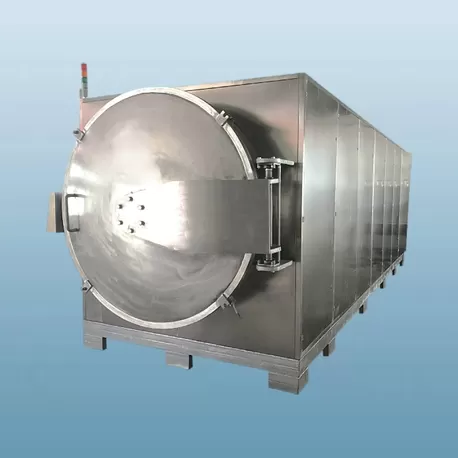
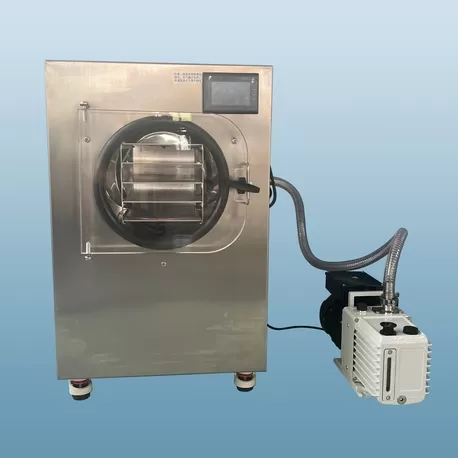
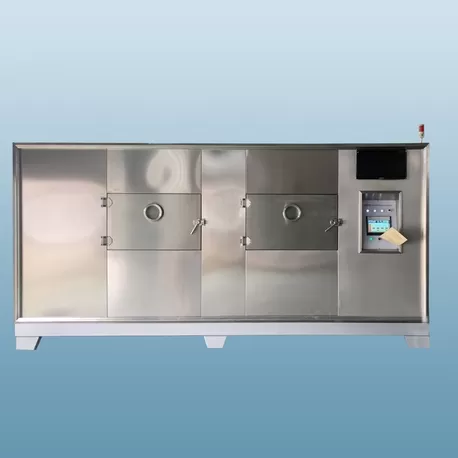
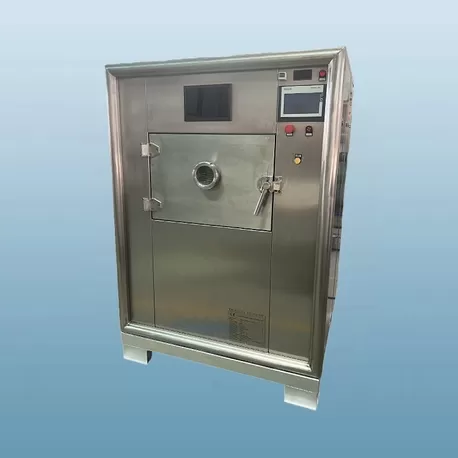
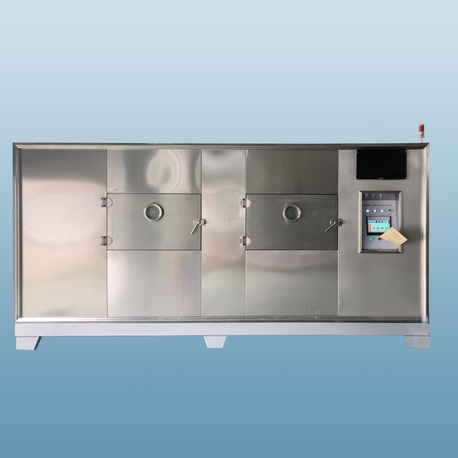
If you're scaling up food production, you might wonder if your trusty kitchen methods translate to the factory floor. A common question is whether a standard commercial baking oven can double as a large-scale food dehydrator. While both apply heat, their core objectives and designs differ drastically. Using the wrong equipment can lead to inconsistent products, high energy waste, and even safety issues. This article breaks down the critical distinctions to help you choose the right system for your operation. We'll also touch on how specialized manufacturers like Nasan engineer equipment for precise dehydration tasks.
Understanding these differences is crucial for product quality, shelf life, and profitability. A commercial oven is designed for cooking—using higher temperatures to cause chemical changes like rising, browning, and baking. A commercial dehydrator oven, however, is engineered for moisture removal. It uses lower temperatures and significant airflow to preserve food by eliminating water without cooking it. This fundamental goal impacts every aspect of the machine.
1. Temperature Control and Range Precision
A commercial baking oven excels at reaching and maintaining high temperatures, often from 150°C upwards. Its controls are built for this range. Consistency is key, but the tolerances are different.
An industrial dehydrator oven operates at much lower temperatures, typically between 30°C and 70°C. The precision required here is far greater. A variance of just 5 degrees can mean the difference between perfectly dried herbs and a loss of volatile oils, or between safe jerky and a product that is case-hardened (dry outside, wet inside).
These systems feature highly sensitive thermostats and proportional controls. They must maintain uniform heat across the entire chamber for many hours, sometimes days. This low-and-slow approach is something most standard ovens simply cannot manage effectively.
2. Airflow Design and Volume
This is perhaps the most significant technical difference. A convection oven uses a fan to circulate hot air for even cooking. The airflow is a secondary feature to the heating element.
In a true dehydrator oven, airflow is the primary mechanism. These units are equipped with high-volume, high-velocity fan systems designed to move a massive amount of air across the product. The goal is to continuously strip away the humid air layer that forms around the food, replacing it with dry air.
The air path is engineered for maximum efficiency. Some use horizontal airflow, others vertical. Baffles and plenums ensure every tray receives consistent air volume. Without this engineered airflow, drying times increase dramatically, and moisture pockets develop.
3. Capacity and Loading Configuration
Commercial ovens are often designed for racks or sheet pans. Loading can be a batch process, but the interior space is generally a single chamber.
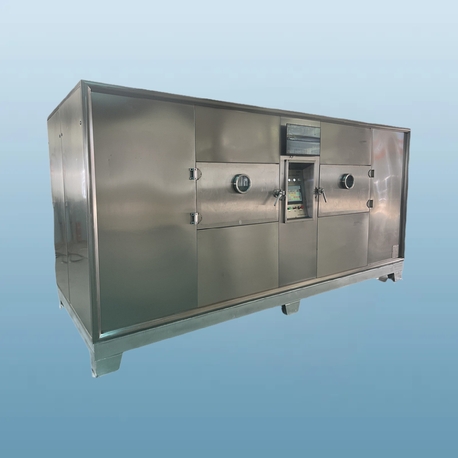
Industrial dehydration systems are built for continuous or very large batch processing. They often feature custom rolling rack carts that can be loaded in a preparation area and then wheeled into the drying chamber. This "truck-in" design minimizes handling and maximizes throughput.
The interior is designed to accommodate dozens of these large carts, with precise spacing to allow for the critical airflow mentioned earlier. The scale is different from a standard oven. When evaluating capacity, manufacturers like Nasan focus on total tray square footage and the density of the product load, not just the chamber's physical size.
4. Energy Efficiency Focus
Running a large chamber at 200°C for baking is energy-intensive. Running a similarly sized chamber at 50°C for 24 hours poses a different efficiency challenge. The goal is to remove water using the least energy per kilogram.
Modern industrial dehydrator oven designs incorporate several energy-saving features. Heat recovery systems are common, where exhaust moisture-laden air passes through a heat exchanger to preheat incoming dry air. Well-insulated cabinets are a must to prevent heat loss over long cycles.
Since the process is long, even small inefficiencies multiply into huge costs. Equipment selection should heavily weigh verified energy performance data, an area where specialized builders invest considerable engineering resources.
5. Material and Hygiene Construction
While food-grade stainless steel is common in both, the internal environment of a dehydrator presents unique challenges. It is a warm, moist environment for extended periods, which can promote microbial growth if not designed correctly.
Interiors must be smooth, crevice-free, and easy to clean. Drainage for condensed moisture might be necessary. Corrosion-resistant coatings on fan blades and components are important due to the constant exposure to humidity.
For certain products like meats or fish, specific hygiene and cleanability standards are paramount. The construction must support rigorous wash-down procedures to prevent cross-contamination between batches.
When a Hybrid System Makes Sense
Some operations benefit from a combined oven. Certain fruits, like raisins, may use a multi-stage process starting with a high-heat treatment before a slower dry. Some bakery items, like croutons or dried breadcrumbs, might be finished in a low-temperature mode.
However, this is not a standard oven with a "dehydrate" setting. True combination units are engineered from the ground up to perform both functions exceptionally well, with separate airflow and control systems for each mode. They are a premium solution for facilities with diverse but defined product lines.
Making the Right Investment
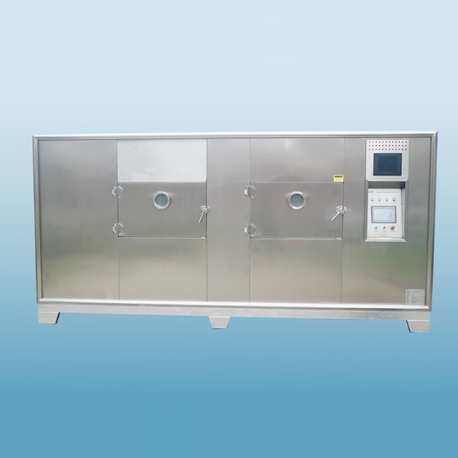
Choosing between a standard commercial oven and a dedicated dehydrator oven comes down to your primary product. If you are primarily baking, roasting, or cooking, a high-quality oven is your tool. If your core business is producing dried fruits, vegetables, herbs, meats, or powders, a specialized dehydrator is not just an option—it's a necessity for quality and cost-effectiveness.
It ensures uniform water activity (Aw), preserves color and nutrients, and operates efficiently over long cycles. Partnering with a manufacturer experienced in these specific systems, such as Nasan, can provide valuable insights during the planning phase, helping to scope the right equipment for your exact needs and future growth.
Frequently Asked Questions (FAQs)
Q1: Can I use a commercial convection oven set to a low temperature as a dehydrator oven for small-batch production?
A1: For very small, occasional batches, it might work, but with major drawbacks. Standard ovens lack the high-volume airflow needed for efficient drying, leading to longer times, uneven results, and "case hardening." They are also far less energy-efficient for this task and often cannot maintain the precise low temperatures required for sensitive products.
Q2: What is "case hardening" and how does a proper dehydrator oven prevent it?
A2: Case hardening occurs when the outside of a food item dries too quickly, forming a hard shell that traps moisture inside. This ruins texture and can create a spoilage risk. A proper dehydrator oven prevents this by combining precise low heat with high, consistent airflow, removing moisture evenly from the entire product surface.
Q3: How do I determine the correct capacity (size) for an industrial dehydrator oven?
A3: Capacity is based on your peak production needs. You must calculate the total weight of wet product you need to process per batch or per day, and its physical volume. Reputable manufacturers will often request a sample to run tests, determining drying time and tray loading density to recommend a chamber size and number of carts that meet your output goals.
Q4: Are industrial dehydrators only for food products?
A4: No. While food processing is a major application, these ovens are also used industrially for drying non-food items. Examples include drying coated or printed materials, certain chemicals, textiles, and floral products. The principle of controlled, low-temperature moisture removal applies across many sectors.
Q5: What are the key maintenance requirements for a dehydrator oven?
A5: Regular maintenance is vital. Key tasks include cleaning or replacing air filters to maintain airflow, inspecting and cleaning fan blades and housings, verifying temperature and humidity sensor accuracy, checking electrical connections for corrosion, and ensuring door seals are intact to prevent energy loss. A scheduled preventative maintenance plan is highly recommended.