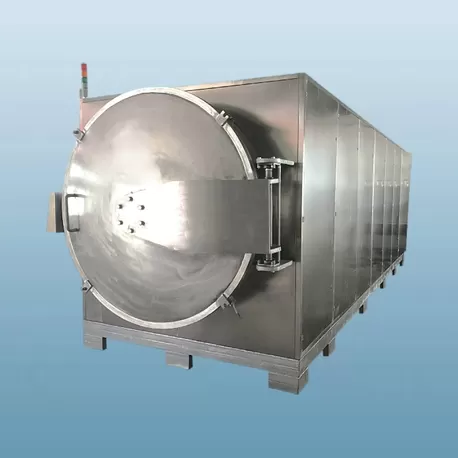
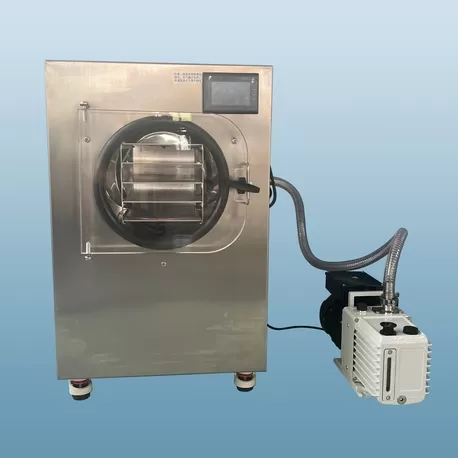
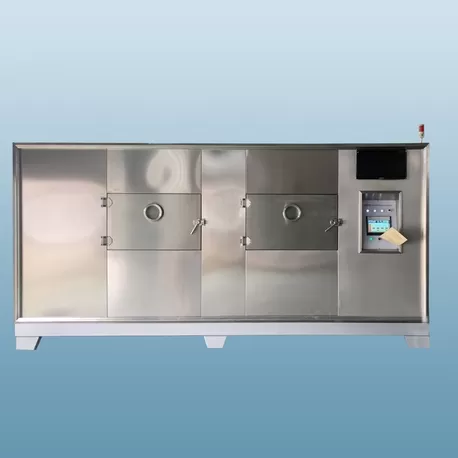
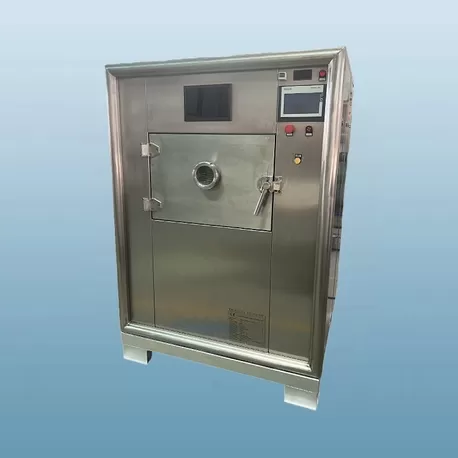
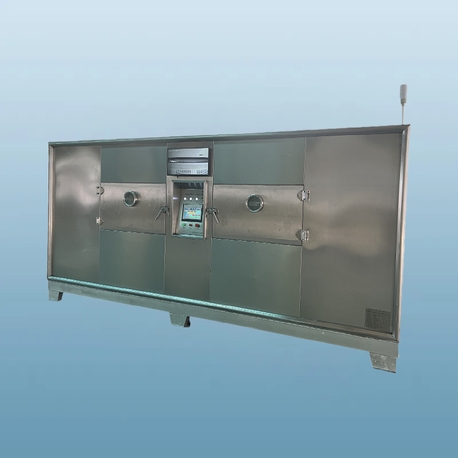
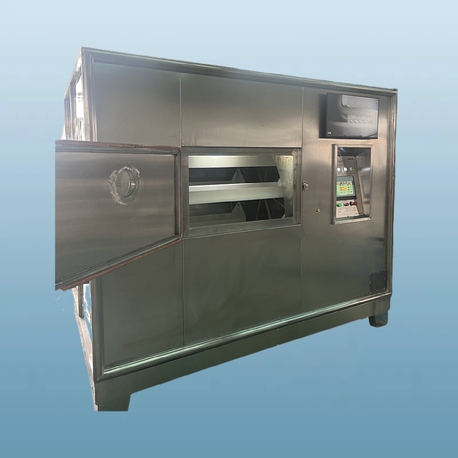
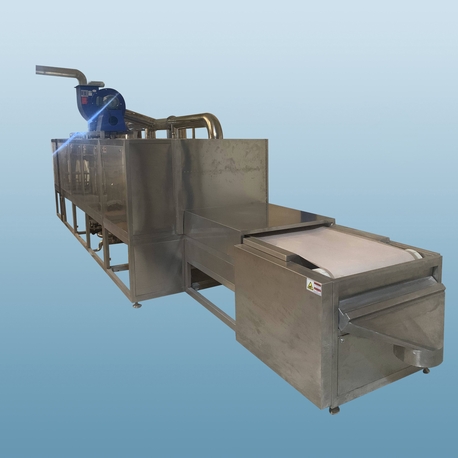
The demand for high-quality preservation and moisture removal has never been higher in the global industrial landscape. From food processing to pharmaceutical manufacturing, the ability to precisely control moisture content determines the shelf life, quality, and safety of the final product. An industrial dehydrator serves as the backbone of these operations, providing the necessary thermal environment to remove water or solvents from various materials.
As companies look for more sustainable and cost-effective ways to manage production, choosing the right machinery becomes a critical business decision. Brands like Nasan have been at the forefront of providing reliable thermal solutions that meet these rigorous commercial standards. Whether you are looking to scale up a small operation or optimize a massive production line, understanding the mechanics and benefits of high-capacity drying is essential.

At its core, the primary function of these machines is to facilitate evaporation. Unlike small household units, commercial systems are engineered to handle hundreds or even thousands of kilograms of product simultaneously while maintaining uniform temperature distribution. The process usually involves a combination of heat, airflow, and timing.
Most systems use forced air convection. Large fans circulate heated air across trays or conveyors, ensuring that every surface of the material is exposed to the same thermal energy. This prevents "case hardening," where the outside of a product dries too quickly, trapping moisture inside and leading to spoilage.
Sophisticated sensors are integrated into the machine to monitor humidity levels in real-time. As the air becomes saturated with moisture from the product, it is either vented out or passed through a dehumidification system to be recycled. This level of control is what separates a professional industrial dehydrator from basic heating elements.
The Operational Workflow of Large-Scale Drying
Operating a high-capacity drying unit requires a systematic approach to ensure safety and efficiency. It begins with the preparation of the raw material. Uniformity is key; if slices of fruit or chemical granules vary too much in size, the drying will be uneven.
Once the material is loaded onto the stainless steel racks or a continuous belt, the operator sets the specific parameters on the control panel. Modern machines, including those developed by Nasan, feature programmable logic controllers (PLCs) that allow users to save "recipes" for different materials. This ensures consistency across different batches.
During the cycle, the machine goes through several phases: the initial warm-up, the constant-rate drying period, and the falling-rate period. Monitoring these stages is crucial. If the temperature is too high early on, certain enzymes or active ingredients in pharmaceuticals might degrade. Once the desired moisture level is reached, a cooling phase often follows to stabilize the product before packaging.
Key Applications Across Various Industries
The versatility of an industrial dehydrator makes it indispensable across multiple sectors. In the food industry, it is used for everything from jerky and dried fruits to herbs and pet treats. By removing moisture, manufacturers can inhibit the growth of bacteria and mold without the need for heavy chemical preservatives.
In the pharmaceutical sector, drying is a critical step in the production of tablets and powders. Precise moisture control ensures that the chemical stability of the medication is maintained and that the powders flow correctly through encapsulation machines. Even slight deviations in moisture can lead to batch failure.
The textile and timber industries also rely heavily on these systems. For timber, a kiln-style dehydrator prevents warping and cracking by removing sap and water at a controlled rate. In textiles, high-capacity dryers are used to set dyes and finish fabrics after liquid treatments, ensuring the material retains its shape and color.
Solving Common Drying Challenges
One of the biggest hurdles in industrial processing is energy consumption. Traditional drying methods can be incredibly energy-intensive, leading to high operational costs. To solve this, many modern units now utilize heat pump technology. This allows the machine to recover heat from the exhaust air, significantly reducing the electricity required to maintain temperatures.
Another common issue is uneven drying zones within the chamber. This is often solved by implementing "cross-flow" or "reversing-airflow" designs. By changing the direction of the air every few hours, the machine ensures that products near the fans and products in the center of the rack reach the same level of dryness.
Nasan focuses heavily on solving these pain points by integrating high-efficiency insulation and smart airflow management into their designs. This not only speeds up the production cycle but also lowers the carbon footprint of the manufacturing facility, a factor that is becoming increasingly important in today’s regulatory environment.
Choosing the Right Capacity and Configuration
When selecting an industrial dehydrator, business owners must consider their current throughput and future growth. Batch dehydrators are excellent for specialized products where parameters change frequently. However, for high-volume, single-product lines, continuous belt dryers are often more efficient as they allow for a non-stop flow of material.
The material of construction is another vital factor. For food and medical applications, 304 or 316-grade stainless steel is mandatory to meet hygiene standards and prevent corrosion. The ease of cleaning should also be evaluated; machines with rounded corners and removable parts reduce downtime between batches.
Furthermore, the heat source must align with the facility's existing infrastructure. While electric heating is common for precision and ease of installation, gas-fired or steam-heated systems might be more economical for massive operations where gas prices are lower than electricity rates.
To ensure a long service life, regular maintenance is non-negotiable. This involves checking the seals on the doors to prevent heat loss and cleaning the air filters to maintain optimal airflow. Over time, sensors can drift, so periodic calibration is necessary to ensure the temperature readings remain accurate.
Lubricating the fan bearings and checking the tension on conveyor belts will prevent mechanical failures that could lead to costly production halts. Most high-end systems now include self-diagnostic tools that alert operators to potential issues before they cause a breakdown.
Investing in a high-quality industrial dehydrator from an established brand like Nasan ensures that you have access to spare parts and technical support. A well-maintained machine can easily last over a decade, providing a high return on investment through consistent production quality.

Environmental Impact and Future Trends
The industry is moving toward "green drying." As global regulations on carbon emissions tighten, the focus is shifting to smarter, more integrated systems. We are seeing more integration of IoT (Internet of Things) where dryers can be monitored remotely via smartphone apps, allowing managers to track energy usage and progress from anywhere.
There is also a growing interest in hybrid systems that combine microwave technology with traditional hot air. This allows for even faster drying times, particularly for thick materials that are difficult to dry using surface air alone. As technology evolves, the goal remains the same: higher quality, lower costs, and less environmental impact.
In conclusion, the industrial dehydrator is much more than a simple oven; it is a precision instrument that plays a vital role in global trade. By selecting a machine that offers the right balance of technology and durability, businesses can ensure they remain competitive. Whether you are processing delicate botanical extracts or heavy industrial components, the expertise offered by companies like Nasan can help you achieve the perfect dry every time.
Frequently Asked Questions (FAQ)
Q1: How do I determine the right size industrial dehydrator for my business?
A1: You should start by calculating your daily production goal in kilograms. Consider the "wet weight" versus the "dry weight" of your product and the time required for a full cycle. It is often recommended to choose a machine with 20% more capacity than your current needs to allow for future business growth.
Q2: What is the average drying time for food products in a commercial setting?
A2: Drying times vary significantly based on the product's thickness and water content. For example, sliced fruits might take 8 to 12 hours, while herbs might only take 3 to 5 hours. An industrial dehydrator with precise airflow control can often reduce these times compared to older, less efficient models.
Q3: Is it better to use an electric or a gas-powered dehydrator?
A3: This depends on your local utility costs. Electric models are generally easier to install and offer more precise temperature control for sensitive materials. Gas-powered models are often preferred for very large-scale operations because gas can be a cheaper energy source for generating high volumes of heat.
Q4: Can one machine be used for different types of products?
A4: Yes, provided the machine is thoroughly cleaned between batches to prevent cross-contamination. Most modern systems allow you to save different temperature and humidity profiles, making it easy to switch from drying something like mushrooms to drying plastic resins.
Q5: How often does an industrial dehydrator require professional servicing?
A5: While daily cleaning and basic checks can be done by operators, a professional technical inspection is recommended at least once a year. This ensures that the heating elements, sensors, and safety shut-off systems are all functioning within the manufacturer's specifications.