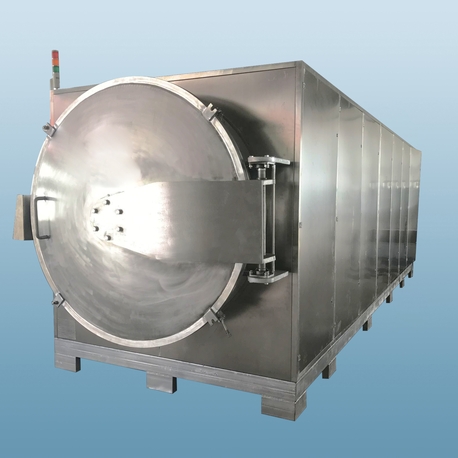
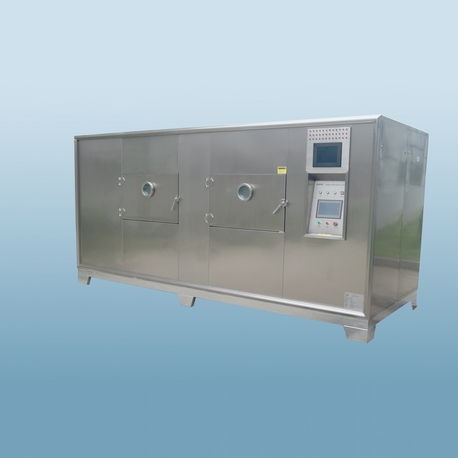
Upgrading from batch drying on racks to a true industrial food dehydrator is a major step for any food producer. This equipment is the backbone for creating shelf-stable snacks, ingredients, and products. It’s not about simply removing moisture anymore. It’s about precision, scale, and preserving value in every kilo of fruit, vegetable, meat, or herb you process. The right system directly translates to consistent quality, higher throughput, and better margins.
Making an informed purchase means looking beyond the initial price tag. You need to understand how different technologies impact your product, your utility bills, and your long-term operational efficiency. This discussion breaks down the real factors that influence cost and the return on investment you should demand from a commercial drying solution.
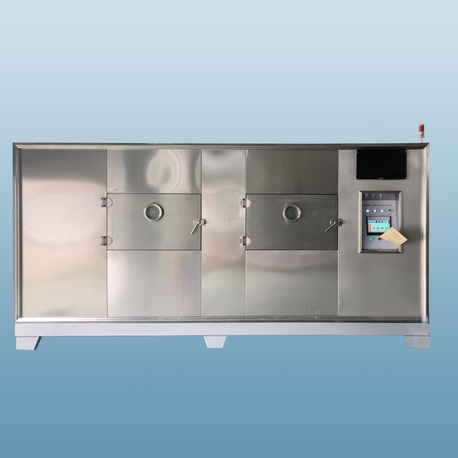
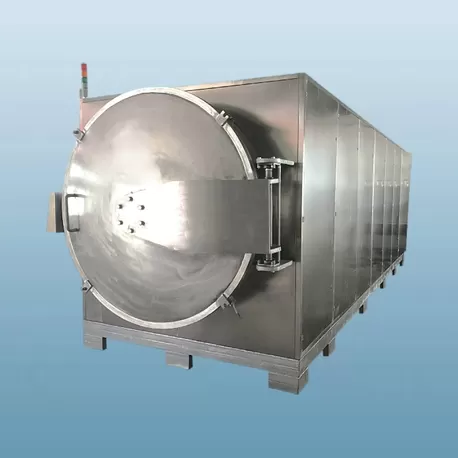
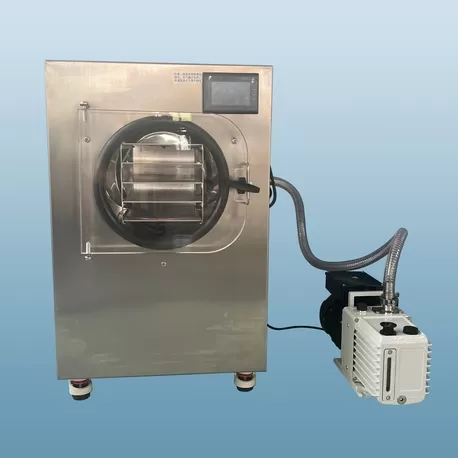
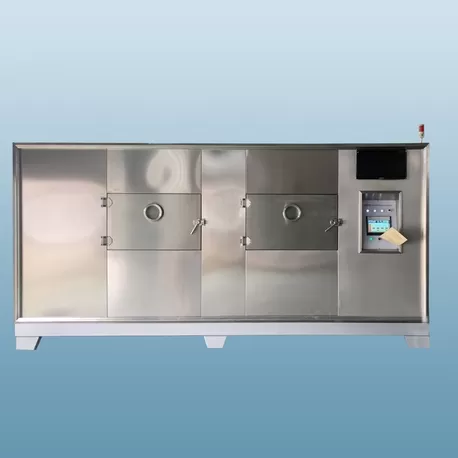
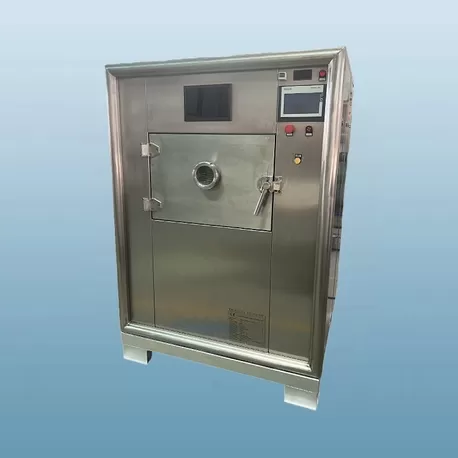
An industrial food dehydrator is a engineered system designed for continuous, high-volume moisture removal. Unlike domestic dehydrators or simple heated rooms, these units offer precise control over temperature, airflow, humidity, and drying time. They are built for durability in food plant environments, often featuring stainless steel construction and automated controls.
The goal is to produce uniform results, batch after batch. This consistency is critical for meeting product specifications, ensuring food safety, and building brand reliability. Whether producing mango chips for retail or powdered vegetables for soup mixes, the dehydrator is where raw produce is transformed into a stable, shippable commodity.
Core Technologies: Heat Pump vs. Conventional Hot Air
The choice of technology is the biggest driver of both performance and cost. Conventional hot air dryers use electric or gas-fired heaters to push heated air across the product. They are a well-understood technology and often have a lower initial purchase price. However, they can be less energy-efficient, as exhaust moist air carries wasted heat away.
Heat pump dehydrators are the more advanced option. They work by recycling heat within a closed loop, dehumidifying the air efficiently. They operate at precise, lower temperatures. This makes them ideal for color and nutrient retention in delicate products like berries or herbs. While the upfront investment is higher, the energy savings of 40-70% can lead to a faster payback period.
Some manufacturers, like Nasan, offer both technologies. This allows them to match the machine to the specific product and production budget of the processor.
Key Factors That Determine the Purchase Price
Why does one commercial dehydrator quote come in at $50,000 and another at $250,000? Several concrete factors create this range.
Capacity, expressed in kg of wet product per hour, is primary. A system for a small-scale organic mushroom grower differs vastly from one needed by a national fruit snack brand. The construction material is another major factor. Full stainless steel contact parts cost more but are required for durability and hygiene in most food applications.
The level of automation significantly impacts price. A basic unit with manual loading and simple timers is at one end. A fully automated line with conveyor belt loading, PLC touchscreen controls, and data logging capabilities is at the other. Finally, the chosen technology, as mentioned, sets a baseline cost bracket.
The Real Cost: Understanding Total Ownership
The purchase invoice is just the first cost. Savvy buyers calculate the Total Cost of Ownership (TCO) over 5-10 years.
Energy consumption is the largest ongoing expense. A less efficient machine can add tens of thousands to your operational budget. Always compare specific energy consumption metrics. Installation and commissioning can involve electrical work, plumbing for condensate, and site preparation.
Preventive maintenance is a planned cost for filters, belts, and sensors. Factor in the availability and price of spare parts. Downtime is the hidden killer. A reliable machine from a reputable supplier with strong technical support minimizes lost production. This reliability is a core part of the ROI calculation.
Calculating Your Return on Investment (ROI)
A proper industrial food dehydrator isn't an expense; it's a value-adding asset. To justify the investment, build an ROI model based on tangible benefits.
Increased throughput means you dry more product per shift. Higher quality and better retention of color/flavor can command a premium price in the market. Reduced waste from spoilage or inconsistent drying directly saves money on raw materials.
Labor efficiency from automation reduces hands-on time per kg produced. The energy savings from a heat pump system directly lower monthly overheads. When you quantify these points, the payback period for a quality machine often becomes clear and compelling.
Selecting a Supplier: More Than Just a Machine
You are buying into a partnership. The supplier's expertise is as important as the metal they deliver. Look for a company with proven experience in your specific product category. Drying berries is not the same as drying jerky.
They should offer comprehensive support: installation supervision, operator training, and clear maintenance manuals. Ask about their warranty, service response time, and spare parts inventory. Can they provide lab-scale testing to perfect your drying recipe before you buy the full-scale unit?
Companies that focus on drying, like Nasan, bring this depth of application knowledge. They can help you avoid costly mistakes in system specification.
Installation and Operational Best Practices
Proper installation sets the stage for success. The site needs adequate space, ventilation, and utility connections. Electrical requirements for industrial equipment are substantial. Follow the manufacturer's commissioning checklist closely.
Operator training is non-negotiable. Staff must understand how to load trays or belts evenly, program cycles, and perform basic cleaning and safety checks. Consistent loading patterns are surprisingly critical for uniform drying results across the entire batch.

Maintenance for Longevity and Performance
A well-maintained dehydrator will last decades. Create a simple daily and weekly checklist. This usually involves cleaning air filters, inspecting belts for wear, and wiping down sensors.
Schedule professional servicing annually. A technician can check refrigerant levels in heat pumps, calibrate temperature and humidity sensors, and inspect electrical components. Keeping a small stock of critical wear-and-tear parts on-site prevents minor issues from causing major downtime.
Investing in a robust industrial food dehydrator is a strategic decision that affects nearly every part of your production chain. By focusing on the total cost of ownership and the tangible return on investment, you can move beyond price comparisons. You can select a system that enhances product quality, controls operational costs, and grows with your business. The right equipment, paired with the right supplier support, becomes a reliable and profitable foundation for your food processing operations for years to come.
Frequently Asked Questions (FAQ)
Q1: What is a realistic price range for an industrial-scale dehydrator?
A1: For small to mid-scale operations, prices typically start around $25,000 to $50,000 for a basic batch or semi-continuous unit. Large, fully automated continuous belt dehydrators with advanced heat pump technology can range from $150,000 to over $500,000. Custom-built systems for unique products will be higher.
Q2: How does an industrial unit differ from using multiple commercial dehydrators?
A2: Industrial systems offer integrated, precise control over all parameters in a single chamber or belt, ensuring uniformity. Racking multiple small units leads to inconsistent results between cabinets, higher labor costs for loading/unloading, and inefficient energy use per kg of product dried.
Q3: What foods are most commonly processed in this equipment?
A3: These dehydrators handle a vast range: fruits (berries, mango, bananas), vegetables (onions, tomatoes, herbs), meats for jerky, seafood, pet treats, pasta, and even ingredients for plant-based or powdered foods. The cycle is adjusted for each product's moisture and sensitivity.
Q4: How important is a test or pilot trial before purchasing?
A4: It is highly recommended. A pilot trial with your actual product validates drying times, final quality, and capacity estimates. It de-risks the large capital investment. Reputable suppliers often have pilot-scale equipment available for testing and recipe development.
Q5: What are the key maintenance tasks to prevent breakdowns?
A5: Daily/Weekly: Clean or replace air intake and exhaust filters. Check for debris on fan blades and heating elements. Inspect conveyor belts (if equipped) for alignment and wear.
Monthly/Annually: Calibrate temperature and humidity sensors. Inspect electrical connections and tighten if needed. For heat pump models, have a certified technician check refrigerant pressure and system seals as part of an annual service contract.