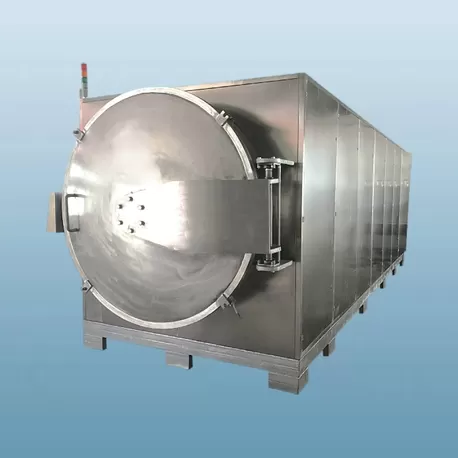
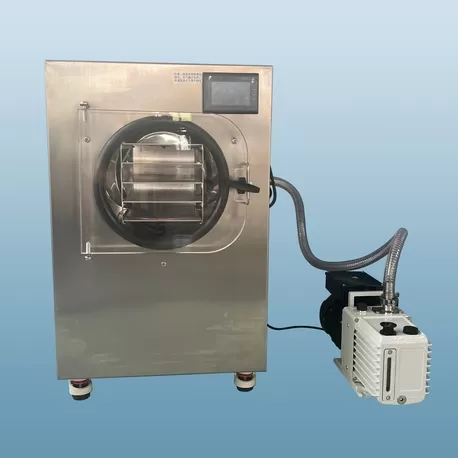
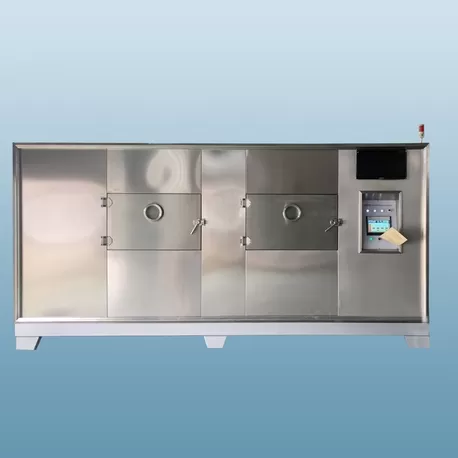
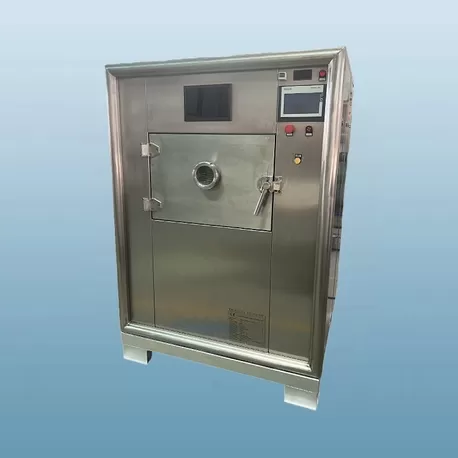
Drying is a fundamental process in countless industries, from food production to pharmaceuticals and chemicals. Removing moisture efficiently and consistently can make or break product quality and operational profitability. An industrial dryer is engineered to handle this task on a large scale, offering precision and reliability that smaller units cannot match. These systems are vital for manufacturers aiming to improve shelf life, reduce waste, and enhance product value. Companies like Nasan specialize in designing robust dryers that meet the diverse needs of global industrial sectors.
Understanding the basic mechanics helps in selecting the right equipment. An industrial dryer uses controlled heat, airflow, and sometimes pressure to evaporate moisture from materials. The goal is uniform drying without damaging the product's integrity.
Heat is applied to the wet material through conduction, convection, or radiation. Convection, using heated air, is most common. The dryer circulates this air evenly across the product surface. Fans and blowers manage airflow patterns to prevent hot or cold spots. This ensures every part of the load dries at the same rate.
As moisture evaporates, it increases humidity inside the drying chamber. An efficient industrial dryer actively manages this. It exhausts humid air and introduces fresh, dry air to maintain a high vapor pressure deficit. This gradient drives more moisture out of the product. Some advanced systems use dehumidifiers or heat pumps to recycle energy while controlling humidity precisely.
This process is often automated. Sensors monitor temperature and humidity, feeding data to a programmable logic controller (PLC). The PLC adjusts heaters, fans, and vents in real time. This automation ensures repeatable results batch after batch, a key feature in modern dryers from manufacturers like Nasan.
Investing in a professional drying system offers significant operational benefits. These advantages impact everything from product quality to the bottom line.
Modern industrial dryers are designed to minimize energy waste. They incorporate features like heat recovery systems, improved insulation, and efficient burners or electric elements. This reduces the cost per kilogram of dried product. Over time, the savings can offset the initial investment, making the dryer a cost-effective asset.
Consistency is critical in manufacturing. An industrial dryer provides precise control over drying conditions. This results in uniform moisture content, color, and texture across the entire batch. For food products, it preserves nutrients and flavor. For chemicals, it ensures exact composition. Reliable quality builds trust with customers and reduces rejection rates.
These machines are built for volume. They can process large quantities of material continuously or in rapid batches. Conveyor dryers, for example, allow non-stop loading and unloading. This scalability supports business growth. You can increase output without a proportional rise in labor or floor space.
Industrial dryers offer advanced control options. Operators can set specific drying profiles for different materials. The system then automatically manages temperature, airflow, and time. This reduces human error and frees up staff for other tasks. It also provides data logs for quality assurance and process optimization.
Built for harsh industrial environments, these dryers use robust materials like stainless steel. They are engineered for easy access to components for cleaning and maintenance. Reliable construction from trusted brands like Nasan means less downtime and longer equipment life, protecting your investment.
The versatility of drying technology makes it indispensable in many industries. Each sector has unique requirements that industrial dryers meet effectively.
In food processing, dryers preserve fruits, vegetables, herbs, and grains. They produce snacks, ingredients, and powders. The pharmaceutical industry uses them to dry medicinal herbs, powders, and capsules, ensuring stability and potency. Chemical plants rely on dryers for processing pigments, polymers, and fertilizers. Other applications include textiles, ceramics, and wood processing.
Selecting the right dryer depends on material properties, production volume, and desired product characteristics. Here’s a look at common designs.
Conveyor dryers are ideal for high-volume, continuous operation. Material moves on a belt through drying zones, allowing full automation. They suit uniform products like granules or slices. Tray dryers are batch systems. They offer flexibility for smaller batches or multiple product types but often require more manual handling.
Spray dryers convert liquid or slurry into powder by atomizing it into a hot air chamber. They are common in dairy, coffee, and chemical industries. Fluidized bed dryers suspend particles in an upward air stream, ensuring excellent heat transfer. They work well for granules and crystals. Each type serves specific material forms and drying speeds.
Heat pump dryers are highly energy-efficient. They recycle heat within a closed loop, drastically reducing energy use. These dryers excel at low-temperature drying, perfect for heat-sensitive materials. Vacuum dryers operate at reduced pressure, lowering the boiling point of water. This allows drying at very low temperatures, preserving delicate compounds in pharmaceuticals or high-value foods.
When evaluating an industrial dryer, consider factors like heat sensitivity, throughput, and energy sources. Consulting with an expert supplier can help narrow the choices. Manufacturers like Nasan provide a range of models to fit different applications.
Making the right purchase requires careful analysis. Focus on these six factors to find a dryer that matches your production needs and budget.
Partnering with an established company like Nasan ensures access to technical expertise and durable equipment. Their support can streamline integration into your production line.
Q1: What is the main difference between an industrial dryer and a commercial dryer?
A1: Industrial dryers are built for heavy-duty, continuous use in manufacturing settings. They handle larger volumes, offer precise control, and are constructed with durable materials. Commercial dryers are typically smaller, used in restaurants or laundries, and lack the advanced features needed for consistent industrial production.
Q2: How do I determine the right drying temperature for my material?
A2: The optimal temperature depends on the material's properties. Heat-sensitive items like herbs require low temperatures (30-50°C), while ceramics can withstand high heat. Conduct tests or consult material data sheets. An industrial dryer with adjustable temperature settings allows you to fine-tune the process for best results.
Q3: Can one industrial dryer handle multiple different products?
A3: Yes, many industrial dryers are versatile. By creating and saving different drying profiles—adjusting temperature, airflow, and time—you can process various products in the same machine. Tray dryers are particularly flexible for batch processing of different materials.
Q4: What maintenance does an industrial dryer require?
A4: Regular maintenance includes cleaning filters and interiors to prevent contamination, inspecting and lubricating fans and motors, checking electrical connections, and calibrating sensors. Follow the manufacturer's maintenance schedule. Proper care extends the dryer's life and ensures consistent performance.
Q5: How important is airflow in the drying process?
A5: Airflow is critical. It carries heat to the material and removes moist air from the surface. Uneven airflow leads to hotspots and uneven drying, causing quality issues. A well-designed industrial dryer ensures uniform airflow across the entire drying chamber for consistent results.
An industrial dryer is more than just a piece of equipment; it is a strategic investment that enhances product quality and operational efficiency. By leveraging advanced technologies like precise temperature control and energy-efficient designs, these systems meet the demanding needs of modern manufacturing. Whether you process food, chemicals, or pharmaceuticals, choosing the right dryer is crucial. Explore solutions from experienced providers like Nasan to find a reliable system that supports your production goals and drives long-term success.