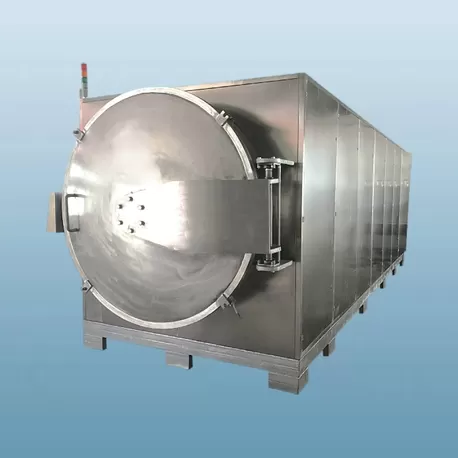
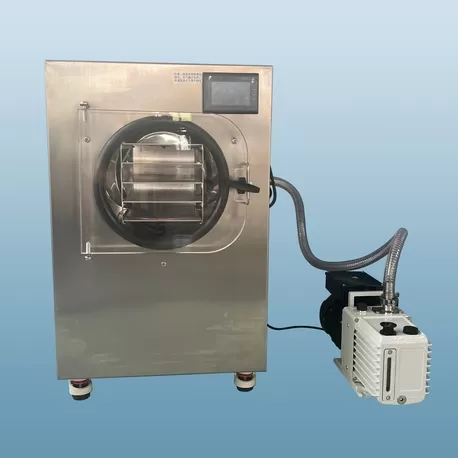
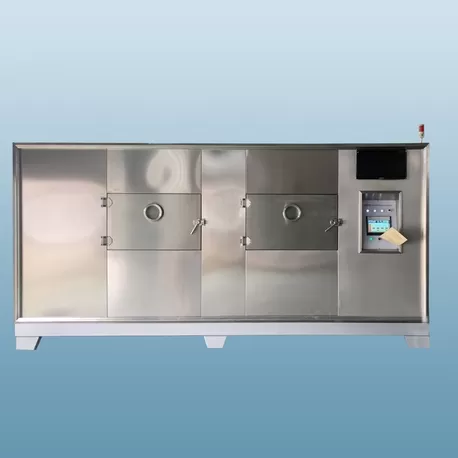
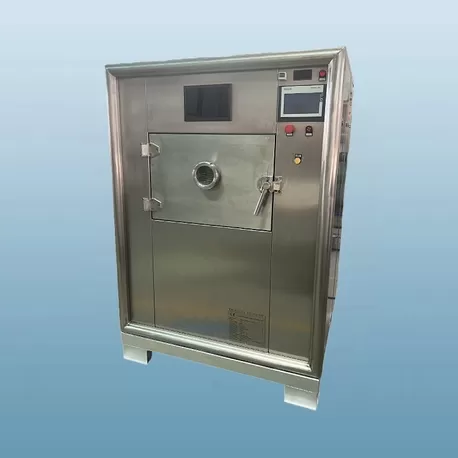
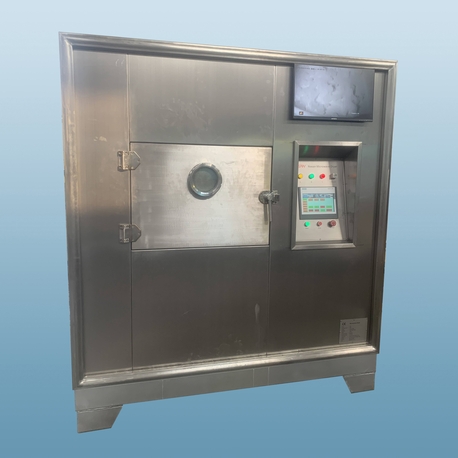
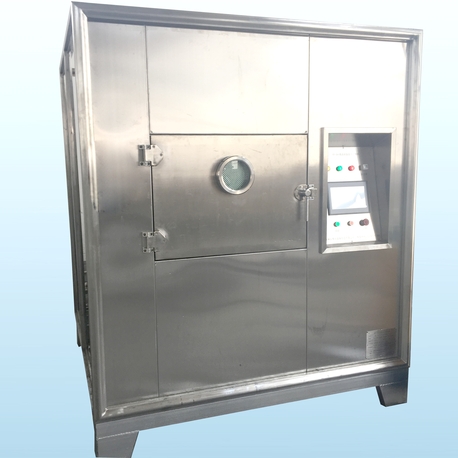
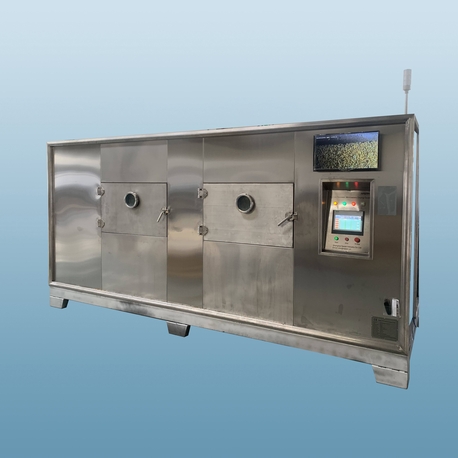
In the world of high-stakes manufacturing, the difference between a successful batch and a costly waste of material often comes down to how you handle moisture removal. For industries dealing with heat-sensitive chemicals, volatile solvents, or intricate electronic components, a standard convection oven is rarely sufficient. This is where the specialized vacuum drying oven becomes an indispensable asset on the production floor. By lowering the atmospheric pressure, we can effectively boil off moisture or solvents at significantly lower temperatures, preserving the integrity of the base material.
When I first started consulting for large-scale pharmaceutical and electronics plants, the common bottleneck was always the drying phase. Companies like Nasan have recognized that thermal processing isn't just about applying heat; it is about controlling the environment in which that heat interacts with the product. A well-engineered vacuum system allows for a level of delicacy and speed that atmospheric drying simply cannot match. Whether you are drying out a porous ceramic or removing residual ethanol from a botanical extract, the physics of low-pressure evaporation remains the same.
In this article, I want to move past the basic sales pitches and look at the actual operational mechanics that make these machines work. We will discuss why the vacuum environment is superior for certain applications and how to select equipment that won't fail when your production schedule is at its peak.

Why Pressure Matters More Than Temperature
Most people think of drying as a function of heat. If something is wet, you turn up the burner. However, in an industrial setting, many materials are "thermolabile," meaning they degrade, discolor, or lose potency when exposed to high temperatures for extended periods. This is the primary problem that a vacuum drying oven solves.
By creating a vacuum, we reduce the boiling point of water and other liquids. At sea level, water boils at 100°C. Inside a high-vacuum chamber, that same water can evaporate at 30°C or 40°C. This allows us to remove moisture while keeping the product cool. From a quality control standpoint, this is a game-changer. It prevents the "cooking" effect that often ruins biological samples or fine chemical powders.
Furthermore, the absence of air means there is no oxygen. For products that are prone to oxidation—like certain metal powders or organic compounds—drying under vacuum is the only way to maintain the purity of the sample. You aren't just drying; you are protecting the chemical profile of your inventory.
The Challenge of Heat Transfer in a Vacuum
One of the most misunderstood aspects of using a vacuum drying oven is how the heat actually gets to the product. In a standard oven, fans blow hot air around (convection). In a vacuum, there is no air to act as a medium for heat. This leaves us with two primary methods: conduction and radiation.
Most high-end units, including those developed by Nasan, utilize shelf-heating systems. In this setup, the heating elements are embedded directly within the shelves. The trays sit in direct contact with these shelves, and heat moves through conduction. This is far more efficient than older "wall-heated" models, where the heat had to radiate from the chamber walls through the vacuum to reach the center of the rack.
When you are evaluating a machine, you need to look at the thermal uniformity across the shelf. If the edges of the shelf are ten degrees hotter than the center, your drying times will be inconsistent. For a plant manager, inconsistency is the enemy of throughput. You want to see tight PID control and high-quality aluminum or stainless steel shelves that distribute thermal energy evenly.
Material Science and Chamber Integrity
The physical build of a vacuum chamber is under constant stress. When you pull a deep vacuum, the atmospheric pressure on the outside of the box is immense. I have seen cheaper, poorly welded chambers actually "implode" or develop micro-cracks over time. This is why the thickness of the steel and the quality of the welds are non-negotiable.
A professional vacuum drying oven should be constructed with a heavy-duty stainless steel interior, usually 304 or 316L grade. The exterior should be powder-coated cold-rolled steel for durability. But the real secret is in the gasket. If the door seal fails, your vacuum pump will work overtime, overheat, and eventually fail.
High-temperature silicone gaskets are standard, but if you are working with aggressive solvents, you might need Viton gaskets. These materials resist chemical degradation, ensuring that the seal remains airtight for thousands of cycles. It is these small hardware choices that separate a laboratory toy from a piece of industrial machinery.
Selecting the Right Vacuum Pump Pair
An oven is only as good as the pump it is paired with. You cannot achieve the desired results in a vacuum drying oven without a pump that can handle the vapor load. If you are drying "wet" materials with high moisture content, you need a pump that can handle water vapor without the oil becoming contaminated too quickly.
For many applications, a two-stage rotary vane pump is the workhorse. However, if you are concerned about oil vapor backstreaming into your clean chamber, you might look at a dry scroll pump. These require less maintenance and keep the drying environment oil-free.
Nasan systems often emphasize the importance of the interface between the pump and the oven. This includes having a proper cold trap or condenser in the line. A cold trap catches the vapors before they reach the pump, protecting the pump's internal components and extending the service life of the entire system. Without a trap, you'll be changing pump oil every week, which is a labor cost most businesses want to avoid.
Process Automation and Data Logging
In the modern regulatory environment—especially for those in medical devices or aerospace—it isn't enough to just dry the parts. You have to prove that they were dried according to a specific profile. This has led to the rise of programmable logic controllers (PLCs) in the vacuum drying oven market.
These controllers allow you to set "steps." For example, Step 1 might be a slow ramp-up in temperature at atmospheric pressure. Step 2 might be the start of the vacuum pull. Step 3 could be a "soak" period where the temperature is held steady under a specific Torr level.
Being able to save these recipes ensures that every shift of workers produces the exact same results. Furthermore, digital data logging allows you to export a CSV or PDF file showing the temperature and pressure graphs for every batch. This level of traceability is often a requirement for ISO certification and high-level quality audits.
Safety Protocols in Volatile Environments
If your drying process involves flammable solvents, safety becomes the absolute priority. A standard vacuum drying oven is not inherently explosion-proof. When you evaporate solvents like ethanol or hexane under vacuum, you are creating a concentrated vapor cloud.
In these scenarios, you need a system designed for solvent recovery. This involves using inert gas purging (usually Nitrogen) to "sweep" the chamber and prevent the concentration of vapors from reaching explosive limits. The electrical components, such as the heating elements and switches, should be shielded or moved outside the vapor path.
I always tell my clients: never cut corners on safety. If you are handling volatiles, ensure your equipment is rated for that specific use. Check for over-temperature protection switches that act as a mechanical failsafe, cutting power to the heaters if the electronic controller fails.
Maintenance for Long-Term Reliability
To keep a vacuum drying oven running for a decade or more, a preventative maintenance schedule is essential. The most common point of failure is the vacuum plumbing. Over time, vibration and thermal cycling can loosen fittings. A small leak might not stop the process, but it will make it much less efficient.
Regularly cleaning the interior chamber is also vital. Any residue left on the floor or walls can outgas during the next cycle, potentially contaminating a different product. If you are using the oven for different types of materials, a "burn-out" cycle—running the oven at its maximum temperature while empty—can help clear out residual volatiles.
Nasan equipment is designed for ease of access, but the user must still do the work. This means checking the pump oil color, wiping down the door gasket to remove grit, and ensuring the viewing window (usually tempered glass with a polycarbonate shield) is free of scratches or cracks.
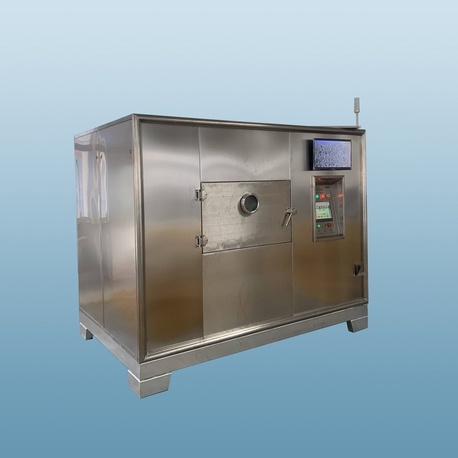
Conclusion: The Strategic Value of Vacuum Technology
Investing in a high-quality vacuum drying oven is an investment in your product's reputation. Whether you are aiming for the perfect finish on a 3D-printed titanium part or ensuring the stability of a new pharmaceutical compound, the precision of vacuum drying is unmatched.
As we have discussed, it isn't just about the heat. It is about the synergy between the chamber's structural integrity, the efficiency of the shelf heating, and the reliability of the vacuum pump. Brands like Nasan continue to push the boundaries of what is possible in thermal processing, moving toward more energy-efficient and automated solutions.
When you choose to move your drying process into a vacuum environment, you are choosing to minimize risk and maximize quality. In the competitive landscape of modern manufacturing, that is a choice that pays for itself in reduced waste and increased customer satisfaction. A reliable vacuum drying oven is more than just a box; it is the cornerstone of a sophisticated production line.
Q1: How do I know if I need a vacuum drying oven instead of a standard forced-air oven?
A1: You should opt for vacuum drying if your material is sensitive to high temperatures, reacts with oxygen, or has a complex geometry (like deep pores) where air cannot easily circulate. If your product discolors or loses its chemical properties in a standard oven, vacuum is likely the solution.
Q2: Can I use a vacuum oven to remove flammable solvents?
A2: Yes, but only if the oven is specifically equipped for solvent recovery and has safety features like nitrogen purging and explosion-proof components. Never put large amounts of volatile solvents in a standard vacuum oven without a proper condenser and safety sweep system in place.
Q3: Why does it take longer to heat a product in a vacuum than in regular air?
A3: In a vacuum, you lose convection. Since there is no air to move the heat, you rely entirely on conduction from the shelf or radiation from the walls. This is why shelf-heating is so important; it provides a direct path for the heat to move into your product, significantly speeding up the process.
Q4: How much vacuum pressure do I actually need?
A4: This depends entirely on the boiling point of the substance you are trying to remove. Most industrial applications operate in the range of 10 to 100 Torr. However, for deep drying or removing trace moisture, you may need to go down into the milliTorr range, which requires a more powerful, two-stage vacuum pump.
Q5: What is "outgassing," and why should I care?
A5: Outgassing is the release of gas that was trapped or frozen in a solid material. In a vacuum oven, materials like plastics, adhesives, or even the oven's own gaskets can release vapors. If you are working in the electronics or aerospace sectors, outgassing can contaminate sensitive sensors, so choosing low-outgassing materials for your oven components is critical.