News Categories

Hot Articles

5 Key Technologies for Industrial Dry Fruit Vegetable Production

Source:NASAN
Published on:2026-02-24 15:19:12

The global demand for nutritious, shelf-stable food ingredients is steadily rising. Converting fresh produce into high-quality dried goods requires specialized equipment and precise control. Industrial dry fruit vegetable processing is a sophisticated operation that goes beyond simple moisture removal. It aims to preserve color, flavor, and nutritional value on a commercial scale. Manufacturers rely on advanced drying systems from companies like Nasan to achieve consistent results and meet market demands efficiently.

How Industrial Systems Dry Fruit and Vegetables

The core challenge in commercial drying is removing water without degrading the product. An industrial system for dry fruit vegetable production manages heat, airflow, and humidity in a carefully orchestrated sequence.

1. The Principle of Controlled Moisture Migration

Drying is not just about heat; it's about moving moisture. Initially, free water on the surface evaporates. Then, internal water travels to the surface through capillary action and diffusion. Industrial dryers control the rate of this migration. If the exterior dries too quickly, a hard layer forms that traps moisture inside, a problem known as case-hardening. The right balance is critical.

  • Temperature Gradients: Gentle heat encourages internal moisture to move outward.
  • Air Velocity: Optimized airflow carries moisture away without cooling the product surface excessively.
  • Humidity Management: Actively removing humid air from the chamber maintains a strong drying potential.

2. Precision Temperature and Airflow Design

Different fruits and vegetables have different tolerances. Berries require low temperatures, while root vegetables can handle more heat. Industrial dryers offer precise control, typically between 40°C and 80°C. Uniform airflow is equally important. Engineers design plenums, fans, and ducting to ensure every piece on a tray or conveyor belt receives the same exposure.

This prevents uneven drying, which leads to waste. Modern dryers, such as those developed by Nasan, use programmable logic controllers (PLCs) to adjust these parameters automatically, creating repeatable drying profiles for each product.

5 Core Advantages of Commercial Drying Systems

Investing in professional-grade equipment transforms production capabilities. Here are five significant benefits for businesses focused on dry fruit vegetable products.

1. Superior Product Quality and Extended Shelf Life

Consistent, controlled drying preserves the natural pigments in fruits and vegetables. It locks in sugars and acids responsible for flavor. Vitamins and antioxidants are better retained compared to harsh or uneven drying methods. By reducing water activity to a safe level, these systems inhibit the growth of bacteria, yeast, and mold, enabling long-term storage without chemical preservatives.

2. Remarkable Production Efficiency and Scale

Industrial systems are built for volume. They can process hundreds of kilograms of raw produce per hour. Drying cycles are significantly shorter than with traditional methods. This high throughput directly lowers the per-unit cost of production. Automation features, like conveyor belt loading, further reduce labor requirements and increase output.

3. Enhanced Operational Cost-Effectiveness

While the initial investment is higher, the long-term savings are substantial. Modern dryers are engineered for energy efficiency. Features like heat recovery systems, better insulation, and efficient fan motors reduce power consumption. Reduced product waste from spoilage or inconsistent drying also contributes to a healthier bottom line.

4. Unmatched Consistency and Batch Uniformity

Every commercial batch must meet the same specification. Industrial dryers deliver this. Precise control over the drying environment means the moisture content, color, and texture are identical from the start to the end of a batch, and from one batch to the next. This consistency is vital for brand integrity and meeting buyer contracts.

5. Operational Flexibility and Versatility

A high-quality industrial dryer is not a single-purpose machine. With adjustable settings, one system can dry a wide range of produce. You can process apples in the morning and switch to carrots or tomatoes in the afternoon. This flexibility allows producers to diversify their product line and respond to market trends without major new capital investments.

Primary Applications in the Global Food Chain

Dried fruits and vegetables are fundamental ingredients across the food industry. Their stability and concentrated flavor make them incredibly useful.

They are used as standalone snacks, in breakfast cereals, trail mixes, and baking ingredients. The food manufacturing sector incorporates them into soups, sauces, ready meals, and instant noodles. They are also ground into powders for natural food coloring, flavoring, and nutritional supplements. The pet food industry uses them in premium treat formulations.

Comparing Industrial Dryer Technologies

Choosing the right technology depends on your product mix, desired quality, and production volume. Here’s a comparison of common systems used for dry fruit vegetable production.

Conveyor (Belt) Dryers vs. Tray (Cabinet) Dryers

Conveyor dryers are the choice for high-volume, continuous processing of a single product type. They offer full automation and consistent quality. Tray dryers are batch systems, ideal for smaller volumes or operations that process many different products. They offer great flexibility but often involve more manual handling.

Heat Pump Dryers: The Efficiency Standard

Heat pump technology represents a major leap forward. These systems dehumidify the drying air using a refrigeration cycle, allowing them to recycle most of the heat. They operate at lower temperatures with excellent humidity control. This results in superior product quality—especially for delicate items—and energy savings of up to 60% compared to conventional hot-air dryers. Brands like Nasan have integrated this technology into their commercial offerings.

Hybrid and Vacuum Drying Systems

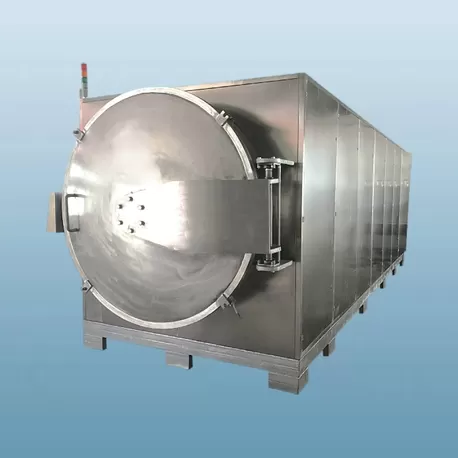
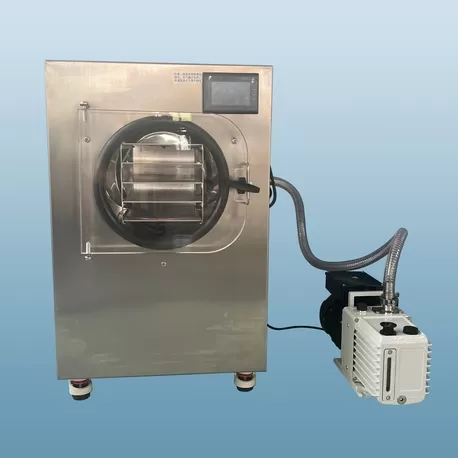
For premium products, more advanced options exist. Hybrid systems may combine hot air with microwave or infrared energy to speed up drying. Vacuum dryers remove moisture at low temperatures in a reduced-pressure environment, perfectly preserving shape, color, and heat-sensitive nutrients. These are typically used for high-value ingredients like dried berries or vegetable powders for the supplement industry.

7 Factors to Consider When Selecting a Dryer

Selecting the right industrial dryer requires careful analysis. Focus on these seven factors to make an informed decision that aligns with your business goals.

  • Production Capacity: Match the dryer's throughput (kg/hour) to your current and projected needs.
  • Energy Source and Efficiency: Evaluate electricity, gas, or steam requirements and the unit's specific energy consumption.
  • Product Quality Requirements: Define your standards for color, texture, and nutrient retention, and choose a technology that meets them.
  • Flexibility: Determine if you need a machine dedicated to one product or a versatile system for multiple items.
  • Hygienic Design: Ensure all surfaces are easy to clean, made of food-grade stainless steel, and comply with food safety standards (e.g., HACCP, GMP).
  • Control and Automation Level: Decide between manual, semi-automatic, or fully programmable PLC-controlled systems.
  • Supplier Support and Reliability: Choose a reputable manufacturer like Nasan that offers strong technical support, spare parts availability, and after-sales service.

Frequently Asked Questions (FAQs)

Q1: What is the main difference between sun-drying and using an industrial dryer for fruits and vegetables?

A1: Sun-drying is uncontrolled and depends on weather, leading to inconsistent results, contamination risks, and nutrient loss. An industrial dry fruit vegetable dryer provides a controlled, hygienic environment with precise temperature, humidity, and airflow. This ensures uniform quality, food safety, and much faster, year-round production.

Q2: Can I dry both fruits and vegetables in the same machine?

A2: Yes, a well-designed industrial dryer is highly versatile. By creating and saving different drying programs (e.g., temperature, time, airflow settings), you can efficiently process a wide variety of fruits and vegetables in the same unit, from apples and mangoes to carrots and onions.

Q3: How do I prevent fruits from turning brown during the drying process?

A3: Browning (enzymatic oxidation) can be minimized by pre-treating the fruit, such as blanching or dipping in an ascorbic acid solution. Furthermore, using an industrial dryer that allows for precise low-temperature drying in the initial stages helps inactivate enzymes without cooking the fruit, effectively preserving its natural color.

Q4: What final moisture content should I aim for in dried fruits and vegetables?

A4: The target varies by product. For most fruits, a moisture content between 15% and 25% is typical for a chewy texture. Vegetables are usually dried to below 10% moisture for a brittle, shelf-stable product. An industrial dryer provides the control needed to hit these targets consistently for safe storage and desired texture.

Q5: How energy-intensive is industrial fruit and vegetable drying?

A5: Traditional hot-air drying can be energy-intensive due to the latent heat required to evaporate water. However, modern technologies like heat pump dryers dramatically reduce energy consumption by recycling heat. When selecting equipment, evaluating the specific energy consumption (kWh per kg of water removed) is crucial for managing long-term operational costs.

Mastering the production of high-quality dry fruit vegetable products is a strategic advantage in the global food market. It hinges on selecting the right industrial drying technology—one that balances efficiency, quality, and flexibility. By understanding the principles, benefits, and selection criteria outlined here, businesses can make confident investment decisions. Partnering with an experienced equipment provider like Nasan ensures access to reliable technology and expert support, paving the way for scalable and profitable dried food production.

Related News

More +