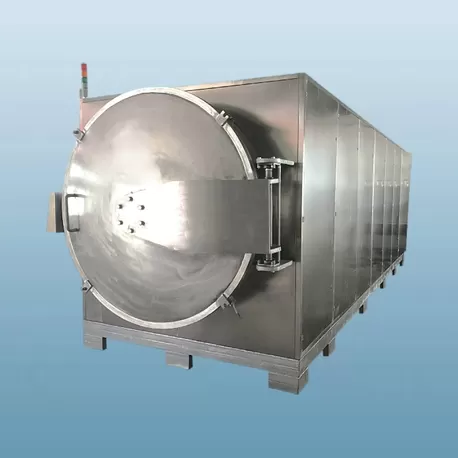
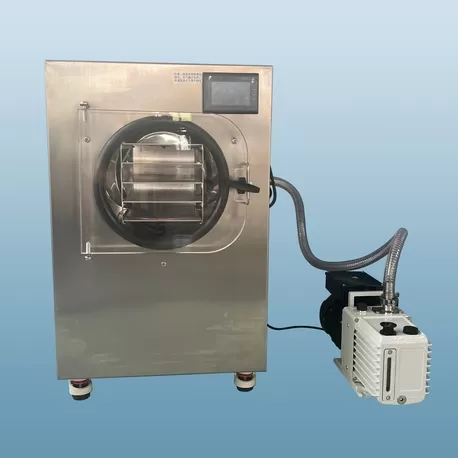
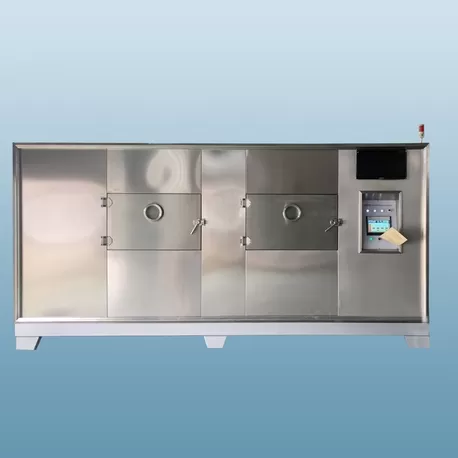
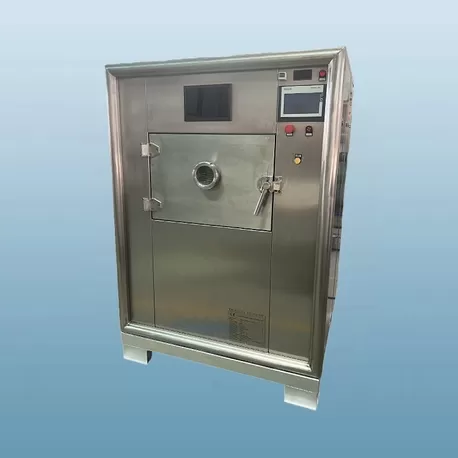
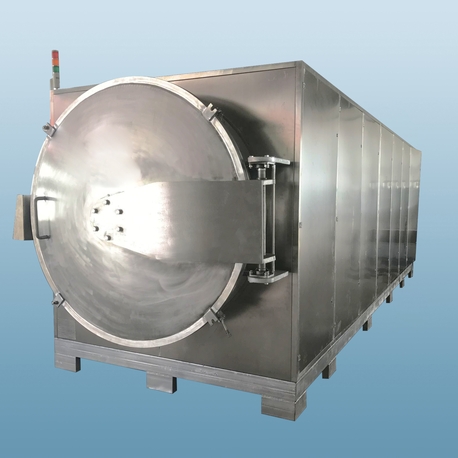
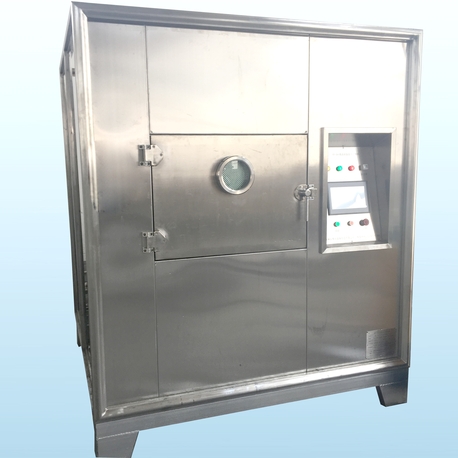
The art of preserving botanical beauty has shifted from a hobbyist’s pastime to a high-stakes industrial process. In my two decades of consulting for commercial drying facilities, I have witnessed a significant transition in how we handle delicate organic materials. Traditional air-drying or silica gel methods, while effective for small batches, often fail to meet the rigorous demands of modern supply chains. This is where the microwave flower dryer has redefined the standards of the industry.
For businesses looking to scale, the goal is always the same: retain the vibrant color, maintain the structural integrity, and ensure the moisture content is low enough to prevent mold. Technology from specialized manufacturers like Nasan has made it possible to achieve in minutes what used to take weeks. In this professional overview, I will break down the mechanics, operations, and strategic advantages of implementing microwave technology in floral preservation.
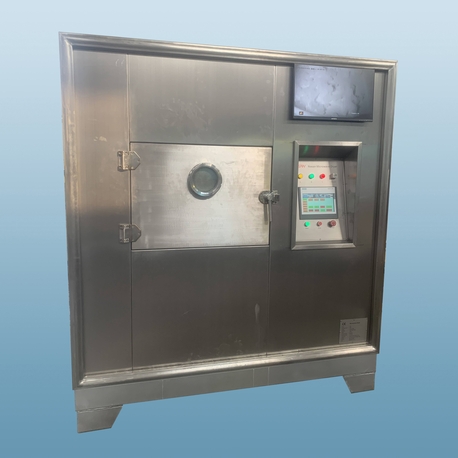
The Science of Molecular Vibration in Floral Drying
To understand why a microwave flower dryer is superior for professional use, we have to look at the physics of moisture removal. Traditional methods rely on heat conduction—warming the outside of the petal and waiting for the moisture to migrate to the surface. This often leads to "over-processing" the exterior while the interior remains damp.
Microwave technology works differently. It targets the water molecules directly through molecular vibration. By creating friction at the molecular level, the water is heated and evaporated from the inside out. This volumetric heating ensures that the delicate cell walls of a rose or a peony are not collapsed by prolonged exposure to external heat.
This precision is what allows the flower to keep its three-dimensional shape. In my experience, preventing "petal shrivel" is the hardest part of the job, and microwave systems solve this by working faster than the biological decay process can set in.
Strategic Benefits for Commercial Operations
Efficiency in a commercial setting is measured by throughput and quality consistency. A professional microwave flower dryer offers a level of control that manual methods simply cannot match. When you are processing thousands of blooms for the wedding industry, pharmaceutical extractions, or high-end decor, time is quite literally money.
The first major benefit is color retention. Thermal degradation is the primary enemy of floral pigments. Because microwave drying happens so rapidly, the anthocyanins and carotenoids—the compounds responsible for those brilliant reds and yellows—don't have time to oxidize or break down.
Secondly, we must consider the environmental impact and energy costs. Microwave systems are inherently more energy-efficient because they only heat the product, not the entire room or the surrounding air. For a facility manager, this means lower utility bills and a smaller carbon footprint, which is becoming a major selling point for eco-conscious brands.
Operating a high-capacity microwave flower dryer requires a blend of botanical knowledge and technical calibration. It is not a "set it and forget it" process, but rather a systematic workflow designed for excellence.
The process begins with sorting. Flowers must be grouped by density and moisture content. You wouldn't dry a thick-headed succulent and a thin-petaled pansy in the same cycle. Once sorted, the flowers are arranged on specialized, non-reactive trays that allow for uniform microwave penetration.
Calibration is the next step. Modern systems, like those engineered by Nasan, feature sophisticated PLC (Programmable Logic Controller) interfaces. Here, the operator sets the power intensity and the vacuum levels (if applicable). High-power bursts are often used initially to "shock" the moisture, followed by a lower-intensity phase to finish the drying without scorching the delicate edges.
Finally, there is the cooling and stabilization phase. Rapidly dried flowers can be brittle. A professional operation will allow the blooms to "rest" in a humidity-controlled environment for a short period to reach an equilibrium with the ambient air before they are packaged for shipping.
Key Application Fields for Advanced Floral Drying
The demand for high-quality dried botanicals spans multiple lucrative sectors. The most obvious is the ornamental market. Dried flower bouquets and "everlasting" arrangements have seen a massive resurgence in interior design. A microwave flower dryer allows wholesalers to provide products that look nearly identical to their fresh counterparts.
The food and beverage industry also utilizes this technology. Edible flowers for garnishes or floral-infused teas require strict sanitary drying processes. Microwave systems are excellent here because the process itself acts as a sterilization step, killing potential pathogens and insect larvae without the use of chemicals.
We are also seeing increased adoption in the cosmetic and skincare industries. High-end oils and extracts derived from flowers like lavender, calendula, or chamomile require the raw material to be dried perfectly to ensure the maximum yield of essential oils. Microwave drying preserves the volatile compounds that are often lost in traditional high-heat kilns.
Solving Common Preservation Challenges
One of the biggest headaches in the floral industry is "browning" or enzymatic oxidation. This usually happens when the drying process is too slow. By utilizing a microwave flower dryer, you essentially outrun the enzymes. The moisture is removed so quickly that the biological processes responsible for browning are halted mid-stroke.
Another challenge is mold growth during storage. Traditional air-dried flowers often retain "pockets" of moisture in the thickest part of the stem or the base of the flower head. Because microwave energy penetrates deeply and uniformly, it ensures that these hidden moisture reservoirs are completely eliminated, giving the product a much longer shelf life.
Fragility is also a concern. When flowers are dried too aggressively with hot air, they become "case-hardened" and snap easily. The internal-to-external heating profile of a microwave system keeps the fibers of the petals more flexible, making the finished product easier to handle during arrangement and transport.
Choosing the Right Equipment for Your Facility
When it comes time to invest in a microwave flower dryer, I always advise my clients to look beyond the price tag. You are investing in a piece of precision engineering. The quality of the magnetrons—the components that generate the microwaves—is paramount. If the energy distribution is uneven, you will have "hot spots" that ruin entire batches.
Material construction is another factor. In a professional environment, stainless steel is the standard for ease of cleaning and durability. Furthermore, the ability to record data is vital for modern quality control. Having a system that logs the exact parameters of every batch allows you to replicate your best results and provide documentation for safety audits.
Brands like Nasan have built their reputation on providing this level of industrial reliability. Whether you are a boutique grower or a large-scale distributor, your equipment should be a silent partner that ensures your product remains the best on the market.
The Future of the Floral Industry
We are moving toward a more sustainable and tech-driven floral economy. The days of accepting 20% waste due to poor drying techniques are over. The integration of the microwave flower dryer into standard processing lines has set a new benchmark for what "dried flowers" can look like.
In my view, the next step will be the integration of AI-driven sensors that can adjust the microwave frequency in real-time based on the moisture feedback from the flowers. This will further reduce energy waste and push the quality of the output to near-perfection.
As a professional in this space, I cannot stress enough the importance of staying ahead of the technological curve. Those who adopt advanced drying solutions today will be the market leaders of tomorrow.

Conclusion and Final Thoughts
In summary, the transition to a professional microwave flower dryer represents a shift toward precision, efficiency, and superior product quality. It is a solution that addresses the core challenges of the botanical industry—preserving the ephemeral beauty of nature in a way that is commercially viable and environmentally responsible.
When you choose to work with industry-leading technology, such as the systems offered by Nasan, you are making a commitment to excellence. You are ensuring that every bloom that leaves your facility is a testament to the perfect balance of nature and science. As we continue to push the boundaries of what is possible in thermal processing, I look forward to seeing how these technologies continue to transform the floral landscape globally.
Frequently Asked Questions (FAQ)
Q1: How much faster is a microwave flower dryer compared to traditional air drying?
A1: The difference is quite drastic. While air drying can take anywhere from 5 to 14 days depending on the humidity, a professional microwave system can complete the process in 15 to 45 minutes. This allows for a much higher turnover and the ability to fulfill large orders on short notice.
Q2: Will the microwave heat damage the delicate fragrance of the flowers?
A2: Actually, it is quite the opposite. Because the drying time is so short, the volatile oils that contain the fragrance are "locked in" rather than being evaporated over a long period of heat exposure. This results in a dried flower that often smells much stronger than one dried by traditional methods.
Q3: Is the microwave flower dryer safe for all types of flowers?
A3: Most flowers respond exceptionally well to microwave drying. However, flowers with extremely high sugar content or those with very thick, woody stems require specific parameter adjustments. It is always best to run a test batch to calibrate the power settings for different species.
Q4: Does the machine require a special power supply in a commercial facility?
A4: Most industrial-grade microwave dryers require a three-phase power supply to handle the energy demands of the magnetrons. It is important to consult with an electrician and the equipment manufacturer to ensure your facility's infrastructure can support the unit.
Q5: Can the microwave dryer be used for other botanical products like herbs or leaves?
A5: Yes, these machines are highly versatile. They are frequently used for drying medicinal herbs, tea leaves, and even roots. The PLC controls allow you to switch between different "profiles" so you can move from drying delicate rose petals to more robust mint leaves with ease.
Q6: What is the typical lifespan of an industrial microwave dryer?
A6: With proper maintenance—which includes regular cleaning and checking the magnetron health—a high-quality system can last 10 to 15 years. Components like magnetrons are considered "wear parts" and can be easily replaced to keep the machine running at peak performance.