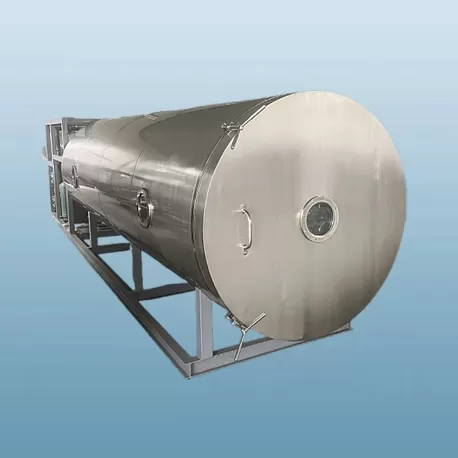
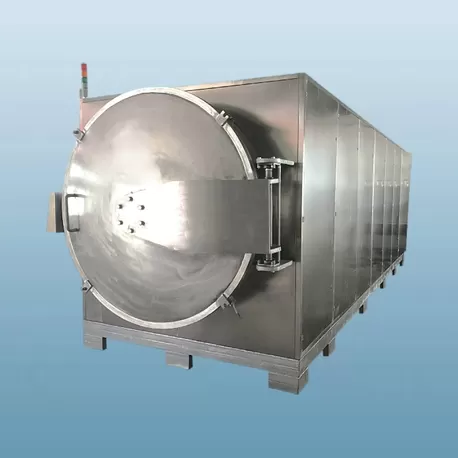
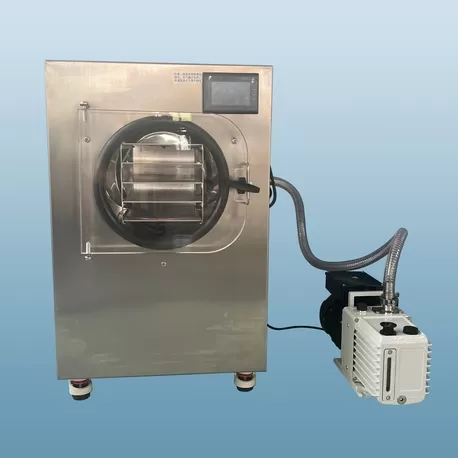
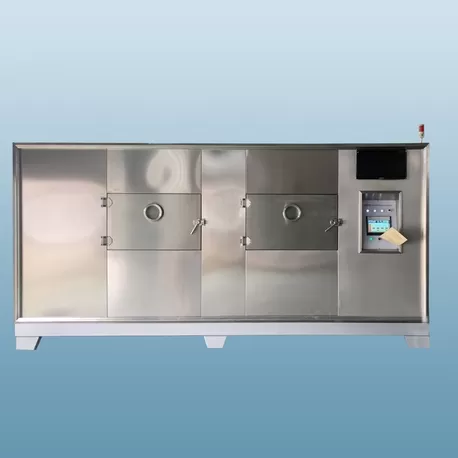
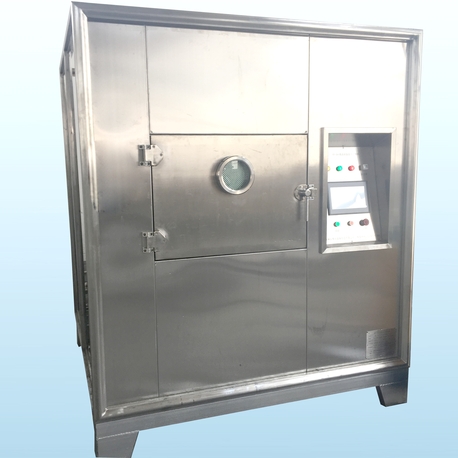
Food preservation has evolved significantly from the days of sun-drying on open fields. For modern food processors, the stakes are high. Speed, hygiene, and consistency are non-negotiable. This is where a professional vegetable dehydration machine becomes the cornerstone of a successful operation.
Fresh produce is a perishable commodity. From the moment a vegetable is harvested, it begins to degrade. Moisture is the primary enemy, promoting bacterial growth and decay. By removing this moisture in a controlled environment, businesses can extend shelf life from days to years.
Investing in the right equipment does more than just stop rot. It transforms bulky, heavy crops into lightweight, high-value ingredients. Dried vegetables are easier to store, cheaper to transport, and versatile in their application, ranging from instant soup mixes to healthy snack foods.
The Economics of Water Removal
Shipping water is expensive. Fresh vegetables are often 80% to 95% water by weight. When you transport fresh produce, the vast majority of your fuel cost goes toward moving moisture that will eventually evaporate or cause spoilage. A vegetable dehydration machine solves this logistical nightmare.
By reducing the weight and volume of the product, you can fit significantly more inventory into a single truck or shipping container. For international exporters, this reduction in logistics costs can drastically improve profit margins.
Furthermore, dehydration stabilizes prices. Farmers and processors often face gluts in the market during harvest season, driving prices down. By drying the excess produce, businesses can store the inventory and sell it when fresh supplies are low and prices are higher.
How Modern Drying Technology Works
Gone are the days of simple ovens that cook the food instead of drying it. Modern industrial dryers use sophisticated airflow and temperature controls. The goal is to remove moisture without breaking down the cell structure or destroying nutrients.
Heat pump technology is currently leading the industry. Unlike traditional boilers that rely on burning fuel to create massive amounts of heat, heat pumps recycle energy. They extract moisture from the air and reuse the latent heat, making them incredibly efficient.
Manufacturers like Nasan have pioneered systems that integrate these energy-saving technologies. Their machines are designed to maintain a consistent low-temperature environment, which is crucial for retaining the vibrant color and flavor of vegetables.
Preserving Nutritional Value and Color
One of the biggest concerns with processed food is the loss of quality. High heat destroys vitamins, particularly Vitamin C and beta-carotene. It can also turn bright green spinach into a dull, brown mess. A high-quality vegetable dehydration machine addresses this by using precise temperature curves.
Controlled air circulation ensures that heat reaches every part of the drying chamber evenly. This prevents "case hardening," a defect where the outside of the vegetable dries too fast, trapping moisture inside. Uniform drying is essential for preventing mold growth during storage.
When the process is done correctly, rehydrated vegetables should look and taste almost identical to their fresh counterparts. This quality is what food manufacturers look for when sourcing ingredients for instant noodles, seasoning packets, and ready-to-eat meals.
Nasan: A Leader in Industrial Drying
In the realm of international industrial commercial dryers, reliability is key. A breakdown during peak harvest season can result in tons of spoiled produce. Nasan has established itself as a trusted name by focusing on durability and continuous operation.
Their equipment is built to withstand the rigors of 24/7 production environments. Whether dealing with high-humidity tropical climates or processing dense root vegetables, their systems are engineered to perform. They offer a range of capacities, ensuring that both medium-sized processors and large industrial plants have options.
Support is another critical factor. Advanced machinery requires knowledgeable technical backing. Nasan provides the expertise needed to optimize drying schedules for specific crops, ensuring clients get the most out of their investment.
Versatility Across Different Crops
Not all vegetables dry the same way. Leafy greens like kale and spinach have a large surface area and dry very quickly. However, they are fragile and can turn to dust if the airflow is too aggressive. Root vegetables like carrots, potatoes, and beets are dense and require longer drying times with gradual moisture extraction.
A versatile vegetable dehydration machine allows operators to adjust parameters such as humidity, temperature, and air velocity. This flexibility means a single facility can process garlic in the morning and chili peppers in the afternoon.
Onions and garlic, for example, produce strong odors. Industrial dryers often need specialized exhaust systems or filtration to manage these emissions. Understanding the specific needs of your crop is vital when selecting a machine.
Energy Efficiency and Operating Costs
Energy consumption is often the largest operating expense in a drying facility. Older models using electric heating elements or diesel burners can be prohibitively expensive to run as energy prices rise. This is why the industry is shifting toward heat pump dryers.
A heat pump system can save up to 70% of energy compared to traditional resistance heaters. While the upfront cost of an advanced vegetable dehydration machine might be higher, the return on investment is realized through lower monthly utility bills.
Additionally, closed-loop systems do not vent hot air outside. This is particularly useful in cold climates where heating incoming air would require significant energy. It also keeps the facility cooler, improving working conditions for staff.
Hygiene and Food Safety Standards
Food safety regulations are stricter than ever. Equipment used in food processing must be easy to clean and resistant to bacterial growth. Stainless steel construction, typically 304 food-grade, is the industry standard.
The interior of the drying chamber should be free of crevices where food particles can get trapped. Trays and trolleys must be washable. A well-designed vegetable dehydration machine will have accessible panels for thorough cleaning.
Proper drying is itself a safety measure. By lowering the water activity (aw) of the food below 0.6, the growth of bacteria, yeast, and mold is inhibited. This allows the product to be stored safely at room temperature without preservatives.
The Rise of Healthy Snacks
Consumer trends are shifting away from fried chips and sugary treats. There is a booming market for vegetable chips—dried beetroot, sweet potato, and green beans. These products require a specific texture: crisp but not burnt.
Achieving this texture requires precise control. Sometimes, a combination of technologies is used, such as a brief blanching step followed by dehydration. The vegetable dehydration machine plays the central role in defining the "crunch" that consumers enjoy.
Brands that can produce healthy, additive-free snacks are seeing significant growth. The ability to label a product as "100% natural" or "air-dried" commands a premium price in retail stores.

Installation and Space Requirements
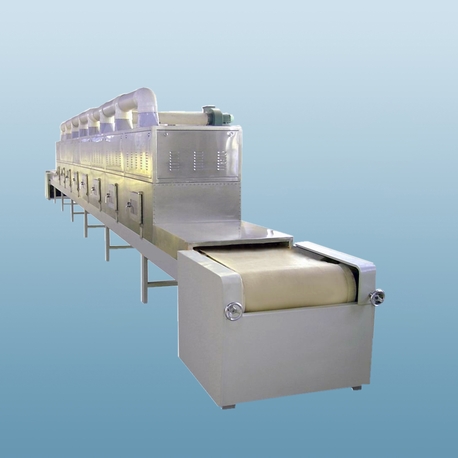
Industrial dryers are substantial pieces of equipment. Before purchasing, facility managers must consider the footprint. Tray dryers are compact and good for batch processing. Belt dryers, which feed product continuously on a conveyor, require much more length but offer higher throughput.
Ventilation is another consideration. Even with closed-loop systems, the machine generates some ambient heat. Adequate spacing around the unit is necessary for maintenance access and airflow. Companies like Nasan often assist with floor plan layouts to ensure optimal workflow.
It is also important to plan for the "wet" and "dry" zones of the factory. Raw, unwashed vegetables should not cross paths with the finished, dried product to prevent cross-contamination.
Smart Controls and Automation
The future of food processing is automated. Modern dryers come equipped with PLC (Programmable Logic Controller) touchscreens. Operators can save recipes for different vegetables. With one touch, the machine sets the temperature, humidity, and duration.
Remote monitoring allows managers to track production from a smartphone. If a sensor detects a drop in temperature or a fan failure, an alert is sent immediately. This reduces downtime and protects the valuable product inside.
Automation also reduces human error. In manual systems, if an operator forgets to turn off the machine, the batch could be over-dried and ruined. Smart systems stop automatically when the target moisture content is reached.
Maintenance for Long-Term Performance
Like any industrial machinery, a vegetable dehydration machine needs regular care. Dust and debris from dried vegetables can accumulate on fan blades and heating coils, reducing efficiency.
Regular inspections of door seals are crucial. A leaky seal lets moisture back in, forcing the machine to work harder. Bearings on fans and conveyor belts should be lubricated according to the manufacturer's schedule.
Working with a reputable supplier ensures access to spare parts. Waiting weeks for a replacement sensor is not an option during harvest. Nasan is known for supporting their clients with timely parts delivery and technical advice.
Conclusion
The transition from selling raw produce to selling value-added dried products is a smart business move. It mitigates the risks of spoilage, opens up global markets, and stabilizes revenue streams. The heart of this operation is the drying equipment.
Selecting the right machine involves balancing capacity, energy efficiency, and budget. It is not just about removing water; it is about preserving value. The color, flavor, and nutrition of the final product depend entirely on the quality of the process.
With advanced solutions from industry leaders like Nasan, food processors can confidently scale their operations. A high-performance vegetable dehydration machine is an investment that pays dividends for years to come.
Frequently Asked Questions
Q1: What is the difference between a commercial vegetable dehydration machine and a freeze dryer?
A1: A standard dehydration machine uses heat and airflow to remove moisture, which is cost-effective and energy-efficient for most bulk foods. A freeze dryer uses a vacuum and extremely low temperatures (sublimation) to remove water. Freeze drying preserves structure perfectly but is significantly more expensive to buy and operate.
Q2: How much energy does an industrial dryer consume?
A2: Energy consumption varies by technology. Traditional electric heating is costly, while heat pump dryers are very efficient. A heat pump vegetable dehydration machine typically consumes 1 unit of electricity to generate 3 to 4 units of heat energy, drastically lowering operating costs.
Q3: Can I dry fruits and meats in the same machine used for vegetables?
A3: Yes, most commercial dryers are versatile enough to handle fruits, meats, and herbs. However, you must clean the machine thoroughly between batches to prevent cross-contamination of flavors and allergens. You will also need to adjust the drying settings (time and temperature) for different food types.
Q4: How do I know when the vegetables are fully dried?
A4: The final moisture content depends on the intended use, but generally, dried vegetables should be brittle or hard. Commercial operators use moisture meters to get an exact reading. Standard storage usually requires a moisture content below 10% to prevent mold.
Q5: What is the typical lifespan of a commercial dehydration machine?
A5: With proper maintenance and cleaning, a high-quality industrial dryer made of stainless steel can last 10 to 15 years or more. Components like fans and compressors may need replacement sooner, but the structural body is designed for long-term use.