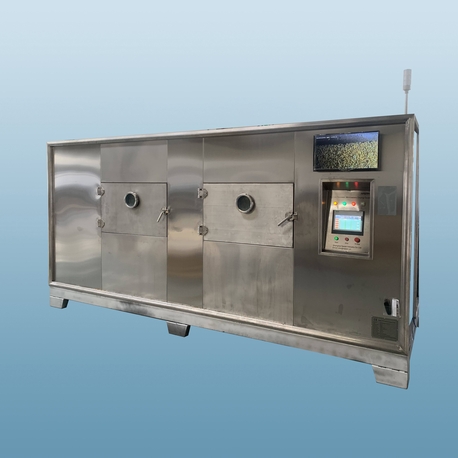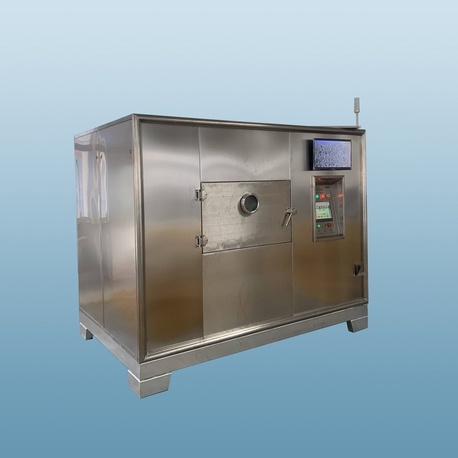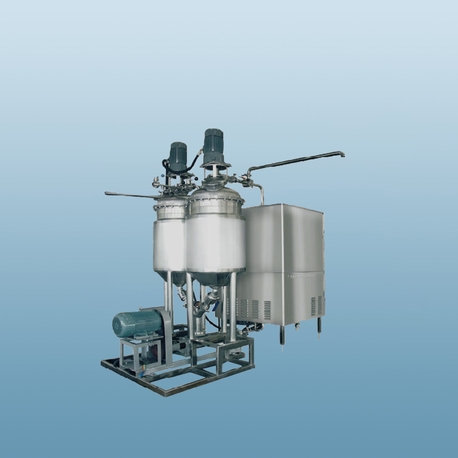

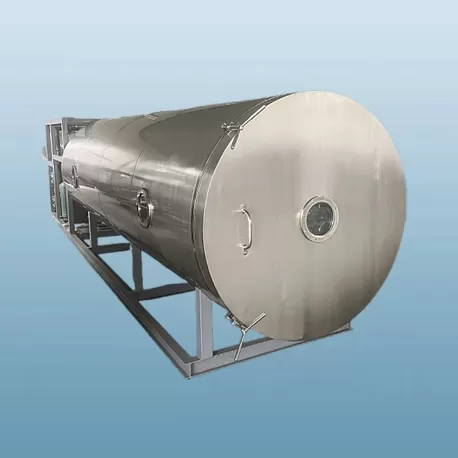
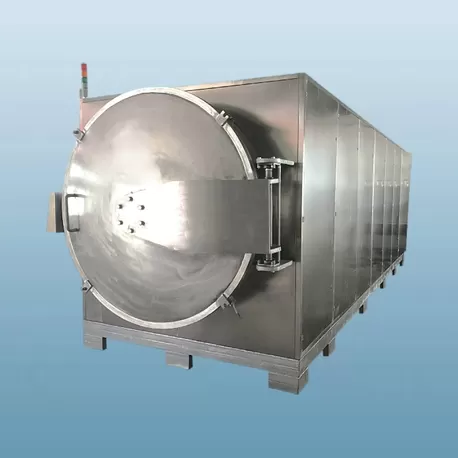
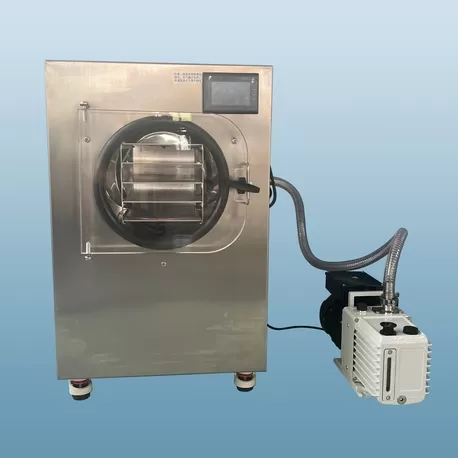
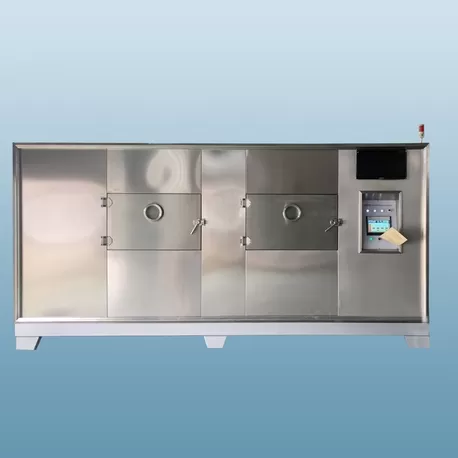
When production lines demand consistent, high-capacity drying, the tunnel dryer stands out as a workhorse in sectors like food processing, ceramics, and chemicals. Unlike batch systems, this continuous conveyor-based equipment ensures uniform moisture removal with minimal labor. At Nasan, we have refined tunnel dryer configurations to meet strict hygiene and energy standards across global facilities.

A tunnel dryer operates on a straightforward yet highly adaptable principle. Products move on a perforated belt or tray through an insulated tunnel while heated air flows either co-currently or counter-currently. The continuous movement allows precise control over temperature, humidity, and residence time.
Advanced models from Nasan incorporate modular heating zones. In the first zone, surface moisture is rapidly evaporated; later zones handle bound moisture. This staged approach prevents case-hardening and cracking—common issues in less sophisticated dryers.
Two main airflow designs exist: cross-flow and through-flow. Cross-flow directs air over the product surface, ideal for fragile items. Through-flow pushes air through the perforated bed, suiting granular materials. Modern tunnel dryer units often combine both to maximize thermal efficiency.
Industrial users choose the tunnel dryer format for several quantifiable benefits. Below we break down the most impactful ones, backed by field data from Nasan installations.
Energy Efficiency: Waste heat from cooling zones can be recirculated to pre-heat incoming air, slashing fuel costs by up to 30%.
Product Consistency: Automated belt speed and zone temperature controls ensure every batch meets exact moisture specs.
Scalability: Modular tunnel sections allow capacity expansion without replacing the entire system.
Low Labor Footprint: Continuous loading/unloading reduces manual handling, a key factor in high-sanitation industries.
In a recent ceramic tile plant, replacing a rotary dryer with a tunnel dryer cut drying time by 40% and reduced breakage due to gentler handling.
The adaptability of the tunnel dryer makes it suitable for diverse materials. Here are three dominant sectors:
Fruits, vegetables, grains, and pasta are frequently dried in tunnel dryer lines. Stainless steel construction meets food safety norms, while precise airflow retains nutrients and color. Nasan supplies multi-stage tunnel dryers for potato strips and herbs.
Clay roof tiles, bricks, and sanitaryware require slow, even drying to prevent cracks. Tunnel dryers with humidity-controlled zones replicate natural drying conditions at accelerated rates.
Heat-sensitive catalysts and powders benefit from low-temperature tunnel dryer designs. Inert gas blanketing options are available for solvent-wet materials.
Engineers often compare tunnel dryer systems with rotary and fluid bed alternatives. Each has merits, but the tunnel format wins in specific scenarios.
Rotary drum dryers handle large volumes of free-flowing solids but cause more attrition and dust. A tunnel dryer, by contrast, gently conveys products on a belt, preserving particle size. For fragile extrudates or coated materials, this is critical.
Fluid bed dryers offer excellent heat transfer but require uniform particle size and can be tricky with sticky materials. The tunnel dryer handles a wider range of consistencies—from slurries on trays to pre-formed pellets.
Moreover, energy consumption per kilogram of water removed often favors the tunnel dryer when exhaust heat recovery is implemented, a standard feature in Nasan units.
With over two decades in thermal processing, Nasan has introduced several refinements to the classic tunnel dryer concept. Our designs include:
Indirect heating options for solvent recovery or inert atmospheres.
Smart PLC controls that adjust belt speed based on real-time moisture sensors.
Hygienic quick-release belts for fast cleaning between product runs.
These innovations mean lower operating costs and higher uptime for clients in the food and mineral sectors. Visit our product page to view case studies.

As industries push for higher throughput with lower carbon footprints, the tunnel dryer remains a reliable pillar. Its ability to integrate with heat pumps and solar thermal systems points toward a sustainable future. Whether you process agricultural goods or industrial minerals, a well-engineered tunnel dryer from Nasan can deliver consistent results for decades.
Q1: What types of products can be dried in a tunnel dryer?
A1: A tunnel dryer accommodates a vast range—from food items like apple slices and coffee beans to industrial goods such as ceramic tiles, rubber components, and washed plastics. The common factor is that products should withstand being conveyed on a belt or in trays.
Q2: How does a tunnel dryer compare to a vacuum dryer in terms of energy use?
A2: Vacuum dryers consume more energy due to the need to maintain low pressure. A tunnel dryer operating at atmospheric pressure is generally more energy-efficient, especially when exhaust air is recirculated. However, for heat-sensitive materials requiring low temperatures, vacuum remains an option.
Q3: Can a tunnel dryer handle flammable solvents?
A3: Yes, with proper design. An explosion-proof tunnel dryer uses inert gas (e.g., nitrogen) in a closed loop, and all electrical components are rated for hazardous areas. Nasan offers ATEX-compliant configurations for such applications.
Q4: What maintenance does a tunnel dryer require?
A4: Routine checks include belt tension adjustment, bearing lubrication, and cleaning of air filters. The tunnel dryer design allows easy access to all internal parts; many users perform a full belt wash-down weekly. Annual inspections of fans and heating coils are recommended.
Q5: How long does a typical tunnel dryer last?
A5: With proper maintenance, a stainless steel tunnel dryer can operate 20–25 years. Key wear parts like belts and seals are replaceable. Nasan provides spare parts support for all models dating back to 2005.
Q6: Is a tunnel dryer suitable for small batch production?
A6: While tunnel dryers excel in continuous operation, multi-purpose units with variable speed drives can handle smaller batches economically. Some manufacturers, including Nasan, offer modular tunnels where only a portion is used for short runs.