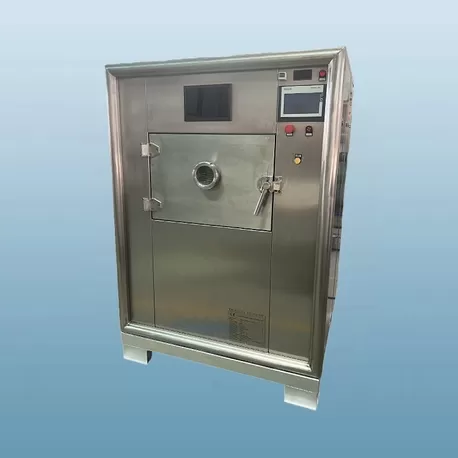
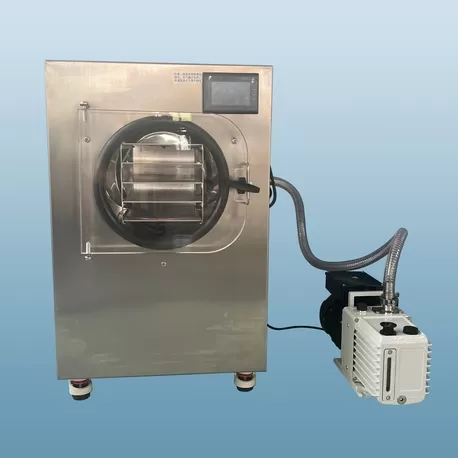
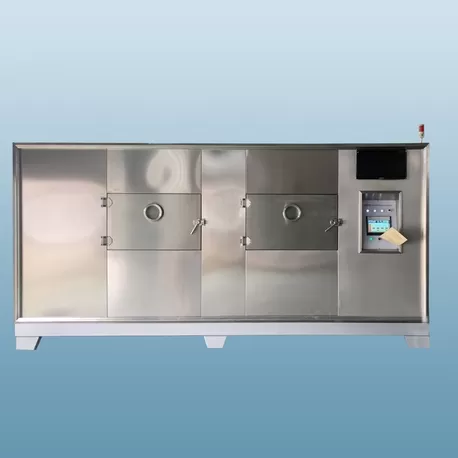
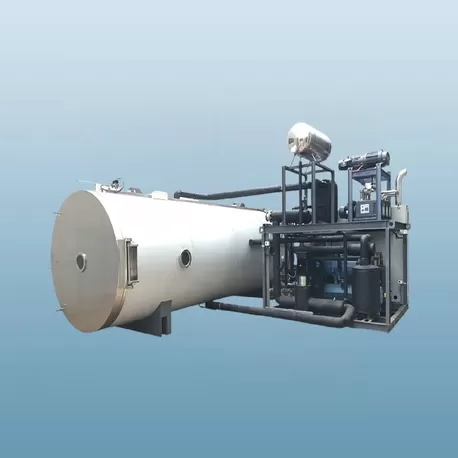
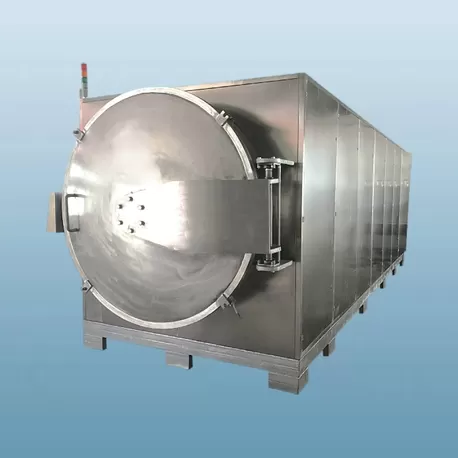
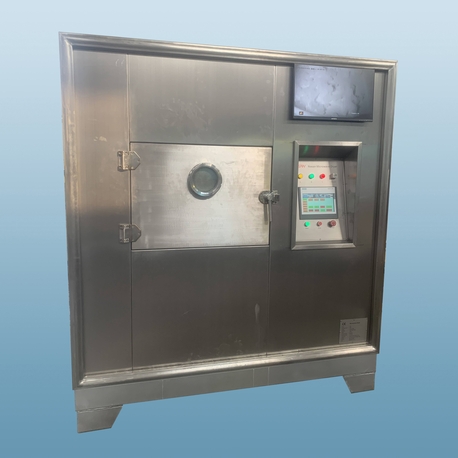
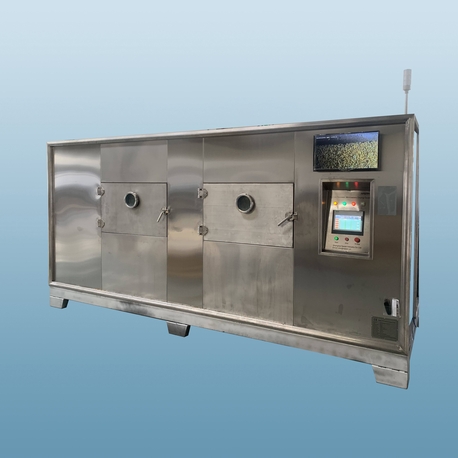
The global demand for high-quality dried spices is surging. Whether you are a small-scale farm or a large food processing plant, moving away from traditional sun-drying is no longer just an option—it is a necessity for food safety and efficiency. Companies like Nasan have been at the forefront of this transition, providing specialized machinery that preserves the vibrant color and pungency of peppers.
When you invest in a professional chilli dryer, you are not just buying a machine; you are securing the quality of your harvest against unpredictable weather and contamination. This article breaks down everything you need to know about selecting and operating the right equipment for your business.
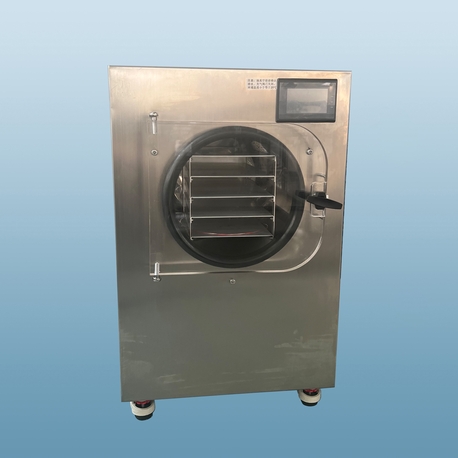
Why Modern Spice Processing Requires a Dedicated Chilli Dryer
Traditional sun drying has served humanity for centuries, but it fails to meet modern international food safety standards. Dust, insects, and bird droppings are constant threats in open-air environments. Furthermore, the lack of temperature control often leads to "case hardening," where the outside of the pepper dries too fast, trapping moisture inside and causing mold later.
A commercial chilli dryer solves these issues by providing a controlled environment. By regulating airflow and humidity, these machines ensure that every pepper in the batch reaches the exact moisture content required for grinding or long-term storage.
Precision is the hallmark of modern spice production. When using equipment designed by experts like Nasan, processors can achieve a uniform moisture level of around 10-12%, which is the industry standard for preventing microbial growth while maintaining the weight for better profit margins.
The Inner Workings: How a Commercial Chilli Dryer Operates
Understanding the mechanics behind the machine helps operators get the best results. Most industrial units utilize either a batch system (tray dryers) or a continuous system (mesh belt dryers).
The process begins with the heat source. Depending on your location and utility costs, this could be electricity, natural gas, steam, or biomass. The heat is transferred to the air, which is then circulated through the drying chamber by high-pressure fans.
In a high-quality chilli dryer, the air isn't just blown randomly. It is directed in a cross-flow or through-flow pattern. This ensures that the peppers at the bottom of the stack receive the same amount of heat as those at the top, preventing the common problem of uneven drying.
Step-by-Step Operation for Maximum Efficiency
Operating an industrial dryer requires more than just flicking a switch. To maintain the integrity of the capsaicin and the bright red oils, a specific protocol must be followed.
Phase 1: Pre-treatment and Loading
Before the peppers enter the chilli dryer, they should be washed and sorted. Removing stems (de-seeding) can speed up the drying time significantly, though many markets prefer whole dried chillies. When loading trays, it is vital to avoid overcrowding. Air must be able to circulate around each pod to prevent "wet spots."
Phase 2: The Initial Heating Stage
For the first few hours, the temperature is usually set between 60°C and 70°C. This high initial heat helps to kill surface bacteria and begins the evaporation of surface moisture. Nasan systems often include sensors that monitor this initial spike to ensure the sugars in the chilli don't caramelize, which would turn the product brown.
Phase 3: The Slow Reduction
As the surface moisture disappears, the internal moisture takes longer to migrate to the skin. The temperature is often lowered slightly to around 55°C. This "slow and steady" approach prevents the skin from becoming brittle while the inside remains damp.
Phase 4: Cooling and Packaging
Never package peppers directly from the chilli dryer. They must be allowed to reach ambient temperature in a clean environment. Packaging hot chillies creates condensation inside the bags, leading to rapid mold growth and total batch loss.
Choosing Between Batch and Continuous Drying Solutions
The scale of your operation determines which type of chilli dryer is right for you.
Batch dryers, often called cabinet or tray dryers, are perfect for smaller processors or those handling multiple varieties of peppers. They allow for different settings for each batch, giving the operator complete control over the process. They are also easier to clean, which is a major advantage if you switch between mild and extra-hot varieties.
Continuous mesh belt dryers are the workhorses of the industry. These machines can be dozens of meters long. Raw chillies are fed onto a moving belt at one end and emerge fully dried at the other. This setup is ideal for 24/7 operations where labor costs need to be minimized.
Nasan provides customized solutions for both categories, ensuring that the footprint of the machine fits the available factory space while maximizing the throughput per square meter.
Common Challenges and Practical Solutions in Spice Drying
One of the biggest hurdles in spice processing is energy consumption. Heating air is expensive. To solve this, many modern chilli dryer designs incorporate heat recovery systems. These systems capture the heat from the exhaust air and use it to pre-heat the incoming fresh air, reducing energy bills by up to 30%.
Another common issue is "oil leakage." If the temperature is too high, the natural oils in the chilli can leak out, leaving the pepper looking dull and losing its spicy kick. The solution lies in PLC-controlled systems that automatically adjust the temperature based on the humidity levels inside the chamber.
Dust management is also critical. As chillies dry, they become brittle, and small particles can break off. An integrated dust extraction system prevents these particles from becoming a fire hazard or a respiratory irritant for workers.

Application Fields Beyond Simple Spices
While the name suggests a single use, a robust chilli dryer is a versatile asset in a food processing facility. These machines are frequently used for other products that require similar temperature profiles.
For instance, the pharmaceutical industry uses these dryers for herbal medicines and roots. In the food sector, the same equipment can dry bell peppers, garlic flakes, and onion granules. This versatility ensures that the machine provides a return on investment even when the chilli harvest season is over.
By utilizing a multi-purpose chilli dryer, businesses can diversify their product lines without needing to invest in entirely new machinery, provided the cleaning protocols are strictly followed to avoid cross-contamination of flavors.
Future Trends in Industrial Thermal Processing
The industry is moving toward smarter, more "connected" machinery. We are seeing a shift where the chilli dryer is integrated into a factory-wide IoT (Internet of Things) system. This allows managers to monitor drying progress from a smartphone and receive alerts if a temperature sensor detects an anomaly.
Sustainability is also driving innovation. There is a growing interest in heat pump technology, which uses refrigerants to move heat rather than generating it through combustion. This makes the drying process much "greener" and aligns with the global shift toward carbon-neutral food production.
As a leader in the industry, Nasan continues to integrate these technologies into their designs, ensuring that their customers stay ahead of both regulatory requirements and market trends.
Summary of Benefits
Investing in a high-quality drying system is about risk management and quality assurance. A professional chilli dryer offers:
Consistency: Every batch meets the same quality standard.Speed: What takes 5 days in the sun takes 12-20 hours in a machine.Hygiene: Total protection from external contaminants.Color Retention: Superior visual appeal for premium markets.
Whether you are looking to upgrade an existing line or start a new processing venture, choosing a reliable partner like Nasan ensures you have the technical support and robust engineering needed for long-term success in the competitive spice market.
Frequently Asked Questions
Q1: How long does it typically take to dry a full batch of red chillies?
A1: Depending on the variety and initial moisture content, the process usually takes between 12 and 24 hours in a professional chilli dryer. Factors like humidity in the local environment and whether the chillies are whole or sliced also play a significant role in the duration.
Q2: What is the ideal temperature setting to maintain the bright red color?
A2: For most varieties, maintaining a temperature between 55°C and 65°C is ideal. Exceeding 70°C for prolonged periods can cause the oils to darken and the sugars to caramelize, resulting in a brownish tint rather than a vibrant red.
Q3: Can I use the same machine for different types of peppers and spices?
A3: Yes, a commercial chilli dryer is quite versatile. However, you must perform a deep clean between different products—especially when moving from high-heat peppers like Habaneros to milder spices—to avoid cross-contamination of capsaicin levels.
Q4: Which heating source is the most cost-effective for a large-scale operation?
A4: This depends heavily on your local utility prices. Generally, natural gas or biomass (like wood pellets or agricultural waste) offers the lowest operating cost for high-capacity machines. However, electric heat pumps are becoming increasingly popular due to their high energy efficiency and lower carbon footprint.
Q5: How do I know when the chillies are "done" drying?
A5: The most reliable way is using a moisture meter to ensure a content of 10-12%. Physically, a well-dried chilli should be "leather-hard"—it should be brittle enough to snap when bent firmly, but not so dry that it crumbles into powder at the slightest touch.
Q6: Does the machine require a lot of daily maintenance?
A6: Daily maintenance is minimal but essential. It usually involves cleaning the debris from the bottom of the chamber, checking that the air intake filters are not clogged with dust, and ensuring that the fans are rotating freely. Specialized units from Nasan are designed with easy-access panels to make these tasks quick and simple for the operator.