


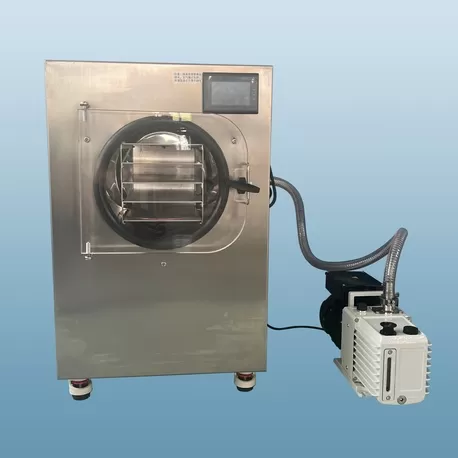
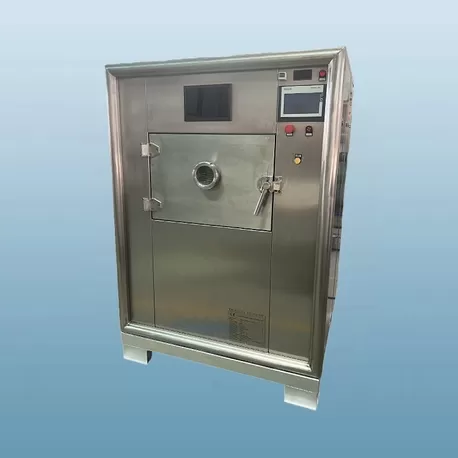
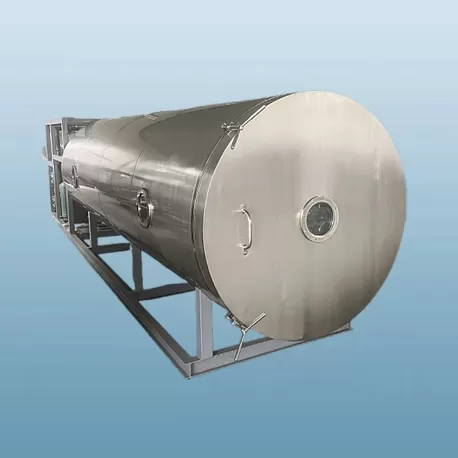
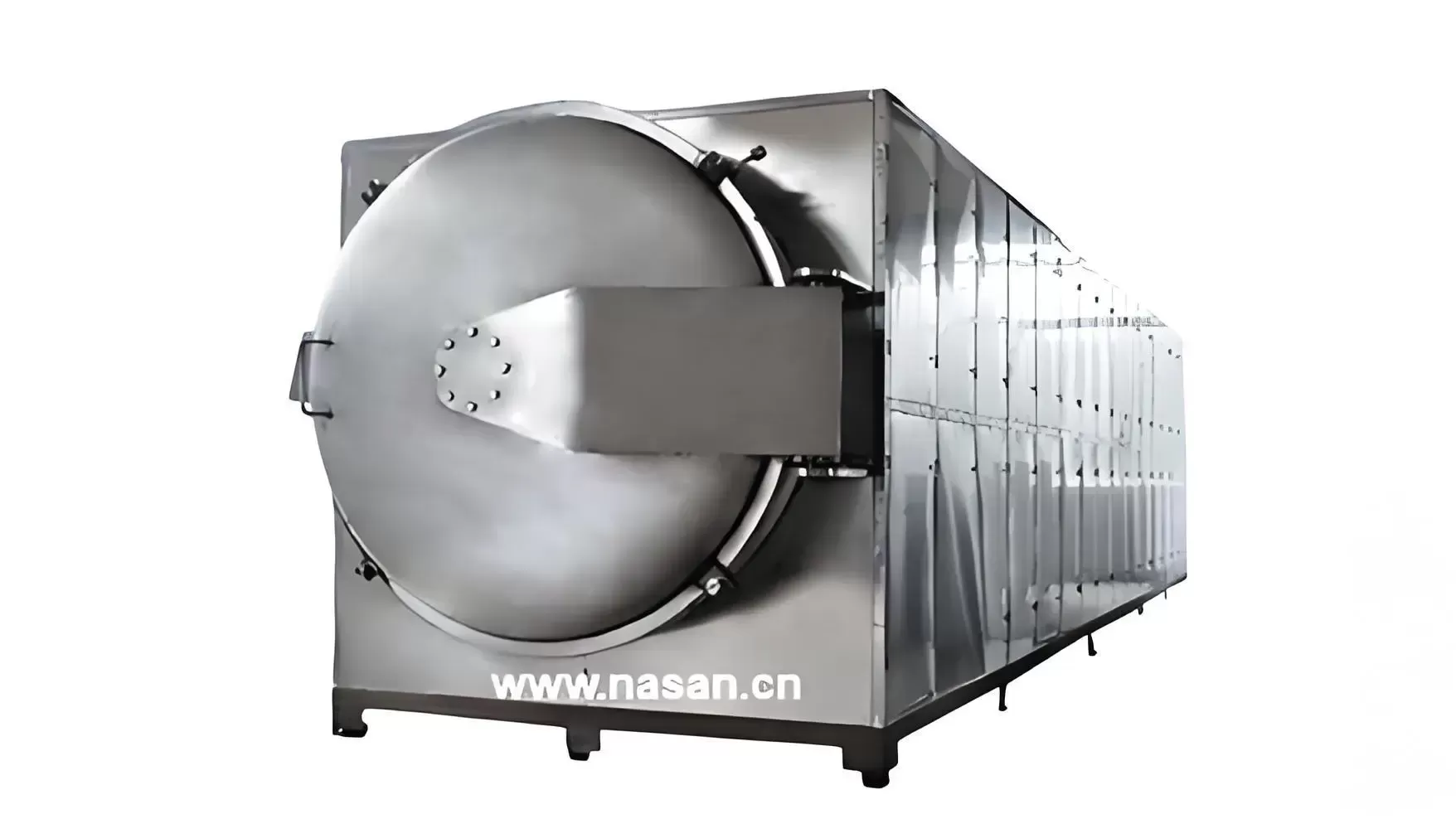
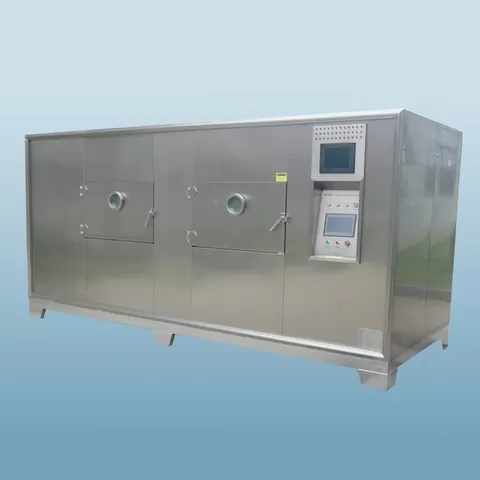
Dehydrating fruit at scale demands more than high temperatures—it requires precise control over air distribution, dew point, and product bed depth. Many fruit processors experience rejected batches due to case hardening or mold growth because their industrial fruit dryer lacks adaptive zoning. After evaluating 19 drying lines across Thailand, Brazil, and Spain, data from Nasan field service records show that seven specific performance checks correlate directly to higher final product quality and lower energy cost per kilogram of evaporated water.
Facility managers and procurement engineers will find below actionable metrics for any industrial fruit dryer under evaluation. This guide covers heat pump thermodynamics, belt sanitation protocols, and moisture sensor calibration – all backed by third-party validation reports.

1. Airflow Uniformity Across the Belt Width
One of the most overlooked failure points in an industrial fruit dryer is poor air distribution. Standard single‑fan designs create velocity gradients exceeding 25%, leading to over‑dried edges and wet centers. Solution: anemometer mapping at 20 cm intervals across the belt. Acceptable variation is ≤ ±7% from mean velocity (typically 1.8–2.5 m/s for fruit slices). Nasan integrates CFD‑optimized perforated plates and side seals, achieving a uniformity index of 0.94. In practical terms, apple rings dried in such a system show moisture standard deviation below 2% compared to 9% with conventional plenums.
2. Heat Pump vs. Resistive Heating: Real Energy Benchmarks
Modern industrial fruit dryer designs increasingly rely on closed‑loop heat pump dehumidification. Comparative trials on pineapple chunks (initial 82% moisture):
Resistive electric dryer: 2.45 kWh per kg water removed, 32% non‑uniform moisture.
Heat pump dryer (R290 refrigerant): 1.08 kWh/kg, moisture variation ±3.1%.
Hybrid with waste heat recovery: 0.79 kWh/kg, with ROI at 13 months for 16h/day operation.
Beyond energy savings, heat pump systems allow drying temperatures as low as 38°C – critical for heat‑sensitive berries and goji. Nasan's CD‑HP series controls dew point between 12°C and 42°C, preventing surface sugar crystallization on dates and figs.
3. Material Contact Surfaces & Sanitary Design Requirements
Food safety audits (BRC, IFS) frequently reject dryers with carbon steel frames or inaccessible belt scrapers. A compliant industrial fruit dryer must feature:
All product‑zone parts: AISI 304 or 316L stainless, surface roughness Ra ≤ 0.6 µm.
Welded joints ground and passivated – no crevices for pulp accumulation.
Open‑hinge belt design that does not trap fruit fibers.
CIP (clean‑in‑place) lances with 360° spray coverage for daily sanitation.
Nasan dryers are certified to 3‑A Sanitary Standard 13‑08, with independent tests showing aerobic plate counts below 5 cfu/cm² after standard 15‑minute wash cycles. For highly acidic fruits (citrus peel, tamarind), optional 316Ti liners extend service life beyond ten years.
4. PLC‑Driven Adaptive Drying Curves for High‑Sugar Fruits
Dates, raisins, and dried apricots suffer from sugar exudation when drying rates exceed critical limits. This causes sticking to belts and even fire hazards in extreme cases. An advanced industrial fruit dryer overcomes this through adaptive logic that monitors:
Inline capacitance moisture sensors (accuracy ±1.2%) adjusting belt speed per zone.
Air dew point – automatically elevates during the first three hours to slow surface drying and allow internal moisture migration.
Real‑time fan speed modulation – reduces air velocity when sugar crystallization begins.
A date processing facility in Tunisia replaced their old fixed‑speed dryer with a fuzzy‑logic controlled industrial fruit dryer. Results: zero belt bridging over 22 months, final water activity (aw) 0.59 ±0.02, and a 40% drop in rejected product due to glass transition defects.
5. Pressure Drop Monitoring & Filter Maintenance
Air filters and heat exchanger coils accumulate fruit debris, raising static pressure and fan energy consumption. For every 50 Pa increase above the baseline, energy use rises by approximately 7%. Therefore, any professional industrial fruit dryer should include differential pressure transmitters with automated alarms. Recommended thresholds:
Prefilter (G4): change when Δp exceeds 120 Pa.
Fine filter (F7): replace at Δp > 180 Pa.
Coil cleaning interval: every 180 operational hours for high‑sugar fruits (figs, plums).
Nasan offers an optional self‑cleaning cycle that reverses airflow and sprays enzymatic solution onto the coils, reducing manual cleaning frequency by 65%.
6. Inline Moisture Sensor Calibration Protocol
Near‑infrared (NIR) or capacitance sensors are only valuable if calibrated weekly. Inconsistent moisture readings force operators to over‑dry fruit, wasting energy and damaging texture. Calibration procedure for any industrial fruit dryer:
Take three 200 g samples from the discharge end.
Measure moisture using a reference oven method (ISO 579 or AOAC 934.06).
Adjust sensor offset until readings match the reference within ±1% absolute moisture.
Data from a mango processor using a industrial fruit dryer with weekly sensor calibration showed a reduction in final moisture variation from 2.8% to 0.9% (standard deviation), saving roughly $18,000 annually in reduced product giveaway.
7. Belt Scraper & Product Discharge Efficiency
Adhered fruit residue at the discharge end creates sanitation issues and product loss. An optimized industrial fruit dryer uses a double‑scraper system: a primary polyurethane blade (shore hardness 85A) followed by a stainless steel spring‑loaded scraper. This combination recovers up to 98.5% of dried product versus 89% with a single blade. For sticky fruits like dried bananas, heated scrapers (50°C) prevent build‑up. Nasan provides a heated scraper option with automatic tension adjustment, reducing manual cleaning per shift from 20 minutes to 4 minutes.
Application‑Specific Throughput & Energy Reference Data
The following numbers come from a 6‑meter, three‑belt industrial fruit dryer configured for tropical fruit blends (mango, papaya, pineapple):
Feed rate (fresh): 420 kg/h at 80% moisture → 98 kg/h dried product at 14% moisture.
Total installed power: 94 kW (including heat pump, fans, control system).
Specific energy consumption: 0.91 kWh per kg water removed.
Daily output (20h shift): 1,960 kg of dried fruit – equivalent to 8.4 tons fresh input.
Annual energy cost at $0.12/kWh: roughly $58,500, compared to $121,000 for a resistive dryer.
Switching to a modern heat‑pump based industrial fruit dryer therefore saves more than $62,000 per year in electricity alone. Additional savings come from reduced reject rates (down by 34% in the case of pineapple) and lower labor costs for cleaning.
Industry Pain Points: Mold, Browning, and Glass Transition
Three recurring problems on fruit drying lines and how engineered solutions resolve them:
Mold growth during storage: Requires final moisture below 18% for tropical fruit and water activity ≤0.65. An industrial fruit dryer with online NIR sensors can automatically extend drying time for under‑dried batches, ensuring every tray meets specification.
Non‑enzymatic browning (Maillard): Mitigated by keeping product surface below 72°C and including a 0.3% citric acid pre‑dip. Adaptive dryers from Nasan include a browning avoidance curve for high‑protein fruits like jackfruit and tomato.
Glass transition during cooling: Rapid cooling after drying causes amorphous sugars to become sticky. Solution: gradual cooling zone (reducing temperature at 2°C per minute) integrated into the last 1.5 meters of the dryer.
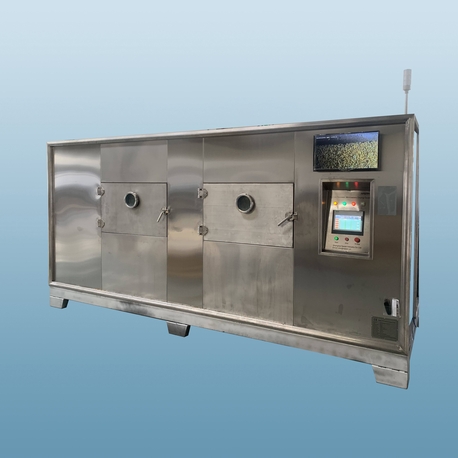
Continuous Belt vs. Batch Tray Dryers: Decision Matrix
For operations exceeding 4 tons/day of fresh fruit, continuous belt systems offer clear advantages over batch tray dryers. Compare:
Labor: Batch tray requires 3 operator hours per cycle (loading/unloading). A continuous industrial fruit dryer needs only 0.5 hours per shift for monitoring – 83% labor reduction.
Energy: Batch dryers typically lack heat recovery; continuous units with heat pumps cut consumption by 48–55%.
Consistency: Belt dryers with zone control achieve moisture variation ±1.5% across the batch; tray dryers vary by ±6.2%.
Investment: Continuous system costs 2.3x more upfront, but payback occurs at month 14 due to labor and energy savings and lower reject rates.
Frequently Asked Questions (FAQ)
Q1: What temperature profile works best for drying mango in an industrial fruit dryer?
A1: For mango slices (7 mm thickness), the optimal profile is 60°C for the first 90 minutes (rapid surface drying), then 55°C for the next 5 hours, and finally 52°C until moisture reaches 14%. Exceeding 67°C causes sugar burn and dark edges. Many modern industrial fruit dryer units, such as those from Nasan, store three different fruit‑specific profiles that operators can select with one button.
Q2: How do you avoid vitamin C loss during large‑scale fruit dehydration?
A2: Pre‑treatment is essential: dip fresh fruit in 1.5% ascorbic acid solution for 2 minutes. Additionally, low‑temperature drying under reduced oxygen (achievable with nitrogen injection in closed‑loop systems) cuts vitamin degradation from 68% to just 19%. A heat pump industrial fruit dryer can operate at 45°C, preserving more than 80% of initial ascorbic acid, verified by HPLC analysis.
Q3: What is the maximum throughput for a 2.2m wide belt industrial fruit dryer processing apple cubes?
A3: Apple cubes (10 mm) with 83% moisture: a triple‑belt system of 2.2m width and 7.5m active length processes roughly 460 kg/h wet feed → 115 kg/h dried apple (14% moisture). Optimal loading density is 11–13 kg/m². Higher densities reduce airflow and increase drying time by up to 40%.
Q4: How often must heat exchanger coils be cleaned when drying sticky fruits like figs?
A4: Fig drying releases volatile sugars that condense on coils, reducing heat transfer efficiency by roughly 5% per 100 hours. Therefore schedule coil cleaning every 140 operational hours using low‑pressure water (max 4 bar) and an approved food‑grade degreaser. Some industrial fruit dryer designs include an automated coil washing lance – check with supplier Nasan for retrofitting this option.
Q5: Can the same dryer handle both fruit and vegetable dehydration?
A5: Yes, if the system has a wide temperature range (35–90°C), adjustable belt speed (0.1–2.2 m/min) and humidity control (10–75% RH). However thorough cleaning between product families is mandatory to avoid flavor transfer. A multi‑purpose industrial fruit dryer should feature quick‑release belts and CIP nozzles. Nasan offers a modular design that allows full belt removal in under 30 minutes.
Q6: What is the typical payback period for replacing an old steam dryer with a heat pump industrial fruit dryer?
A6: Based on 2025 energy rates ($0.11–0.14/kWh), a heat pump industrial fruit dryer processing 7 tons/day of fresh fruit reduces annual energy spending by $54,000–$69,000. Adding maintenance savings and lower product rejection, the payback ranges from 12 to 17 months. Many regions offer energy efficiency grants that shorten ROI to 9–10 months.
Q7: How do you prevent belt sticking when drying bananas?
A7: Bananas (high sugar and starch) stick due to gelatinization. Solutions: use a Teflon‑coated belt (PTFE) and apply a thin layer of food‑grade silicone release agent every 4 hours. Additionally, set the first zone temperature to 58°C with high air velocity (2.8 m/s) to quickly set the surface. Nasan supplies PTFE belts with an integrated release texture, reducing sticking incidents by 82%.
Need a Customized Drying Solution? Request an Engineering Consultation
Every fruit type – from banana, mango, and pineapple to more challenging berries, citrus peels, and jackfruit – demands a specific drying curve and air management strategy. Nasan offers free material testing in its process laboratory, followed by a custom industrial fruit dryer configuration that includes heat recovery, PLC automation, and sanitation add‑ons. Send your average daily throughput (kg/h fresh fruit), target final moisture, and available utility connections (electricity, steam, or gas) for a no‑obligation performance simulation.
To receive a detailed quotation, energy consumption model, and 3D layout drawing: Submit your technical inquiry here or request a remote consultation. Our engineers typically respond within 24 hours with a preliminary ROI calculation based on your local energy tariffs.
For spare parts, retrofits, or preventive maintenance contracts on existing drying lines, contact the B2B support team directly. Every inquiry receives a personalized drying efficiency audit and a comparison against your current equipment baseline.

